Resolve common problems and system crashes on both iPhone and Android devices.

 100% Security Verified | No Subscription Required | No Malware

 :
: 
 ChatGPT
 Perplexity
 Gemini
 Claude
 Grok
Grok

"Until I upgraded to iOS 18 a few days ago, my iPhone 13 Pro worked well, but since then, it won't connect to any Bluetooth audio system. How can I solve my iPhone 13 Pro Bluetooth issues?"
An iPhone User
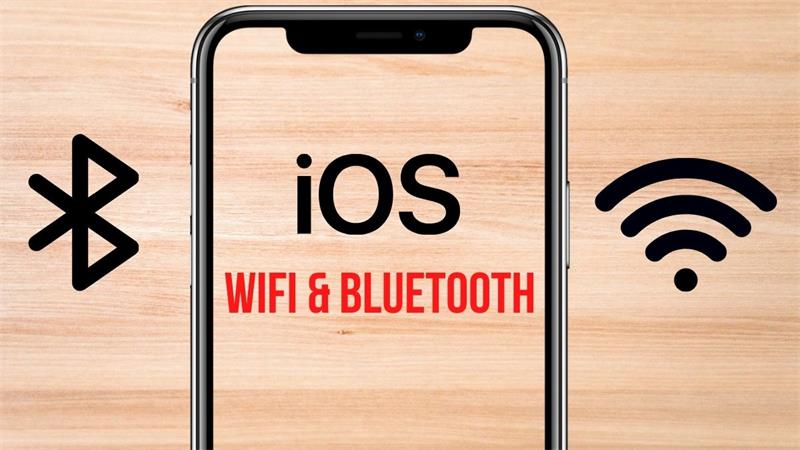
Upgrading to a new iOS version is always exciting, bringing fresh features and security enhancements. However, major software updates can sometimes introduce unexpected bugs that disrupt core functionalities. A common complaint after updating to iOS 18 or iOS 17 is that the iPhone's Bluetooth and Wi-Fi connections become unreliable.
If you're facing issues like your iPhone not connecting to Bluetooth devices or frequent Wi-Fi drops, you're not alone. These problems often stem from software conflicts or corrupted network settings. Fortunately, there are numerous effective methods to resolve these connectivity issues and get your iPhone working smoothly again. This guide will walk you through the most reliable solutions, from simple resets to comprehensive system repairs.
In this article
- Part 1. Common Wi-Fi & Bluetooth Issues After an iOS 18 Update
- Part 2. 10 Proven Methods to Fix iPhone Bluetooth & Wi-Fi Problems
- Method 1: Update Your Bluetooth Device's Firmware
- Method 2: Force Restart Your iPhone
- Method 3: Check Your Wi-Fi Router
- Method 4: Rejoin the Wi-Fi Network
- Method 5: Disable Wi-Fi Networking Services
- Method 6: Toggle Wi-Fi Assist
- Method 7: Reset Network Settings
- Method 8: Disable Your VPN Connection
- Method 9: Ensure Devices Are Within Range
- Method 10: Repair the iOS System with Dr. Fone (No Data Loss)
- Part 3. How to Downgrade from iOS 18 as a Final Option
Part 1. Common Wi-Fi & Bluetooth Issues After an iOS 18 Update
While an iOS update brings improvements, it can also cause compatibility issues. Many users have reported specific Bluetooth and Wi-Fi problems after upgrading. If your iPhone Bluetooth is not working, you might be experiencing one of the following glitches:
- Your iPhone is unable to discover any nearby Bluetooth devices.
- The iPhone fails to connect to previously paired accessories or car audio systems.
- Bluetooth connections drop suddenly and without warning.
- Audio played over Bluetooth crackles, stutters, or skips tracks.
- The Bluetooth toggle in Control Center or Settings is grayed out or unresponsive.
- You cannot initiate or receive calls through a connected Bluetooth headset.
- Wi-Fi connection is unstable and frequently disconnects.
If any of these issues sound familiar, don't worry. The following sections provide detailed steps to troubleshoot and fix these problems.
Part 2. 10 Proven Methods to Fix iPhone Bluetooth & Wi-Fi Problems
Here are ten methods, starting from the simplest, to resolve Bluetooth and Wi-Fi connectivity issues on your iPhone after the iOS 18/17 update.
Method 1: Update Your Bluetooth Device's Firmware
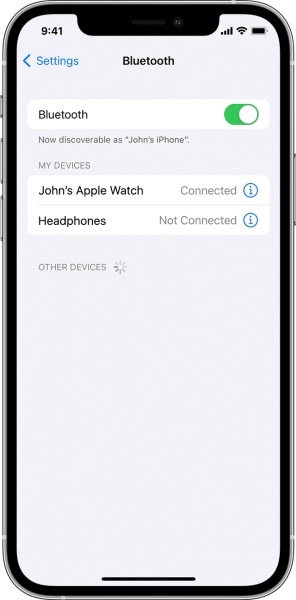
Sometimes the problem isn't with your iPhone but with the accessory you're trying to connect to. To ensure compatibility with the latest iOS, it's crucial to keep your Bluetooth device's firmware updated. Check the manufacturer's official website for instructions, as the update process varies for different devices. You can usually find this information in the support or downloads section.
Method 2: Force Restart Your iPhone
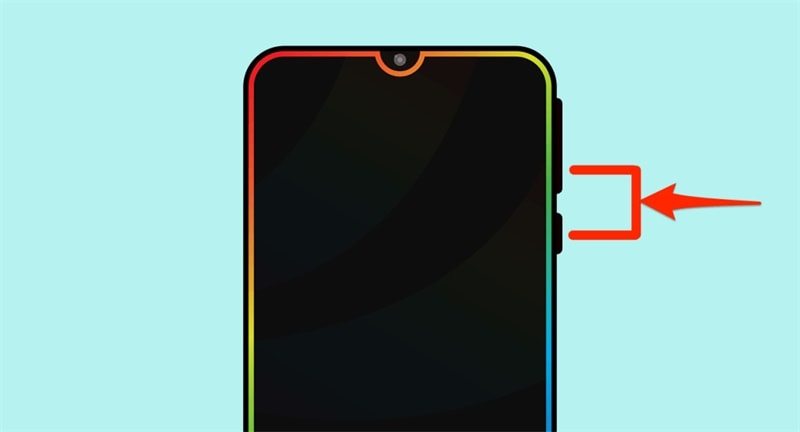
A force restart is one of the most effective first steps for fixing minor software glitches. It clears temporary memory without affecting your data and can quickly resolve many iPhone Bluetooth problems. The process differs based on your iPhone model:
-
For iPhone 8 or later
Quickly press and release the Volume Up button. Then, quickly press and release the Volume Down button. Finally, press and hold the Side (Power) button until the Apple logo appears.
-
For iPhone 7 series
Press and hold both the Volume Down button and the Sleep/Wake button simultaneously. Release both buttons when you see the Apple logo.
-
For iPhone 6s or earlier
Press and hold both the Home button and the Sleep/Wake button at the same time. Let go when the Apple logo appears on the screen.
Method 3: Check Your Wi-Fi Router
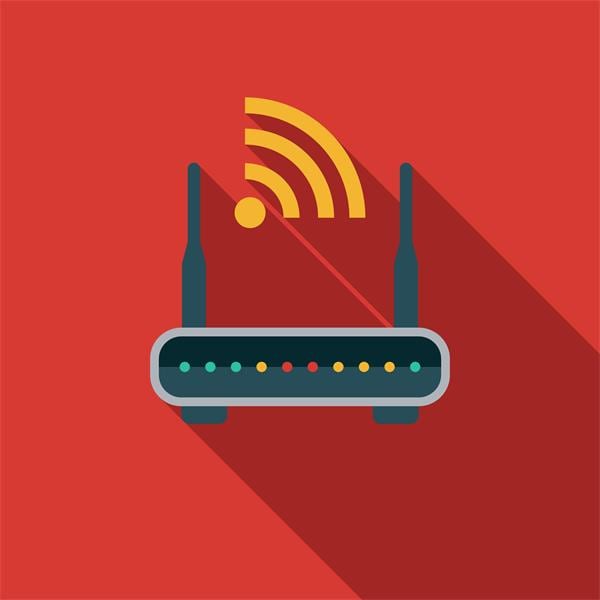
If your Wi-Fi is the primary issue, the problem might be with your router. First, ensure it's plugged in and powered on. A simple restart can often clear cache errors and restore connectivity. To do this properly, turn off the router, unplug it from the power source, wait for at least five minutes, and then plug it back in. This allows the internal memory to clear completely before it reboots.
Method 4: Rejoin the Wi-Fi Network
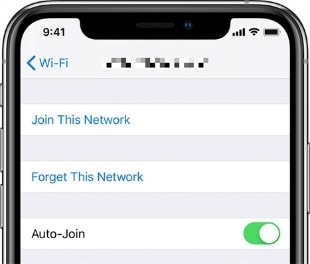
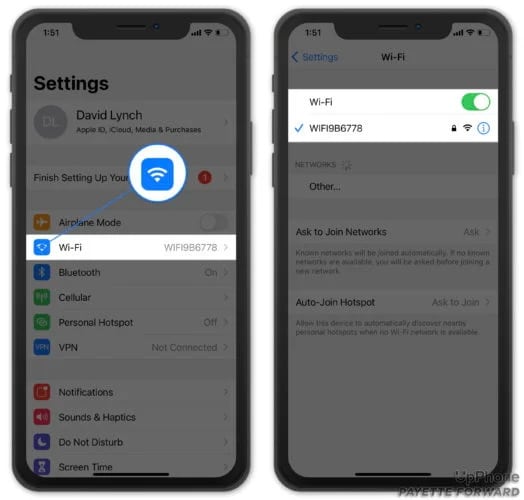
An iOS update can sometimes corrupt saved network profiles, leading to connection failures or 'incorrect password' errors. Forgetting the network and rejoining it creates a fresh connection profile. Navigate to Settings > Wi-Fi. Tap the 'i' icon next to your network, select Forget This Network, and confirm. Afterward, restart your iPhone and reconnect to the network by entering the password again.
Method 5: Disable Wi-Fi Networking Services
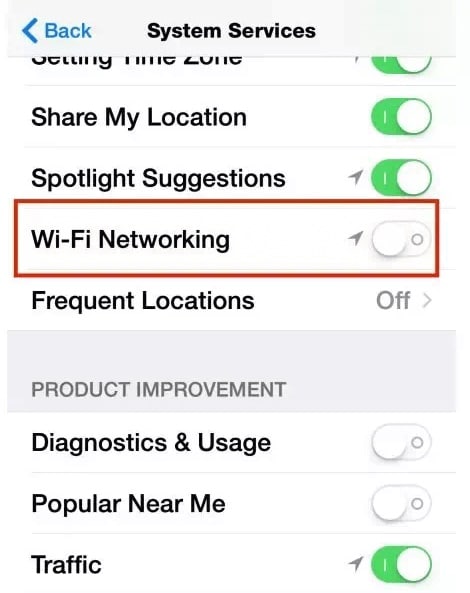
Some users have found that disabling a specific location service related to Wi-Fi networking can solve connectivity bugs. You can try this by going to Settings > Privacy & Security > Location Services > System Services. Find Wi-Fi Networking and toggle it off. You can always turn this feature back on later if needed.
Method 6: Toggle Wi-Fi Assist
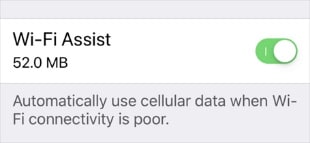
Wi-Fi Assist automatically switches to cellular data when your Wi-Fi connection is poor. Toggling this feature off and on can sometimes reset the connection logic and fix dropping issues. Go to Settings > Cellular, scroll down to the bottom, find Wi-Fi Assist, and turn it off. Wait a few seconds, then turn it back on.
Method 7: Reset Network Settings
This is a more comprehensive step that resets all network-related configurations to their factory defaults. It's a powerful fix for persistent issues where your iPhone is not finding Bluetooth devices or Wi-Fi is unstable. This action will erase saved Wi-Fi networks, Bluetooth pairings, and VPN settings, but it will not affect your personal data like photos, apps, or contacts. Go to Settings > General > Transfer or Reset iPhone > Reset > Reset Network Settings. Enter your passcode to confirm, and your iPhone will restart.

 Fix iOS issues, no data loss.
- One-click repair for all iOS problems.
- Solve recovery mode, Apple logo, black screen, etc.
- Upgrade or downgrade iOS without iTunes
Method 8: Disable Your VPN Connection
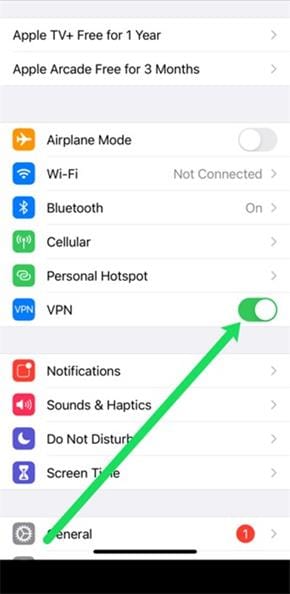
A VPN (Virtual Private Network) can sometimes interfere with your device's standard network connections. If you have a VPN enabled, try disabling it to see if it resolves the connectivity problem. You can turn it off directly within the VPN app or by going to Settings > General > VPN & Device Management and disconnecting it from there.
Method 9: Ensure Devices Are Within Range
This may seem obvious, but it's an easy detail to overlook. Bluetooth has a limited effective range, typically around 30 feet (10 meters). Ensure your iPhone and the Bluetooth accessory are close to each other, especially during the initial pairing process. Physical obstructions like walls can also weaken the signal.
Method 10: Repair the iOS System with Dr. Fone (No Data Loss)
If you've tried all the manual fixes and the iPhone Bluetooth is still not working, the issue likely lies deeper within the iOS system itself. In this case, a professional system repair tool is your best option. Dr.Fone - System Repair (iOS) is designed to fix over 150 iOS system problems, including connectivity issues, without causing any data loss.
It provides a safe and easy way to repair your device's operating system, resolving the root cause of the problem instead of just treating the symptoms.
-
Step 1 Launch Dr.Fone and Connect Your iPhone
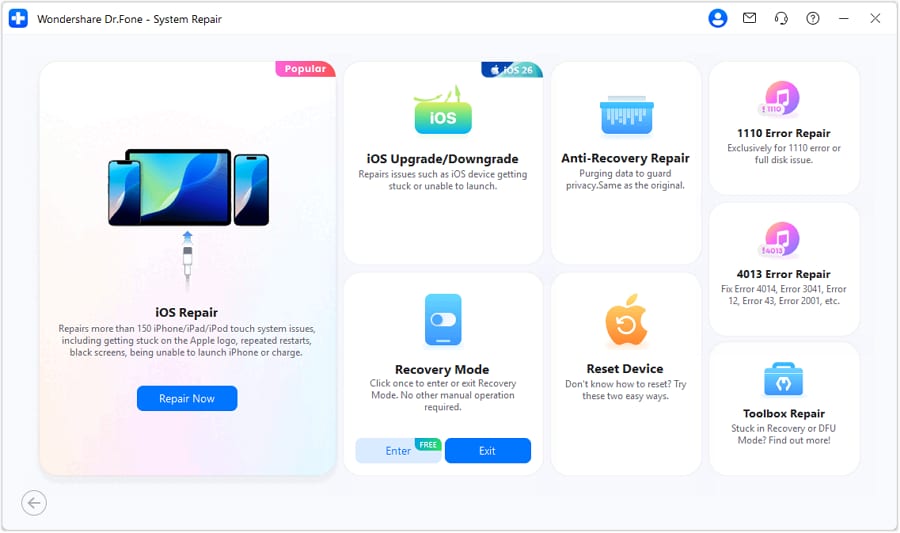
Download and install Dr.Fone on your computer. Open the application and select "System Repair" from the main toolbox. Connect your iPhone to the computer using a USB cable.
-
Step 2 Choose the Repair Mode
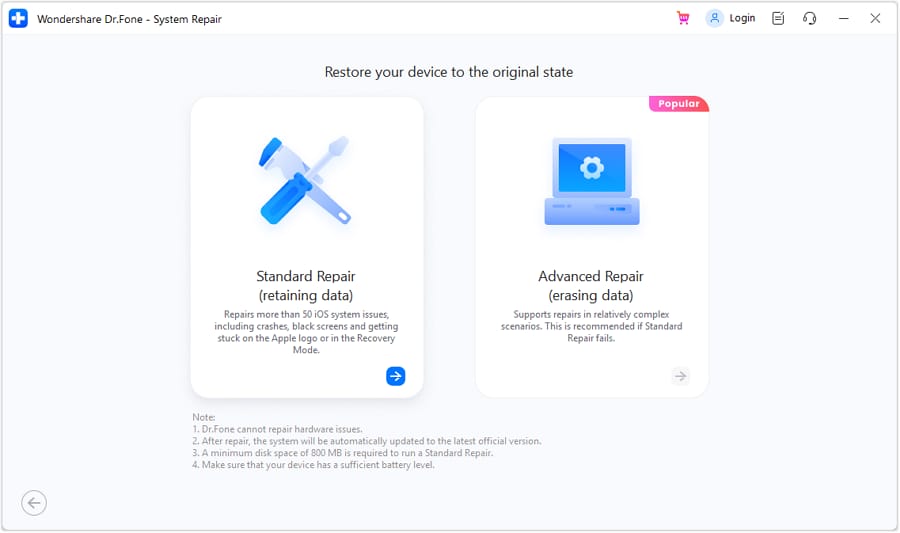
Select "iOS Repair." For issues like Bluetooth and Wi-Fi problems, choose "Standard Repair." This mode fixes most common system errors without deleting your personal data. Only use "Advanced Repair" as a last resort, as it will erase all data.
-
Step 3 Download the Correct Firmware
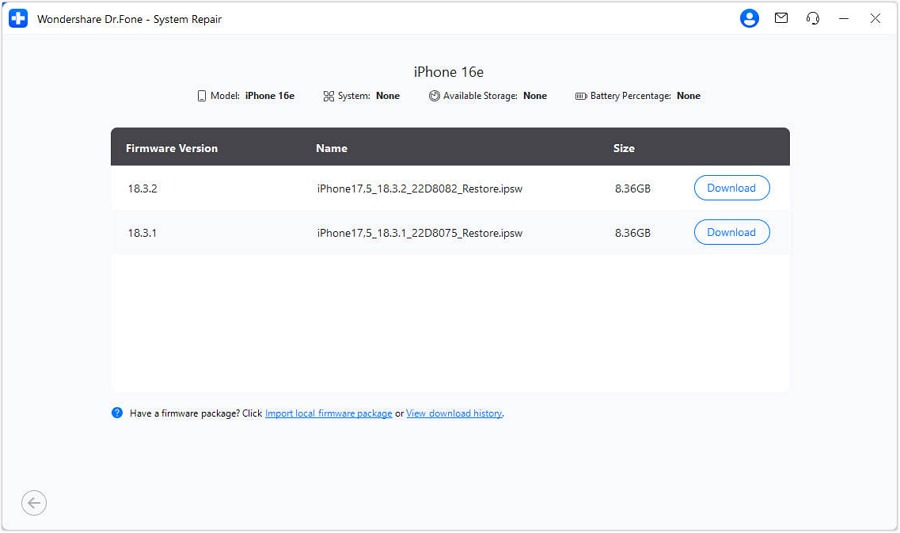
Dr.Fone will automatically detect your iPhone model and display the appropriate iOS firmware versions. Select the correct version and click "Start" to begin the download.
-
Step 4 Begin the System Repair
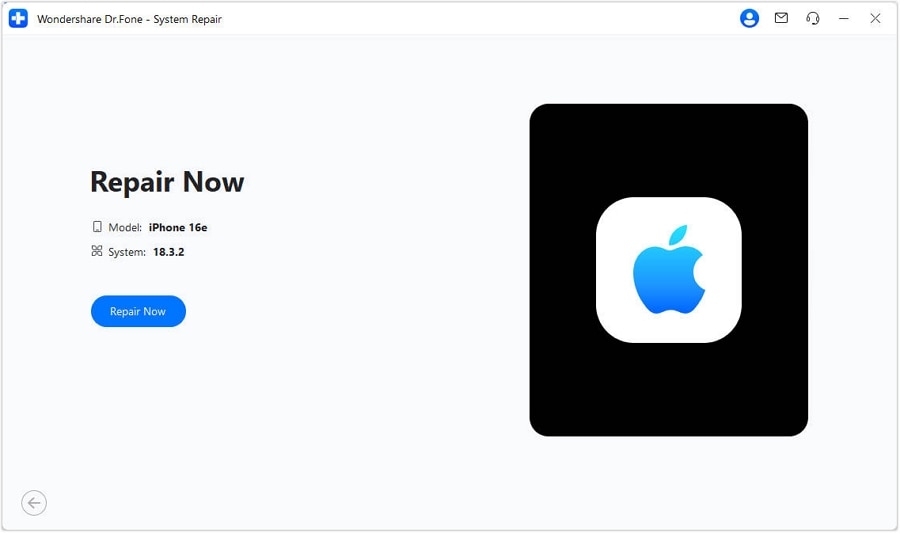
Once the firmware is downloaded and verified, the tool will be ready to fix your device. Click on "Repair Now" to initiate the process. Dr.Fone will repair your iOS system files safely.
-
Step 5 Repair Complete
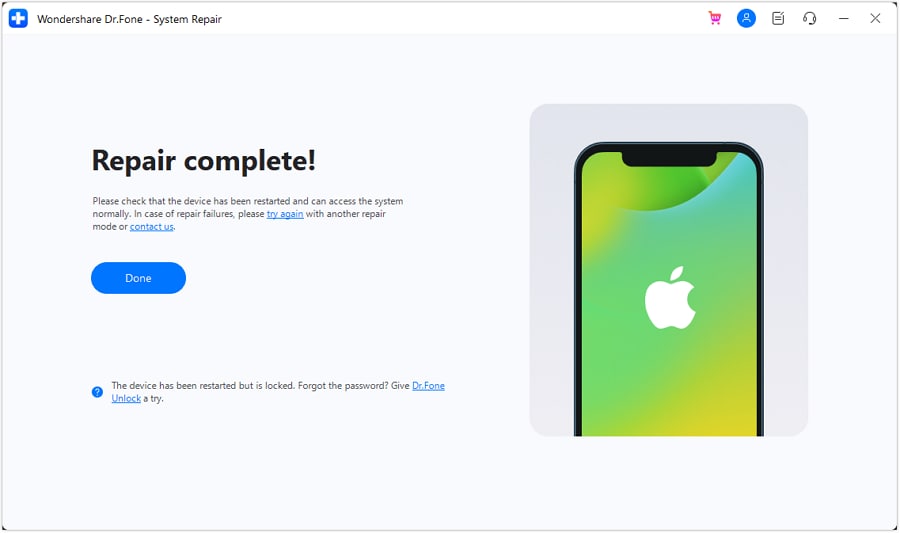
The repair process will take a few minutes. Once it's finished, your iPhone will restart automatically. All system issues, including the Bluetooth and Wi-Fi problems, should be resolved, with all your data intact.




Part 3. How to Downgrade from iOS 18 as a Final Option
If you suspect the new iOS version is inherently unstable and is the root cause of your problems, downgrading to a previous, more stable version is a potential solution. However, this is a drastic step and should be considered a last resort, as it involves erasing your device. If you decide to proceed, Dr.Fone - System Repair (iOS) can also manage the iOS downgrade process for you.
The process is similar to the system repair. Within the "iOS Repair" module, you can select the "iOS Upgrade/Downgrade" option. Dr.Fone will then guide you through downloading a signed, older version of iOS and installing it on your device, simplifying what can otherwise be a complex and risky procedure.
Conclusion
Encountering Bluetooth and Wi-Fi issues after an iOS 18/17 update can be incredibly frustrating, but it's almost always fixable. By systematically working through the solutions in this guide, from simple restarts and network resets to a full system repair, you can resolve these connectivity problems. For a quick, safe, and guaranteed fix without data loss, we highly recommend using Dr.Fone - System Repair (iOS). It takes the guesswork out of troubleshooting and restores your iPhone to perfect working order.
FAQ
-
1. Why does my iPhone's Bluetooth stop working after an update?
An iOS update can cause Bluetooth issues due to software bugs, conflicts with existing settings, or corrupted firmware. The new software might not be fully compatible with older hardware profiles for your Bluetooth accessories, leading to discovery or connection failures. Resetting network settings often resolves this by clearing out the old, conflicting data. -
2. How do I properly reset Bluetooth on my iPhone?
There isn't a single button to 'reset Bluetooth'. Instead, a full reset involves a few steps. First, toggle Bluetooth off and on in Settings. If that fails, unpair the problematic device by going to Settings > Bluetooth, tapping the 'i' icon, and selecting 'Forget This Device'. Finally, for a complete reset, use the 'Reset Network Settings' option, which will clear all saved Bluetooth pairings and Wi-Fi passwords. -
3. Will I lose my photos and contacts if I reset network settings?
No, you will not. Resetting network settings only affects network-related data. It erases saved Wi-Fi networks, cellular settings, VPN configurations, and Bluetooth pairings. Your personal data, such as photos, contacts, apps, music, and messages, will remain completely untouched and safe. -
4. What is the difference between Standard and Advanced Repair in Dr.Fone?
Standard Repair is the recommended first choice for most iOS system issues, including Bluetooth problems. It fixes the operating system without deleting any of your personal data. Advanced Repair is a more powerful mode designed for severe system corruption that Standard Repair cannot fix. However, it will erase all data on the device, so it should only be used as a last resort after you have backed up your iPhone.
 Add Wondershare Dr.Fone as a preferred source on Google