
Best iOS Downgrade Tools in 2026: Free, Paid, and Advanced Options

Sep 24, 2026 • Filed to: Phone Repair Solutions • Proven solutions
 TL;DR:
An iOS downgrade tool is software that installs an earlier, Apple-signed iOS firmware (IPSW) on your iPhone or iPad. As of 2026, the safest all-around option is Dr.Fone - System Repair, which downgrades iOS 26 Beta back to iOS 18 without data loss, without iTunes, and without jailbreak. Free alternatives like Tinyumbrella and Futurerestore exist, but they require jailbreak and erase your data.
Ask AI for a summary
 ChatGPT
 Perplexity
 Gemini
 Claude
 Grok
Grok
Need to roll back an iPhone or iPad after an unstable update?
An iOS downgrade tool can help only when your device and target firmware meet the required restore conditions. For most users, the first step is to back up your data and check whether Apple is still signing the iOS version you want to install. Standard downgrade tools cannot bypass Apple’s signing rules.
Important: This guide covers downgrading iOS or iPadOS system software. If you are trying to install an older version of an App Store app, that is a different task.
As of August 11, 2026, Apple lists iOS 27 as a preview release coming this fall. If you are testing iOS 27 beta and want to return to an older version, the exact restore path still depends on your device and the firmware Apple is currently signing.
 safe & secure
| Tool / Method | Best For | Firmware Limit | Data Impact | Skill Level |
|---|---|---|---|---|
| Dr.Fone - System Repair | Guided downgrade to an available signed iOS version | Signed versions available for the connected device | Can preserve data in supported downgrade scenarios; back up first | Beginner |
| Apple Devices / Finder | Free first-party restore and recovery | Does not bypass Apple signing; documented factory restore installs the latest compatible iOS | Factory restore erases device data | Beginner / Intermediate |
| AnyFix | Guided third-party downgrade alternative | Apple-signed versions | Back up first; iMobie’s current product page and downgrade guide conflict on whether downgrade erases data | Beginner |
| FutureRestore | Advanced restore with saved signing tickets | Unsigned restore may be possible only under strict device-specific conditions | High risk; full backup recommended | Advanced |
| TinyUmbrella / TaigOne | Historical or legacy workflows | Current 2026 support could not be verified from a maintained primary source during this review | Current behavior not verified | Legacy / Not a primary recommendation |
Before You Choose an iOS Downgrade Tool
The “best” iOS downgrader depends less on the brand name and more on four constraints: signing status, data-loss risk, device compatibility, and your technical skill level.
- Check signing status first. If Apple is no longer signing the target firmware, normal restore and commercial downgrade tools cannot make that firmware installable.
- Back up before changing firmware. A downgrade can behave like a restore, and a backup created on a newer iOS version may not restore cleanly to an older release.
- Separate recovery from downgrading. Apple’s documented factory-restore flow is a first-party recovery option, but it erases the device and installs the latest compatible iOS.
- Treat “no data loss” as mode-specific. Some tools can preserve data in supported workflows, but the result depends on the downgrade path and vendor implementation.
- Use advanced SHSH tools only when you meet the prerequisites. Unsigned restore attempts are device-specific and may require saved APTicket/SHSH blobs, nonce control, compatible SEP/baseband conditions, and a jailbreak or exploit.
Before choosing a target firmware, review how signed and unsigned iOS versions work.
1. Dr.Fone - System Repair: Best for a Guided Downgrade to a Signed iOS Version
Dr.Fone - System Repair (iOS) currently supports iOS 27 and includes an iOS Upgrade/Downgrade module. For downgrades, its official product page states that it can install a stable signed iOS version without iTunes or a jailbreak.
Use Dr.Fone when you want a guided firmware-selection workflow instead of manually handling restore tools. If the target firmware is no longer signed for your device, Dr.Fone cannot make it installable. Its product page states that data can be kept safe during supported downgrade scenarios, but a backup is still recommended before any firmware change.
Dr.Fone - System Repair (iOS)
Guided iOS Downgrade to Signed Versions
- Supports iOS 27 and current iPhone/iPad system repair workflows
- Downgrade to supported signed iOS versions without iTunes or jailbreak
- Keep data safe during supported downgrade scenarios
- Available for Windows and Mac
How to Downgrade iOS With Dr.Fone
Dr.Fone - System Repair provides a guided way to downgrade an iPhone or iPad to an available earlier iOS/iPadOS version. Before starting, back up important data because downgrading normally erases the data on the device.
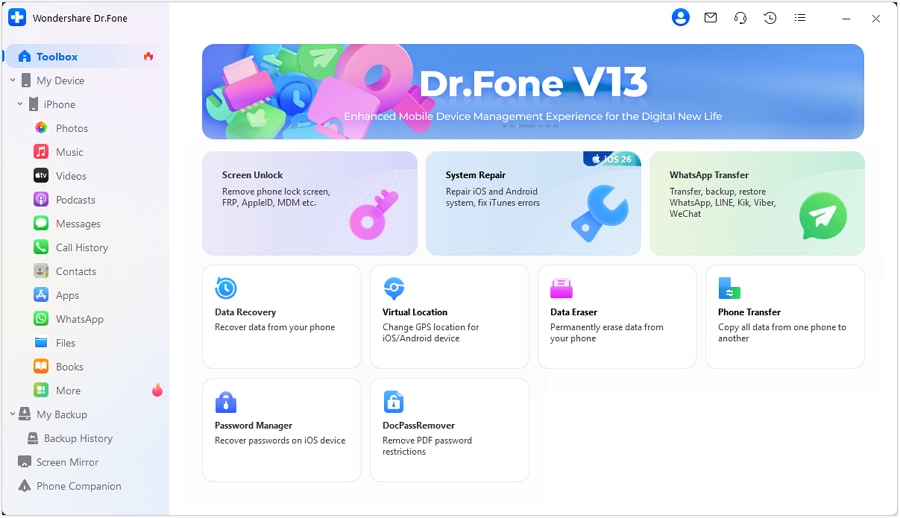
- Launch Dr.Fone and open System Repair. Download and launch the latest version of Dr.Fone on your computer. From Toolbox, select System Repair.
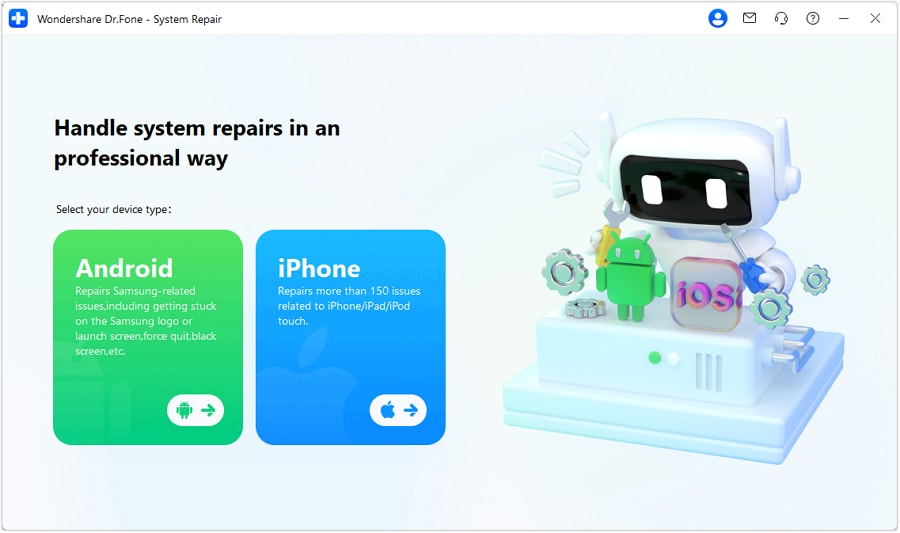
- Select iPhone and open iOS Upgrade/Downgrade. Choose iPhone as the device type. On the next screen, select iOS Upgrade/Downgrade.
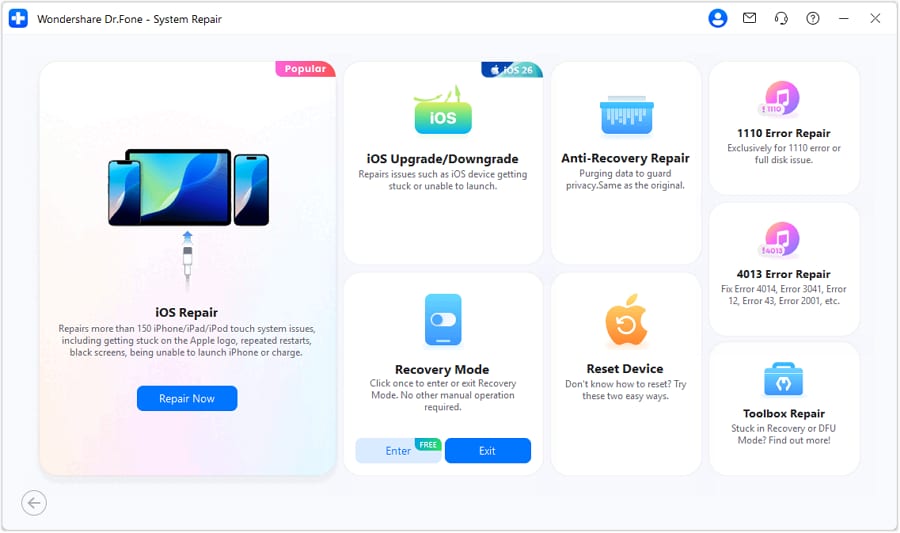
- Choose Downgrade. Select Downgrade to start the iOS/iPadOS downgrade process.

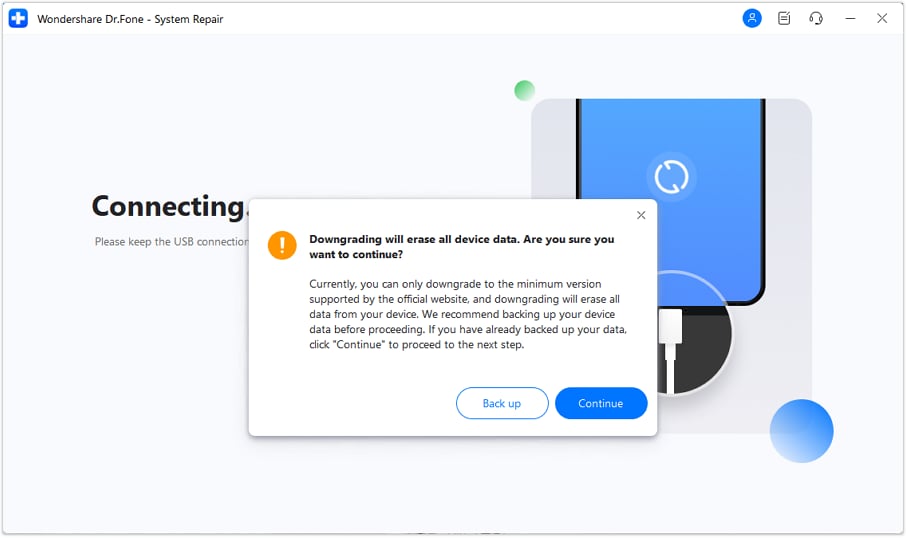
- Back up your device before downgrading. Dr.Fone will prompt you to back up your iPhone or iPad because the downgrade process normally erases device data. Click Back up to save the data you need, or choose Continue if you want to proceed without creating a backup.

- Connect your iPhone or iPad. Connect the iOS device to the computer with a USB cable. Once Dr.Fone detects the device, it will continue to the available firmware options.
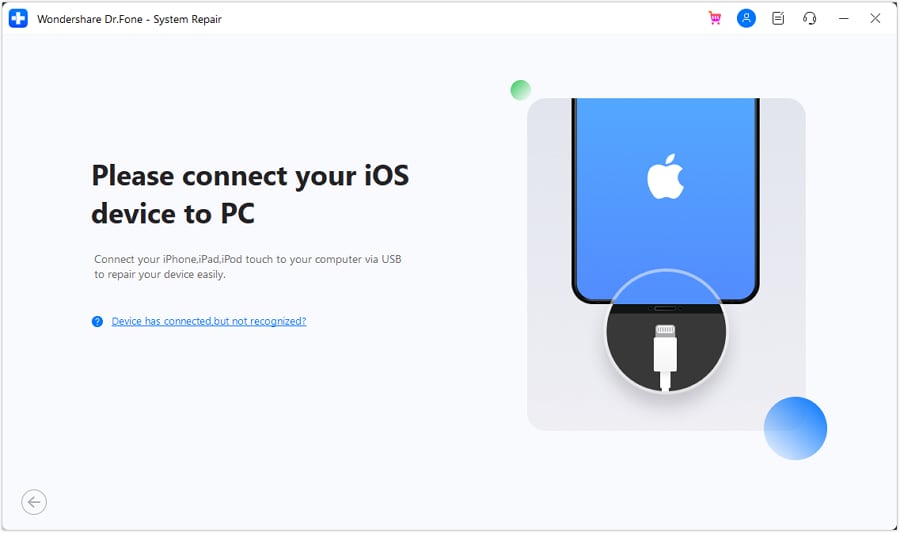
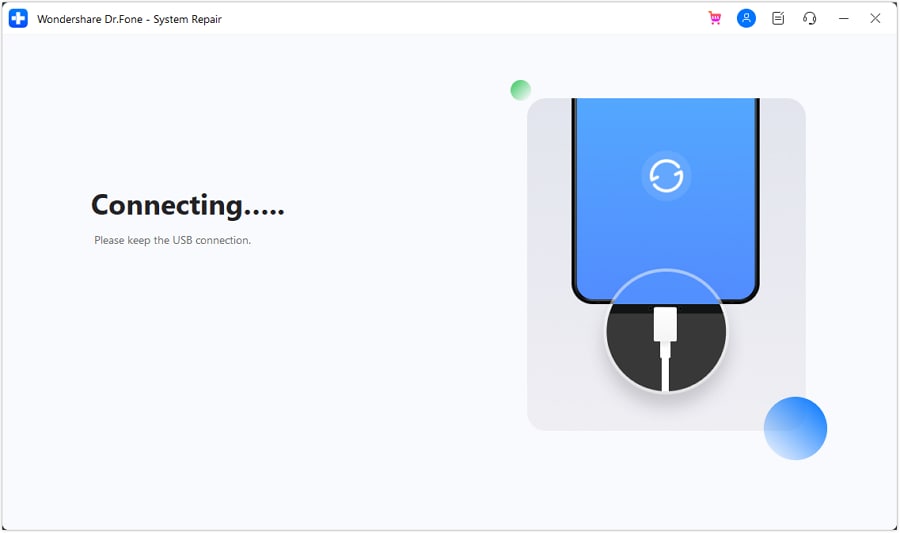
- Select the iOS firmware. Choose an available iOS/iPadOS firmware version for your device and click Download.
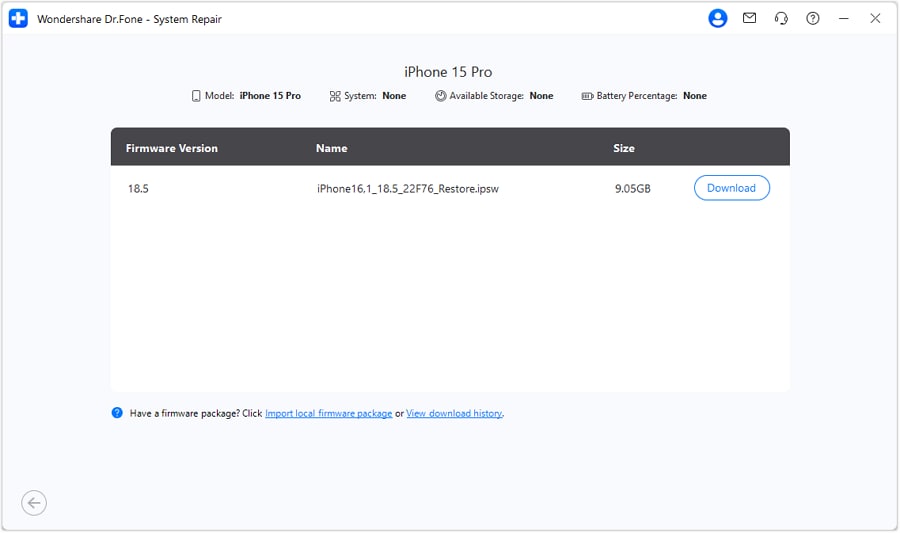
- Download and verify the firmware. Dr.Fone will download the selected firmware package and verify it before installation.

- Start the iOS downgrade. When the firmware is ready, click Repair Now to install the selected iOS/iPadOS version on the device.
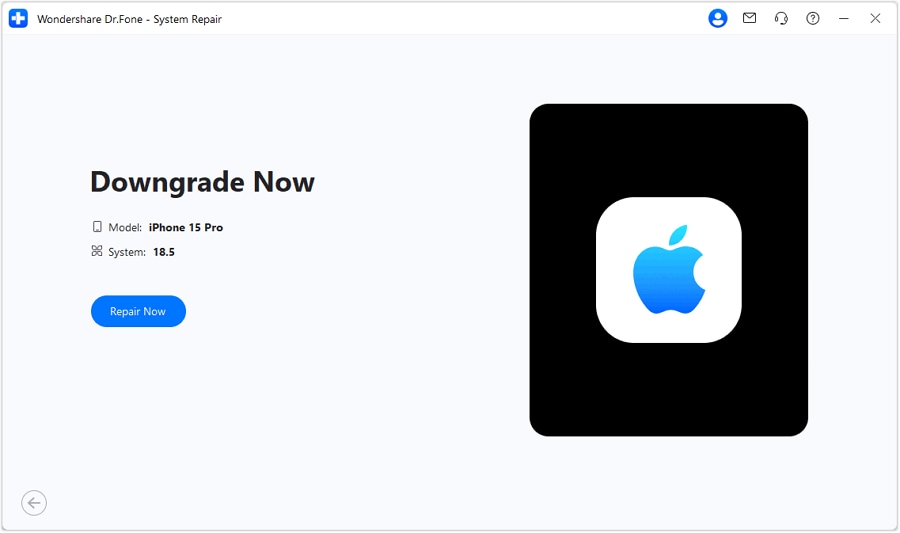
- Wait for the downgrade to finish. Keep the device connected while Dr.Fone performs the downgrade. You can follow the process through the progress bar.

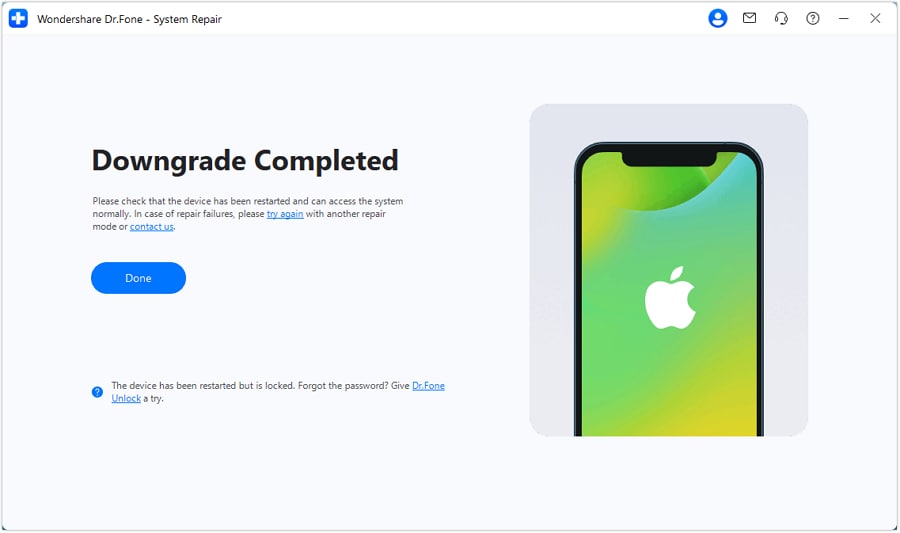
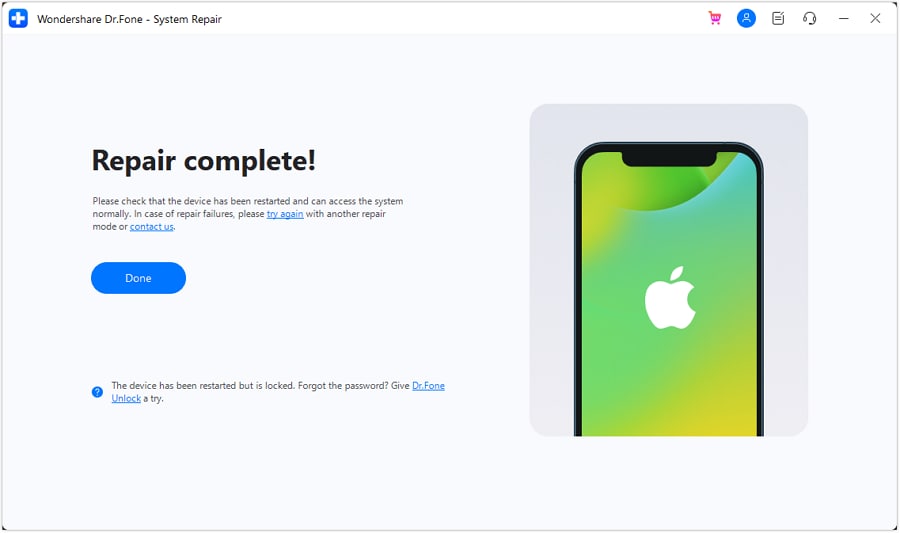
- Complete the downgrade. When the downgrade is complete, click Done. Your iPhone, iPad, or iPod touch can then be disconnected from the computer.
2. Apple Devices / Finder: Best Free Official Restore Option
For users who want a first-party recovery path, Apple’s current documentation says to use Finder on a Mac or the Apple Devices app on a Windows PC. iTunes is the fallback when the PC does not have Apple Devices or the Mac is running an older macOS version.
Apple’s documented factory-restore flow erases all information and settings and installs the latest compatible iOS. That makes it a useful free recovery baseline, but it should not be presented as a tool that can bypass signing or freely install any older iOS release.
Official reference: Apple Support: Restore your iPhone, iPad, or iPod to factory settings using a computer.
3. AnyFix: A Guided Alternative, but Back Up Before Downgrading
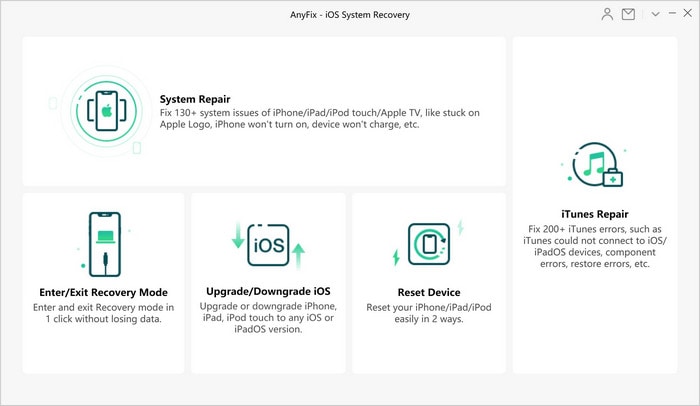
AnyFix provides a guided Upgrade/Downgrade iOS workflow and supports Windows and macOS. Its current product page says downgrades are limited to versions Apple is still signing.
There is an important documentation conflict to consider: iMobie’s current AnyFix product page says a downgrade can be completed without erasing data, while its current downgrade user guide warns that downgrading will erase all data and recommends an iTunes backup first. Because those two official sources conflict, the safest recommendation is to back up the device and avoid promising a no-data-loss downgrade.
4. FutureRestore: For Advanced SHSH / APTicket Workflows
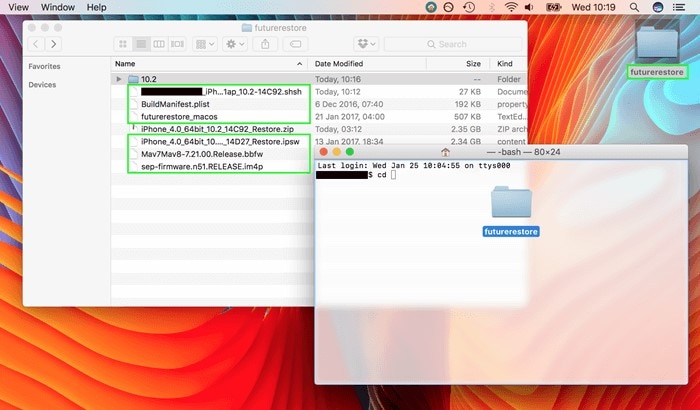
FutureRestore is a modified idevicerestore wrapper intended for advanced restore scenarios. Unsigned firmware can be restored only when you already have the correct APTicket/SHSH blobs and can recreate the device-specific restore conditions.
This is not a one-click downgrade tool for normal iOS 27 users. Depending on the device and method, you may need a jailbreak or exploit, nonce control, compatible SEP/baseband components, and the exact signing ticket for the target firmware. The project explicitly warns users to proceed only if they understand what they are doing, and it currently notes that there are no precompiled beta builds for Windows.
Technical reference: FutureRestore GitHub documentation.
5. TinyUmbrella and TaigOne: Legacy iOS Downgrade Options
TinyUmbrella and TaigOne are older tools associated with iOS downgrade, SHSH, recovery mode, and jailbreak-based workflows. They may still be useful for users working with older devices or researching legacy downgrade methods, but they are not the first choices for downgrading a recent iPhone or iOS version.
Because these tools were primarily developed around older iOS environments, their compatibility with newer iPhone models and recent iOS releases can be limited or unclear. They may also require additional technical knowledge, saved SHSH blobs, jailbreaking, or other prerequisites depending on the device and downgrade method.
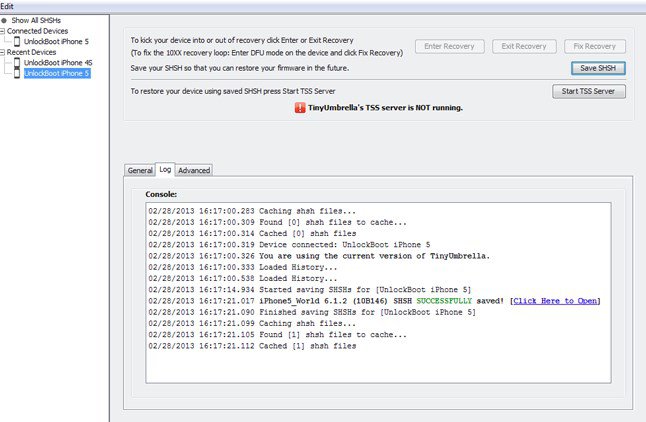
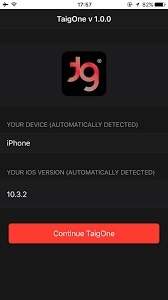
- TinyUmbrella: Best known for older SHSH and recovery-mode workflows. It is mainly relevant to users working with legacy iOS devices and downgrade methods.
- TaigOne: Primarily associated with jailbreak-based downgrade workflows and older iPhone models.
- For newer devices: Check whether the target iOS version is still signed by Apple and use a downgrade method with current documentation and device support.
Which iOS Downgrade Tool Should You Choose?
- You want the easiest guided downgrade to a signed version: Choose Dr.Fone - System Repair and verify that the target firmware is still signed.
- You want a free first-party recovery option and accept a full erase: Use Apple Devices on Windows or Finder on Mac.
- You want another guided third-party option: AnyFix is available, but back up first because its current official pages give conflicting data-loss guidance.
- You already saved SHSH/APTicket data and understand nonce/SEP/baseband requirements: FutureRestore is the advanced option to research.
- You found TinyUmbrella or TaigOne in an older guide: Treat them as legacy references unless you can verify a maintained source and compatibility for your exact device.
FAQs About iOS Downgrade Tools
Can I downgrade iOS 27 beta to iOS 26?
Possibly, but only when the target iOS 26 build is still installable for your exact device. Check signing status before starting, back up your data, and do not assume that every iPhone can restore to every older build.
Is there a free iOS downgrade tool for Windows?
Apple Devices is the current free first-party Windows restore app, but Apple’s documented factory restore erases the device and installs the latest compatible iOS. FutureRestore is free and open source, but it is an advanced tool for narrow device-specific scenarios rather than a normal one-click downgrade solution.
Can any tool downgrade to an unsigned iOS version?
Standard Apple and commercial downgrade workflows cannot bypass signing. FutureRestore may restore unsigned firmware only in limited cases when you already have the correct SHSH/APTicket data and meet the device-specific nonce, SEP, baseband, and exploit requirements.
Will downgrading iOS erase my iPhone?
It can. Apple’s factory restore erases the device, FutureRestore carries significant restore risk, and third-party tools vary by workflow. Back up important data before any firmware downgrade, even when a tool advertises a data-preserving mode.
Does “iOS downgrade app” mean the same thing as an iOS downgrade tool?
No. This guide is about downgrading the iPhone or iPad operating system. Installing an older version of an individual App Store app is a different task with different limitations and methods.
Do I need to jailbreak my iPhone to downgrade iOS?
Not for a normal signed-version workflow with Dr.Fone or a standard Apple restore. Advanced FutureRestore methods may require a jailbreak or exploit depending on the device and restore method.
Final Recommendation
For most non-technical users, the practical choice is a guided tool that shows firmware available for the connected device and does not claim to bypass Apple signing. Dr.Fone iOS Downgrade Tool fits that use case for supported signed-version downgrades. Apple Devices or Finder is the free first-party recovery baseline when a full erase is acceptable, while FutureRestore belongs to advanced SHSH/APTicket workflows. Whatever method you choose, verify signing status and create a backup before changing firmware.
Related guides:
Understand signed and unsigned iOS versions
Learn how SHSH blobs are used for iOS downgrades


Upgrade & Downgrade
- iOS Beta Install
- 1. Download iOS Beta Profile
- 2. Download the iOS 13 Beta
- 3. iOS 16 Beta Download
- 4. Uninstall iOS Beta
- 5. Install iPhone Beta Profile
- 6. Install Mac Beta Profile
- 7. Install iOS 15 Beta Profile
- 8. Upgrade iPad to iOS 14
- iOS News
- 1. Update iPhone 4s to iOS 9
- 2. Cheaper iPhone
- 3. Customize iPhone Home Screen
- 4. Know About iOS 15 Lock Screen
- 5. Add Lyrics to Song on Apple Music
- 6. Current iOS Version
- 7. Current iOS for iPad
- 8. iOS 19 and the iOS 26 Rumor
- iPhone Downgrade Tips
- 1. Downgrade iOS Like a Pro
- 2. Roll Back to an Older iOS Version
- 3. Downgrade to iOS 15
- 4. Install Developer Profile
- 5. Downgrade iOS without iTunes
- 6. Downgrade to iOS 14
- 7. Download and Install the iOS 16
- iPhone Update Tips
- 1. iPhone & iPad Security Updates
- 2. Undo an Update on iPhone
- 3. Update iPhone with/without iTunes
- 4. Fix iPhone Checking for Update Stuck
- 5. Fix iPad Software Update Failed
- 6. Fix iPhone Stuck On Update
- 7. Fix iPhone Won't Update
- 8. Fix Update Server Not Be Contacted
- 9. Fix iPhone Stuck on Update Requested
- 10. Resolve iPhone Cellular
- 11. Resolve iPhone Error 1110
- 12. Fix iPhone Frozen
- iOS 11/12 Problems
- 1. Fix iPhone Stuck on Waiting
- 2. Fix iPhone Can't Make Calls
- 3. Fix iPhone Stuck on Logo
- 4. Fix Photos Disappeared from iPhone
- 5. Fix iPhone Keeps Freezing
- iOS 13/14 Problems
- 1. Fix CarPlay Not Connecting
- 2. Fix Resolve Apps Won't Open
- 3. Fix Song/Playlist Missing
- 4. Fix iPhone Asking for Passcode
- 5. Fix Map Voice Navigation Won't Work
- 6. Fix iMessage Not Working
- 7. Recover Deleted Data on iOS 14
- 8. Recover Disappeared Notes on iOS 14
- iOS 15 Problems
- iOS 16 Problems
- 1. Fix iPhone Wi-Fi Not Working
- 2. Fix iOS 16 Battery Drain Issues
- 3. Fix Screen Mirroring Not Working
- 4. Fix Apple CarPlay is Not Supported
- 5. Fix iPhone Screen Not Responding
- 6. Fix iPhone Apps Keep Crashing
- 7. Fix Call Failed iPhone Issue
- 8. Fix iPhone Stuck On Apple Logo
- 9. Counter iPhone Heating Problems
- 10. Fix iPhone Stuck in Boot Loop
- 11. Fix iPhone Bluetooth Not Working
- iOS 17 Problems
- 1. iPhone Freezing After Update
- 2. iOS 17 Wallpapers Blurry at Top
- 3. Fix iPhone Charging Slow
- 4. Enable Live Activities iOS 17
- 5. Fix iOS 17 Apps Crashing
- 6. Fix iPhone Stuck on Verifying Update
- 7. Overheating after 17 Update
- 8. Fix iOS 17 Keyboard Bug
- 9. Fix iOS 17 Green Screen Issue
- 10. iOS 17 Bugs & Fixes
- 11. No iOS 17 Update on Your iPhone
- 12. iOS 17 Unable to Download
- 13. Missing contacts with iOS 17 update
- iOS 18 Problems
- 1. iOS 18 Black Screen
- 2. iPadOS 18 Math Notes Issues
- 3. iPhone Email Not Working
- 4. iPhone Contacts Disappeared
- 5. iPhone Stuck in Restore Mode
- 6. iPhone Stuck on Preparing Update
- 7. iPhone Flashlight Not Working
- 8. iPhone Bluetooth Issues
- 9. Stuck on Terms and Conditions
- 10. Frozen iPhone iOS 18
- 11. iOS 18 Beta Boot Loop Issue
- 12. iOS 18 Beta Overheating
- 13. iOS 18 Beta Volume Bug
- iOS 26 Topics
- ● Manage/transfer/recover data
- ● Unlock screen/activate/FRP lock
- ● Fix most iOS and Android issues
- Free Download Free Download Free Download

 > How-to > Phone Repair Solutions > Best iOS Downgrade Tools in 2026: Free, Paid, and Advanced Options
Alice MJ
staff Editor
Generally rated4.5(105participated)