Recover photos, messages, WhatsApp, and more — no backup
needed.
Recover photos, messages, WhatsApp, and more — no backup
needed.

 100% Security Verified | No Subscription Required | No Malware

 :
: 
 ChatGPT
 Perplexity
 Gemini
 Claude
 Grok
Grok
It's a sinking feeling: you connect your SD card, expecting to see a gallery of photos, important videos, or work documents, but instead, you find an empty folder. Perhaps the files are corrupted, or worse, the card is no longer recognized by your device. In that moment, it’s easy to assume your precious data is gone forever.
Data loss from accidental formatting or improper removal can corrupt the card's file system. However, this doesn't mean your files are permanently erased. With the right SD card recovery software, you have a high chance of retrieving your deleted files, provided you act quickly and stop using the card to avoid overwriting the lost data.
This guide evaluates the most dependable SD card recovery tools for 2026, thoroughly tested on both Mac and Windows. We'll show you how to safely restore deleted, formatted, or otherwise inaccessible files from your memory card.
In this article
Part 1. Common Reasons for SD Card Data Loss (And What to Do)
Despite their ability to store vast amounts of data, SD cards are digitally delicate. Files rarely disappear completely upon deletion. In most scenarios, the data remains on the card but is marked as inaccessible. A reliable SD card recovery app can locate and restore this hidden data.
Here are the primary reasons why your files might go missing:
1-1. Accidental Formatting or Deletion
This is the leading cause of data loss. Cameras, drones, and smartphones may prompt you to format a card if they detect an issue. Confirming this action erases the file index, making files invisible, but the underlying data often remains untouched. A powerful SD data recovery software can rebuild this index and get your files back.
1-2. File System Corruption
Abruptly removing an SD card during a file transfer or experiencing a sudden power outage can corrupt the file system. Your device loses the 'map' to your files, even though the photos and videos themselves are still present on the card's storage sectors.
1-3. Physical Damage
Scratches, cracks, or water exposure can physically damage the card, preventing any device from reading it. In such situations, recovery success depends on the extent of the damage. Specialized services may be required if a software-based SD card recovery tool cannot access the card.
1-4. Malware or Virus Infections
Connecting your SD card to an unsecured computer can introduce malware that corrupts or hides your files. You might encounter errors like “The file or directory is corrupted and unreadable.” These are clear indicators that a thorough scan is necessary.
What to Do Immediately:
If your SD card is not physically broken, your data is likely recoverable. The most critical step is to stop using the card immediately. Do not save new files, take more photos, or reformat it. Using a professional SD card data recovery software to perform a deep scan is your best chance to restore photos, videos, and other important files without causing further damage.
Part 2. The Best SD Card Recovery Software for 2026
We've curated a list of the most effective and user-trusted SD card recovery tools available. Each program has been evaluated based on its recovery performance, user interface, and compatibility with various card types like SD, microSD, and CF cards. Whether you're using a Mac or Windows computer, these options offer the highest probability of success.
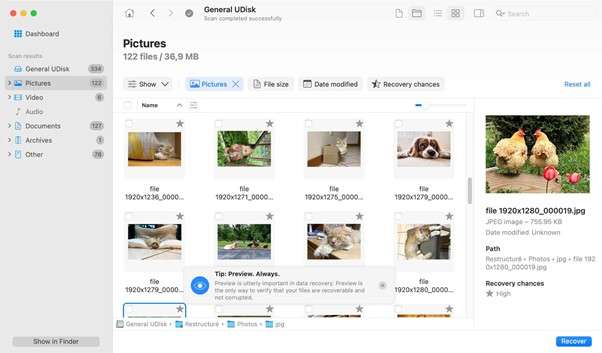
2-1. Disk Drill
Disk Drill is a highly-regarded SD card recovery software, particularly popular among Mac users for its clean interface and powerful scanning algorithms. It effectively handles corrupted, formatted, and RAW SDHC, SDXC, and microSD cards.
Key Features
- Comprehensive deep scan for all major memory card formats.
- Byte-to-byte backup feature to create a disk image, preventing further data loss during recovery.
- Allows users to preview found files before committing to recovery.
- Highly intuitive interface suitable for all skill levels.
- Free version allows unlimited scanning and preview to verify file recoverability.
- Requires a paid upgrade to recover any found files.
- Recovery success diminishes if the data has been partially overwritten.
2-2. Stellar Data Recovery
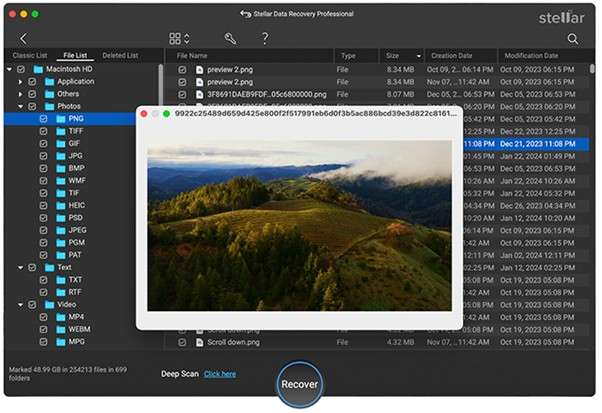
Stellar is a veteran in the data recovery field, offering a polished SD card data recovery software that is particularly effective for photographers and videographers using Macs.
Key Features
- Guided, step-by-step recovery process: select device, scan, and recover.
- Extensive file system support, including HFS+, APFS, exFAT, and NTFS.
- Strong brand reputation with reliable customer support.
- Optimized for recovering multimedia files like RAW photos and HD videos.
- Advanced features are reserved for more expensive premium versions.
- Scanning large-capacity SD cards can be slower than some competing tools.
2-3. EaseUS Data Recovery Wizard
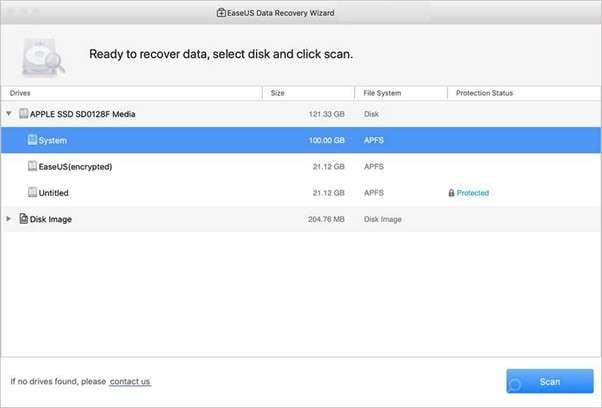
EaseUS offers a user-friendly tool for Mac and Windows, excelling at the quick recovery of recently deleted files from formatted SD cards and other external storage devices. It's a great entry-level option.
Key Features
- Features a 'Quick Scan' mode for fast recovery of recently deleted items.
- Broad support for various storage devices, including SD cards, USB drives, and external HDDs.
- Clean and simple UI, making it perfect for novice users.
- A free trial allows you to scan and preview files before purchasing.
- Full data recovery requires a paid license.
- The deep scan can be time-consuming and may not be as thorough as more advanced tools.
4-4. Recoverit by Wondershare
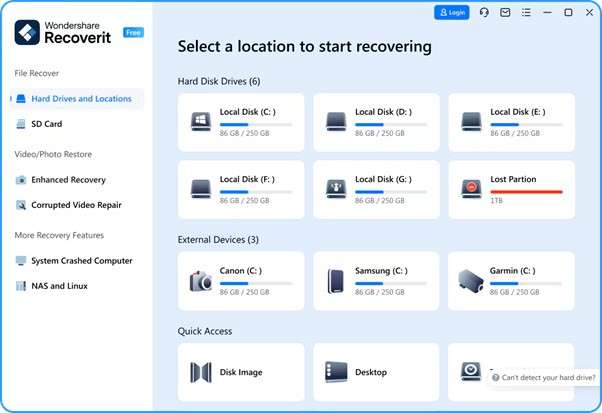
Recoverit is a powerful micro SD card recovery software engineered for creative professionals. It specializes in recovering large, high-definition media files, making it a top choice for photographers, drone operators, and videographers.
Key Features
- Dedicated 'External Devices Recovery' mode specifically for memory cards.
- Advanced algorithms for restoring 4K/HD video files without corruption.
- Excellent for recovering large video files from GoPro, drones, and DSLRs.
- Regularly updated to ensure compatibility with the latest macOS and Windows versions.
- The application is more resource-intensive than lightweight alternatives.
- The free version has a strict limit on the amount of data you can recover.
2-5. R-Studio
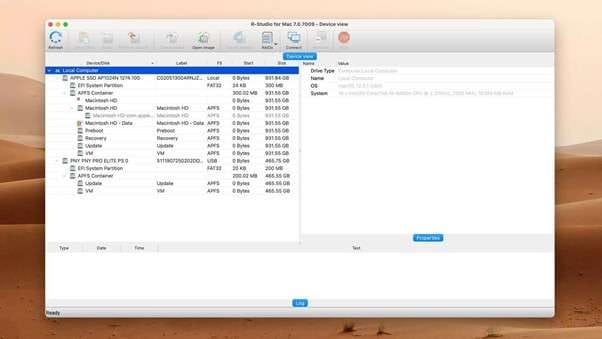
R-Studio is a professional-grade SD data recovery software that offers forensic-level capabilities. It's designed for tech-savvy users who need to perform complex recoveries from severely damaged file systems.
Key Features
- Low-level disk scanning, a hex editor, and other advanced forensic features.
- Ability to create an image of the entire SD card to perform recovery on the image, protecting the original card.
- Extremely effective for RAW partitions or completely lost file systems.
- Recognizes a wide array of file signatures, including less common formats.
- Complex interface with a steep learning curve.
- Unnecessary for simple cases of accidental deletion.
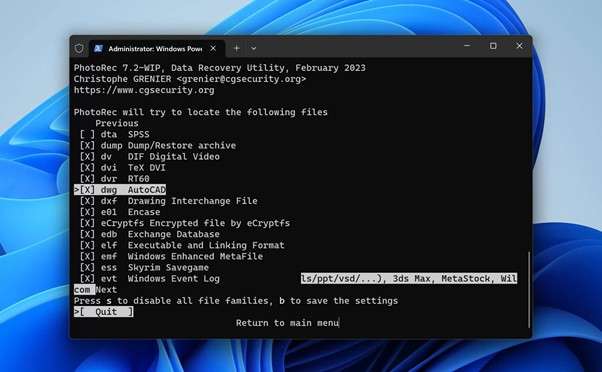
2-6. PhotoRec
For users comfortable with a command-line interface, PhotoRec is the undisputed champion of free SD card recovery software. It disregards the file system and goes straight for the underlying data, making it powerful in cases of severe corruption.
Key Features
- Operates even when the SD card's file system is completely destroyed or unreadable.
- Supports an incredibly wide range of file formats beyond just photos.
- Completely free and open-source.
- Lightweight and can be run from a USB drive.
- No graphical user interface (GUI), which can be intimidating for non-technical users.
- Recovers files with generic names and does not restore the original folder structure.
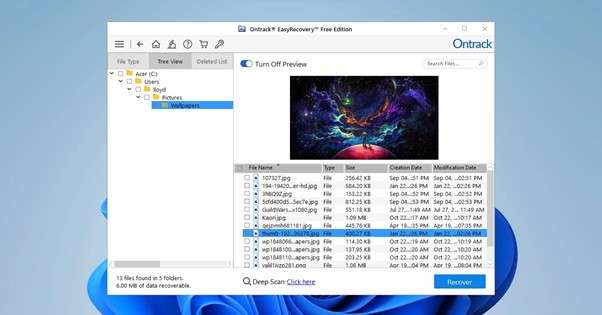
2-7. Ontrack EasyRecovery
Ontrack offers an enterprise-level solution that has been adapted for consumer use. This SD card data recovery software is known for its reliability and is a solid choice for recovering business-critical data.
Key Features
- A specific preset for recovering data from external media, including all types of SD cards.
- Includes options to clone or create a backup image of the failing card.
- From a highly trusted vendor, making it ideal for professional or business use.
- Simple, streamlined user workflow from start to finish.
- Higher price point compared to most consumer-focused tools.
- Fewer advanced manual controls compared to a tool like R-Studio.
Part 3. How to Recover Files from an SD Card in an Android Phone
Often, your SD card is inside your Android phone, not connected to a computer. When photos or videos disappear from your phone's gallery, desktop recovery software may struggle to detect the card correctly. A mobile-focused SD card recovery app provides a much safer and more direct solution.
For this task, we recommend Dr.Fone - Data Recovery (Android). It is designed to retrieve deleted data directly from your phone's internal storage or its SD card, eliminating the need for complicated setups or rooting your device.
 Scan Android phones and tablets directly.
- Preview and recover only what you want.
- Supports WhatsApp, photos, videos, contacts, and more.
- Works with 6000+ Android devices.
Here’s how to use Dr.Fone to recover data from an SD card inside your Android phone:
-
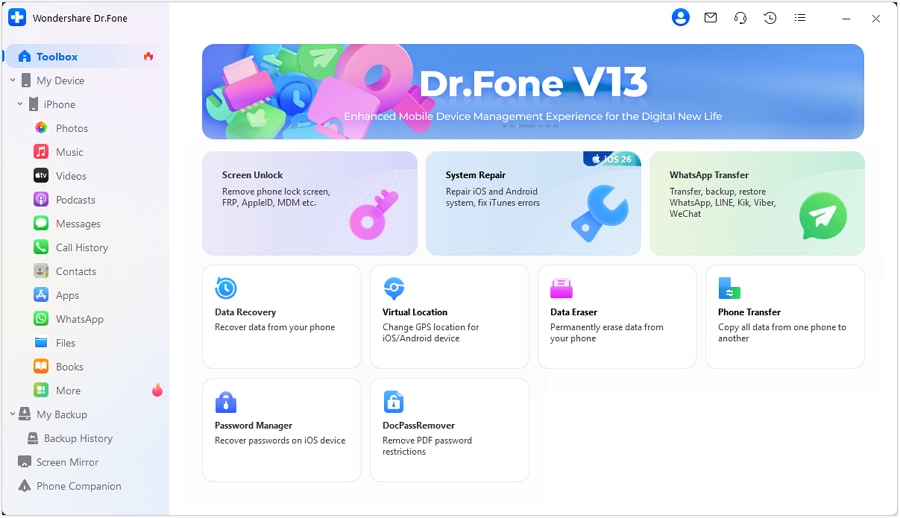
Step 1 Launch Dr.Fone and Select Data Recovery
Download and install Dr.Fone on your computer. Open the program and navigate to Toolbox > Data Recovery.
-
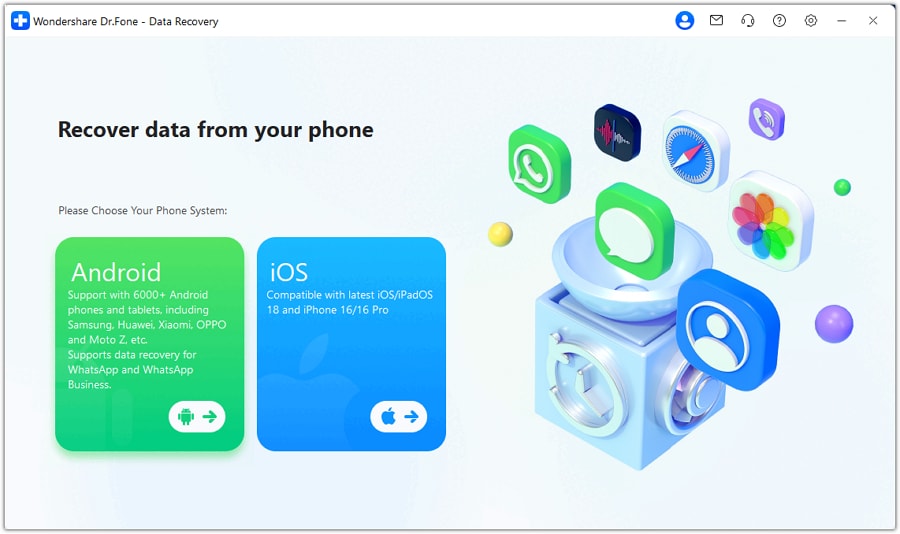
Step 2 Choose the Android Recovery Option
In the Data Recovery module, select 'Android' to begin the process for Android devices.
-
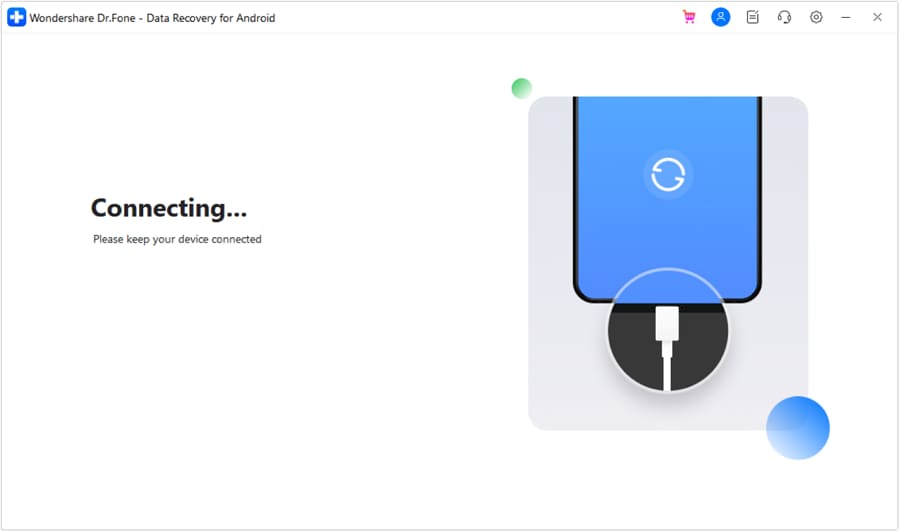
Step 3 Connect Your Android Phone
Connect your phone to the computer with a USB cable. You will be prompted to enable USB Debugging in your phone's Developer Options. This allows Dr.Fone to securely access the data on your SD card for scanning.
-
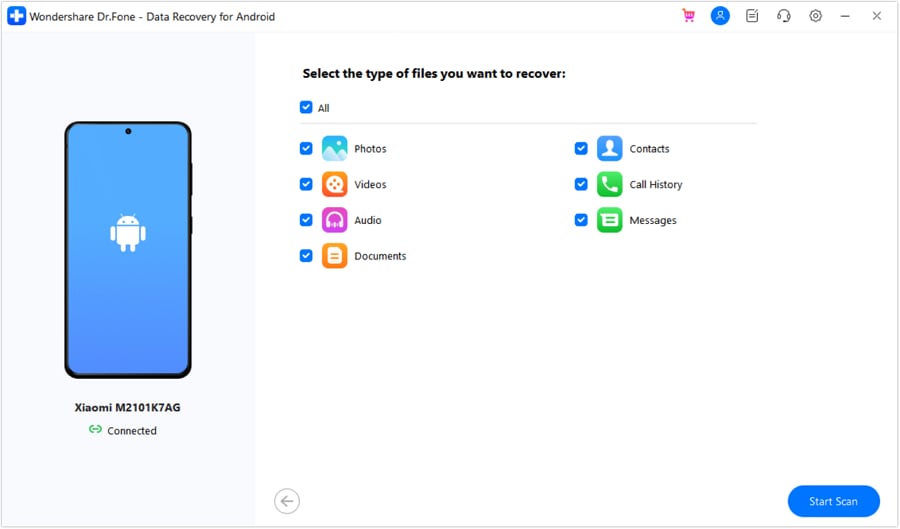
Step 4 Select File Types to Scan
Once your device is connected, Dr.Fone will display a list of data types you can recover, such as photos, videos, documents, and messages. Select the categories you wish to restore and click 'Start Scan'.
-
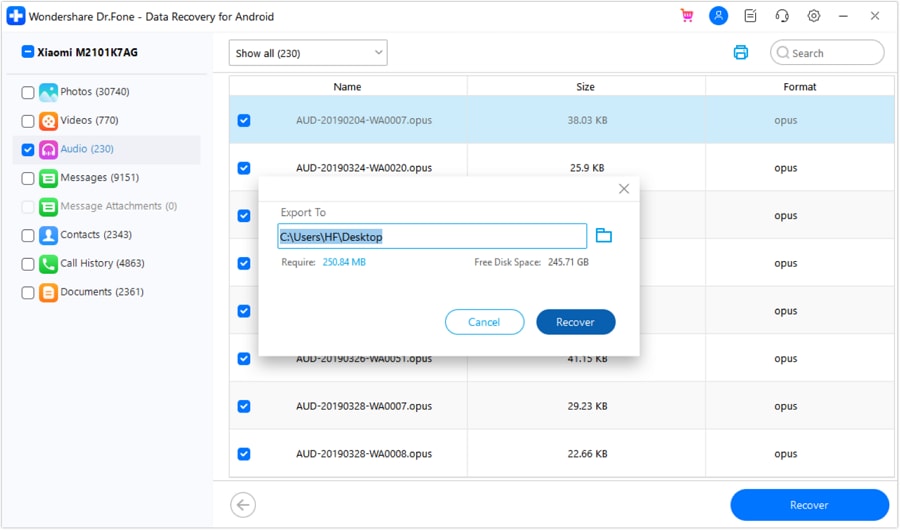
Step 5 Preview and Recover Your Files
After the scan is complete, Dr.Fone will display all the recoverable files. You can preview them, filter the results to show only deleted items, and select the files you want to get back. Click 'Recover' to save them to your computer or 'Restore to Device' to put them back on your phone.
Conclusion
Losing data from an SD card can be stressful, but it's rarely a permanent loss. Whether you opt for a Mac-based SD card recovery tool, a Windows SD data recovery software, or the specialized Android recovery module from Dr.Fone, remember that your missing files are often just out of sight, not gone forever.
For data stored on an SD card inside your phone, Dr.Fone - Data Recovery (Android) offers a streamlined and effective way to restore your memories without technical hassle. Ultimately, the key to successful recovery is acting fast. A quick scan with the right tool can bring your valuable files back to life.




Frequently Asked Questions
-
1. Can I recover data from a formatted SD card?
Yes, recovery is possible from a formatted SD card. Formatting typically removes the file address table but leaves the actual data intact until it is overwritten. A good SD card recovery software can scan the raw data on the card's sectors to find and reconstruct these lost files. For the best results, stop using the card immediately after formatting. -
2. Is it safe to use recovery software on my SD card?
Yes, reputable data recovery tools like those reviewed here are designed to be safe. They operate in a read-only mode, meaning they scan the card without writing any new data to it. This prevents any further damage or overwriting of the files you are trying to recover. Always download software from the official source to avoid malware. -
3. What is the success rate for SD card recovery?
The success rate depends heavily on what happened after the data was lost. If you stopped using the card immediately, the chances of a full recovery are very high (often over 90%). However, if you continued to save new files or take photos, some or all of the lost data may have been overwritten, which significantly reduces the recovery success rate. -
4. Do I need to remove the SD card from my phone to recover files?
Not always. While some tools require you to connect the SD card directly to a computer via a card reader, solutions like Dr.Fone - Data Recovery (Android) are designed to scan the SD card while it is still inside your phone. This can be more convenient and avoids potential damage from handling the card.
 Add Wondershare Dr.Fone as a preferred source on Google