Bypass iCloud Activation Lock and Android FRP without password.

 100% Security Verified | No Subscription Required | No Malware

 :
: 
 ChatGPT
 Perplexity
 Gemini
 Claude
 Grok
Grok
Forgetting your iPhone's screen lock passcode can be incredibly frustrating, instantly cutting you off from your digital life. While iTunes has traditionally been the go-to solution for a factory reset, the process can often be slow and overly complex. Many users seek simpler, more direct alternatives to regain access to their device.
Fortunately, several effective methods exist to erase and reset your locked iPhone without ever needing to launch iTunes. These techniques are safe, require minimal technical expertise, and can get you back into your device swiftly. This guide will walk you through exactly how to factory reset a disabled iPhone, allowing you to restore it to its original settings and start fresh.

In this article
- Part 1. The Easiest Way to Factory Reset a Locked iPhone: Dr.Fone - Screen Unlock (iOS)
- Part 2. Remotely Reset Your iPhone Using the Find My App
- Part 3. Erase Your Locked iPhone via iCloud.com on Any Browser
- Part 4. Using Recovery Mode to Factory Reset Your iPhone
- Part 5. The Siri Trick to Bypass the Lock Screen (iOS 8 – 11 Only)
- Part 6. Bonus: Essential Tips to Prevent Future iPhone Lockouts
Part 1. The Easiest Way to Factory Reset a Locked iPhone: Dr.Fone - Screen Unlock (iOS)
For a fast, reliable, and stress-free solution, a dedicated tool is your best option. Instead of navigating complicated built-in procedures, you can use a specialized program to get the job done efficiently. Dr.Fone - Screen Unlock (iOS) is a leading choice for its safety and simplicity, allowing you to unlock and completely reset your iPhone in just a few clicks.
This powerful software is designed to remove all types of iOS screen locks, including 4/6-digit passcodes, Face ID, and Touch ID. It supports a vast range of iPhone models and iOS versions, ensuring compatibility whether your device is old or new. What truly makes Dr.Fone stand out is its ability to perform a locked iPhone factory reset without iTunes while prioritizing your device's safety. It can also bypass iCloud Activation Lock and remove an Apple ID without needing the password, making it a comprehensive unlocking toolkit.
Key Advantages of Dr.Fone - Screen Unlock (iOS)
- High Success Rate: Delivers consistent results across various lock screen scenarios and iPhone models, ensuring you regain access.
- Unlocks Damaged Screens: Effectively works even if your iPhone's screen is unresponsive or broken, which would prevent other methods from working.
- User-Friendly Process: Completes the entire unlocking and factory reset process in a few simple steps, saving you valuable time and frustration.
 Unlock iPhone/iPad passcode in minutes.
- Remove Face ID, Touch ID, and screen lock.
- Bypass iCloud Activation Lock easily.
- Support all iOS versions and devices.
- Simple steps, no technical skills needed.
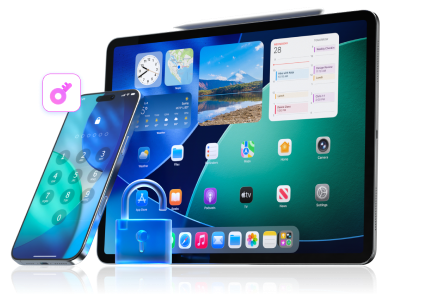
How to Factory Reset Your Locked iPhone with Dr.Fone
The software is designed for everyone, with clear on-screen instructions that require no technical background. Follow these steps to learn how to factory reset your iPhone when locked:
-
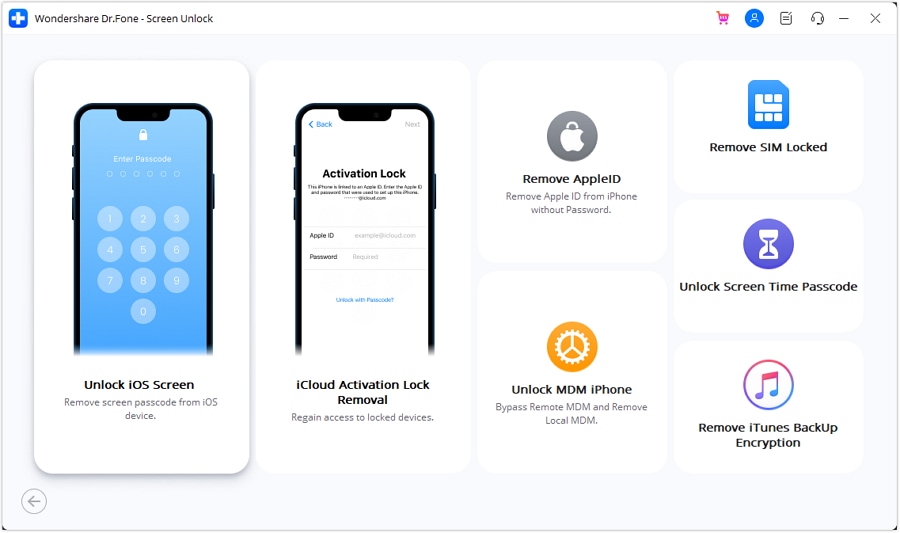
Step 1 Launch Dr.Fone and Select Screen Unlock
Open Wondershare Dr.Fone on your computer and navigate to Toolbox > Screen Unlock. Choose "iOS" as your device type. From the next screen, select "Unlock iOS Screen" and connect your locked iPhone to the computer with a USB cable.
-
Step 2 Put Your iPhone into Recovery Mode
Click the "Start" button. The software will provide on-screen instructions to guide you through putting your specific iPhone model into Recovery Mode. Follow them carefully to proceed.
-
Step 3 Download Firmware and Unlock Your Device
Once your iPhone is in Recovery Mode, Dr.Fone will automatically detect its model. Confirm the "Device Model" and select the correct "System Version" from the dropdown menu. Click "Start" to begin downloading the appropriate iOS firmware. After the download is complete, click "Unlock Now." You will be prompted to enter a confirmation code to proceed with the erasure. Type the code and click "Unlock" to begin the process. Dr.Fone will then remove the screen lock and factory reset your iPhone.
Part 2. Remotely Reset Your iPhone Using the Find My App
If you have another Apple device, like an iPad or a friend's iPhone, you can remotely erase your locked device using the Find My app. This method is incredibly convenient when you don't have immediate access to a computer.
For this to work, the Find My feature must have been enabled on your locked iPhone *before* you were locked out. Here’s how to reset your iPhone without a passcode and computer:
-
Step 1 Open Find My and Select Your Device
On another trusted Apple device, open the Find My app. Tap on the "Devices" tab at the bottom of the screen. From the list, select your locked iPhone.

-
Step 2 Erase the iPhone Remotely
Scroll down through the options and tap "Erase This Device." Press "Continue" to proceed. You will be prompted to enter your Apple ID password to confirm the action, which will trigger the factory reset process on your locked phone.

Part 3. Erase Your Locked iPhone via iCloud.com on Any Browser
If you don't have another Apple device handy but can access a computer or tablet with a web browser, you can use iCloud's website to achieve the same result. This remote erase feature is part of the Find My service and is perfect for managing a lost or inaccessible device.
Like the app method, this requires Find My to be enabled on the locked iPhone. Follow this quick guide to discover how to reset an iPhone that is locked using iCloud:
-
Step 1 Log in to iCloud and Open Find My
On any web browser, go to iCloud.com and sign in with the Apple ID and password associated with your locked iPhone. Once logged in, click on the "Find My" icon.

-
Step 2 Select and Erase Your iPhone
You may need to enter your password again. A map will appear showing your devices' locations. Click on "All Devices" at the top of the screen and select your locked iPhone from the list. In the device window that pops up, click "Erase iPhone." Follow the prompts and enter your password to confirm and start the factory reset.


Part 4. Using Recovery Mode to Factory Reset Your iPhone
Another powerful way to restore your iPhone is by putting it into Recovery Mode. This is a special troubleshooting state that allows a computer to communicate with your device to perform a system restore. On Macs running macOS Catalina or newer, you'll use Finder for this process, which effectively replaces iTunes for device management.
This method is particularly useful when your phone is completely unresponsive or disabled. Here are the instructions on how to factory reset an iPhone that is locked via Recovery Mode:
-
Step 1 Connect to Computer and Enter Recovery Mode
Open Finder on your Mac and connect your locked iPhone using a USB cable. Once connected, you'll need to manually put the device into Recovery Mode. The button combination varies by model:
- iPhone 8 or Later: Quickly press and release the Volume Up button, then quickly press and release the Volume Down button. Finally, press and hold the Side button until you see the Recovery Mode screen.
- iPhone 7/7 Plus: Press and hold both the Volume Down and the Sleep/Wake buttons simultaneously. Keep holding them until the Recovery Mode screen appears.
- iPhone 6s or Earlier: Press and hold both the Home and the Sleep/Wake buttons at the same time. Continue holding until the Recovery Mode screen is displayed.

-
Step 2 Restore Your iPhone via Finder
Once your iPhone is in Recovery Mode, a pop-up window will appear in Finder stating that there is a problem with the device. You will be given two options: Update or Restore. Select "Restore" and follow the on-screen instructions to download the latest software and factory reset your iPhone.

- Effective for unresponsive or disabled iPhones.
- Doesn't require the passcode or iTunes (on newer Macs).
- Directly installs the latest version of iOS.
- Erases all data and settings permanently.
- Requires your Apple ID password for setup afterward.
- May not work if there are hardware issues.
Part 5. The Siri Trick to Bypass the Lock Screen (iOS 8 – 11 Only)
For users with much older iPhones, there's an unconventional workaround involving a Siri loophole that existed in iOS versions 8 through 11. It's important to understand this is not a factory reset; it's a temporary bypass that grants limited access to the device's home screen by exploiting a security flaw that has long been patched by Apple.
This method is unreliable and should be considered a last resort. Here are the steps for this trick on how to reset an iPhone without an Apple ID password or computer:
-
Step 1 Activate Siri and Ask for the Time
From the locked screen, press and hold the Home button to activate Siri. Ask, "What time is it?". Siri will display a clock. Tap on the clock icon.

-
Step 2 Access the Sharing Options
In the World Clock screen, tap the "+" icon to add a new clock. In the search bar, type anything and then long-press the text to bring up options. Choose "Select All" and then tap "Share."

-
Step 3 Bypass to the Home Screen
From the sharing menu, select the Message app. In the "To:" field of the new message, paste the text. After a moment, press the Home button. If the exploit works, you should be taken to the iPhone's home screen, bypassing the lock.

Part 6. Bonus: Essential Tips to Prevent Future iPhone Lockouts
Dealing with a locked iPhone is a hassle. By adopting a few proactive habits, you can significantly reduce the risk of it happening again. Here are some practical tips to safeguard your device and data:
- Use Biometrics: Set up Face ID or Touch ID as your primary unlocking method. It’s faster, more secure, and reduces reliance on your passcode.
- Regular Backups: Enable automatic iCloud backups or manually back up your iPhone to a computer regularly. A recent backup is your only safety net for restoring data after a factory reset.
- Password Manager: Store your passcode and Apple ID credentials in a secure password manager. This prevents you from forgetting critical information.
- Enable Two-Factor Authentication (2FA): Adding this extra layer of security to your Apple ID makes it harder for unauthorized users to access your account, even if they have your password.
- Stay Updated: Always install the latest iOS updates. These updates often include critical security patches that protect your device from vulnerabilities.
Conclusion
Knowing how to factory reset a locked iPhone without iTunes gives you several powerful options when you're locked out. While free methods like iCloud and Recovery Mode are viable, they come with prerequisites like having Find My enabled or knowing your Apple ID. For a guaranteed, user-friendly solution that handles all scenarios, Dr.Fone - Screen Unlock (iOS) is the most reliable choice. It simplifies the entire process, ensuring you can regain access to your device quickly and safely, regardless of the circumstances.
Frequently Asked Questions
-
1. Can I factory reset a locked iPhone without losing my data?
No, a factory reset by definition erases all data, settings, and apps on your device. The only way to recover your personal information after a reset is by restoring it from a backup you made previously, either through iCloud or on a computer. -
2. What is the difference between using iCloud and Recovery Mode to reset my iPhone?
iCloud is a remote method that requires your iPhone to be online and have the "Find My" feature enabled before it was locked. Recovery Mode is a physical method that requires connecting your iPhone to a computer; it works even if "Find My" is turned off but will still require your Apple ID password to disable Activation Lock after the reset. -
3. What happens if I don’t remember my Apple ID password after the factory reset?
After a factory reset, your iPhone will be protected by Activation Lock, which requires your Apple ID and password to proceed with setup. If you can't remember them, you will be stuck on this screen. You'll need to use Apple's account recovery process or a specialized tool like Dr.Fone - Screen Unlock, which includes a feature to bypass Activation Lock. -
4. Does factory resetting a locked iPhone also remove the carrier lock?
No, a factory reset does not affect the SIM or carrier lock. The reset only erases your personal data and settings from the device's software. The iPhone will remain locked to its original cellular carrier, and you will need to contact the carrier to have it unlocked.
 Add Wondershare Dr.Fone as a preferred source on Google