Bypass iCloud Activation Lock and Android FRP without password.

 100% Security Verified | No Subscription Required | No Malware

 :
: 
 ChatGPT
 Perplexity
 Gemini
 Claude
 Grok
Grok

I completely forgot the new passcode I set on my iPhone, and now I'm locked out. How can I bypass the iPhone passcode without losing everything?
A Concerned iPhone User
It's a frustrating situation that happens to many people: being locked out of your own iPhone. Whether you've forgotten a newly changed passcode or entered the wrong one too many times, the result is the same—an inaccessible device. Fortunately, several methods exist to help you regain access.
This guide details four proven ways to bypass an iPhone passcode in 2026. We'll cover everything from user-friendly software to Apple's official procedures, helping you choose the best solution for your situation. Note that most reliable methods will erase your device's data for security reasons, making a recent backup invaluable.
In this article
- Part 1. The Easiest Way: Bypass iPhone Passcode with Dr.Fone - Screen Unlock
- Part 2. The Official Way: Bypass iPhone Passcode with iTunes or Finder
- Part 3. The Loophole Way: Bypass iPhone Passcode with Siri (iOS 8.0 – 10.1 Only)
- Part 4. The Forensic Way: Using Elcomsoft iOS Forensic Toolkit
- Part 5. Comparison of the iPhone Passcode Bypass Methods
Part 1. The Easiest Way: Bypass iPhone Passcode with Dr.Fone - Screen Unlock
When you need a reliable and straightforward solution, Dr.Fone - Screen Unlock (iOS) stands out as the premier choice. This powerful tool is designed to remove any type of lock screen—be it a 4/6-digit passcode, Touch ID, or Face ID—in just a few minutes. It works seamlessly with all major iPhone models and the latest iOS versions, including iOS 17.
The primary advantage of Dr.Fone is its simplicity; you don't need any technical skills to use it. The software guides you through each step. However, it's crucial to understand that for security reasons, bypassing the passcode will erase all data on your device. Therefore, it's highly recommended to have a backup of your data before proceeding.
 Unlock iPhone/iPad passcode in minutes.
- Remove Face ID, Touch ID, and screen lock.
- Bypass iCloud Activation Lock easily.
- Support all iOS versions and devices.
- Simple steps, no technical skills needed.
Follow these detailed steps to perform an iPhone bypass using Dr.Fone - Screen Unlock.
-
Step 1 Download and Launch Dr.Fone
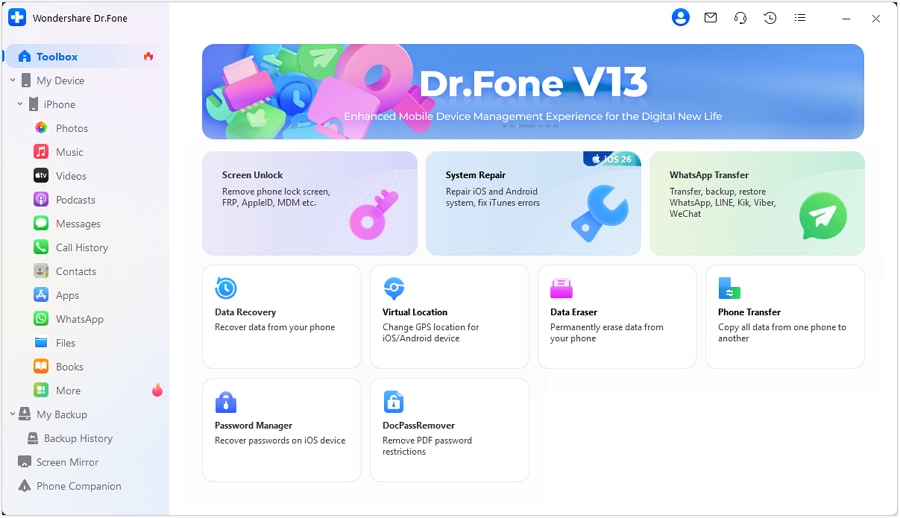
First, download and install Dr.Fone on your Windows or Mac computer. Launch the program and select the "Screen Unlock" module from the main toolbox.
-
Step 2 Connect Your iPhone and Select Mode
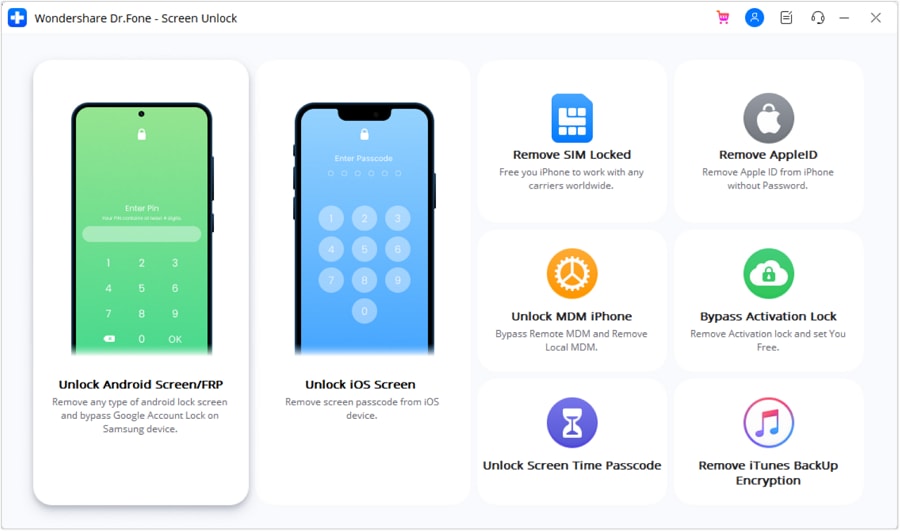
Connect your locked iPhone to the computer using a USB cable. On the next screen, choose the "Unlock iOS Screen" option to begin the process.
-
Step 3 Boot Your iPhone into DFU Mode
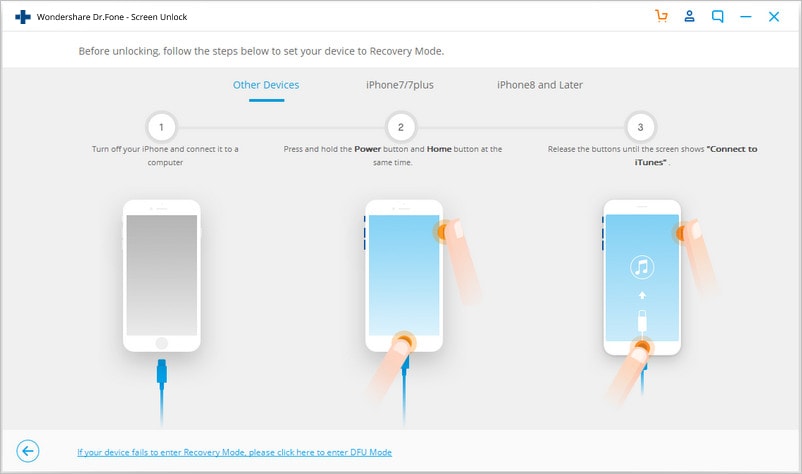
The software will now require you to put your iPhone into Device Firmware Update (DFU) or Recovery mode. Follow the clear on-screen instructions specific to your iPhone model to do this correctly.
-
Step 4 Confirm Device Information and Download Firmware
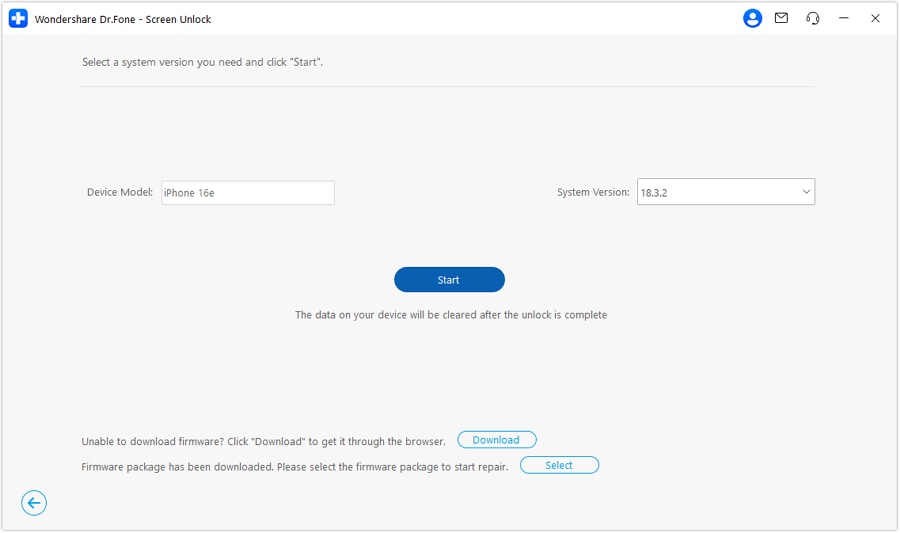
Once your device is in DFU mode, Dr.Fone will detect its model and iOS version. Verify that this information is correct, then click the "Download" button to get the appropriate firmware for your device.
-
Step 5 Begin the Unlock Process
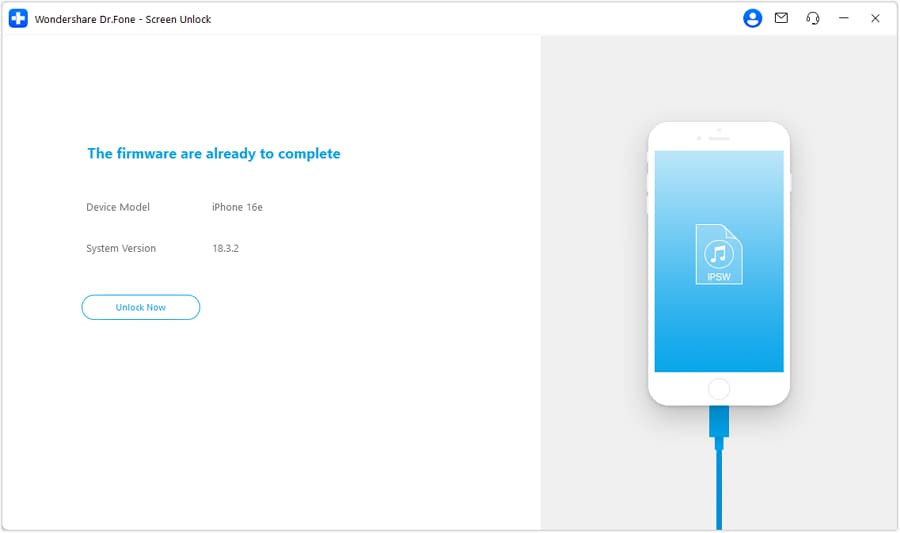
After the firmware has been downloaded and verified, click the "Unlock Now" button. A confirmation prompt will appear. You'll need to enter the displayed code to confirm that you understand the process will erase your data.
-
Step 6 Complete the iPhone Passcode Bypass
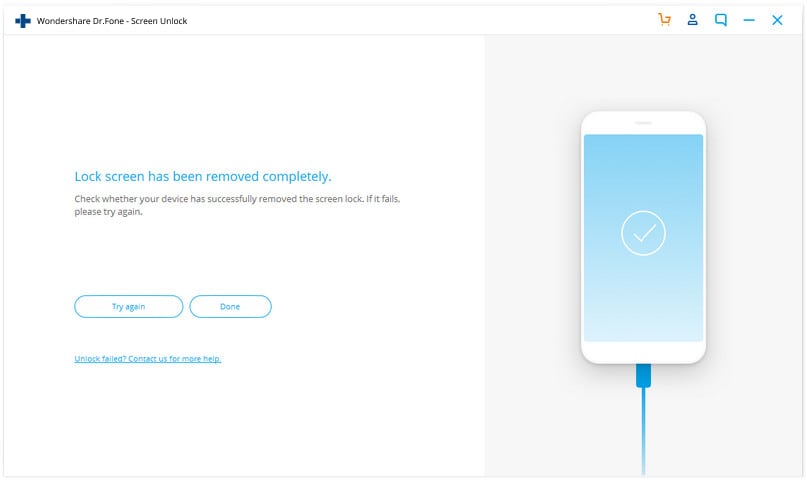
Dr.Fone will now begin removing the lock screen. This process takes a few minutes, so ensure your phone remains connected. Once finished, a notification will appear on the screen, and your iPhone will restart without a passcode, ready for you to set up as new or restore from a backup.
Part 2. The Official Way: Bypass iPhone Passcode with iTunes or Finder
Apple's official method for bypassing a forgotten passcode is to restore your iPhone using iTunes (on Windows or older macOS versions) or Finder (on macOS Catalina and newer). This method effectively erases your device and its passcode, allowing you to regain access. Like the Dr.Fone method, this will wipe all your data, but if you have a recent iCloud or computer backup, you can restore your data during the setup process.
-
Step 1 Enter Recovery Mode
First, turn off your iPhone. Then, connect it to your computer while holding the correct button for your model to enter Recovery Mode:
- iPhone 8 or later: Press and hold the Side button.
- iPhone 7/7 Plus: Press and hold the Volume Down button.
- iPhone SE (1st gen) and iPhone 6s or earlier: Press and hold the Home button.
Keep holding the button until you see the Recovery Mode screen on your iPhone (it shows a computer icon and a cable).

-
Step 2 Locate Your Device in iTunes or Finder
Open iTunes or Finder on your computer. A message will pop up, stating, "There is a problem with the iPhone that requires it to be updated or restored."
-
Step 3 Restore Your iPhone
Click the "Restore" option. Your computer will download the necessary software for your iPhone and begin the restoration process. This will erase all content and settings, including the passcode.

-
Step 4 Set Up Your iPhone
Once the restore process is complete, your iPhone will restart. You can now set it up as a new device or restore your data and settings from a backup.

Part 3. The Loophole Way: Bypass iPhone Passcode with Siri (iOS 8.0 – 10.1 Only)
For users with much older devices, a well-known security loophole involving Siri allowed bypassing the lock screen on iPhones running iOS 8.0 to iOS 10.1. This method is essentially obsolete for modern devices but can be a useful trick if you have an old iPhone you need to access without erasing it. Unlike other methods, this one does not delete your data.

-
Step 1 Activate Siri and Ask for the Time
Press and hold the Home button to activate Siri. Ask, "Siri, what time is it?" Siri will display the current time. Tap the clock icon.

-
Step 2 Add a New Clock
This opens the World Clock screen. Tap the '+' icon in the top-right corner to add a new clock.

-
Step 3 Share the Clock via Message
In the search bar, type any text and tap "Select All". From the options that appear, choose "Share...". In the sharing menu, select the Message app icon.

-
Step 4 Create a New Contact
In the 'To:' field of the new message, type something and tap the return key. The text will turn green. Tap it, then tap the '+' icon. From the next screen, choose "Create New Contact".

-
Step 5 Access the Home Screen
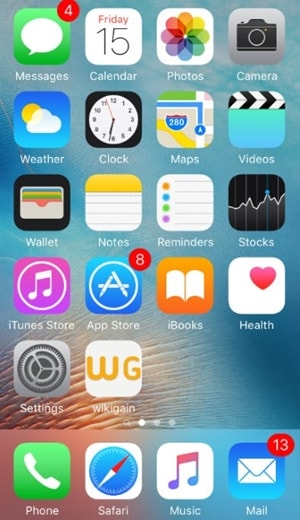
On the new contact screen, tap "add photo" and then "Choose Photo". This will open your photo library. Wait a few seconds, then press the Home button. You should be taken directly to the home screen, bypassing the passcode.
Part 4. The Forensic Way: Using Elcomsoft iOS Forensic Toolkit
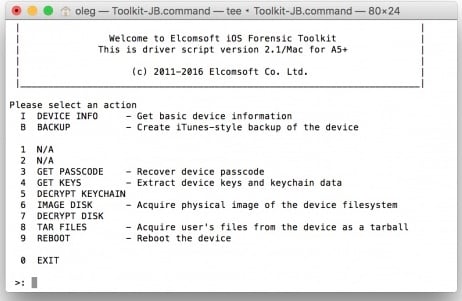
For tech-savvy users or professionals, specialized software like the Elcomsoft iOS Forensic Toolkit offers advanced methods for accessing locked devices. This is not a typical consumer tool; it's designed for law enforcement and digital forensics experts.
The toolkit can extract passcodes from some older devices or perform complex data extractions. Using it requires significant technical knowledge and a purchased license. For the average user, this method is overly complicated and expensive. It works by running an encrypted command to retrieve the passcode directly. While powerful, it remains a niche solution best left to professionals.
Part 5. Comparison of the iPhone Passcode Bypass Methods
To help you decide which method is right for you, here is a quick comparison of the four options discussed.
| Method | Data Erased? | Ease of Use | Requirements | Best For |
|---|---|---|---|---|
| Dr.Fone - Screen Unlock | Yes | Very Easy | Computer (Win/Mac) | Most users seeking a fast, reliable solution. |
| iTunes / Finder | Yes | Moderate | Computer, Apple ID (sometimes) | Users who prefer Apple's official method. |
| Siri Loophole | No | Easy | iPhone with iOS 8.0-10.1 | Users with very old, specific iOS devices. |
| Elcomsoft Toolkit | No (extracts passcode) | Very Difficult | Computer, licensed software, technical skill | Forensic professionals and advanced users. |
Conclusion
Forgetting your iPhone passcode can be stressful, but regaining access is entirely possible. We've explored four distinct methods to bypass the iPhone lock screen. For most users, Dr.Fone - Screen Unlock offers the best balance of simplicity, speed, and reliability, making it the top recommendation. The iTunes/Finder method is a solid, free alternative if you're comfortable with Apple's software. Meanwhile, the Siri and Elcomsoft methods serve very specific, niche use cases and are not practical for the majority of people in 2026.
FAQ
-
1. Will bypassing my iPhone passcode erase my data?
For modern iPhones, yes. Any method that effectively removes the passcode, such as using Dr.Fone or iTunes/Finder, will erase all data on the device for security purposes. This is an intentional security feature by Apple. The only way to preserve your data is to restore it from a backup made before you were locked out. -
2. Can I bypass the iPhone passcode without a computer?
Generally, no. All reliable methods for bypassing the lock screen on a disabled iPhone require a connection to a Windows or Mac computer. Services that claim to unlock your iPhone remotely without a computer are often scams and should be avoided. -
3. What is the difference between Recovery Mode and DFU mode?
Recovery Mode is a failsafe that allows your device to communicate with iTunes/Finder to reinstall or update iOS. It still uses the bootloader (iBoot). DFU (Device Firmware Update) mode is a deeper level of restore that bypasses the bootloader, allowing you to change the firmware. DFU mode is often used for more complex issues like downgrading iOS or jailbreaking, but both modes can be used to restore a locked iPhone. -
4. Is it legal to bypass an iPhone passcode?
It is perfectly legal to bypass the passcode on an iPhone that you personally own. However, attempting to bypass the passcode on a device that does not belong to you without the owner's explicit permission is illegal and a serious invasion of privacy. Always ensure you have the legal right to access the device.
 Add Wondershare Dr.Fone as a preferred source on Google