Bypass iCloud Activation Lock and Android FRP without password.

 100% Security Verified | No Subscription Required | No Malware

 :
: 
 ChatGPT
 Perplexity
 Gemini
 Claude
 Grok
Grok
Forgetting your iPhone passcode can be a stressful experience, locking you out of your digital life. The situation gets more critical if you repeatedly enter the wrong code, as your iPhone will become disabled for security reasons. Whether it's a 4-digit code, a 6-digit code, Touch ID, or Face ID that's failing, you need a reliable way to regain access.
If you've forgotten the passcode on your iPhone, your device is essentially limited to making emergency calls. The primary solution recommended by Apple is to erase your device, which removes the lock screen but also all your data. Fortunately, several methods are available to handle this situation. This guide will walk you through the most effective solutions, from Apple's official procedures to a powerful third-party tool like Dr.Fone - Screen Unlock.
In this article
Part 1. Can You Unlock an iPhone if You Forgot the Passcode?
Yes, it is absolutely possible to unlock an iPhone even when you've forgotten the passcode. However, Apple's robust security measures mean that this process almost always involves erasing the device's data to protect your privacy. Think of it as a factory reset that removes the passcode along with everything else.
While this might sound drastic, it's a necessary security protocol. If you have a recent backup in iCloud or on a computer, you can easily restore your data after unlocking the device. We will explore several methods to achieve this, including official Apple procedures and a more straightforward third-party solution.
Part 2. 5 Effective Methods to Unlock Your iPhone Without a Passcode
Here are the top methods to regain access to your device if you forgot your iPhone passcode. Choose the one that best fits your situation.
Method 1: Use iCloud's 'Find My' Feature
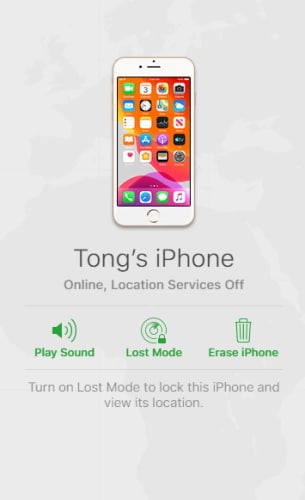
If you had the 'Find My' feature enabled on your iPhone before you got locked out, you can use iCloud to remotely erase your device and remove the passcode. This method requires your iPhone to be connected to the internet (Wi-Fi or cellular) and for you to know your Apple ID credentials.
-
Step 1 Log in to iCloud
On any web browser, navigate to iCloud.com and sign in using your Apple ID and password.
-
Step 2 Erase Your iPhone
Click on the "Find iPhone" icon. In the map view, select "All Devices" at the top and choose the locked iPhone from the list. Click "Erase iPhone" and follow the prompts to confirm. This will wipe your device and remove the passcode, allowing you to set it up again.
Method 2: Restore with iTunes/Finder in Recovery Mode
Using Recovery Mode is Apple's standard procedure for unlocking an iPhone without the passcode. This process erases all data, so having a backup is essential if you wish to restore your information later. You'll need a computer (PC or Mac) for this method.
-
Step 1 Enter Recovery Mode
First, turn off your iPhone. The next step depends on your model:
- iPhone 8 or later: Press and hold the Side button while immediately connecting your iPhone to the computer. Keep holding the button until the recovery mode screen appears.
- iPhone 7/7 Plus: Press and hold the Volume Down button while immediately connecting your iPhone to the computer. Don't let go until you see the recovery mode screen.
-
Step 2 Restore Your iPhone
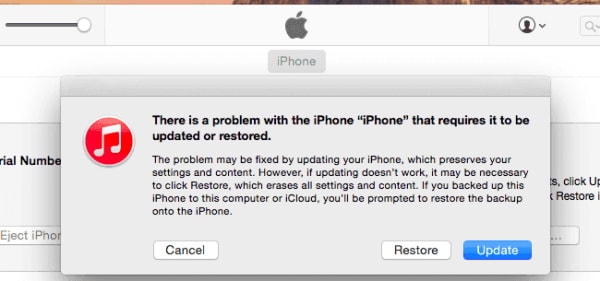
Once your device is in recovery mode, open iTunes (on older Macs or PCs) or Finder (on macOS Catalina and later). A dialog box will appear, stating there's an issue with your iPhone. Choose the "Restore" option. Your computer will download the necessary software and restore your iPhone to its factory settings.
-
Step 3 Set Up Your Device
Wait for the restore process to complete. Your iPhone will restart as a new device. Follow the on-screen instructions to set it up. You'll have the option to restore from a backup during this process.
Method 3: Use the 'Erase iPhone' Option on the Lock Screen
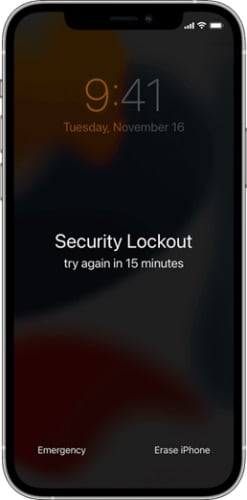
For iPhones running iOS 15.2 or a later version, Apple introduced a more convenient way to erase your device directly from the lock screen after multiple failed passcode attempts. This requires the device to be connected to a Wi-Fi or cellular network.
After several incorrect entries, your iPhone will be disabled and will display an "Erase iPhone" option in the bottom corner of the screen. Tap it, then tap it again to confirm. You will then be prompted to enter your Apple ID password to sign out of your account. The device will then proceed to erase all its content and settings, including the passcode.
Method 4: Attempt the Siri Bypass (for Older iOS)
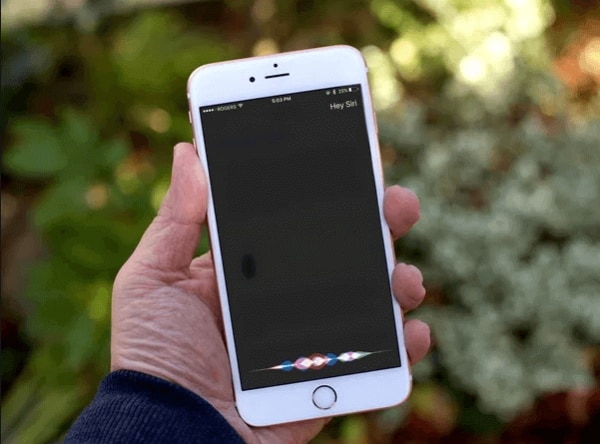
This method is more of a historical loophole than a reliable solution. It exploited a bug in iOS versions from 8.0 to 10.1, allowing users to bypass the lock screen using Siri. It is highly unlikely to work on any modern iPhone.
The process involved activating Siri, asking it to perform certain tasks like setting a reminder, and then navigating through the Reminders app to access the home screen. However, Apple patched this vulnerability years ago. Unless you are using a very old, un-updated iPhone, this method will not be effective and is not recommended.
Method 5: Dr.Fone - Screen Unlock (Recommended)
If the above methods seem complicated or don't work for you, a professional iPhone unlocking tool like Dr.Fone - Screen Unlock (iOS) offers a streamlined solution. It is designed to remove any type of screen lock—be it a 4/6-digit passcode, Face ID, or Touch ID—in just a few simple steps. It works even if you don't have iTunes or can't remember your Apple ID password for other methods.
-
Step 1 Launch Dr.Fone and Connect Your iPhone
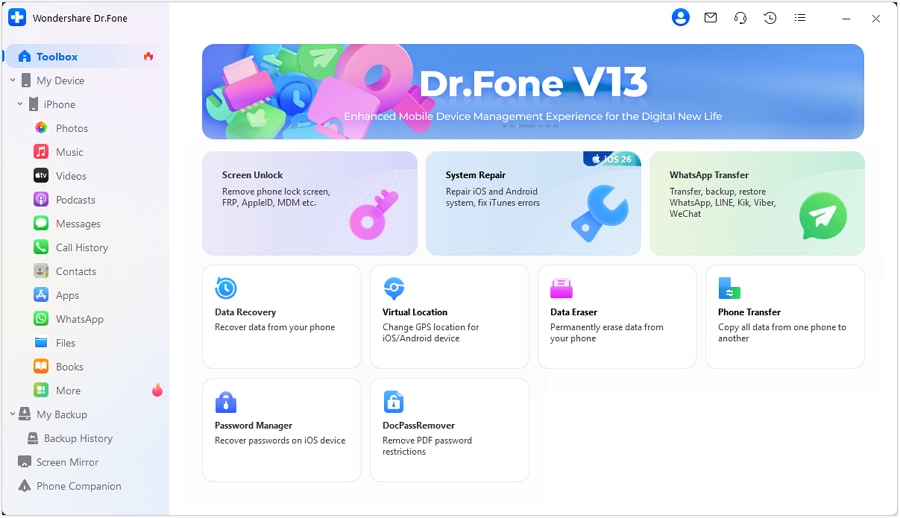
Download and install Dr.Fone on your computer. Open the program and select "Screen Unlock" from the main toolkit. Connect your iPhone to the computer with a USB cable and click "Unlock iOS Screen" to begin.
-
Step 2 Boot Your iPhone into DFU/Recovery Mode
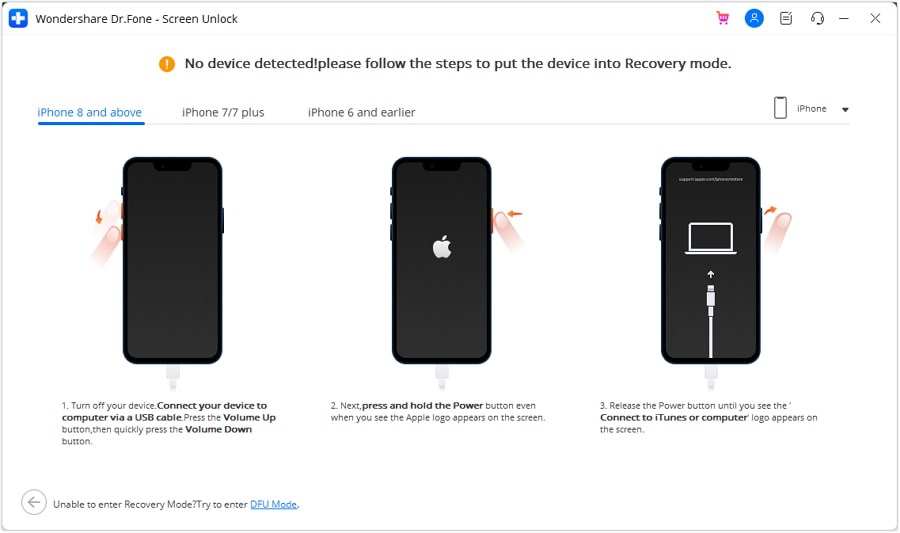
Follow the clear, animated on-screen instructions provided by Dr.Fone to put your specific iPhone model into DFU or Recovery mode. This step is necessary for the software to access and unlock your device's system.
-
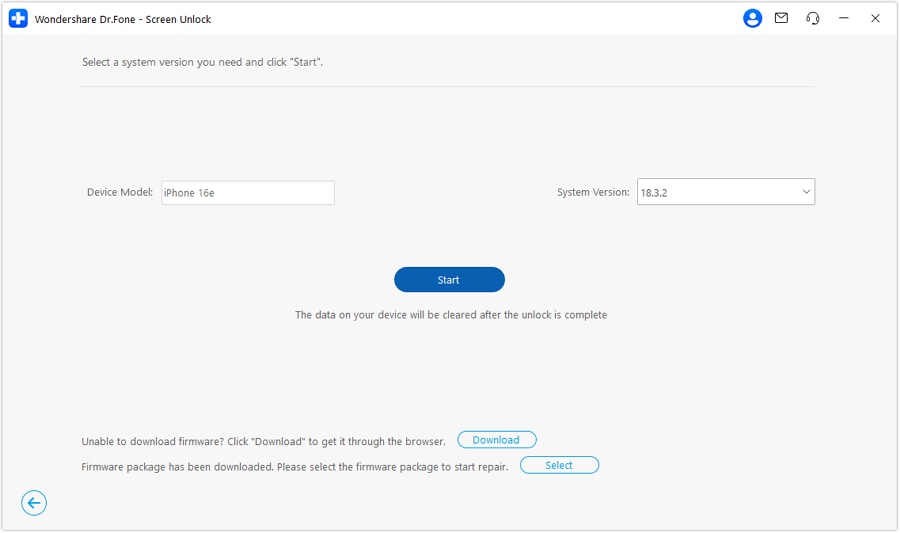
Step 3 Confirm Device Information and Download Firmware
Once in the correct mode, Dr.Fone will automatically detect your device model and iOS version. Verify that this information is correct, then click "Download" to get the appropriate firmware package for your iPhone.
-
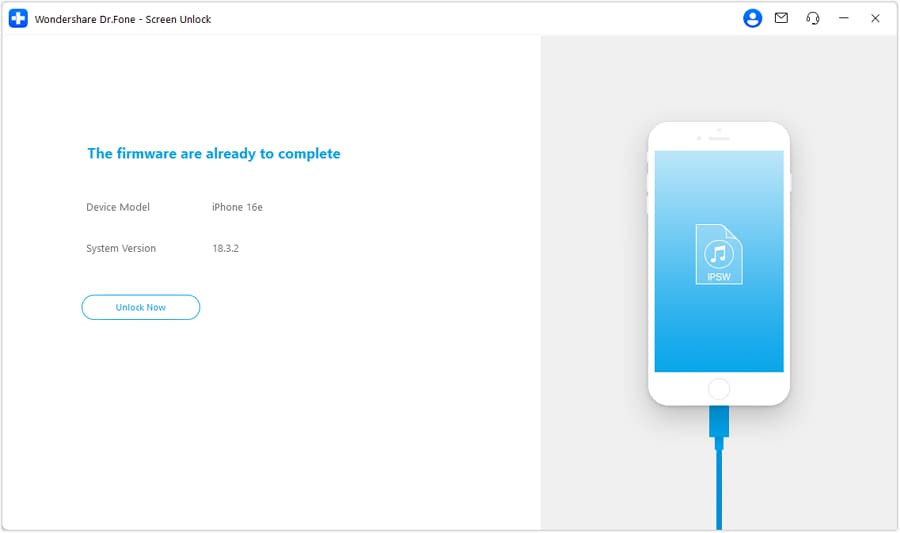
Step 4 Unlock Your iPhone Screen
After the firmware download is complete, click "Unlock Now." Dr.Fone will begin the process of removing the lock screen. In a few minutes, your iPhone will restart without any passcode. Note that this process will also erase your device's data, which is a necessary security measure.




Part 3. Proactive Tip: How to Manage or Change Your iPhone Passcode
Once you regain access to your iPhone, it's a good idea to set a new passcode that is both secure and memorable. You can also turn the passcode off, although this is not recommended as it leaves your data vulnerable. Here’s how to manage it:
-
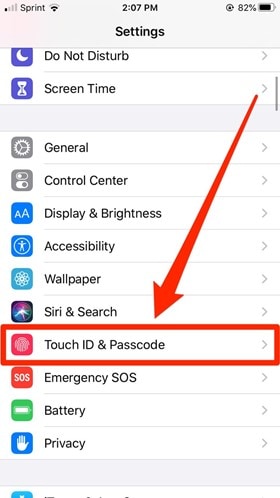
Step 1 Go to Settings
Open the Settings app on your iPhone. Scroll down and tap on "Face ID & Passcode" (on newer iPhones) or "Touch ID & Passcode" (on iPhones with a Home button).
-
Step 2 Enter Your Current Passcode
You will be prompted to enter your current passcode to access these settings.
-
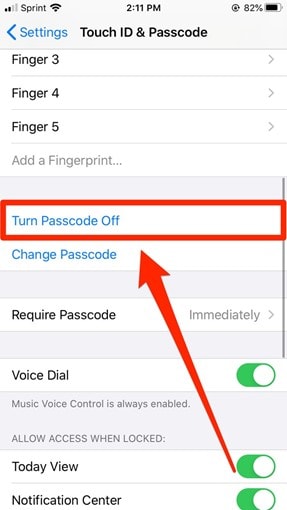
Step 3 Change or Turn Off Passcode
Scroll down to find the options. Tap "Change Passcode" to set a new one, or tap "Turn Passcode Off" to disable it. If you choose to turn it off, you'll need to confirm your decision.
Conclusion
Forgetting your iPhone passcode is a common issue, but it doesn't mean you've lost access to your device forever. While Apple's official methods like iCloud and Recovery Mode are effective, they require specific conditions to be met and always result in data loss. For a more direct and reliable approach, Dr.Fone - Screen Unlock stands out as the best solution. It provides a guided, user-friendly process to unlock any iPhone, ensuring you can get back into your device quickly. No matter which method you choose, remember the importance of regular backups to safeguard your valuable data.
FAQ
-
1. Will unlocking my iPhone without the passcode erase my data?
Yes, virtually all methods for bypassing a forgotten iPhone passcode, including official Apple solutions and third-party tools like Dr.Fone, will erase all data on the device. This is a mandatory security feature to protect your personal information from unauthorized access. Restoring from a backup is the only way to recover your data afterward. -
2. What if I forgot my iPhone passcode AND my Apple ID password?
This is a tricky situation. You can still use Dr.Fone - Screen Unlock or iTunes Recovery Mode to remove the screen passcode, as they don't require the Apple ID password for that step. However, after the reset, you might be faced with the iCloud Activation Lock, which requires your Apple ID and password to proceed. You would need to recover your Apple ID password through Apple's official recovery process first. -
3. What is the difference between Recovery Mode and DFU Mode?
Recovery Mode is a standard troubleshooting state that allows iTunes or Finder to communicate with your iPhone and restore the operating system. DFU (Device Firmware Update) mode is a deeper level of restoration that bypasses the current OS entirely. Dr.Fone guides you through the necessary mode, but Recovery Mode is sufficient for most screen unlock situations. -
4. How can I avoid forgetting my iPhone passcode in the future?
To prevent this, consider using a password manager to securely store your passcode. Alternatively, choose a code that is memorable to you but difficult for others to guess. Fully setting up Face ID or Touch ID also reduces how often you need to manually enter the passcode, making it less likely to be forgotten.
 Add Wondershare Dr.Fone as a preferred source on Google