Transfer WhatsApp Swiftly between iOS and Android.

 100% Security Verified | No Subscription Required | No Malware

 :
: 
 ChatGPT
 Perplexity
 Gemini
 Claude
 Grok
Grok
Have you been receiving unexpected WhatsApp calls or messages from numbers starting with the 234 country code? If so, you're not the only one. This sudden contact from an unfamiliar international number can be unsettling, sparking concerns about potential scams and security risks.
Many users wonder why they are being targeted and what dangers these calls might pose. Fortunately, you've come to the right place for answers. This comprehensive guide will demystify everything related to the 234 country area code. We will delve into common WhatsApp scams, explain the associated risks, and provide actionable steps to identify and avoid them. Additionally, we will introduce a reliable method for backing up your important WhatsApp data using the Dr.Fone - WhatsApp Transfer toolkit.
In this article
- Part 1. What Does the 234 Country Code Mean on WhatsApp?
- Part 2. Common Reasons for Receiving WhatsApp Calls From +234
- Part 3. Recognizing Typical WhatsApp Calling Scams
- Part 4. Potential Risks Associated With the 234 International Area Code
- Part 5. How to Identify and Avoid Scams From the 234 Country Code
- Part 6. Bonus Tip: Secure Your Chats with Dr.Fone - WhatsApp Transfer
Part 1. What Does the 234 Country Code Mean on WhatsApp?
The 234 country code is the international direct dialing code assigned to Nigeria. When you see a number on WhatsApp beginning with +234, it signifies that the phone number is registered in this West African nation. This functions just like +1 for the United States or +44 for the United Kingdom.
When a user in Nigeria registers for WhatsApp with their local phone number, the application automatically prefixes it with +234 to enable international communication. This is the standard protocol for all country codes on the platform. However, it's important to remember that the physical location of the user does not always correspond to the number's country code. With global roaming and virtual SIMs, someone using a Nigerian number could be located anywhere in the world.
Part 2. Common Reasons for Receiving WhatsApp Calls From +234
Receiving an unexpected call from a number with the international phone code 234 can be perplexing. The reasons behind these calls can range from completely benign to malicious. Here is a breakdown of the most common possibilities:
- Legitimate Personal Contact: It's possible a friend, family member, or business acquaintance from Nigeria is trying to reach you. Consider if you have any connections in the country.
- Business or Professional Inquiries: If you conduct business internationally, the call could be from a potential client, partner, or supplier based in Nigeria.
- E-commerce and Shipping Updates: If you've ordered goods from a Nigerian vendor or are expecting a package routed through the country, the call might be a legitimate delivery notification.
- Social Media Connection: If your phone number is publicly visible on social media profiles, someone from Nigeria may have found it and decided to make contact.
- Accidental Dialing: Simple human error could be the cause. Someone may have misdialed a number and inadvertently called yours, especially if it's similar to their intended contact.
- Marketing and Spam: Some Nigerian companies use WhatsApp for telemarketing to promote their services or products, leading to unsolicited calls.
- Fraudulent Scam Attempts: Unfortunately, a significant portion of these calls are from scammers attempting to deceive you into revealing personal information or sending them money. This is the most critical category to be aware of.
Part 3. Recognizing Typical WhatsApp Calling Scams
Scammers frequently exploit WhatsApp's global reach, and numbers using the 00234 country code are often reported in fraudulent activities. Awareness is your first line of defense. Here are some of the most prevalent scams to watch out for:
- Fake Lottery or Prize Winnings: You receive a message or call informing you that you've won a substantial lottery prize. To claim your winnings, you're required to first pay a processing fee or tax, after which the scammer vanishes.
- High-Yield Investment Fraud: Scammers present an investment opportunity with guaranteed, unrealistic returns. They pressure you to make an initial deposit and then disappear with your money.
- Family Emergency Scams: A fraudster impersonates a friend or family member in distress, claiming they need money urgently for a medical emergency or legal trouble. They leverage your emotions to compel a quick, unverified payment.
- Romance Scams: The scammer builds an online relationship with you over time, gaining your trust. Eventually, they fabricate a personal crisis and ask for financial assistance.
- Fraudulent Charity Appeals: Scammers pose as representatives of a legitimate or entirely fake charity, soliciting donations for a recent disaster or humanitarian cause.
- Bogus Job Offers: You are offered an attractive job, often abroad, but are told you must first pay for a visa, background check, or training materials. The job is non-existent.
- Account Takeover Scams: The caller tricks you into sharing your six-digit WhatsApp verification code, which allows them to hijack your account and potentially impersonate you to scam your contacts.
- Police Impersonation Fraud: A scammer pretends to be a law enforcement officer, alleging that you are implicated in a crime. They demand payment to make the problem go away.
Part 4. Potential Risks Associated With the 234 International Area Code
Engaging with calls or messages from the 234 country area code without caution can expose you to significant risks. Falling victim to these scams can lead to several negative consequences:
- Financial Loss: The most direct risk is losing money through fraudulent payments, fake investments, or bogus fees.
- Personal Data Exposure: Scammers may trick you into revealing sensitive information like your full name, address, banking details, or passwords.
- Phishing Attacks: You might be sent links to malicious websites designed to steal your login credentials or financial information.
- WhatsApp Account Loss: If you share your verification code, you could lose control of your WhatsApp account, which can then be used for further fraudulent activities.
- Malware Infection: Clicking on suspicious links or downloading files from unknown sources can infect your device with malware or spyware.
- Identity Theft: With enough of your personal data, criminals can impersonate you to open credit accounts or commit other forms of fraud.
- Future Targeting: Responding to a scam message, even out of curiosity, can flag your number as active, leading to more scam attempts in the future.
Part 5. How to Identify and Avoid Scams From the 234 Country Code
Protecting yourself from scams associated with the 234 country code requires vigilance and a proactive approach. Here are essential tips to help you stay safe:
-
Tip 1 Scrutinize the Source
If you receive a message from an unknown +234 number, always question the sender's identity before responding. Do not assume they are who they claim to be.
-
Tip 2 Be Wary of Financial Requests
Treat any unexpected request for money, gift cards, or bank account details with extreme suspicion, no matter how urgent or emotional the appeal seems.
-
Tip 3 Do Not Click Unknown Links
Avoid clicking on any links sent from unfamiliar numbers. These are often phishing attempts designed to compromise your data. Only open links from trusted and verified sources.
-
Tip 4 Independently Verify Claims
If the sender claims to be from a known business or organization, do not use the contact details they provide. Instead, look up the company's official website or phone number and contact them directly to verify the claim.
-
Tip 5 Utilize WhatsApp's Security Features
If you suspect a number is fraudulent, use WhatsApp’s block and report functions immediately. This prevents them from contacting you again and alerts WhatsApp to the malicious activity. Follow these steps:
-
Step 1 Open the chat with the suspicious number.
Navigate to the conversation you wish to block.
-
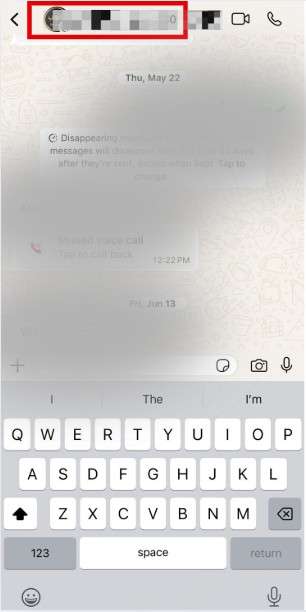
Step 2 Access the contact's profile.
Tap on their phone number or name at the top of the chat screen to open their profile page.
-
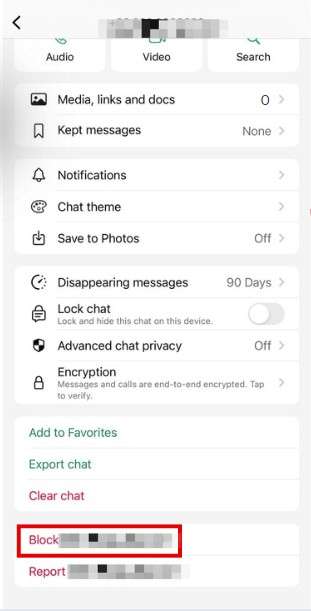
Step 3 Locate the 'Block' option.
Scroll down to the bottom of the profile page and tap the red “Block” button.
-
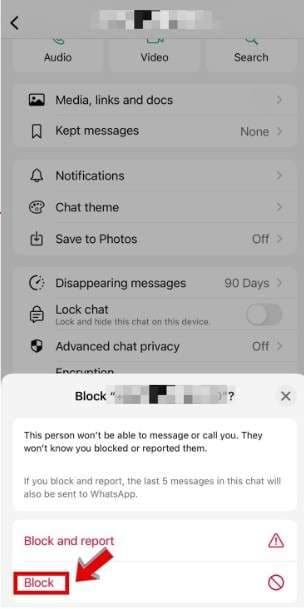
Step 4 Confirm the action.
A pop-up will appear asking you to confirm. Tap “Block” again to finalize the action.
-
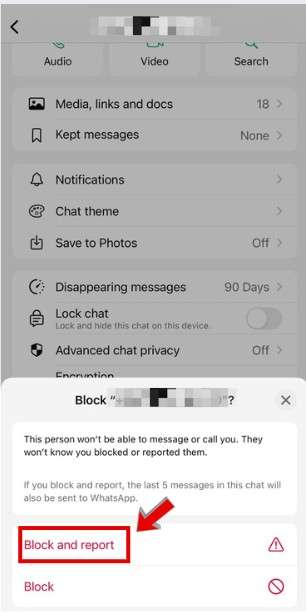
Step 5 Report the user (Optional but Recommended).
For malicious accounts, it is best to choose “Report and Block.” This action will block the number and send the last five messages from the chat to WhatsApp for review.
Part 6. Bonus Tip: Secure Your Chats with Dr.Fone - WhatsApp Transfer
When you encounter suspicious activity from numbers with the +234 country code, safeguarding your existing data becomes paramount. Scammers are persistent, and regular backups of your WhatsApp chats can protect you from losing years of valuable conversations and media if your account is ever compromised.
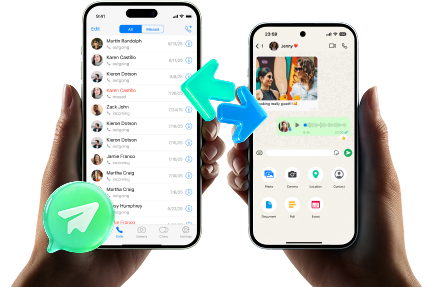
A highly effective solution for this is Dr.Fone - WhatsApp Transfer. This powerful tool allows you to seamlessly back up, restore, and transfer your WhatsApp and WhatsApp Business data between iOS and Android devices. It provides a comprehensive safety net for not just WhatsApp, but also for other messaging apps like LINE, Kik, Viber, and WeChat. Follow the steps below to easily create a secure backup of your WhatsApp data.
 Transfer WhatsApp across Android & iOS.
- Backup & restore WhatsApp to PC securely.
- Preview & export chats selectively.
- Works with all iPhone & Android models.
Steps to Backup and Restore WhatsApp Data Using Dr.Fone
-
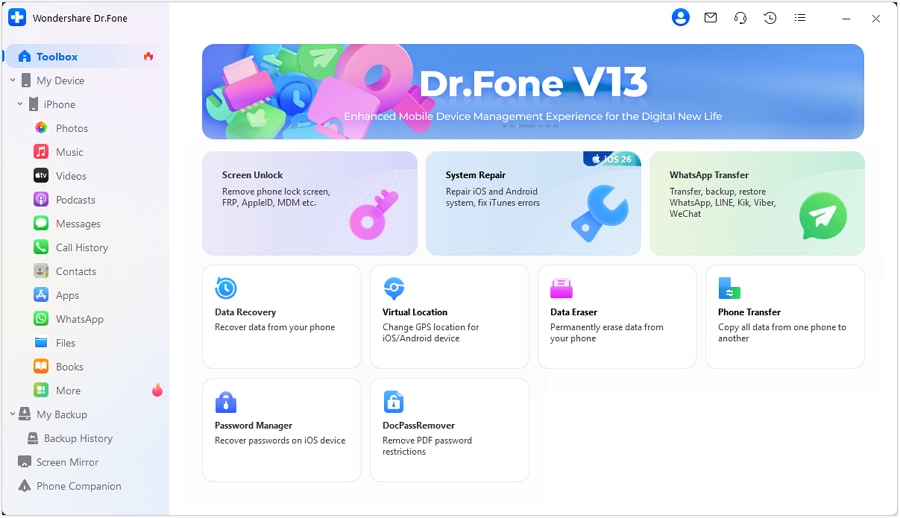
Step 1 Launch Dr.Fone and Access WhatsApp Transfer
Open the Wondershare Dr.Fone software on your computer. Navigate to Toolbox > WhatsApp Transfer to launch the dedicated module.
-
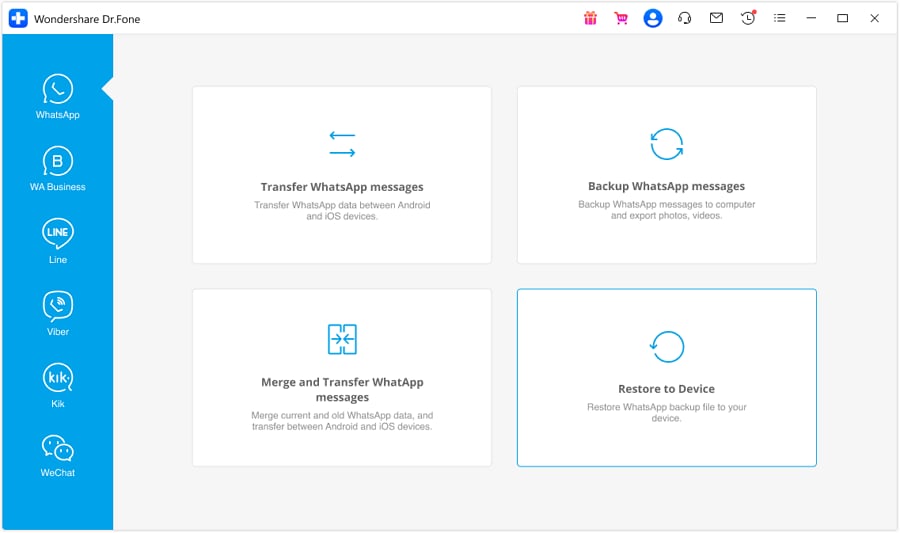
Step 2 Select the Backup Option
In the new window, choose 'WhatsApp' from the left-side menu. Then, click on “Backup WhatsApp messages” to initiate the process for your connected device.

-
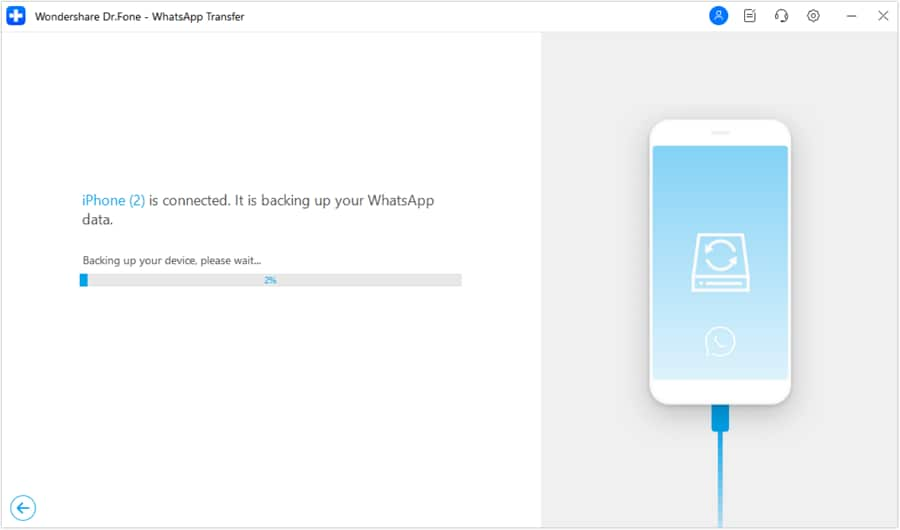
Step 3 Monitor the Backup Progress
The software will begin backing up your data. You can monitor the progress on the screen to see how much has been completed.
-
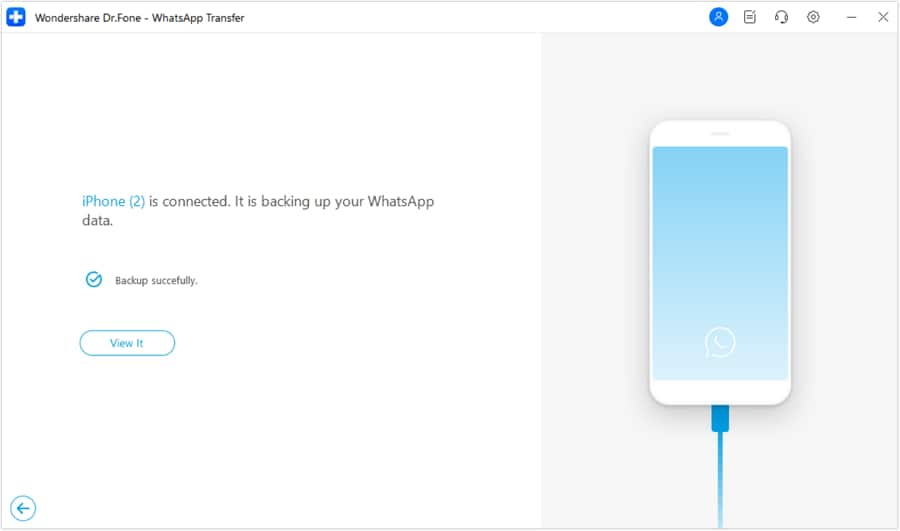
Step 4 View the Completed Backup
Once the backup is finished, a confirmation message will appear. Click “View It” to inspect the contents of your newly created backup file.
-
Step 5 Initiate the Restore Process
To restore data, connect your target device. Go back to the WhatsApp tab and select the “Restore to Device” option.
-
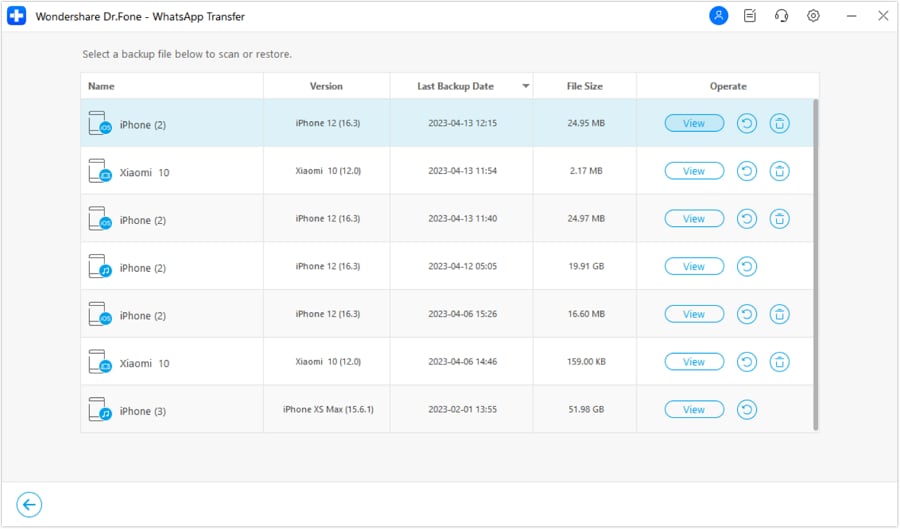
Step 6 Select a Backup File
A list of all your previous backup files will be displayed. Choose the relevant backup and click the View button next to it.
-
Step 7 Choose Data to Restore
You can preview all the data within the backup file. Select the specific messages, photos, videos, or other files you want to recover, and then click “Restore to Device.”
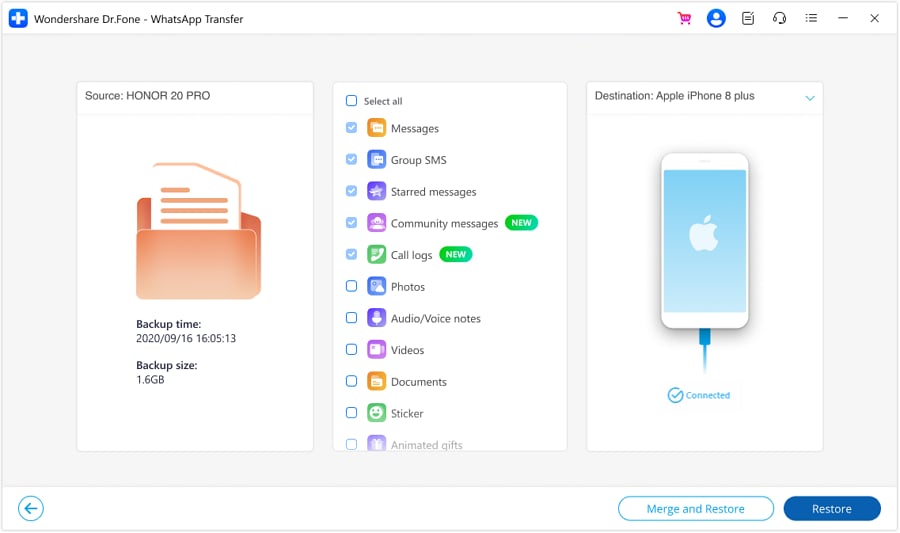
 Note: Partial restore of specific data types is available only in A21 transfer mode. Other modes may require a full data type transfer.
 -
Step 8 Start the Restoration
On the next screen, confirm your selections and click the “Restore” button to begin transferring the data to your phone.

-
Step 9 Handle Existing Data
The process will overwrite existing WhatsApp data on the target device. You will be prompted to back up the current data by clicking “Backup” or proceed without a backup by clicking “Continue.”

-
Step 10 Monitor Restoration Progress
The screen will display the progress of the data restoration. You can cancel the process at any time by clicking the “Cancel” button.

-
Step 11 Disable Find My iPhone (If Prompted)
For iOS devices, a pop-up may instruct you to disable 'Find My iPhone'. To do this, go to Settings > [Your Name] > Find My, and toggle off 'Find My iPhone'.

-
Step 12 Complete the Process
Once the restoration is finished, a confirmation message will appear. Click “OK” to complete the operation and check your restored data on your device.

Conclusion
In summary, while the 234 country code on WhatsApp is legitimately assigned to Nigeria, it has been widely co-opted for fraudulent activities. This guide has armed you with the knowledge to understand why you might receive these calls, identify the tell-tale signs of common scams, and take decisive action to protect yourself. By staying vigilant and following the safety tips outlined, you can significantly reduce your risk of falling victim to financial or data theft.
To add an extra layer of security, make regular data backups a priority. Using a trusted tool like Dr.Fone - WhatsApp Transfer ensures that your valuable chat history remains safe and can be easily restored or moved between devices. Protect your digital conversations today.




FAQ
-
1. Is it safe to answer a WhatsApp call from an unknown +234 number?
It is generally advised to be cautious and avoid answering calls from any unfamiliar international number, including the 234 international area code. If the call is legitimate, the person can leave a message. Answering may confirm your number is active, potentially leading to more spam or scam calls. -
2. What should I do if I think I've received a scam call from the 234 country code?
Do not engage with the caller. Do not provide any personal or financial information. Hang up immediately, then use the steps in this guide to block the number and report it to WhatsApp. -
3. Can scammers access my phone just by calling me on WhatsApp?
Simply receiving or answering a WhatsApp call does not typically give a scammer access to your phone's data. The primary risk comes from being socially engineered—tricked into sharing information, clicking malicious links, or sending money during or after the call. -
4. How can I protect my WhatsApp data from potential account hijacking?
Enable two-step verification in your WhatsApp settings for an extra layer of security. Most importantly, back up your chat data regularly. Using a tool like Dr.Fone - WhatsApp Transfer creates a secure, independent backup on your computer, protecting your data even if you lose access to your account.
 Add Wondershare Dr.Fone as a preferred source on Google