
How to Unbrick a POCO X3 Pro Safely

Sep 24, 2026 • Filed to: Phone Repair Solutions • Proven solutions
 TL;DR:
- If the phone still enters Recovery, Fastboot, or shows a logo, treat it as a soft brick first.
- If it keeps restarting, freezing on the POCO logo, or stopping on a gray/grey screen, start with the safe recovery steps in Part 2.
- If nothing appears on screen and the PC cannot detect the phone, stop repeated flashing and re-check the brick type.
- Dr.Fone - System Repair (Android) is the guided option for supported Xiaomi, Redmi, and POCO software failures.
- Back up data first whenever the phone still responds, because reset and flashing steps can erase files.
Ask AI for a summary
 ChatGPT
 Perplexity
 Gemini
 Claude
 Grok
Grok
If your POCO X3 Pro is bricked, start by checking whether the phone is still showing signs of life. A device that still vibrates, shows a logo, enters Recovery, or reaches Fastboot often still has a software recovery path. A phone with no screen, no charging response, and no USB detection may need deeper repair.
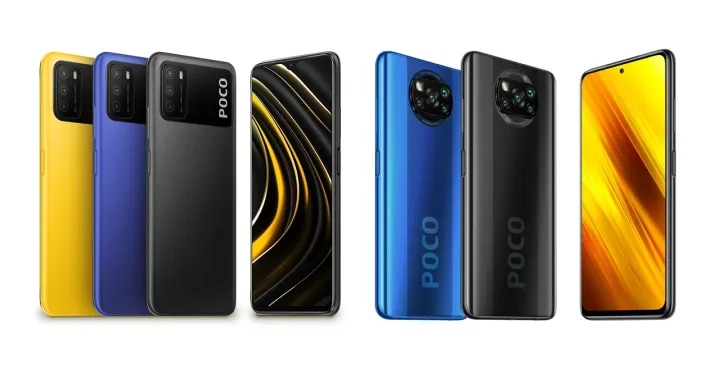
This guide focuses on the POCO X3 Pro first, with notes where the POCO X3 NFC and POCO M3 can differ in firmware matching and recovery options. If you only see a gray or grey screen, do not jump straight to random firmware.
Part 1. Diagnose Soft Brick vs Hard Brick
A bricked POCO phone is one that no longer boots normally because of software corruption, a failed update, a bad flash, or a deeper hardware fault. The exact model still matters: POCO X3 Pro, POCO X3 NFC, and POCO M3 do not always use the same firmware package.
Before trying any fix, decide whether the phone still shows activity. If it does, treat the issue as recoverable until proven otherwise. If it does not, stop early and avoid stacking more flashing attempts on top of a dead device.
Signs of a Bricked Device
If your POCO X3 Pro or POCO M3 shows any of these symptoms, it may be soft-bricked or partially bricked:
- Boot loop or stuck logo. The device keeps restarting instead of reaching the home screen. See Android Bootloop Problem.
- Stuck on the boot screen. The phone hangs on the logo after startup. See How to Fix It: Android Stuck on Boot Screen?
- Black screen of death. The screen stays black, but the phone may still respond or be detected by a PC. See How to Fix Black Screen on Android.
- Won't turn on. The device seems dead after an update, flash, or sudden shutdown. See My Android Phone Won't Turn On.
- Recovery-related failure. If the issue looks like a soft brick, start with soft brick recovery methods.
Soft Brick vs. Hard Brick
In simple terms, a soft brick usually means the phone still has a working hardware base but cannot load Android correctly. A hard brick means the device is almost completely unresponsive and may need advanced repair or service.
Soft Brick: A soft-bricked POCO X3 Pro or POCO M3 still shows some activity. It may be stuck on the logo, trapped in a reboot loop, frozen on a gray or grey screen, or able to enter Recovery mode. This type of issue is usually caused by software corruption, failed updates, problematic apps, or incomplete system changes.
Hard Brick: A hard-bricked device is far more serious. The phone may show no screen output, no normal charging response, and no boot behavior at all. If standard button combinations do not work, you may need Mi Flash, EDL mode, or professional repair support.
Gray screen and grey screen are usually the same symptom family. What matters is whether the phone still enters Recovery, Fastboot, or responds to a PC. That is why diagnosis should always come before repair.
Model Match Matters
POCO X3 Pro is the main focus here. If you own a POCO X3 NFC or POCO M3, keep the recovery logic the same but make sure the firmware and model choice match your exact device before flashing anything.
Part 2. Try the Safest Unbricking Methods First
Start with the least risky fix. If the phone still reacts, try a force restart, Safe Mode, or Recovery reset before flashing anything. Keep the exact ROM, model, and region matched to your device.
A. Soft Brick Recovery
Force Restart the Device
Press and hold Power + Volume Down for about 10 seconds. If the phone restarts normally, the problem may have been a temporary crash rather than a deep brick.
Reboot Into Safe Mode
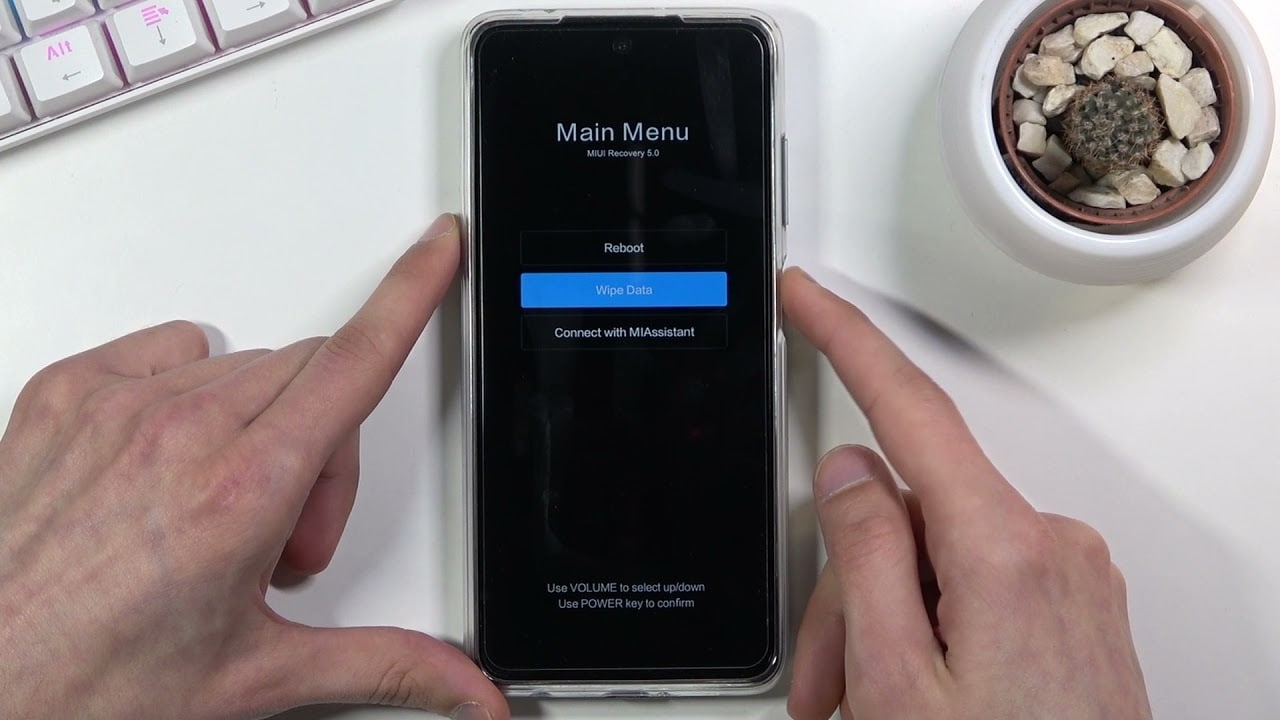
Safe Mode helps you check whether a third-party app is blocking Android from loading. Restart the phone and hold Volume Down when the logo appears. If the phone works in Safe Mode, an app is probably causing the crash behavior.
Factory Reset via Recovery Mode
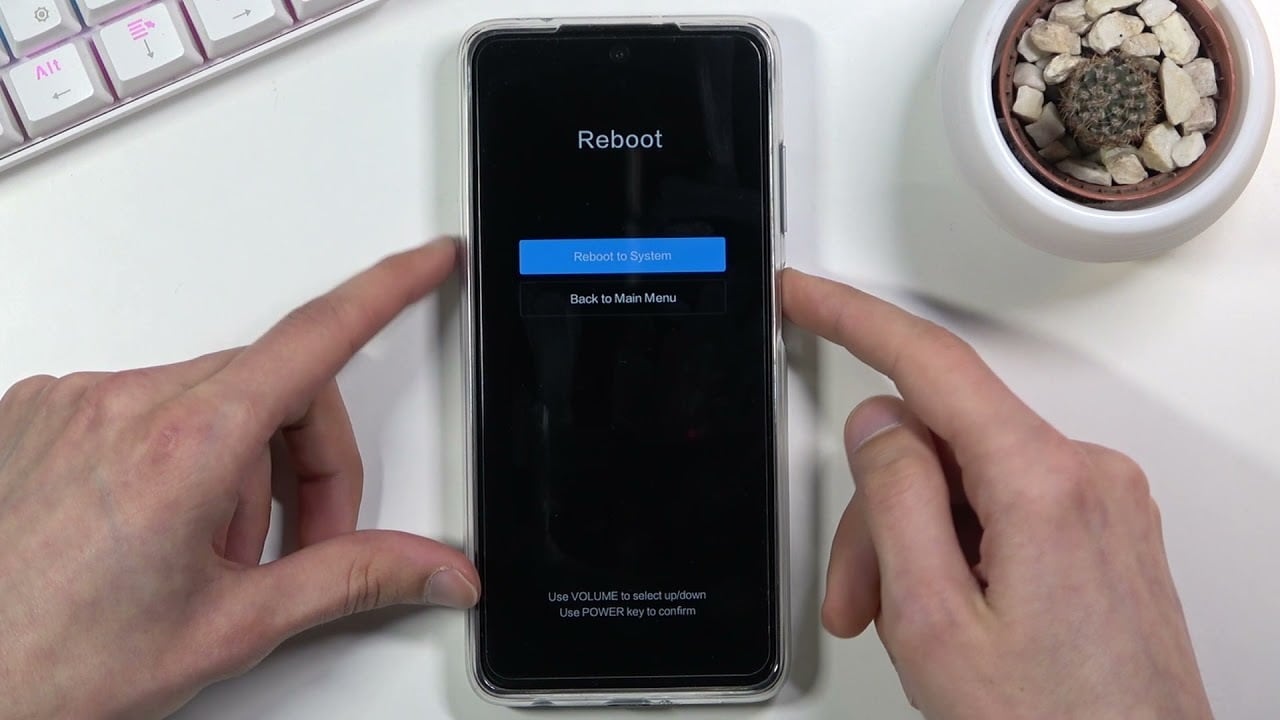
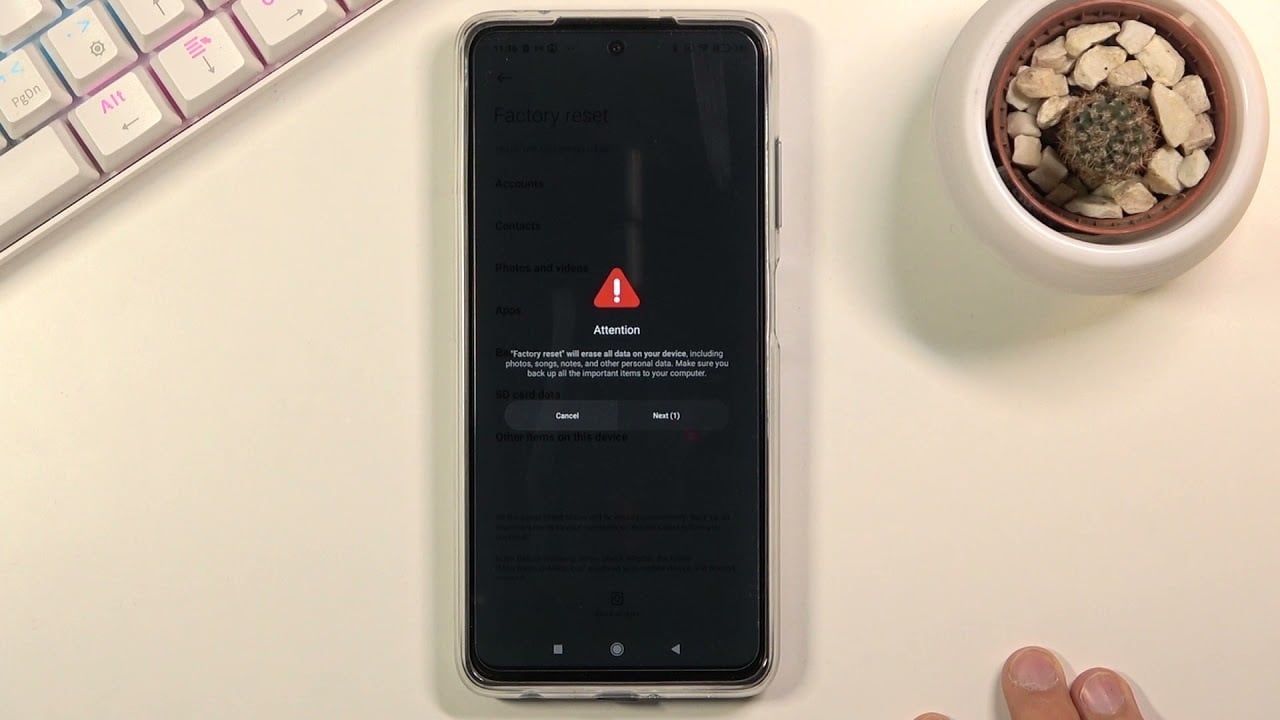
If the phone can enter Recovery but still will not boot, a factory reset may remove corrupted settings or user-level system data. Turn off the phone, then press Power + Volume Up. Use the volume buttons to move and the Power button to select Factory reset. This can fix many soft-brick cases, but it erases data, so back up first when possible.
B. Hard Brick Recovery and Flashing Boundaries
If the device will not boot, cannot stay on, or behaves like a dead phone after flashing or restarting, you may be dealing with a hard brick. At that point, advanced recovery tools become more technical. If you are considering a POCO X3 Pro flash unlock tool, verify the source carefully and make sure the firmware matches the exact device; unknown tools can make the brick worse.
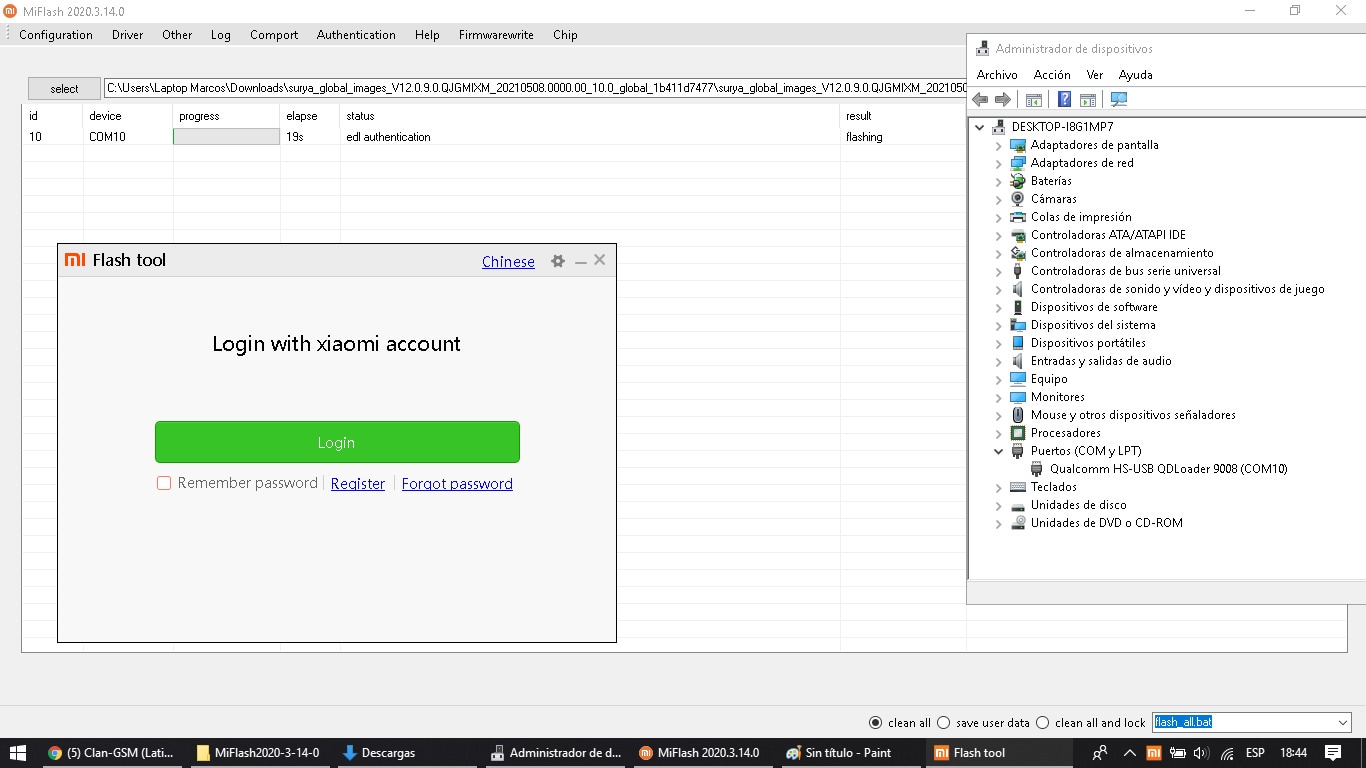
Using Manufacturer-Specific Tools (MiFlash)
MiFlash is one of the main tools used to restore official Xiaomi or POCO firmware. It is most useful when the device is still recognized in Fastboot and you have the correct stock ROM for the exact model and region.
Before flashing, verify the firmware version, boot mode, and device variant carefully. Using the wrong image can turn a recoverable problem into a deeper one.
When EDL or Service-Level Repair Is the Last Resort
EDL mode is an emergency recovery path used when standard boot access is no longer available. It is not a beginner method and usually requires the correct firmware, drivers, and the right detection path. If the phone shows persistent dead boot symptoms and no recovery mode works, professional diagnosis may be the safer choice.
In short, start with software recovery if the phone still responds, use official firmware restoration when normal repair fails, and stop when the device no longer changes behavior after repeated attempts.
Part 3. Use Dr.Fone System Repair for POCO Unbricking
If the issue is a supported Xiaomi, Redmi, or POCO software failure and you want a guided path instead of manual flashing, Dr.Fone - System Repair (Android) gives a Windows workflow that can help.
It is useful when the phone still has a software repair path. It is not meant to replace hardware diagnosis when the phone has no screen, no charge, and no USB detection.
For the current step order and UI labels, see the official Repair Xiaomi/Redmi/POCO Phone Issues guide.
Why Dr.Fone Fits This Step
- Guided repair flow. The interface walks you through each stage instead of forcing manual firmware handling.
- Xiaomi/Redmi/POCO path. The official guide is built around Repair Xiaomi/Redmi/POCO Phone Issues.
- Useful for common startup failures. It is relevant when the phone is stuck in a boot loop, on a black screen, or will not turn on because of a supported system problem.
Dr.Fone - System Repair (Android)
A guided repair option for supported Android system failures on Windows.
- Fix supported startup and system issues without manually collecting ROM files.
- Useful when you want to try a guided repair path before a full factory reset or deeper flash.
- Follow the official Xiaomi/Redmi/POCO guide for the current steps and UI labels.
Step-by-Step Guide to Repairing a Bricked POCO X3 Pro
If your phone still has a software repair path, the steps below show how to use Dr.Fone to repair a POCO X3 Pro in a guided way.
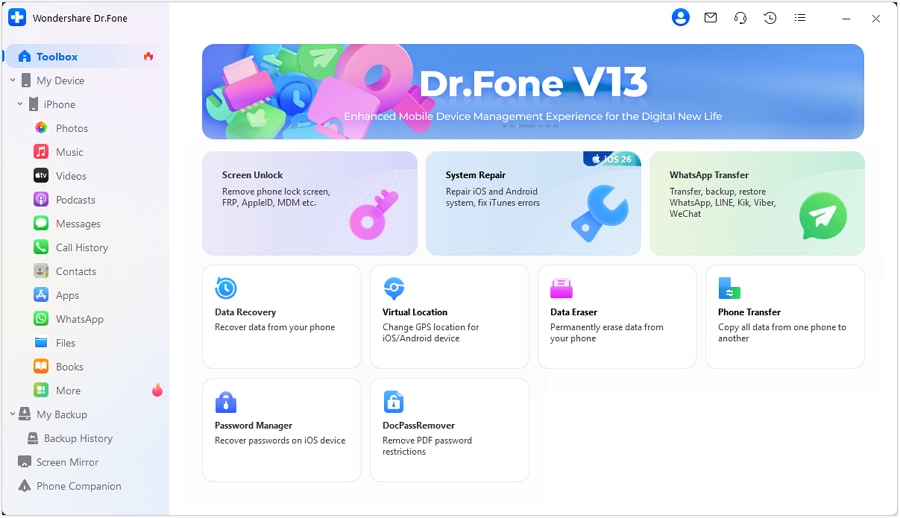
- Step 1: Open Dr.Fone and select System Repair from the Toolbox.
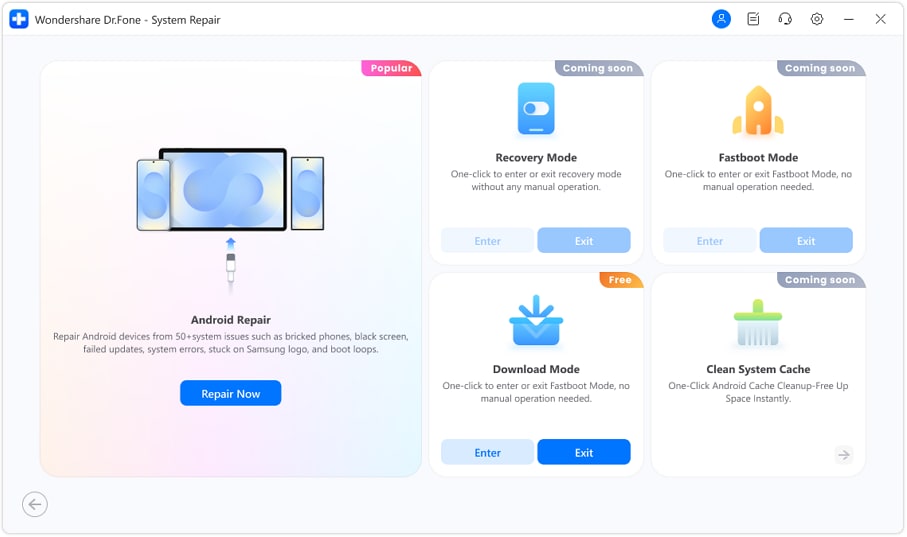
- Step 2: Choose Android and then Android Repair to begin the workflow.
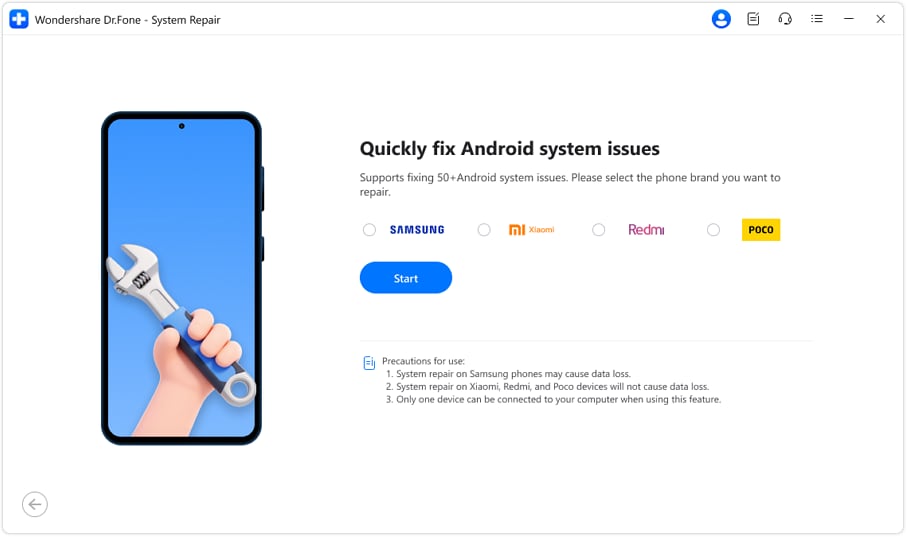
- Step 3: Select POCO as the brand and continue.
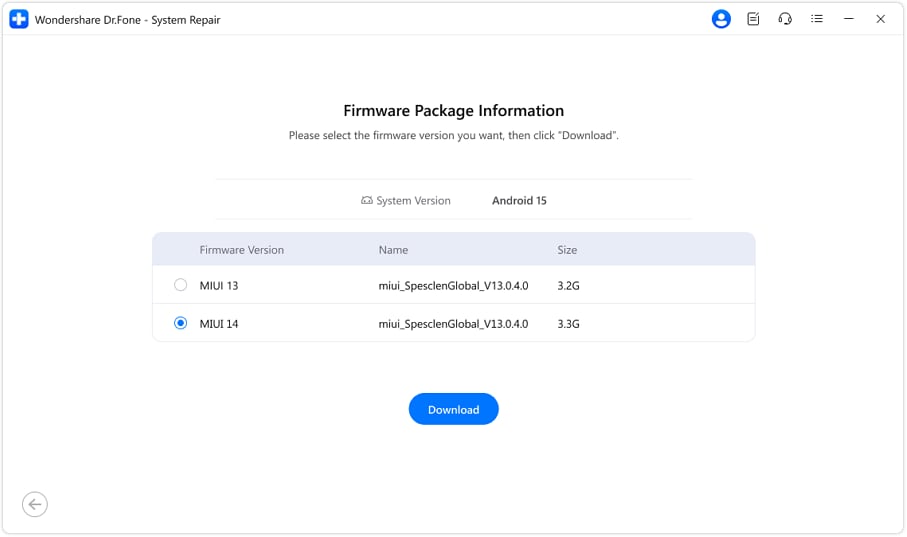
- Step 4: Review the device information, let the firmware package download, and click Fix Now.
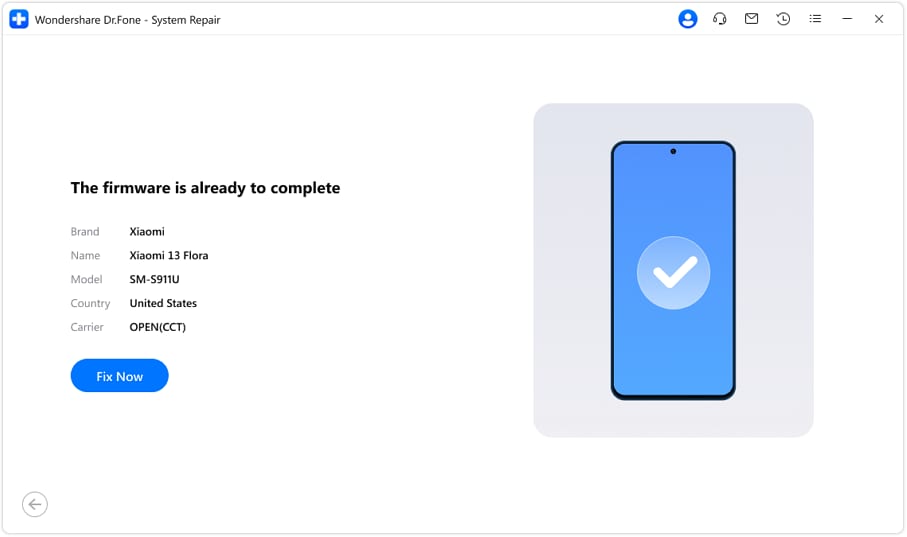
- Step 5: Keep the phone connected while Dr.Fone prepares and applies the repair package.
 safe & secure
Related Topics:
Android Bootloop Problem: How to Fix it Without Data Loss
How to Fix It: Android Stuck on Boot Screen?
Conclusion
If your POCO X3 Pro still enters Fastboot, Recovery, or Safe Mode, start with the least risky software fix and keep the firmware matched to the exact model. If the phone only shows a supported startup failure, Dr.Fone is a practical guided path. If the device never responds at all, stop before more flashing and treat it as a harder repair case.
safe & secureFAQs


Xiaomi Topics Series
- Xiaomi Screen & FRP Unlock
- 1. Unlock Xiaomi Bootloader
- 2. Mi Account Unlock Tools
- 3. Redmi Note 8 FRP Unlock Tool
- 4. Redmi Note 9 FRP Bypass Tool
- 5. Redmi 9A FRP Bypass
- 6. Remove FRP on Xiaomi/Redmi
- Xiaomi Repair
- Xiaomi Recover
- Xiaomi Reset
- Xiaomi Tips & News
- 1. Xiaomi HyperOS 3.0
- 2. Screen Mirror Xiaomi to PC
- 3. Run Hardware Tests on Xiaomi
- 4. Conduct battery test on Xiaomi
- 5. How Do I Obtain the Security Code Xiaomi
- 6. DND Mode Xiaomi
- Xiaomi Transfer & Backup
- ● Manage/transfer/recover data
- ● Unlock screen/activate/FRP lock
- ● Fix most iOS and Android issues
- Free Download Free Download Free Download



Daisy Raines
staff Editor
Generally rated4.5(105participated)