Bypass iCloud Activation Lock and Android FRP without password.

 100% Security Verified | No Subscription Required | No Malware

 :
: 
 ChatGPT
 Perplexity
 Gemini
 Claude
 Grok
Grok

My SafeSearch is locked on my Samsung phone, and I can't seem to turn it off. How do I unlock SafeSearch on Google so I can see all search results?
A Concerned Android User
Google's SafeSearch is a valuable filter designed to screen out explicit content, such as violence and adult material, from your search results. While incredibly useful for parents, schools, and workplaces, it can become a source of frustration when it's locked and you can't disable it. Many users feel restricted when SafeSearch blocks legitimate websites or limits access to essential information.
If you're wondering how to unlock SafeSearch on an Android phone, you've come to the right place. This guide provides a detailed, step-by-step process to regain control over your search settings. We'll also explore several effective workarounds for situations where the setting is stubbornly locked, helping you manage your browsing experience more freely.
In this article
Part 1. Common Reasons Why SafeSearch Is Locked on Android
SafeSearch is designed to automatically filter explicit content from Google search results, images, and other services. The setting is tied to your Google account, but certain external factors can enforce it and lock the toggle, preventing you from turning it off. Understanding why it’s locked is the first step to figuring out how do you unlock SafeSearch on Google. Here are the most common culprits:
1-1. Parental Controls and Google Family Link
If your device is supervised by a parent or guardian through Google Family Link, they have the authority to lock SafeSearch. This is a common feature used to protect minors from inappropriate content, and only the supervising account can change the setting.
1-2. Managed School or Work Accounts
When you use a Google account provided by your school, workplace, or another organization, the administrator has control over various settings, including SafeSearch. They often lock it to comply with institutional policies and maintain a professional or safe browsing environment on their network and devices.
1-3. Regional Laws and Government Regulations
In certain countries, governments enforce regulations that require search engines to filter explicit content. In these regions, Google may lock SafeSearch by default to comply with local laws, and users within that country cannot disable it through standard methods.
1-4. Device Security and Antivirus Apps
Some third-party parental control or security applications, such as antivirus software, can also manage and lock your SafeSearch settings. These apps often include web protection features that enforce content filtering to protect you from malicious or inappropriate sites.
1-5. Network-Level Restrictions by ISPs
Your Internet Service Provider (ISP) can enforce SafeSearch at the network level. This is common on public Wi-Fi networks (like in schools or libraries) but can also be implemented by your home internet provider to offer family-safe browsing plans.
Part 2. How to Unlock Google SafeSearch on Your Android Device
When not locked by external factors, disabling SafeSearch is a straightforward process within the Google app. This action allows you to view unfiltered search results, but it's important to remember that it only affects Google's services and not other websites or apps. Here’s how to unlock SafeSearch on a Samsung phone or any other Android device through the basic settings:
-
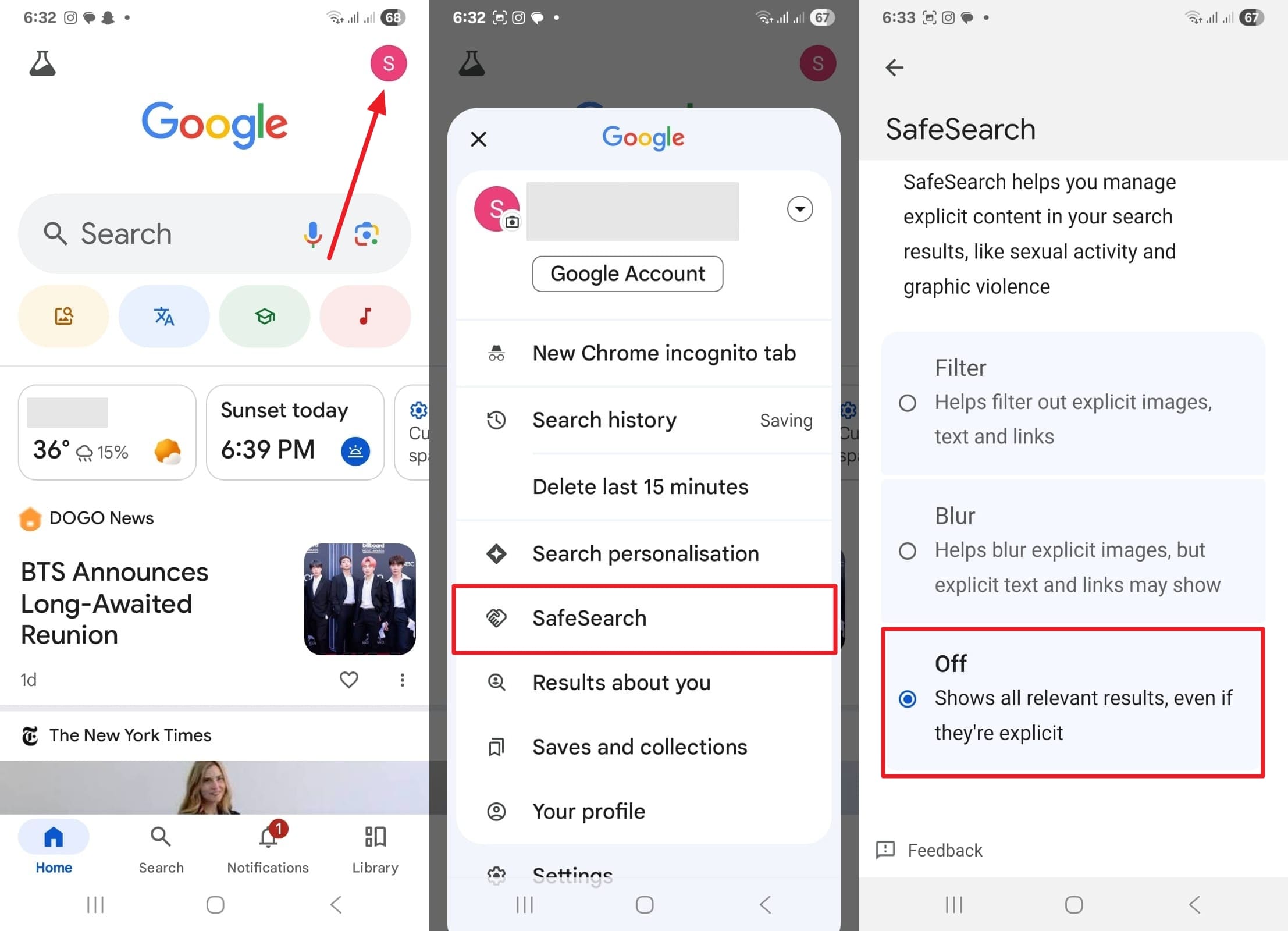
Step 1 Open the Google App
Launch the Google app on your Android smartphone. Tap on your profile picture or initial located in the top-right corner of the screen.
-
Step 2 Access SafeSearch Settings
From the menu that appears, select "Settings." On the next screen, find and tap on "SafeSearch."
-
Step 3 Turn Off SafeSearch
You will see three options: Filter, Blur, and Off. To completely disable it, select "Off." If this option is not grayed out, your SafeSearch is now unlocked. If you cannot change this setting, it means it's being managed by an administrator, your account settings, or your network.
Part 3. Advanced Methods to Disable a Stubborn SafeSearch Lock
While there isn't a single button to permanently disable SafeSearch against all external controls, you can often bypass the lock by addressing the root cause. If the toggle is grayed out, one of the following workarounds should help you regain control. Test these methods to find the one that applies to your situation.
Method 1: Correct Your Age in Google Account Settings
Google automatically enforces SafeSearch for users it identifies as being under 18. If your birthday is incorrect in your account details, it could be the reason SafeSearch is locked. Updating your age is a simple fix.
-
Step 1 Go to Your Google Account
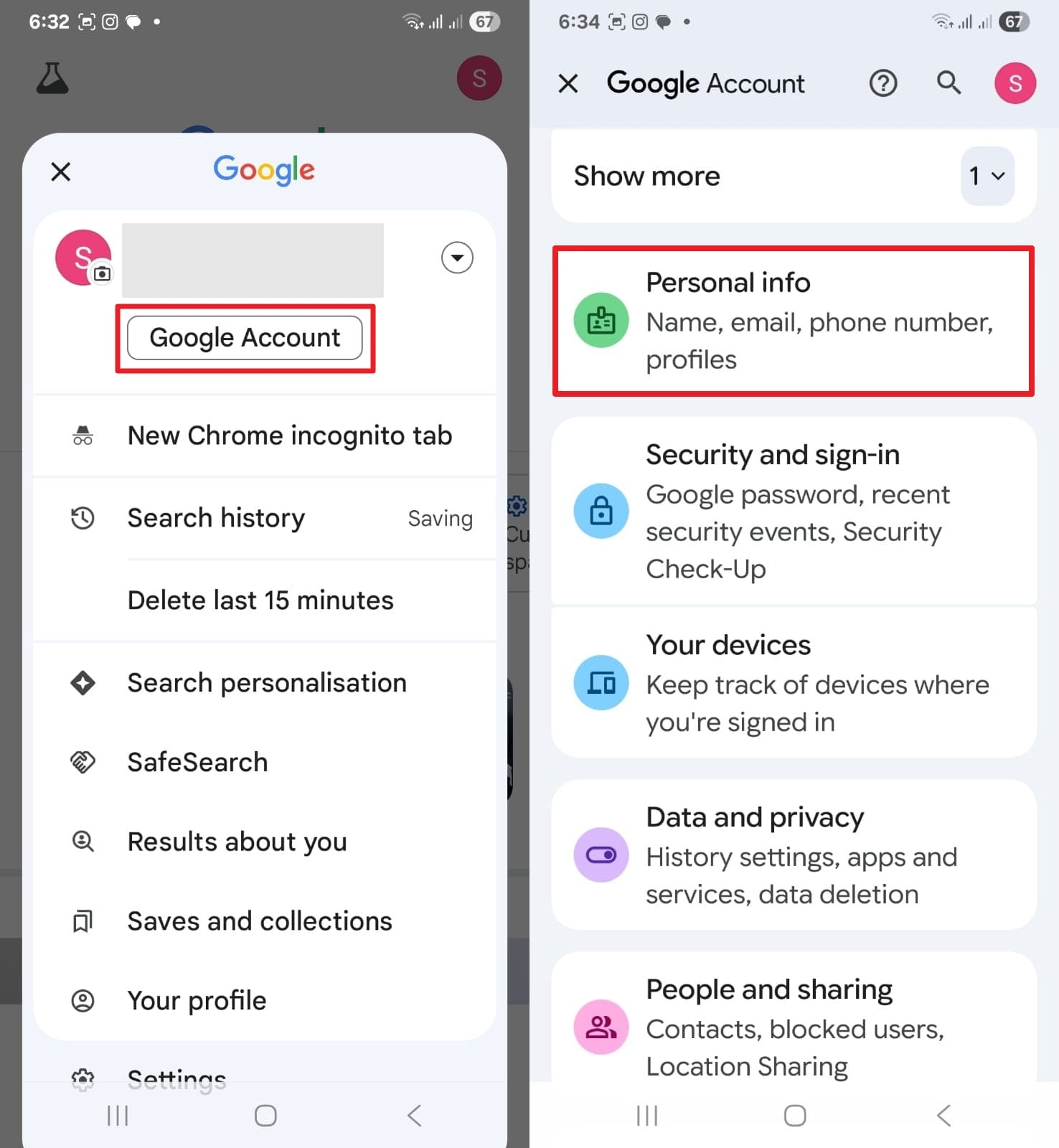
Open the Google app, tap your profile icon, and select "Manage your Google Account." Navigate to the "Personal info" tab.
-
Step 2 Update Your Birthday
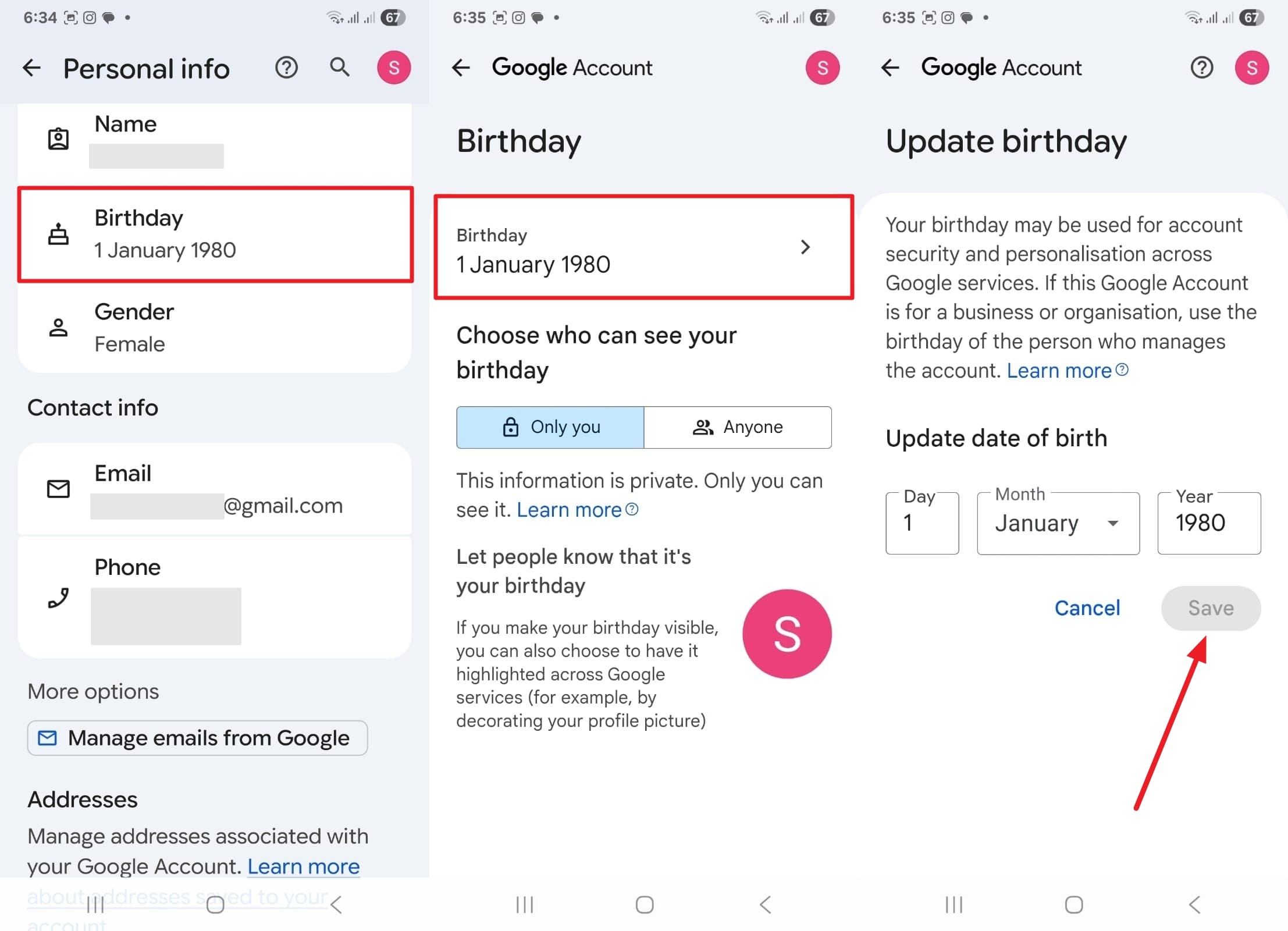
Scroll down to find the "Birthday" section and tap on it. Correct your year of birth to reflect that you are over 18 and tap "Save." After updating, restart the Google app and check if SafeSearch is now unlocked.
Method 2: Request an Administrator to Disable the Lock
If your account or network is managed by a school, employer, or parent, you do not have the permission to change the setting yourself. In these cases, the lock is enforced through administrator privileges, firewall rules, or DNS configurations. Your only option is to contact the person in charge, whether it's your IT administrator or the parent who manages your Family Link account. Explain why you need the restriction lifted for your work or studies.
Method 3: Connect to a Different Network
Sometimes, the SafeSearch lock isn't tied to your device or account but to the network you're connected to. Public Wi-Fi and some home internet providers implement these filters directly. To check if this is the case, simply disconnect from the Wi-Fi network and use your mobile data instead. If you can disable SafeSearch on mobile data, the restriction is network-based. You can either contact your ISP to ask for the filter to be removed or consider switching providers if they cannot accommodate your request.
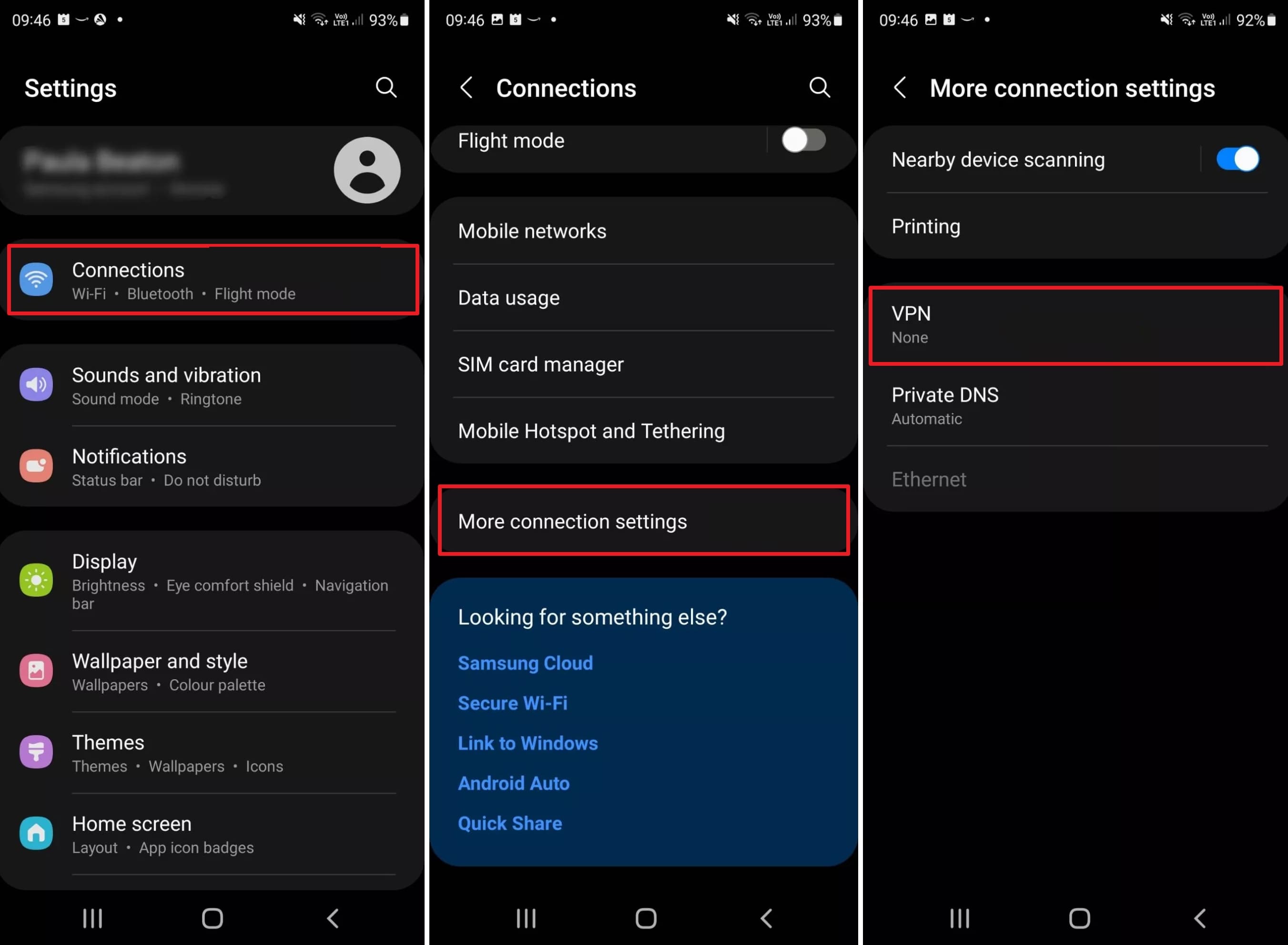
Method 4: Use a VPN to Bypass SafeSearch Filters
When SafeSearch is locked due to regional regulations or ISP-level filtering, a Virtual Private Network (VPN) is an effective solution. A VPN masks your IP address, making it appear as though you are browsing from a different country. This bypasses local restrictions and allows you to access unfiltered search results.
Choose a reputable VPN provider to ensure your data privacy and security. Once installed, activate the VPN and connect to a server in a country without strict content filtering. Then, revisit the Google app settings, and you should find that you can now turn off SafeSearch.
Bonus Tip: Locked Out of Your Android? Unlock Your Screen with Dr.Fone
While unlocking SafeSearch gives you more browsing freedom, what happens when you're locked out of your Android device itself? Forgetting your PIN, pattern, or password can be stressful, but there's a reliable solution. Dr.Fone - Screen Unlock (Android) is a powerful tool designed to help you regain access to your phone without hassle.
This software can remove all types of screen locks, including PINs, patterns, passwords, and even fingerprints. It supports over 2,000 Android models from brands like Samsung, Huawei, OnePlus, and Motorola. A key feature is its ability to bypass the lock screen on many Samsung and LG devices without causing any data loss. The process is user-friendly and doesn't require any technical expertise, making it accessible to everyone.
 Unlock Android phone in seconds.
- Remove PIN, pattern, password, fingerprint.
- Bypass Google FRP lock easily.
- Works on all Android brands & models.
- No tech skills required – user-friendly.
Quick Guide: How to Unlock Your Android Phone with Dr.Fone
After learning how to unlock Safe Search on Samsung phones, see how easily you can unlock the device itself with Dr.Fone.
-
Step 1 Launch Dr.Fone and Select Screen Unlock
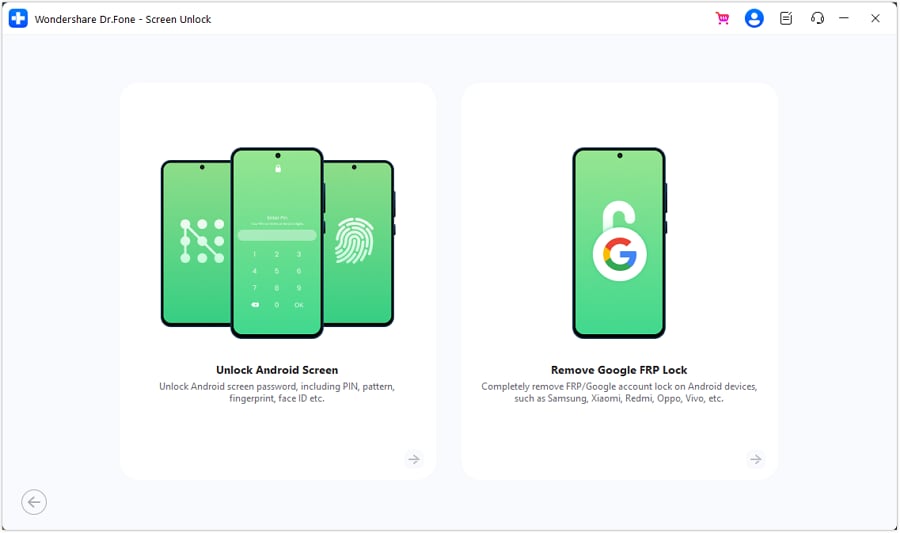
Open the Wondershare Dr.Fone software on your computer. From the main "Toolbox," select the "Screen Unlock" feature. Connect your Android phone and choose "Android" on the next screen, then click "Unlock Android Screen" to begin.
-
Step 2 Select Your Device and Enter Recovery Mode
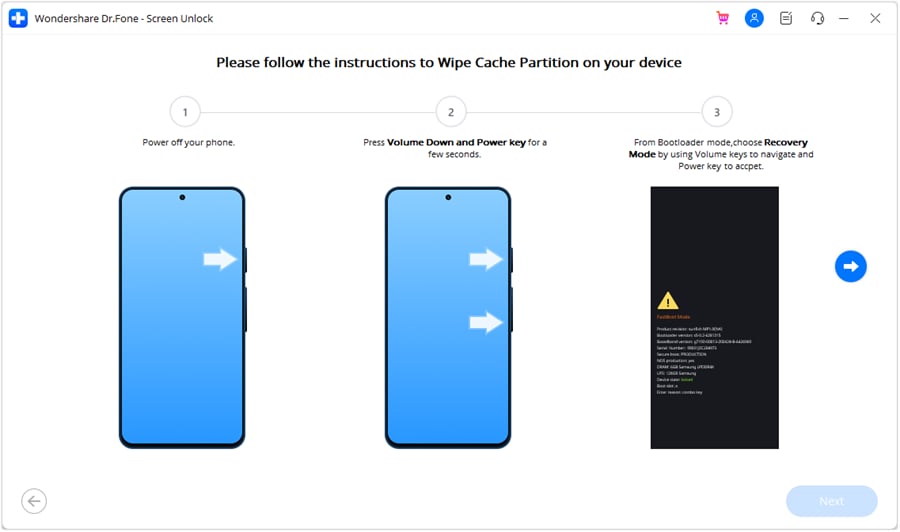
Choose your device's brand from the provided list. The software will then provide on-screen instructions specific to your model to guide you into Recovery Mode.
-
Step 3 Complete the Unlocking Process
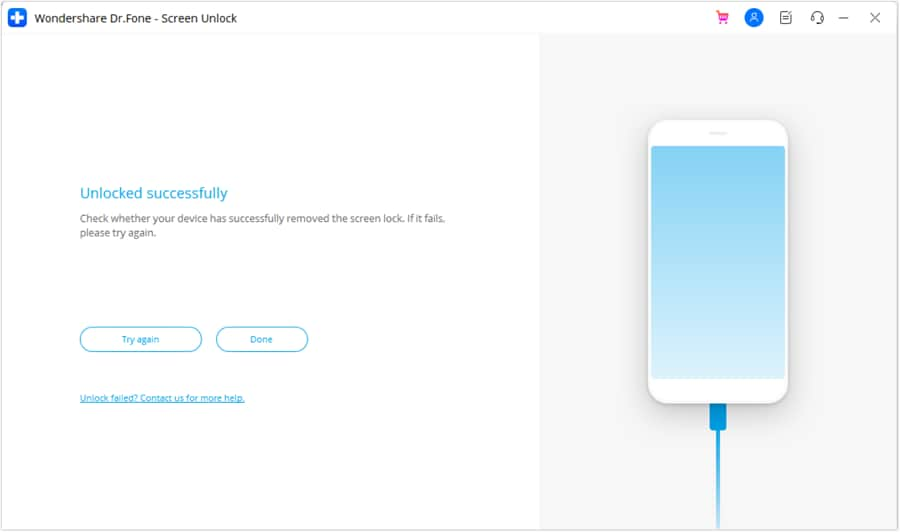
Once your device is in the correct mode, Dr.Fone will begin removing the screen lock. Wait for the process to finish, and a confirmation message will appear. Click "Done" to complete the process and access your phone.
Conclusion
Knowing how to unlock SafeSearch on Android empowers you to control your search experience, especially when a lock interferes with your work or research. This guide has shown you the standard method for disabling the feature and provided four effective workarounds for more persistent restrictions. By identifying the cause of the lock—be it account settings, an administrator, or your network—you can apply the right solution. And if you ever find yourself locked out of your device entirely, tools like Dr.Fone - Screen Unlock offer a fast and reliable way to regain access.
FAQ
-
1. Why is SafeSearch locked on my Android even if I'm an adult?
There are several reasons this can happen even if you are over 18. Your date of birth might be incorrect in your Google Account settings, causing Google to treat you as a minor. Alternatively, the device might be using a school or work account, or connected to a public Wi-Fi network that enforces SafeSearch. Finally, your Internet Service Provider (ISP) might have a content filter enabled by default. -
2. Can I unlock SafeSearch without changing my Google account settings?
Yes, if the lock is not related to your account's age settings. If the restriction is imposed by your network (school, work, or ISP), you can bypass it by switching to a different network (like your mobile data) or using a trusted VPN. A VPN will mask your IP address and route your traffic through a different server, effectively bypassing network-level filters. -
3. Does using a VPN to unlock SafeSearch have any risks?
Using a reputable VPN is generally safe. However, free or untrustworthy VPNs may pose privacy risks by logging your data or exposing you to malware. It's crucial to choose a well-reviewed VPN provider with a strict no-logs policy. Also, be aware that using a VPN may violate the terms of service of your school or workplace network. -
4. If I unlock SafeSearch, will it stay off permanently?
Not always. Disabling SafeSearch in the Google app settings will keep it off for your account under normal circumstances. However, if you reconnect to a network that enforces it (like school Wi-Fi) or if your account syncs with settings from a managed device, it may be re-enabled automatically. The fix is only as permanent as the environment you are browsing in.
 Add Wondershare Dr.Fone as a preferred source on Google