 Effortlessly manage data through preview, delete, export, etc.

 100% Security Verified | No Subscription Required | No Malware

 :
: 
 ChatGPT
 Perplexity
 Gemini
 Claude
 Grok
Grok
With the release of iOS 15, many users began searching for ways to jailbreak their devices to unlock new functionalities. Jailbreaking is the process of removing software restrictions imposed by Apple on iOS, allowing users to install applications and customizations not available on the official App Store. While this opens up a world of possibilities, it's crucial to understand the process and its implications.
People choose to jailbreak their iPhones and iPads for various reasons. The most common motivations include gaining access to a wider range of apps, customizing the user interface with themes and tweaks, and unlocking advanced system controls. However, it's a process that demands caution, as it can expose your device to security risks and potentially void your warranty.
In this article
Part 1. Is It Possible to Jailbreak iOS 15?
Yes, it is possible to jailbreak iOS 15, much like previous versions of the operating system. While Apple enhances security with each new iOS release to make jailbreaking more difficult, the developer community consistently works to find new vulnerabilities and develop tools to bypass these restrictions. Several teams have released methods that claim to work with iOS 15, though their stability and features may vary.
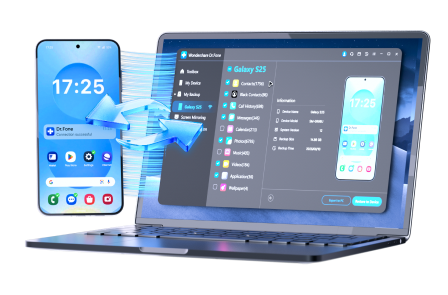
Before you attempt to jailbreak your device, the single most important step is to create a complete backup of your data. Jailbreaking is an invasive process that can sometimes lead to data loss or require you to restore your device to factory settings. Using a reliable backup tool like Dr.Fone ensures your photos, contacts, messages, and other important information are safe. Unlike iCloud or iTunes, it offers a more flexible and user-friendly way to manage your backups.
 Effortlessly manage data through preview, delete, export, etc.
- Transfer all data between devices.
- Robust backup solutions for reliable data protection.
- Mirror screens to PC for meetings, teaching, and control.
Part 2. How to Jailbreak iOS 15 with Yalu
Yalu, developed by Luca Todesco, has been a popular name in the jailbreaking community. Although originally designed for older iOS versions, its framework has inspired newer tools. Here’s a general guide on how you might use a Yalu-based tool with Cydia Impactor to jailbreak iOS 15.
-
Step 1 Download Necessary Files
First, download the Cydia Impactor tool for your computer (Windows/Mac). Then, find the Yalu103.IPA file from the official Yalu Jailbreak website or a trusted repository. The IPA file is the application package that will be installed on your iPhone.
-
Step 2 Sideload the Yalu App
Launch Cydia Impactor on your computer and connect your iPhone. Once your device is recognized, drag the Yalu103.IPA file and drop it into the Cydia Impactor window.

-
Step 3 Enter Your Apple ID
You will be prompted to enter your Apple ID and password. This information is used to sign the application so it can run on your device. It's recommended to use a secondary Apple ID for this purpose if you have privacy concerns.

-
Step 4 Trust the Developer Profile
After the installation is complete, the Yalu icon will appear on your iPhone's Home Screen. Before opening it, go to Settings > General > Device Management. Find the profile associated with your Apple ID and tap “Trust.”

-
Step 5 Run the Jailbreak
Now, open the Yalu app from your Home Screen and tap the “Go” button. Your device will restart as part of the process.

-
Step 6 Launch Cydia
Once your iPhone reboots, you should see the Cydia app icon. Cydia is the app store for jailbroken devices. Open it to start installing tweaks and apps.

Part 3. How to Jailbreak iOS 15 with TaiG9 and Cydia Impactor
TaiG has also been a prominent player in the jailbreak scene. This method similarly uses Cydia Impactor to sideload the jailbreak application onto your device. Follow these steps carefully.
-
Step 1 Download TaiG IPA and Cydia Impactor
Begin by downloading the TaiGbeta.IPA file from a reliable source and the Cydia Impactor application onto your Mac or Windows computer.
-
Step 2 Install the TaiG IPA File
Connect your iOS 15 device to your computer. Open Cydia Impactor, then drag and drop the TaiGbeta.IPA file into the Cydia Impactor interface.

-
Step 3 Authenticate with Apple ID
You'll be asked for your Apple ID credentials. Provide your Apple ID and password to allow Cydia Impactor to sign and install the TaiG9 IPA onto your iPhone. Creating a temporary, new Apple account is often recommended for this step.

-
Step 4 Trust the Application Profile
After the installation finishes, navigate to Settings > General > Device Management on your iPhone. Locate the new developer profile and trust it.
-
Step 5 Install Cydia
Find the TaiG icon on your Home Screen. Tap to open it and then select the “Install Cydia” option to complete the jailbreak process. Your device will restart, and Cydia will be installed and ready for use.

Part 4. Using Pangu to Jailbreak iOS 15
The Pangu team is another well-known group famous for releasing reliable jailbreak tools. For newer iOS versions, their solutions often start as tethered or semi-tethered, meaning the jailbreak requires a computer to re-initiate after a reboot. The Pangu tool for iOS 15 might have limitations, such as being available only for Windows initially. A tethered process means you must connect your device to a computer and run the tool every time you restart your iPhone to maintain the jailbroken state. This is less convenient than an untethered jailbreak but is often the first type available for a new iOS version.
The process generally involves downloading the Pangu application to your computer, connecting your device, and following the on-screen instructions. The tool will guide you through the necessary steps to modify the system and install Cydia. As development progresses, these tools often become more stable and may eventually offer an untethered solution.

Part 5. How to Jailbreak iOS 15 with zJailbreaker
zJailbreak operates differently from the other tools mentioned. It's not a direct jailbreak tool itself but rather a third-party app installer that provides access to a collection of jailbreak utilities, tweaked apps, and emulators without needing a full jailbreak. It can be a good starting point for users who want to explore customizations without performing a complex system modification.
Since zJailbreak is a non-rooted solution, it can be installed directly from a website on your device. It works by installing a configuration profile. Once installed, you can browse its library and download various apps, including potential jailbreak tools for iOS 15 as they become available. Keep an eye on the official zJailbreak website for the latest updates and compatibility information for iOS 15.

Part 6. Using Evasion to Jailbreak iOS 15
Evasion (or Evasi0n) is famous for providing untethered jailbreaks, which are the most convenient type. An untethered jailbreak means that once the process is complete, your device remains jailbroken even after rebooting, with no need to connect to a computer. While the original Evasion tools were for older iOS versions, the name is synonymous with this high-quality jailbreak experience. Here is a general walkthrough based on how Evasion tools typically work.
-
Step 1 Download and Launch Evasion
Download the Evasion tool for your Windows or Mac computer from a trusted source. After downloading, run the program.
-
Step 2 Connect Your iOS Device
Connect your iPhone or iPad running iOS 15 to your computer with a USB cable. Evasion should automatically detect your device and display its model and iOS version.

-
Step 3 Start the Jailbreak Process
Click the “Jailbreak” button within the Evasion application to begin. The tool will handle the entire process automatically. Do not use your computer or unplug your device during this time.

-
Step 4 Complete the Process
Your device will restart several times during the jailbreak. Once the process is finished, you will see the Cydia icon on your Home Screen, confirming that the jailbreak was successful. You can now start exploring the world of jailbreak apps and tweaks.
Conclusion
While jailbreaking iOS 15 opens up a host of customization options, it's not a straightforward task. The methods outlined in this guide provide several pathways, but each comes with its own set of procedures and potential complexities. Whether using a semi-tethered tool like Yalu or seeking an untethered solution like those historically offered by Evasion, success depends on following the steps precisely.
The most critical takeaway is to proceed with caution. Always back up your device before starting, use tools from reputable sources, and understand the difference between tethered, semi-tethered, and untethered jailbreaks. By doing so, you can safely explore the enhanced capabilities of your jailbroken iPhone or iPad.
FAQ
-
1. What are the main risks of jailbreaking an iPhone?
The primary risks include security vulnerabilities (malware and viruses), system instability (crashes and freezes), potential to void your Apple warranty, and the possibility of “bricking” your device, rendering it unusable. -
2. Can I remove a jailbreak and return my iPhone to its original state?
Yes, you can unjailbreak your device. The most common method is to restore your iPhone to the latest version of iOS using iTunes or Finder on a computer. This will completely erase the device and remove all traces of the jailbreak software. -
3. Will jailbreaking my device void my Apple warranty?
Apple's official stance is that unauthorized modification of iOS, which includes jailbreaking, voids your warranty. If you need to seek warranty service, you should restore your device to its factory state beforehand, as this typically prevents Apple from detecting the jailbreak. -
4. What is the difference between tethered, semi-tethered, and untethered jailbreaks?
- Untethered: The ideal jailbreak. Your device remains jailbroken even after a reboot, with no further action needed.
- Semi-tethered: After rebooting, the device starts up in a non-jailbroken state. You must re-run an app on the device itself to re-enable the jailbreak.
- Tethered: The least convenient. If you reboot, the device will not boot up properly. You must connect it to a computer and use a special tool to restart it in a jailbroken state.
 Add Wondershare Dr.Fone as a preferred source on Google



