Move contacts, messages, photos, videos, app data, and more between iOS and Android.

 100% Security Verified | No Subscription Required | No Malware

 :
: 
 ChatGPT
 Perplexity
 Gemini
 Claude
 Grok
Grok
If you are comparing Galaxy Buds4 Pro vs Sony WF-1000XM6 in 2026, the shortest useful answer is this: Sony generally holds the edge in Active Noise Cancellation (ANC), battery life, and acoustic refinement, while Samsung can be easier to justify based on fit, price, stronger water resistance, and Galaxy ecosystem convenience. But the active discussions across Reddit and audio forums behind this topic show exactly why the choice is far more personal than simply checking a spec sheet.
Users participating in these community threads were not only comparing objective laboratory test results. They were heavily weighing subjective daily factors: long-term comfort during commutes, trust in the brand's reliability history, seamless phone ecosystem integration, and the unavoidable feeling that every premium option comes with at least one frustrating compromise. That is precisely why this flagship earbud comparison remains so heavily debated among Android users.
In this article
- Part 1. What really matters in Galaxy Buds4 Pro vs Sony WF-1000XM6?
- Part 2. Which earbuds sound better and cancel more noise?
- Part 3. Which is better for fit, battery, and daily comfort?
- Part 4. Which earbuds make more sense for Samsung users and mixed-device users?
- Part 5. How should buyers make the final call?
- Part 6. How can Dr.Fone Phone Transfer help if this comparison is part of a phone switch?
Part 1. What really matters in Galaxy Buds4 Pro vs Sony WF-1000XM6?
The easiest mistake when evaluating Galaxy Buds4 Pro vs Sony WF-1000XM6 is to assume that the most technically impressive earbud is automatically the best buy for your lifestyle. The Reddit discussions behind this article are incredibly valuable because they highlight exactly why that assumption often fails in the real world. One user effectively summarized the underlying tension this way: Sony is better for ultimate sound fidelity and ANC, Samsung is better for ergonomic design and price, and the real frustration is that no single option feels 100% perfect. Other tech enthusiasts noted that Samsung earbuds have historically been far more comfortable and reliable on Samsung smartphones, while Sony remains highly attractive simply because its noise cancellation reputation is unmatched.
That represents a highly realistic and practical buying mindset. True wireless earbuds are intensely personal wearable devices. A flagship smartphone can be objectively powerful and still feel perfectly fine for most users, regardless of hand size. Earbuds, however, can be critically acclaimed and still fail miserably if:
- they do not physically fit the unique shape of your ear canals
- they create pressure and irritate your ears after an hour of listening
- the acoustic seal is unstable during physical movement
- the touch controls annoy you or frequently trigger by accident
- switching between a laptop and a phone feels unnecessarily clumsy
- you do not trust the brand's long-term hardware durability
That is exactly why the best comparison methodology is not necessarily analyzing sound profiles first. For the vast majority of premium buyers, the practical order of priorities should actually be:
- Physical fit and long-term comfort
- Active Noise Cancellation (ANC) performance
- Real-world battery life endurance
- Ecosystem behavior and multipoint connectivity
- Total price and overall value
- Nuanced soundstage and acoustic tuning
This hierarchy of needs is also why comprehensive tech reviews repeatedly emphasize ergonomic fit and overall value, rather than pretending that the technically higher-rated audio option must be the default recommendation for every single consumer.
Part 2. Which earbuds sound better and cancel more noise?
If high-fidelity sound quality is your main priority, Sony generally holds the edge in this comparison, but the difference is not large enough to make Samsung's flagship offering irrelevant to audiophiles.
Industry comparisons regularly note that Sony sounds a touch more accurate, expansive, and natural, while still describing the Galaxy Buds4 Pro as exceptionally competitive in the premium tier. Expert video analyses make a highly practical point: Sony earns a slight but noticeable edge for tonal balance and instrumental separation, but Samsung remains firmly entrenched in premium-earbud territory with punchy bass and clear vocals. Testing labs add a more data-oriented layer by demonstrating that both wireless earbuds perform exceptionally well across multiple measured frequency categories, though Sony pulls slightly ahead in immersive 360-degree audio and overall sonic presentation.
Therefore, if you are the kind of buyer who listens critically to lossless audio and actively values bespoke tuning quality, Sony is likely the safer answer. If you simply want a fantastic sounding pair of premium earbuds for Spotify or podcasts and care more about comfort or ecosystem behavior, Samsung remains fully credible and deeply enjoyable.
Active Noise Cancellation (ANC) is one of Sony's clearest advantages in this comparison. Tech reviewers agree that Sony's noise cancellation processing is better overall at handling variable frequencies. The manufacturers do not publish directly comparable percentage-reduction scores, so precise cross-brand reduction figures should be treated cautiously. Review consensus generally favors Sony for ANC, but real-world results still depend heavily on fit and ear-tip seal.
However, it is vital to note that fit directly complicates the ANC narrative. Many users report having trouble getting a perfect, painless seal from Sony's proprietary firmer foam ear tips, which in turn negatively affects both ANC efficiency and low-end sound delivery. This is a critical point to consider: the better ANC earbud on a laboratory spec sheet may not actually be the better ANC earbud in your own ears if it refuses to seal properly.
Part 3. Which is better for fit, battery, and daily comfort?
Battery endurance is a clear Sony advantage in this matchup. Samsung officially lists up to 6 hours of playback for Galaxy Buds4 Pro with ANC enabled and 7 hours with ANC disabled. Sony lists up to 8 hours with noise canceling enabled and up to 12 hours with it disabled. Actual battery life varies with settings, volume, codec use, and environmental conditions.
For many daily users, though, physical comfort heavily outweighs battery endurance once battery life has already crossed the basic "good enough" threshold of 5-6 hours. This is precisely where Samsung becomes a much more attractive daily driver. Reviewers frequently describe the Galaxy Buds4 Pro as the safer universal design and fit choice, and long-term user feedback strongly echoes that sentiment. Many listeners note that the Buds 4 Pro fit their ear geometry far better than earlier Samsung generations, while others emphasize that Samsung's earbuds are simply easier to live with over years of heavy Galaxy smartphone use.
Water resistance is another highly practical hardware win for Samsung. Samsung proudly highlights an impressive IP57 dust and water resistance rating for the Galaxy Buds4 Pro, allowing them to survive heavy downpours or accidental submersions. In stark contrast, Sony officially lists a basic IPX4 rating for the WF-1000XM6, which only protects against light splashes. For daily commuters, intense gym users, long-distance runners, or buyers who simply want more peace of mind around sweat and unpredictable weather, that structural difference is highly meaningful.
A structured summary table helps cleanly frame the real choices you are making:
| Category | Galaxy Buds4 Pro | Sony WF-1000XM6 | Better pick |
|---|---|---|---|
| Sound Quality | Excellent, dynamic, highly competitive | Slightly more natural, expansive, and refined | Sony |
| Active Noise Cancellation | Adaptive ANC 2.0 | Advanced adaptive noise cancellation | Sony |
| Battery life (w/ ANC) | Good (~6 hours) | Up to 8 hours (official rating) | Sony |
| Fit / Daily Comfort | Safer shape for a wider variety of ears | Less universal foam tips for some users | Samsung |
| Water / Dust Resistance | IP57 (Highly durable) | IPX4 (Basic splash resistance) | Samsung |
| Market Price | Generally lower | Premium flagship tier | Samsung |
| Bluetooth Multipoint | No true multipoint (Samsung auto-switch only) | Yes (True dual-device connection) | Sony |
| Galaxy Ecosystem Fit | Flawless, deep system integration | Standard Bluetooth behavior | Samsung |
Part 4. Which earbuds make more sense for Samsung users and mixed-device users?
This specific ecosystem dynamic often dictates the final purchase much faster than nuanced sound quality ever does.
If you already rely daily on a Samsung Galaxy smartphone, Samsung's earbuds become vastly easier to justify. Tech comparisons consistently note that the Buds 4 Pro gain immense practical appeal from native Galaxy device integration, especially regarding high-res audio codecs (Samsung Seamless Codec) and rapid pairing features that are locked strictly to users who are already deep inside the Samsung ecosystem. Consumer feedback continually reinforces this with real-world praise regarding rock-solid Samsung-to-Samsung Bluetooth reliability and auto-switching comfort.
Conversely, if you navigate across multiple Android devices, iPads, Windows laptops, or a heavily mixed hardware setup, Sony usually looks much safer due to its inclusion of true Bluetooth multipoint. This feature allows the WF-1000XM6 to connect to two entirely different operating systems simultaneously. Technology reviewers specifically highlight that Sony's robust feature set is far more platform-agnostic, while several of Samsung's most advertised software benefits are aggressively gatekept and only relevant inside the walled Galaxy ecosystem.
This is where personal user psychology truly matters. Some tech buyers despise ecosystem lock-in and demand hardware freedom. Others absolutely adore ecosystem smoothness when it is their chosen ecosystem. There is no universally correct answer there, only the answer that fits your desk setup.
Part 5. How should buyers make the final call?
The most effective final decision methodology is to stop thinking like a spec-obsessed reviewer and start thinking like a practical, long-term owner.
Step-by-step buying method
-
Step 1 Check whether fit or ANC matters more to your lifestyle
If a bad, painful fit ruins your entire listening experience, Samsung becomes the dramatically safer choice due to its universally friendly shape.
-
Step 2 Audit your personal device ecosystem
If you predominantly use Samsung phones, tablets, and watches, the proprietary features of the Buds 4 Pro gain undeniable daily value.
-
Step 3 Decide between maximum technical performance or lower-risk ownership
Sony is typically the stronger high-end performance choice for audiophiles. Samsung is the easier, low-friction value buy for everyday commuters.
-
Step 4 Use retail price as a tiebreaker, not the initial starting point
A cheaper pair of earbuds is never truly cheaper if their poor fit or buggy connection annoys you every single day of the week.
That structured methodology aligns with real-world consumer discussions far better than a pure 10-point review score ever could. Buyers aren't looking to find out which device is a mere 3% better on paper; they are actively trying to avoid making the wrong expensive compromise.
Part 6. How can Dr.Fone Phone Transfer help if this comparison is part of a phone switch?
Many readers comparing Galaxy Buds4 Pro vs Sony WF-1000XM6 are also actively comparing major phone ecosystems. Choosing new premium earbuds often becomes just one part of a much broader "Should I stay with Samsung?" or "Should I finally move to a different Android brand or even iOS?" decision process.
 Move data from iOS to Android and vice versa.
- Transfer contacts, SMS, photos, videos, music, and more.
- Compatible with supported Android and iOS devices.
- Simple guided process.
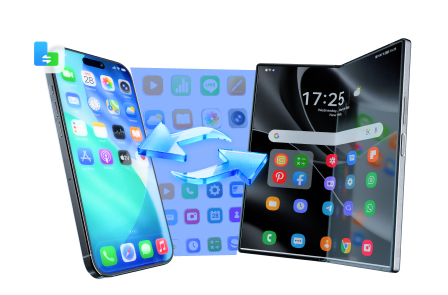
If that ecosystem shift is your current situation, the most appropriate and powerful tool is Dr.Fone - Phone Transfer. This robust utility allows you to seamlessly migrate your crucial data between completely different operating systems without the usual technical headaches or data loss associated with major smartphone upgrades.
By leveraging this specialized software, users can securely transfer supported contacts, media libraries, messages, and other data across platforms through a guided workflow. It entirely removes the anxiety of losing your digital history when abandoning one ecosystem for another. Here is a brief look at how effortlessly the process works:
-
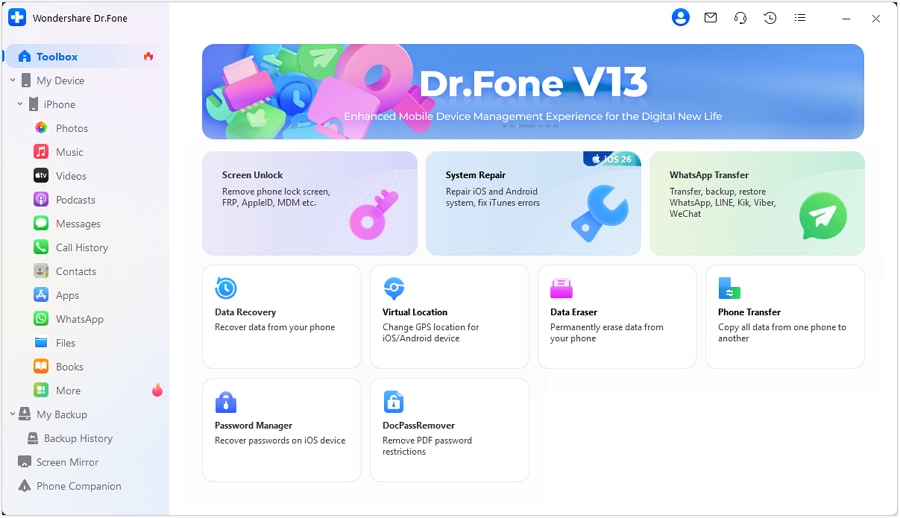
Step 1 Open Dr.Fone on your computer
Launch the Dr.Fone software suite on your PC or Mac and select the Phone Transfer module from the primary dashboard.
-
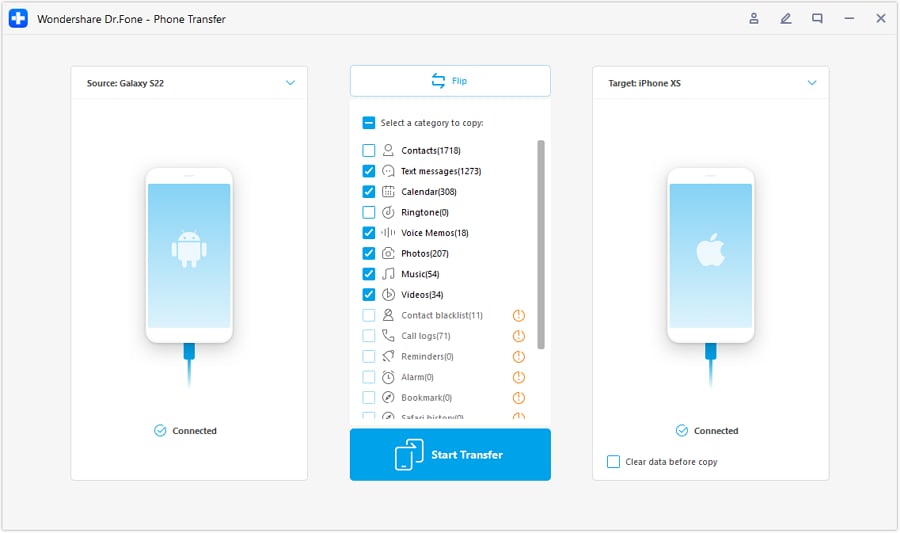
Step 2 Connect both your old phone and your new phone
Use highly reliable USB cables to connect both smartphones. Ensure you correctly designate the source device and the destination device on the screen.
-
Step 3 Choose Phone Transfer and select the content to migrate
Check the distinct boxes for the specific types of data you wish to move, such as photos, videos, call logs, and contacts.

-
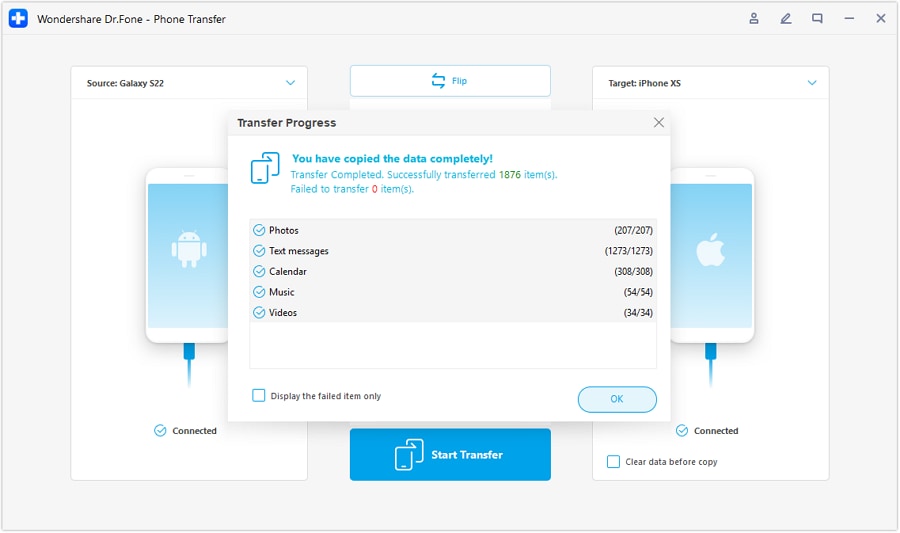
Step 4 Start the transfer and let the move finish before you begin setting up the new device
Click start and patiently wait for the progress bar to complete. Do not disconnect the cables until the software officially confirms a successful data migration.




Conclusion
The definitive answer to the Galaxy Buds4 Pro vs Sony WF-1000XM6 debate is not that one earbud completely destroys the other. Sony remains the stronger pure-performance pick because it generally leads in ANC, battery endurance, multipoint connectivity, and acoustic refinement. Conversely, Samsung represents the much easier daily comfort-and-value pick because it consistently wins on fit confidence, rugged IP57 weather ratings, accessible pricing, and deeply integrated Galaxy-specific convenience. The broader Reddit discussion immensely improved this comparison by exposing the real emotional reality behind premium tech purchases: everyday buyers are not genuinely looking for a theoretically perfect earbud. They are simply looking for the inevitable compromise they will regret the least during their daily commute.
If navigating this premium earbuds comparison happens to be part of a much broader leap across Android ecosystems, Dr.Fone - Phone Transfer is a practical software option for making that hardware transition more manageable.
FAQs
-
1. Which is better in Galaxy Buds4 Pro vs Sony WF-1000XM6 for ANC?
Sony is generally the stronger Active Noise Cancellation (ANC) choice based on review consensus, although fit and ear-tip seal can materially affect real-world results. Samsung's Adaptive ANC 2.0 remains competitive for everyday use. -
2. Which is better for Samsung phone users?
The Galaxy Buds4 Pro is often the better choice for dedicated Samsung phone users. This is largely due to proprietary ecosystem conveniences like the Samsung Seamless Codec for high-res audio, immediate auto-switching between Galaxy tablets and phones, and a universally praised ergonomic fit that sits comfortably in most ears. -
3. Which earbud model provides better real-world battery life?
The Sony WF-1000XM6 features clearly stronger battery endurance. Sony officially rates the WF-1000XM6 for up to 8 hours of continuous playback with noise canceling enabled, compared with Samsung's official rating of up to 6 hours for Galaxy Buds4 Pro with ANC enabled. Actual results vary by usage. -
4. Why do some users still prefer Samsung if Sony performs better technically?
Technical performance isn't everything in a wearable device. Many users prefer Samsung because long-term comfort, seamless OS behavior, lower retail price, and superior IP57 water durability often matter substantially more in daily life than a modest ANC advantage in controlled testing or a slight bump in treble refinement.
 Add Wondershare Dr.Fone as a preferred source on Google