Transfer WhatsApp Swiftly between iOS and Android.

 100% Security Verified | No Subscription Required | No Malware

 :
: 
 ChatGPT
 Perplexity
 Gemini
 Claude
 Grok
Grok
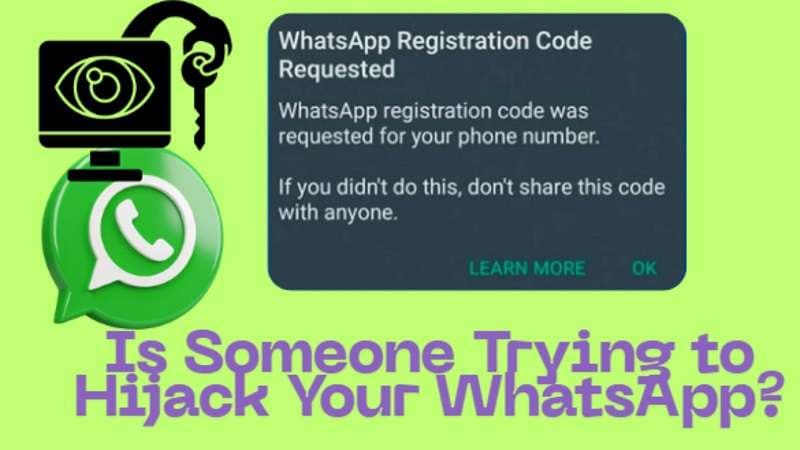
Are you repeatedly seeing an alert that says, "WhatsApp registration code was requested for your phone number," even though you never initiated it? This can be unsettling, and it’s a clear signal that you need to pay attention to your account's security.
This notification means that your phone number has been entered into the WhatsApp registration process on another device. While it could be an innocent mistake by someone typing the wrong number, repeated alerts often suggest something more deliberate. Someone might be trying to gain unauthorized access to your account, either as a prank or for malicious purposes like scams or data theft.
Ignoring these persistent warnings is risky. In this guide, we'll explain exactly why you're receiving these code requests and provide a clear, step-by-step action plan to secure your account, prevent unauthorized access, and protect your personal data. We will also show you how to securely back up your important chats so they are never at risk of being lost.
In this article
Part 1. What's Behind the Repeated WhatsApp Registration Code Requests?
Receiving the "WhatsApp registration code was requested for your phone number" alert can be alarming, especially when you're not trying to set up a new device. While a single occurrence could be a simple typo from another user, persistent requests signal a potential security threat.
Here’s a breakdown of what might be happening:
- Random Number Probing: Attackers often use automated scripts to enter random phone numbers into WhatsApp's registration system. Their goal is to identify active accounts they can target for a takeover. If your number is on their list, you might see these requests frequently.
- Targeted Attack: Unlike a random probe, this is a deliberate attempt to access your specific account. Someone who knows your number is intentionally trying to register it on their device, hoping you'll mistakenly share the verification code with them.
- Brute Force Attempts: In a brute force attack, a hacker repeatedly attempts to guess or acquire your verification code through various methods. They rely on persistence, hoping you will eventually become complacent or confused and reveal the code.
- Account Takeover Goal: The ultimate objective is to seize control of your account. Once they have the verification code, they can log you out of your device, access your private conversations, and impersonate you to scam your contacts.

The danger is real. If an attacker succeeds, they can:
- Steal personal information from your chats and media.
- Impersonate you to ask your friends and family for money.
- Use your contact list for spamming or phishing campaigns.
- Potentially get your account suspended by WhatsApp for violating terms of service.
The trigger is simple: someone enters your number on the WhatsApp login screen and taps "Next." WhatsApp then automatically sends the six-digit verification SMS to your registered phone. This is when you see the alert. The attacker is waiting, hoping to get that code from you through social engineering or other means. Never share it. Your vigilance is the first and most important line of defense.
Part 2. How to Stop Unsolicited WhatsApp Code Requests
If you keep receiving alerts that a "WhatsApp registration code was requested for your phone number," you must take immediate action. While nobody can access your account without that 6-digit code, the repeated attempts signify a persistent threat. Fortunately, there are effective measures you can take to secure your account.
First and foremost, the golden rule: NEVER share your verification code. WhatsApp will never ask for it, and no legitimate service will either. That code is the only key to your account. Treat it as confidentially as you would your bank password.
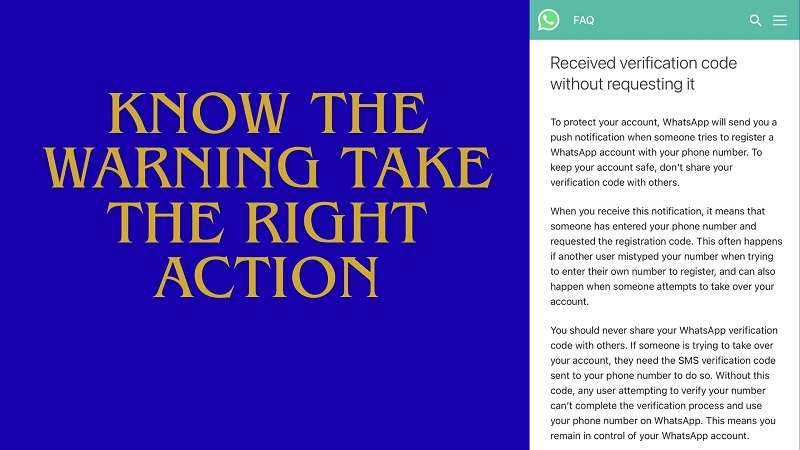
With that crucial rule in mind, let's proceed with three robust methods to protect your data and block any unauthorized access attempts for good.
Method 1: Securely Backup and Transfer Your WhatsApp Data
Before anything else, safeguarding your existing conversations, photos, and videos is a top priority. In a worst-case scenario where an attacker gains access, you risk losing years of precious data. A reliable backup is your safety net.
While WhatsApp offers native cloud backups, a more powerful solution like Dr.Fone - WhatsApp Transfer gives you complete control and peace of mind. Instead of relying solely on iCloud or Google Drive, Dr.Fone allows you to store your entire WhatsApp history directly on your computer. This means your data is safe and accessible even if your WhatsApp account is compromised or suspended.
Key Advantages of Dr.Fone – WhatsApp Transfer
When you're dealing with alerts that a WhatsApp registration code was requested for your phone, having a secure offline backup is crucial. Here's how Dr.Fone helps:
- One-Click PC/Mac Backup: Easily save all your WhatsApp chats, attachments, and media from any iPhone or Android device directly to your computer with a single click.
- Cross-Platform Flexibility: Seamlessly transfer your WhatsApp data between different operating systems (iOS to Android, Android to iOS) when you switch phones.
- Selective Restore & Export: Preview your backup files and choose exactly which conversations or media you want to restore or export to your computer as HTML/PDF files.
- Data Integrity: The entire process is secure and encrypted, ensuring your private conversations remain private without any data loss or overwriting.
 Transfer WhatsApp across Android & iOS.
- Backup & restore WhatsApp to PC securely.
- Preview & export chats selectively.
- Works with all iPhone & Android models.
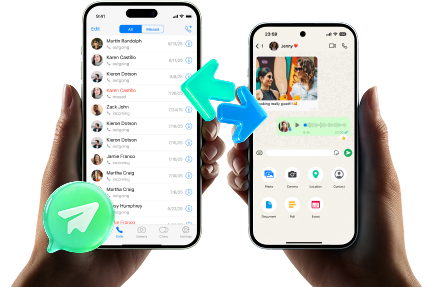
How to Back Up Your WhatsApp Chats Using Dr.Fone
Follow these straightforward steps to create a secure backup of your WhatsApp data on your computer.
-
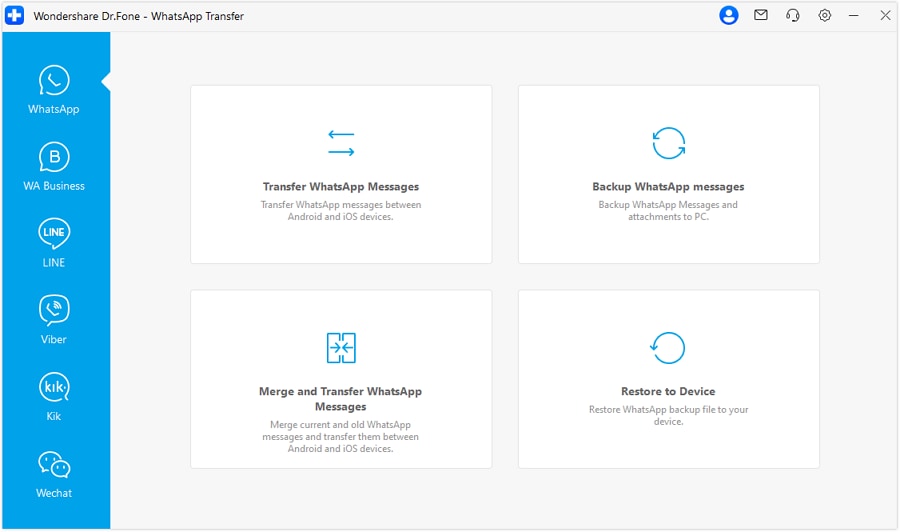
Step 1 Connect Your Phone and Launch the Tool
Download and install Dr.Fone on your computer. Open the program and navigate to Toolbox > WhatsApp Transfer. Connect your phone to the computer via a USB cable and select "Back Up WhatsApp Messages."
-
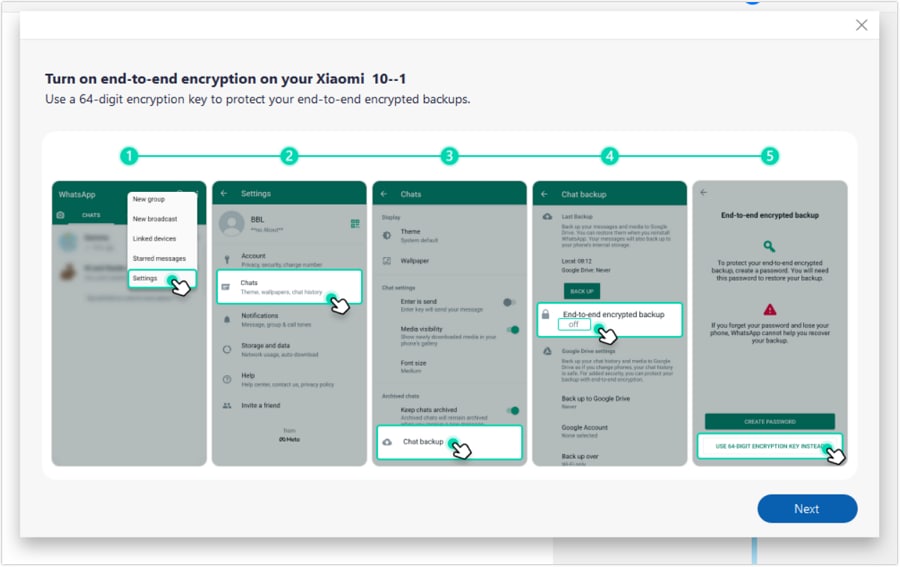
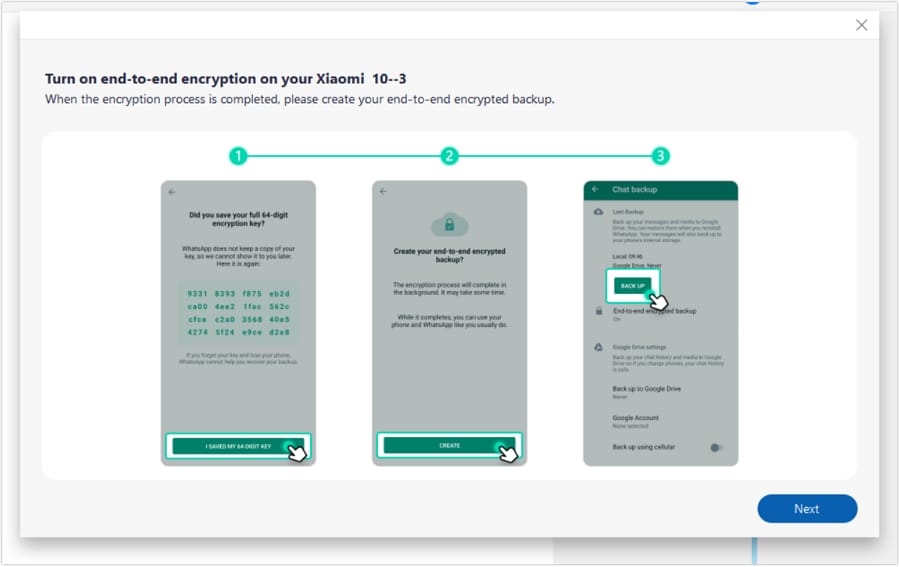
Step 2 Enable End-to-End Encrypted Backup
Follow the on-screen prompts. On your phone, go to WhatsApp Settings > Chats > Chat backup > End-to-end encrypted backup. Turn it on and choose "Use 64-digit encryption key instead."
-
Step 3 Generate and Scan the 64-Digit Key
WhatsApp will generate a unique key. Tap "Generate Your 64-Digit Key." Now, use the scanner in the Dr.Fone interface to capture this key directly from your phone's screen. Once scanned, confirm by tapping "I have saved my 64-digit key" on your phone and then click "Next" on your computer.
-
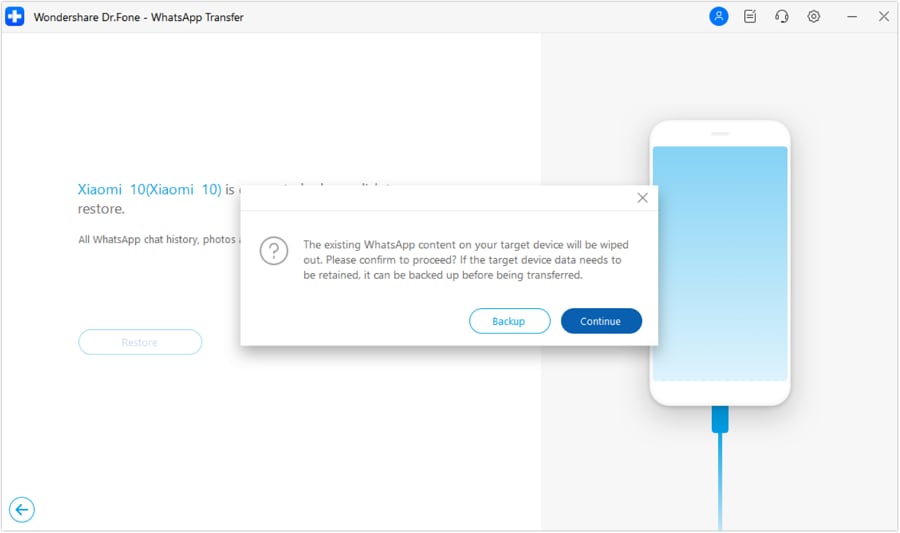
Step 4 Complete the Backup Process
Dr.Fone will now begin backing up all your WhatsApp data to the computer. Keep your phone connected until the process is complete. You can view the backup file from the main interface once it's finished.
Method 2: Enable Two-Step Verification for Ultimate Protection
If you're concerned about someone trying to register your number, enabling two-step verification is the single most effective security measure you can take. This feature adds a second layer of security by requiring a six-digit PIN whenever your phone number is registered with WhatsApp again. Even if someone gets your SMS verification code, they won't be able to access your account without this PIN.
2.1 How to Enable it on Android
-
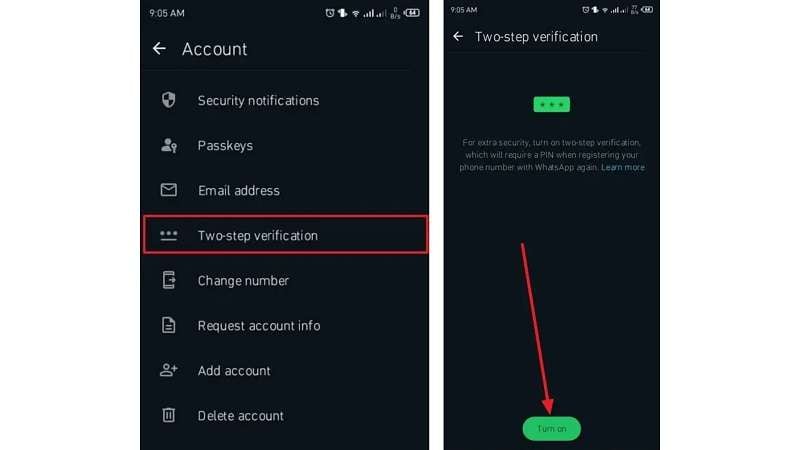
Step 1 Navigate to Account Settings
Open WhatsApp, tap the three-dot menu in the top-right corner, and go to Settings > Account.
-
Step 2 Activate Two-Step Verification
Select Two-step verification and tap Turn on. You will be prompted to create a memorable 6-digit PIN. Enter it and confirm.
-
Step 3 Add a Recovery Email
Provide a valid email address. This is crucial for resetting your PIN if you ever forget it. Confirm the email address to complete the setup.
2.2 How to Enable it on iPhone
-
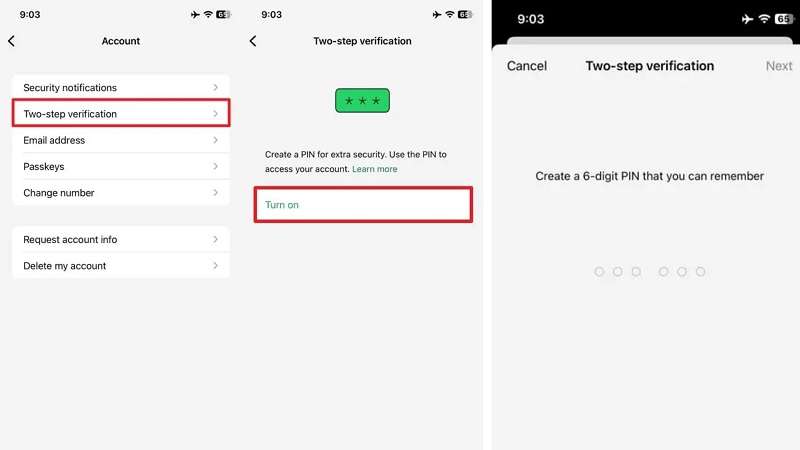
Step 1 Go to Account Settings
Launch WhatsApp and tap Settings in the bottom-right corner. Then, go to Account.
-
Step 2 Turn On Two-Step Verification
Tap on Two-Step Verification and select Enable. Create and confirm your unique 6-digit PIN.
-
Step 3 Set Your Recovery Email
Enter an email address that you can access easily. This will allow you to regain access if you forget your PIN. Confirm the email, and you're all set.
Method 3: Contact WhatsApp Support for Persistent Issues
If you've enabled two-step verification and the unsolicited code requests continue, it's time to escalate the issue to WhatsApp's official support team. Continuous alerts could indicate a persistent, targeted attack on your number, and WhatsApp can investigate the activity from their end.
Contacting them is straightforward and can provide an official record of the harassment, potentially leading to the blocking of the attacker's IP address or device.
Here’s the best way to do it:
- Open WhatsApp on your device.
- Go to Settings > Help > Contact Us.
- A text box will appear. Clearly and concisely describe the problem. For example: "I am continuously receiving unsolicited WhatsApp registration code requests for my phone number. I have not initiated these requests and I am concerned about the security of my account. I have already enabled two-step verification."
- Include any relevant details, like when the requests started. Do not share any personal information like your PIN.
- Submit your message. The support team will respond within the app or via email. Follow their instructions carefully to resolve the issue.
Conclusion
Encountering the "WhatsApp registration code was requested for your phone number" alert can be unnerving, but now you have a comprehensive action plan. We've explored the reasons behind these unwanted notifications and provided three robust solutions to protect your account. The most critical step is to immediately enable two-step verification, which acts as a powerful barrier against unauthorized access.
In addition, creating a secure, independent backup of your chats with a tool like Dr.Fone - WhatsApp Transfer ensures your data is safe no matter what. It offers unparalleled control and flexibility that native backups lack. By taking these proactive steps—securing your account and backing up your data—you can confidently use WhatsApp, knowing your conversations and personal information are well-protected from any potential threats.




FAQ
-
1. What does it mean if I get a WhatsApp registration code I didn’t ask for?
This alert means someone has entered your phone number into WhatsApp's registration screen on another device. It could be an honest mistake, but if it happens repeatedly, it's likely a deliberate attempt to gain access to your account. -
2. Can my WhatsApp be hacked without the registration code?
No. Accessing your account is impossible without the 6-digit verification code sent to your phone. However, persistent requests are a major red flag, and you should enable two-step verification immediately to add a second layer of security (a PIN) that only you know. -
3. What is the first thing I should do if I get an unsolicited code?
Do not panic and, most importantly, do not share the code with anyone. The safest immediate action is to enable two-step verification in your WhatsApp settings. This will prevent anyone from activating your account on a new device even if they somehow get the SMS code. -
4. Why is using Dr.Fone - WhatsApp Transfer better than the standard cloud backup?
Dr.Fone provides an offline backup on your computer, giving you direct control over your data. Unlike cloud backups tied to your account, a Dr.Fone backup remains accessible even if your WhatsApp account is hacked, suspended, or you switch between iPhone and Android. It also allows for selective restoration of specific chats.
 Add Wondershare Dr.Fone as a preferred source on Google