Teleport your device anywhere instantly with one click.


 100% Security Verified | No Subscription Required | No Malware

 :

 ChatGPT
 Perplexity
 Gemini
 Claude
 Grok
The right phone tracking app depends on what you are trying to locate. Recovering your own missing handset, sharing a journey with family, and keeping a route log are different jobs. A free built-in recovery service is often enough for the first; permission-based sharing or a specialist recorder may suit the others.
This 2026 comparison keeps eleven options in view, including Google's device-finding service, Apple Find My, Samsung SmartThings Find, Life360, FamiSafe, uMobix, mSpy, EyeZy, Glympse, FollowMee, and the generically named GPS Phone Tracker. It also explains the separate role of GPS simulation. The entries are a feature-based comparison, not a claim that every app has been independently tested on every phone.
Use an account-linked recovery tool for a lost device, agreed location sharing for people, and offline logging for routes that can be uploaded later. A remote viewer cannot receive continuous updates from a phone that has no communication channel.
Check permissions, supported operating systems, and the actual renewal price before paying. GPS simulation changes reported coordinates on a supported device; it is not a substitute for lost-phone recovery or a guarantee against tracking.
In this article
Part 1. Three Free Device-Finding Tools and Their Platform Limits
Start with the recovery service associated with the missing phone's account. Google's and Samsung's services are relevant to Android owners. Apple Find My appears here for comparison with the original shortlist, but it does not turn an Android phone into an Apple-tracked device. These tools still require preparation, supported hardware, and the correct account.
| Service | Devices and useful controls |
|---|---|
| Google Find Hub, formerly Find My Device | Supported Android devices; map location, ringing, lost-device controls and erasure |
| Apple Find My | Apple devices and compatible accessories; finding, Lost Mode and family-device assistance |
| Samsung SmartThings Find | Compatible Galaxy products; account-based finding and conditional offline detection |
1-1. Google's Find My Device, Now Find Hub
Best fit: an Android owner trying to recover or secure a device connected to their Google Account. Google now calls the service Find Hub; older screenshots and instructions may still use Find My Device.
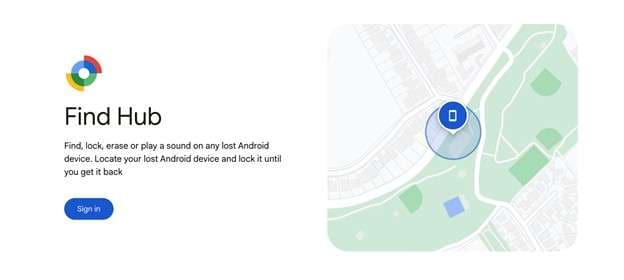
Adding a Google Account normally turns on the device-finding service, but that is not a reason to skip checking it before a loss. The map can show an available current or recent position. An accuracy circle and timestamp matter: a pin is an estimate, not proof of someone's exact position inside a building.
- Play sound rings a supported phone at full volume for five minutes, including when it is on silent.
- Mark as lost can secure the device and show contact details to someone who finds it.
- Remote factory reset protects data when recovery is no longer realistic; it is a destructive action and removes the Android device from Find Hub.
- Device details can include battery or connection information when available.
- Encrypted recent-location storage and the crowdsourced Find Hub network provide conditional offline finding, rather than requiring every location report to come from the missing phone's own internet connection.
- No separate recovery subscription for the core Google service.
- Account integration makes it a sensible first check for an Android loss.
- Ringing, lost-device controls and data protection are combined in one service.
- Google provides official recovery instructions and account-security controls.
- You need the correct account or an authorized family-management relationship.
- Offline results depend on settings, compatible hardware and nearby network participants.
- Locking or erasing requires the device to have power and a data connection.
- It is not a license to monitor an unrelated person's phone.
1-2. Apple Find My
Best fit: locating Apple hardware or assisting a family member through Apple's supported sharing arrangements. It is an Apple-ecosystem service, even if you access parts of device recovery in a web browser.
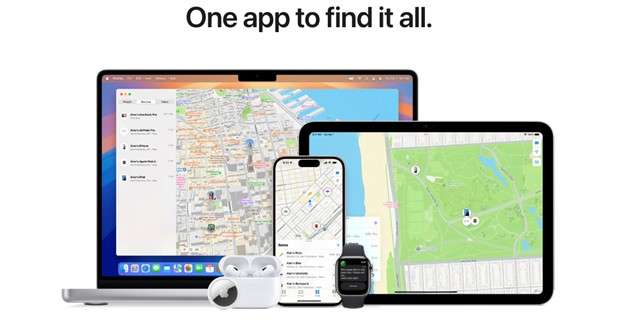
Find My separates devices, people and items. Device recovery can show a map position, play a sound or mark hardware as lost. Sharing a person's location is a separate permission-based feature; membership of a family group does not make every private location automatically available.
- Inspect the available device location and its time before following directions.
- Use Play Sound for a nearby misplaced device.
- Lost Mode can lock supported hardware and display recovery contact information.
- Remote erasure is a separate last-resort control, not the same operation as Lost Mode.
- AirTags and other compatible items use supported Find My features and the encrypted Bluetooth-based network.
- Family Sharing can help you locate eligible family devices when configured appropriately.
- Integrated with supported Apple devices rather than requiring a general-purpose tracker.
- Combines recovery actions with encrypted network-assisted finding.
- Useful for both personal hardware and configured family-device assistance.
- Some devices can be found when not connected directly to the internet.
- Not an Android-device tracking service.
- Find My and relevant network settings must be enabled in advance.
- Available actions and offline behavior vary by device and software.
- Cross-platform family sharing may be simpler with a dedicated consent-based app.
1-3. Samsung SmartThings Find
Best fit: Galaxy owners looking for supported phones, tablets or accessories linked to their Samsung account.
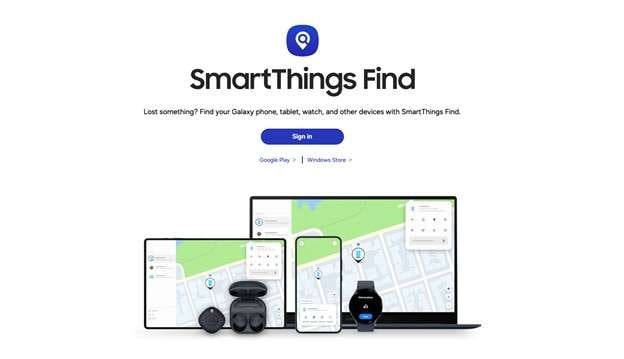
Samsung's finding tools combine account registration with available device signals. Offline finding means a compatible nearby Galaxy device may relay a Bluetooth detection. It does not mean the missing phone transmits a fresh GPS fix to you without any network infrastructure.
- Look for the registered Galaxy product on the service's map.
- Ring supported hardware when it may be nearby.
- Check the remote lock or erase actions offered for that particular device.
- Enable supported offline-finding settings before you need them.
- A natural starting point for a Galaxy-only household.
- Network-assisted detection can help when a supported device is offline.
- Several registered Galaxy products can be managed through the same account.
- Coverage is limited to eligible Samsung products and features.
- Fresh offline sightings depend on other compatible devices being nearby.
- Power, account registration and enabled settings affect what can be recovered.
Part 2. Three Paid Android Tracking Options
Paid tools can add history, alerts and parental controls, but collecting more information is not always better. Agree who can see location data, how long it is retained, and what happens when someone withdraws permission. The following comparison does not assign invented test scores or repeat unverified introductory prices as permanent monthly costs.
| App | Main purpose | Rating basis | Payment considerations |
|---|---|---|---|
| Life360 | Family Circles, agreed sharing and plan-dependent safety features | Not independently scored here | Free and paid tiers; check local plan and renewal terms |
| FamiSafe | Parental location tools alongside screen-time and content controls | Not independently scored here | Subscription; annual-equivalent pricing differs from monthly billing |
| uMobix | Broader parental monitoring on supported Android devices | Not independently scored here | Paid access; verify device eligibility and included features |
2-1. Life360
Best fit: families who deliberately share their locations and want one place for everyday journey coordination.
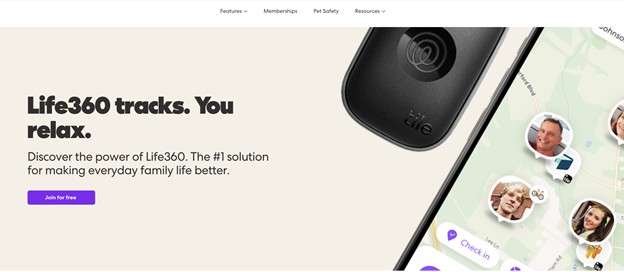
Life360 organizes members into Circles. The shared map is useful for arrival coordination, while higher tiers may add longer history or additional safety services. A subscription does not guarantee uninterrupted updates when permissions are disabled, the battery is depleted or a connection is missing.
- Share location with selected Circle members using the required permissions.
- Use place-based alerts and available location history to reduce repeated check-in messages.
- Review driving information where the device, country and plan support it.
- Check the exact conditions for crash detection, emergency assistance or dispatch rather than treating those labels as identical.
- Confirm whether roadside assistance or theft-related benefits exist in your region and tier.
- Designed around a shared family view rather than just one missing phone.
- Can connect households using both iPhone and Android.
- Some paid memberships extend benefits to eligible Circle members.
- History length and safety benefits vary by tier and country.
- Background location access can increase battery use.
- Every member should understand the sharing arrangement.
2-2. FamiSafe
Best fit: parents seeking location information together with age-appropriate device-use controls.
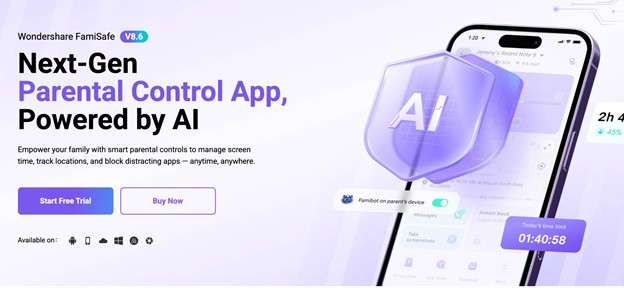
Wondershare's FamiSafe combines GPS-related features with digital-parenting tools. Its official feature list includes location history, geofencing, app rules, web filtering and screen-time management. Availability is not identical on Android, iOS and desktop systems, so compare the child device's feature list rather than assuming a desktop license adds phone GPS functions.
- Set safe zones and review supported entry or exit notifications.
- Inspect route and driving reports where that feature is supported.
- Apply screen-time schedules and app rules for the child's platform.
- Use activity reports and web filters alongside a clear family agreement.
- Location and device-use controls are available within the same product family.
- Wondershare publishes separate feature information for supported platforms.
- Safe-zone alerts can reduce the need for constant manual map checks.
- Suitable when parental control, not only handset recovery, is the actual requirement.
- Many controls require paid access and correct permissions.
- A broad dashboard may be excessive for occasional location sharing.
- Weak connectivity and background restrictions can delay updates.
2-3. uMobix
Best fit: legally authorized parental monitoring when basic location sharing does not meet the stated need. The vendor currently presents uMobix as a parental-control product, not as a general enterprise device-management replacement.
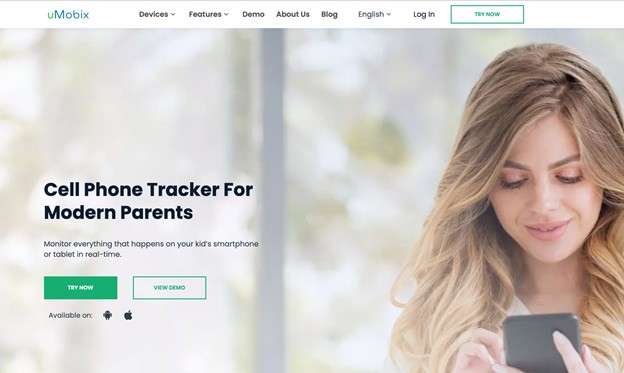
The service advertises GPS history alongside supported communication and app-activity reports. Its setup requires access to the managed device and relevant permissions. Do not install monitoring software on another adult's phone without their informed authorization, and do not assume an employer can collect personal messages simply because it owns a handset.
- Review the supported Android versions before subscribing.
- Check whether call records, messages, browsing reports or specific social-app data are included for that device.
- Distinguish periodically synchronized dashboard data from a continuous live feed.
- Treat screenshot or remote-activity functions as sensitive monitoring features requiring a legitimate, disclosed purpose.
- Combines several vendor-described monitoring categories in one dashboard.
- Location history adds context to supported activity reports.
- May suit a specific parental-supervision need after compatibility checks.
- Setup, permissions and device access are prerequisites.
- Paid access is distinct from simply creating an account.
- More collected data creates additional consent and account-security obligations.
Part 3. Three iPhone Tracking and Sharing Choices
On iPhone, distinguish monitoring software from voluntary trip sharing. The first category may depend on a particular sync method and limited data access; the second lets someone knowingly share a journey. Neither should be described as unrestricted access to every iPhone or private account.
| App | Intended use | Rating basis | Cost and setup check |
|---|---|---|---|
| mSpy | Parental reports for supported device and sync configurations | No independent score assigned | Paid plan; confirm the iPhone connection method |
| EyeZy | Vendor-described monitoring and configured alerts | No independent score assigned | Paid plan; confirm which functions work on that iPhone |
| Glympse | Temporary, link-based journey sharing | No independent score assigned | Consumer and business offerings differ; do not assume one subscription price |
3-1. mSpy
Best fit: a clearly authorized parental-supervision arrangement with a verified installation or sync method.
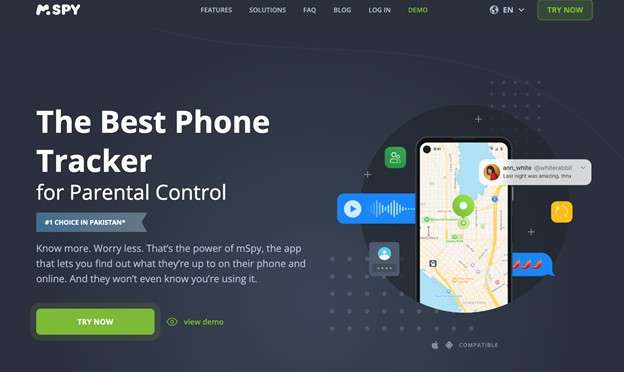
mSpy markets location and communication reporting through an online control panel. Its iPhone capabilities depend on the supported connection method, operating system and permissions. An iCloud-related setup, a local sync option and a jailbreak-based configuration are not interchangeable, and advertised Android functions should not automatically be attributed to an iPhone.
- Check whether location history and geofence alerts are available in your chosen configuration.
- Verify supported call or message reports separately.
- Ask about individual social apps rather than assuming every WhatsApp, Instagram or Snapchat interaction is accessible.
- Confirm the conditions for browsing and app-usage reports before purchase.
- A web dashboard can organize several supported report types.
- The vendor offers different device and connection options.
- Some configurations avoid jailbreaking, but functionality must be checked individually.
- Full monitoring is not a free service.
- Authorized device access or account setup may be necessary.
- Consent and local legal requirements remain the user's responsibility.
3-2. EyeZy
Best fit: parents comparing supported activity reports and alerts, with realistic expectations about what an alert can establish.
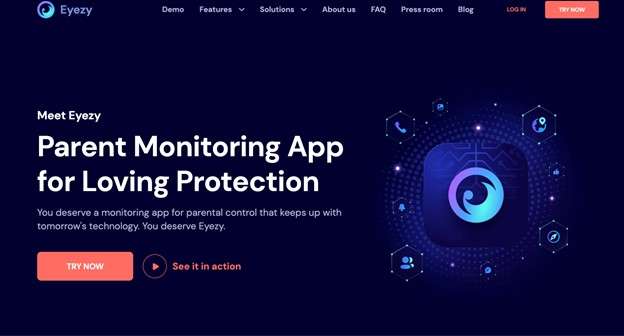
EyeZy advertises parental monitoring and AI-assisted alerts. Those are vendor feature descriptions, not an independent guarantee that a system can accurately identify danger. A flagged word needs context, and an absent alert does not prove that an interaction is safe.
- Verify location and history support for the exact iPhone setup.
- Configure available keyword or activity alerts deliberately.
- Check the supported social apps, including any restrictions on chats or media.
- Confirm whether geofence notifications, screen captures and activity reports exist for that platform.
- Protect the dashboard account because its reports may contain sensitive personal information.
- Configured alerts can focus attention on selected events.
- A visual dashboard brings supported reports together.
- Its stated product focus is parental digital supervision.
- Platform options can be compared before choosing a plan.
- A paid subscription does not remove compatibility restrictions.
- Setup can involve more work than a simple sharing app.
- Marketing references to AI should not be read as proven threat-detection accuracy.
3-3. Glympse
Best fit: sharing progress on a particular trip rather than maintaining a permanent monitoring dashboard.
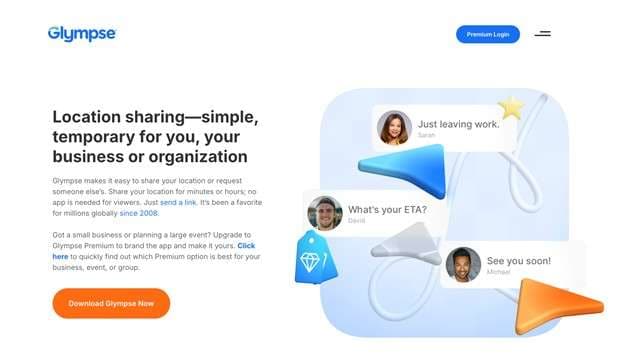
Glympse's consumer sharing concept is a time-limited location link: someone chooses to share, and the recipient views that journey. It suits meetups, arrival coordination and short-term check-ins. The company's business and professional services are separate offerings, so an enterprise subscription should not be mistaken for the price of basic consumer sharing.
- Choose an expiry period rather than leaving sharing indefinitely enabled.
- A recipient can view a supported sharing link without installing the sender's full monitoring setup.
- Mobile sharing and browser viewing make the model useful across different devices.
- Group options, where available, should still be used with every participant's knowledge.
- Temporary sharing reduces the need for ongoing access.
- A link is straightforward for a recipient to open.
- Expiry creates a clear boundary for a one-off journey.
- Fresh remote updates require a working connection.
- Keep the link private while it is active.
- Check the current app listing rather than assuming every offering is free or accountless.
Part 4. Two Offline Phone-Tracking Entries Explained
Offline recording is not offline remote viewing. A phone may calculate coordinates from satellite signals and save them locally while it lacks mobile data. Those records cannot reach a distant dashboard until communication resumes. Buildings, terrain and poor satellite reception can also affect the recorded route.
| Entry | Offline role | Evidence limit | Cost check |
|---|---|---|---|
| FollowMee | Store GPS records for later synchronization | Verify current app permissions and plan | Do not rely on an undated annual-price claim |
| GPS Phone Tracker | Potential route logging, depending on the actual app | No developer or package identifier supplied | Free status and supported features cannot be established from the name alone |
4-1. FollowMee
Best fit: retaining a journey record when a managed phone moves through places with intermittent data coverage.
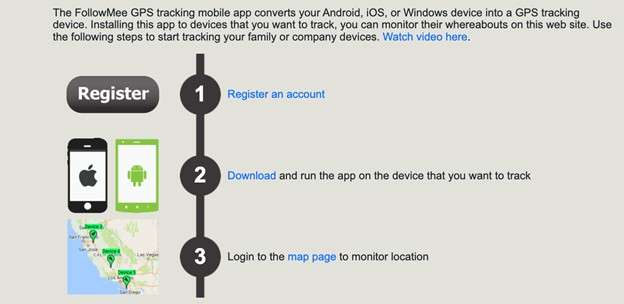
The original shortlist describes FollowMee as saving GPS samples on the phone and uploading them when connectivity returns. That store-and-forward model is useful for travel or an agreed family or fleet logging arrangement. It should not be sold as a way to watch a completely disconnected phone move in real time.
- Check that local location recording is enabled and allowed to run in the background.
- Distinguish a locally saved route from the last position visible online.
- Use the account dashboard for synchronized history and supported multi-device views.
- Test a short route and reconnection before relying on the setup for an important trip.
- Deferred upload can retain useful records through data-coverage gaps.
- Route history may be more relevant than frequent family-map check-ins.
- A dashboard can centralize authorized device logs.
- Online access requires account setup.
- The interface and reporting depth should be checked against your needs.
- No fresh remote report arrives until the device reconnects.
4-2. GPS Phone Tracker
Best fit: not determinable until the exact app is identified. Several products use similar names, and the source provides neither a publisher nor an app-store identifier.
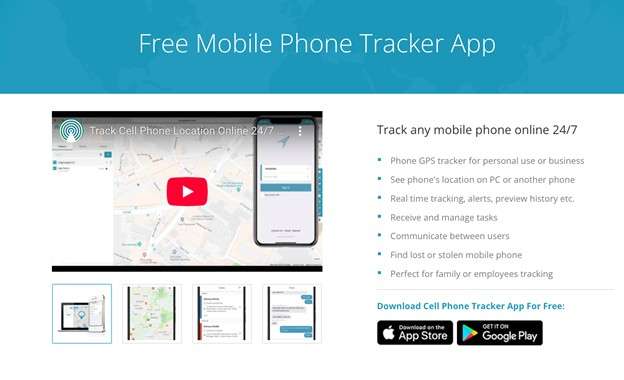
The intended use is a lightweight recorder that saves a travel path and synchronizes it later. Before treating this entry as a recommendation, confirm that the actual app supports offline storage, background recording and the platforms you use. Its name alone does not establish those capabilities, reliable reception or low data consumption.
- Verify satellite-based recording separately from online map display.
- Check whether saved samples upload automatically or require a manual action.
- Review any family or team-sharing feature and who receives its data.
- A simple logger may suit occasional trips better than a monitoring suite.
- Deferred synchronization may reduce the need for continuous uploads.
- Cross-platform viewing is useful only if the identified app actually supports it.
- Fully offline devices cannot send live updates to another person.
- Feature breadth, cost and privacy practices remain unverified for this generic entry.
Part 5. GPS Teleporting Is Different from Phone Tracking
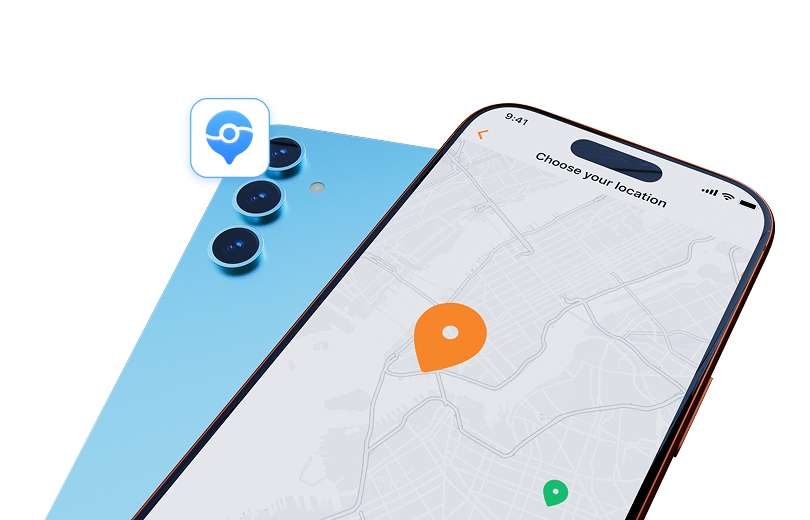
Tracking tools try to report where a device is. Dr.Fone - Virtual Location instead provides GPS simulation on supported connected devices. That distinction matters when comparing a lost-phone service with a location changer.
Dr.Fone - Virtual Location: Supported GPS Simulation
 Set your map route to simulate GPS movement.
- Set your wanted movement speed.
- HD and large map view to check location.
- Fake GPS location to anywhere.
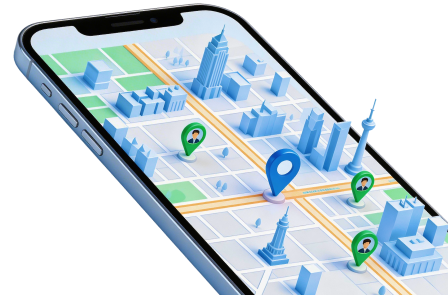
Teleport Mode selects another coordinate on a map; route modes simulate travel between points with configurable movement settings. These features can serve legitimate location-based testing or demonstrations. Check the current device and operating-system requirements before connecting your own phone.
A simulated GPS position does not change every possible location signal, encrypt internet traffic or guarantee that a family-sharing service will show a chosen result. Apps can combine account data, network information and their own checks. Do not rely on this tool for emergency-location accuracy or as a promise of anonymity.
Teleport Your GPS Location: Complete Walkthrough
Step 1 Prepare the desktop application
Install the appropriate Windows or Mac version and review its compatibility requirements. Use a phone you own or are authorized to manage.
Step 2 Connect the phone and select Teleport Mode
Launch the software, connect the mobile device and complete the connection prompts. In the illustrated interface, Teleport Mode is the first icon from the left in the upper-right mode group.
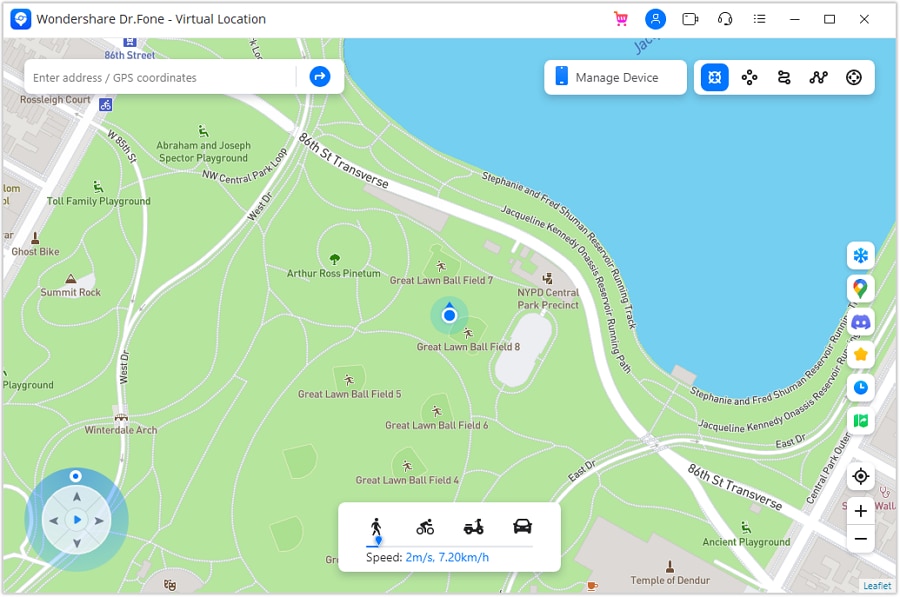
Step 3 Search for the intended destination
Enter the address or location in the search field and press Enter. Inspect the result so that a similarly named place is not selected by mistake.
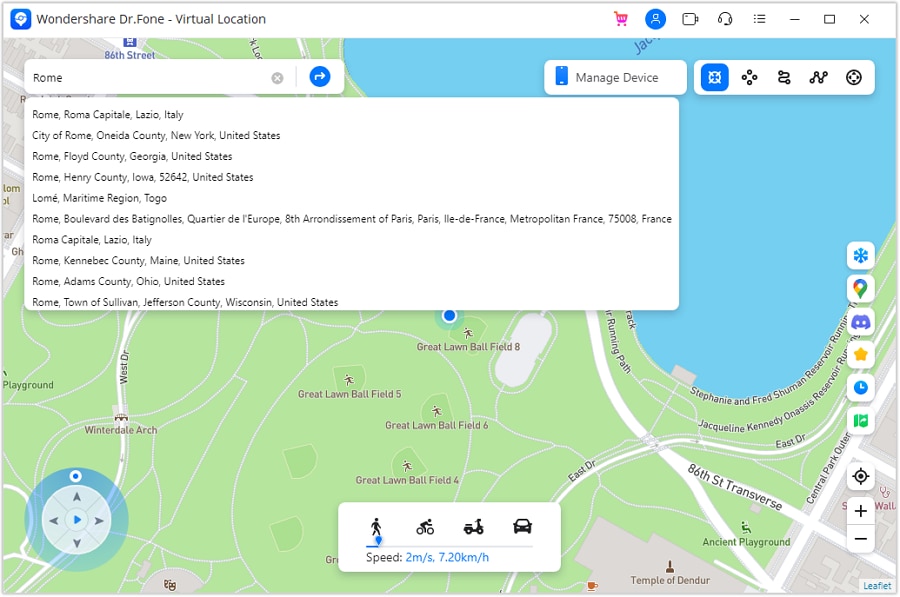
Step 4 Confirm the map selection
Review the destination pin, then select Move Here when it matches the intended coordinate.
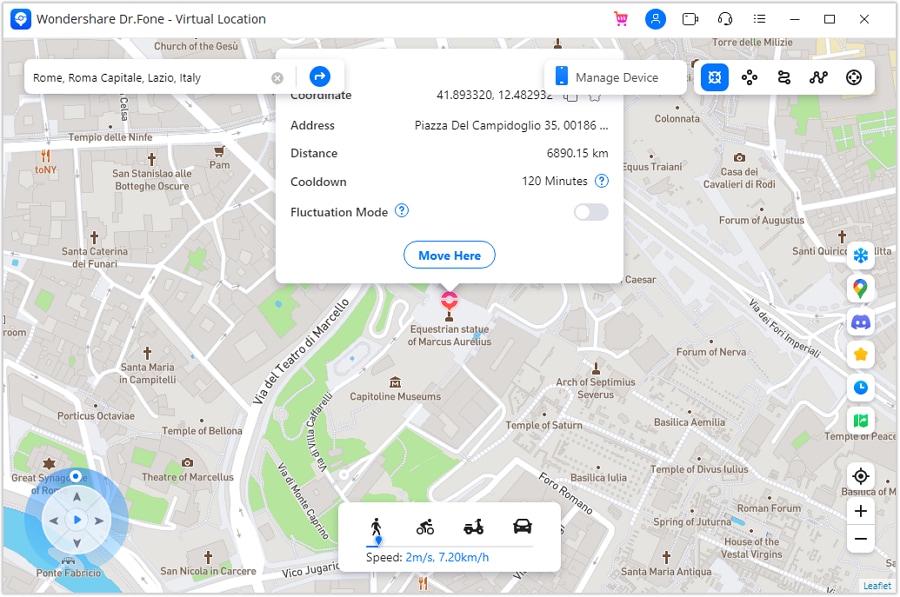
The computer map should now display the selected virtual position.
Check the phone's maps app to verify the result before using another location-based feature. Interface details may differ between versions. When finished, follow the software's restart-device prompt to restore the actual location, then check it again on the phone.




Conclusion
For a missing handset, begin with the official service for its ecosystem. For voluntary family coordination, compare sharing permissions and plan terms before choosing a third-party app. If coverage is intermittent, separate a stored journey log from real-time reporting. A GPS simulator belongs in a different category: it changes supported location reports rather than recovering a lost phone or providing guaranteed privacy.
Obtain software from its official source and inspect permissions before setup.
FAQ
1. Can a free phone tracking app locate someone without permission?
 Legitimate recovery and sharing tools require an authorized account relationship, enabled settings or permission-based sharing. A phone number alone does not grant access to another person's location. Use explicit authorization and follow applicable law.
2. Can an Android tracking app work without internet?
Some apps can save GPS samples locally. The remote viewer receives those records only after upload. Official offline-finding networks are a separate mechanism that depends on compatible nearby devices and enabled settings.3. Which free tool should an iPhone family try first?
Apple Find My is a practical starting point for supported Apple devices. Configure Family Sharing or location sharing deliberately, and remember that current position, last-known position and offline-network sightings are different kinds of information.4. Is a GPS location changer also a phone tracker?
No. A tracker attempts to report a device's location; a location changer simulates coordinates on a supported device. Simulation does not recover an unrelated missing phone, replace sharing permissions or guarantee that every app displays the same position.
 Add Wondershare Dr.Fone as a preferred source on Google