Effortlessly manage data through preview, delete, export, etc.

 100% Security Verified | No Subscription Required | No Malware

 :
: 
 ChatGPT
 Perplexity
 Gemini
 Claude
 Grok
Grok

I reset my phone, tapped “Restore” during setup, and waited—but my texts never came back. Now I’m not sure if Google backup failed or if everything is still stuck on the old device.
Forum user
Google Messages or SMS can feel “gone” after a reset, a device switch, or a failed restore—especially on phones like a Samsung Galaxy S22 or Google Pixel 7. This often happens right after you tap Restore during setup or restart the phone, and nothing seems to change even after several minutes.
AI (like ChatGPT or Gemini) can help you analyze symptoms, narrow down whether you’re dealing with a Google backup mismatch, a device/setup issue, or a local database that still exists but isn’t being surfaced.
AI can’t verify what’s actually inside your Google account or extract data from your device. Trial-and-error steps (repeated resets, overwriting storage, re-syncing blindly) can increase the chance of losing local-only messages or locking you out of the only device that still has them.
In this article
- Part 1. Why Android messages aren’t restoring from Google backup
- What “missing messages” usually means
- Common triggers during setup and switching phones
- Why restores feel uncertain (sync vs wrong account vs not backed up)
- Before you prompt the AI (prep checklist)
- Part 2. Using AI prompts to diagnose restore options safely
- Part 3. When to stop troubleshooting and avoid risks
- Part 4. When access is the blocker: plan execution without overwriting data
- Part 5. Unlock Android screen to attempt message recovery safely (Dr.Fone)
Part 1. Why Android messages aren’t restoring from Google backup
Message restore problems usually mean one of two things: the messages were never included in a backup, or they’re stored locally (or in an app-specific store) and weren’t carried over during setup. Some carriers and OEM messaging apps also handle SMS/RCS differently, which can make restores look incomplete.
A common trigger is switching phones and restoring during initial setup, then realizing only some threads appear (or none). Another trigger is a factory reset after a crash, followed by signing in and expecting Google to repopulate messages automatically.
The uncertainty is normal: it’s often unclear whether you’re waiting on a sync, using the wrong Google account, missing a prerequisite (like enabling backup), or whether the only copy is still on the old phone—but locked behind a screen you can’t access.
1-1. Before You Prompt the AI
Gather a few basics first so the AI can narrow causes quickly:
- Phone brand/model and Android version
- Messaging app used (Google Messages, Samsung Messages, other)
- SMS vs RCS/Chat features status
- What changed right before the issue (new phone, reset, reinstall, restore attempt)
- Whether the old device is still available and accessible
- Whether you can sign in to the same Google account(s)
Part 2. Using AI prompts to diagnose Android message restore options safely
2-1. Level 1: Basic Prompt
My Android messages didn’t restore after I signed in and tried to restore from Google. Ask me the minimum questions needed to determine whether this is a Google backup issue or a local-only messages situation, and suggest the safest next steps that minimize overwrite risk.
2-2. Level 2: Advanced Prompt
Diagnose why my Android SMS/RCS messages are missing after restore.
Task: List the top 5 likely causes, ranked by probability, and for each: (1) what evidence would confirm it, (2) a low-risk check I can do, and (3) what actions to avoid because they could overwrite local data.
Constraints: Do not assume I can access the old phone. Do not recommend factory reset unless clearly justified.
2-3. Level 3: Evidence Prompt
Help me decide between Google backup restore vs local recovery for Android messages using evidence.
Device & setup
- Phone model: (e.g., Pixel 7 / Galaxy S22)
- Android version:
- Messaging app: (Google Messages / Samsung Messages / other)
- SMS, RCS, or both:
- Trigger event: (e.g., factory reset, new phone setup, app reinstall)
- What I did: (e.g., tapped “Restore” during setup, then signed into Google)
Accounts & backup
- Google account(s) used: (one or more)
- Google One/Backup status I can see (if any):
- Last time messages were definitely present:
Current symptoms
- What’s missing: (all threads / some / only recent)
- Do new incoming messages work now: (yes/no)
- Old device status: (available + unlocked / available but locked / not available)
Output format
1) A decision tree with 3–6 branches
2) The safest next step per branch
3) A short “avoid list” to reduce overwrite risk
2-4. Prompt Refinement
If the first AI answer is broad, use follow-ups to force clarity:
What single missing detail would change your recommendation most, and how can I check it safely?
Separate causes into Google account/backup, device/setup, messaging app/RCS, and local storage categories.
Rank the causes again, but only using the evidence I provided—no assumptions.
What are the top 3 signs that messages still exist locally on the old phone vs being unrecoverable from Google?
List actions that can overwrite local databases and explain why they’re risky.
2-5. AI Output vs Reality
AI will give you hypotheses; your device state determines what’s actually possible:
| AI says | Reality check you still need |
|---|---|
| “Use the correct Google account.” | You must verify which account actually had the backup on that date. |
| “It’s still syncing—wait.” | Some restores never include messages; waiting won’t create data that isn’t in backup. |
| “Reinstall the messaging app.” | Reinstalls can reset app state; they don’t guarantee retrieval of old local data. |
| “Use local recovery from the old device.” | This depends on whether the old phone is accessible and not overwritten. |
AI can help you choose the lowest-risk path and what evidence to collect. Execution still depends on whether you can access the device and complete the required steps safely.
Part 3. When to stop troubleshooting missing Android messages and avoid risks
Stop “trying random fixes” if you hit any of these signals:
- You suspect the only copy is on the old phone, and you might overwrite it by resetting, migrating again, or clearing storage.
- The old phone is locked (PIN/pattern/FRP) and repeated attempts could trigger lockouts or delays.
- You’re considering a factory reset “just to retry restore,” but you can’t confirm messages are in Google backup.
- You see conflicting accounts/devices and aren’t sure which one contains the last known good message history.
Once you’ve used AI to narrow the likely cause, the next step is choosing a practical execution path—often starting with regaining safe access to the device that still holds the data.
Part 4. When access is the blocker: plan execution without overwriting data
If your best branch is “messages may still be on the old phone,” being locked out blocks every low-risk check (confirming the right account, verifying message history, turning on backup, or exporting). In that moment, the safest approach is to prioritize device access first—then verify what’s actually on-device before making any destructive changes.
Part 5. Unlock Android screen so you can attempt message recovery safely (Dr.Fone)
If your best branch is “messages may still be on the old phone,” being locked out blocks every low-risk check. In that moment, Dr.Fone - Screen Unlock (Android) becomes relevant as the execution step: it helps you regain device access so you can proceed with the recovery plan you and AI already mapped—without adding more guesswork.
 Unlock Android phone in seconds.
- Remove PIN, pattern, password, fingerprint.
- Bypass Google FRP lock easily.
- Works on all Android brands & models.
- No tech skills required – user-friendly.
-
Step 1 Confirm the device state
Identify whether it’s a screen lock (PIN/pattern/password) and avoid repeated attempts if the phone is increasing timeouts.
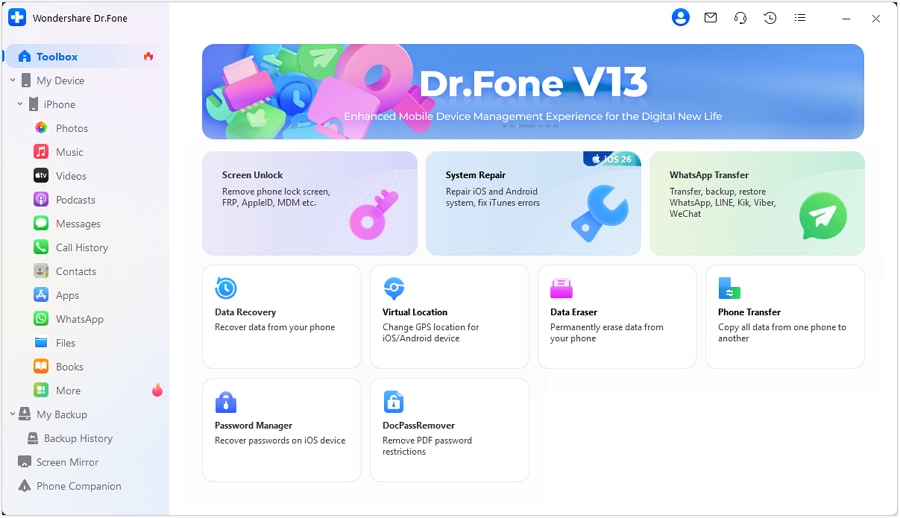
-
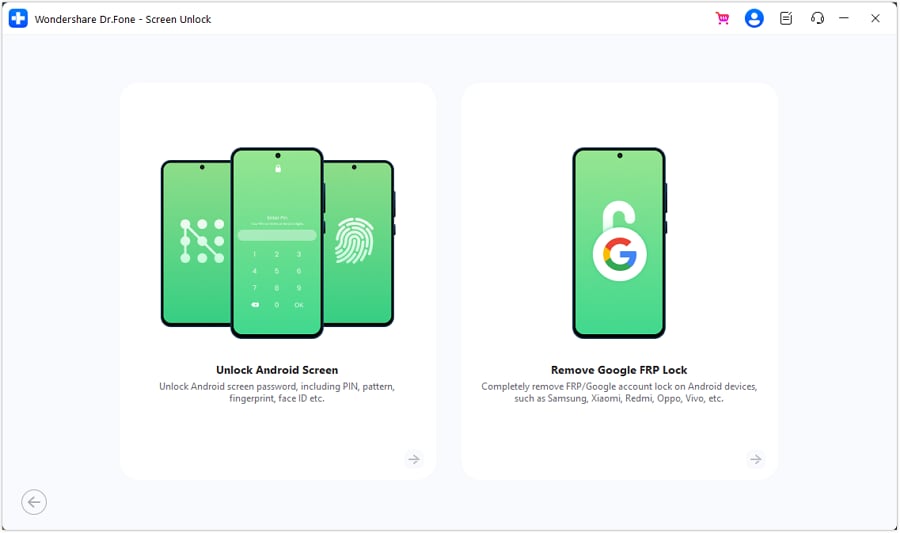
Step 2 Open Dr.Fone Screen Unlock
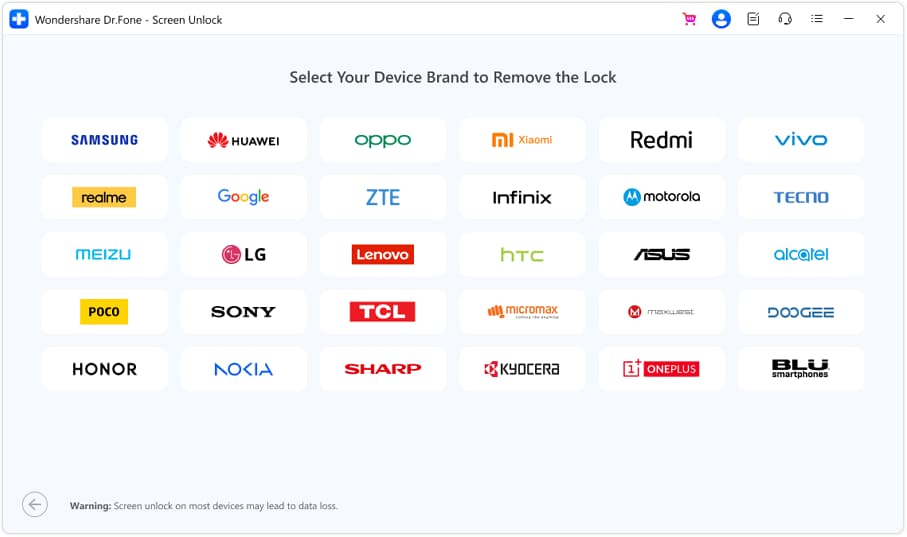
Choose the Android screen unlock function and select the correct device brand/model carefully to reduce missteps.
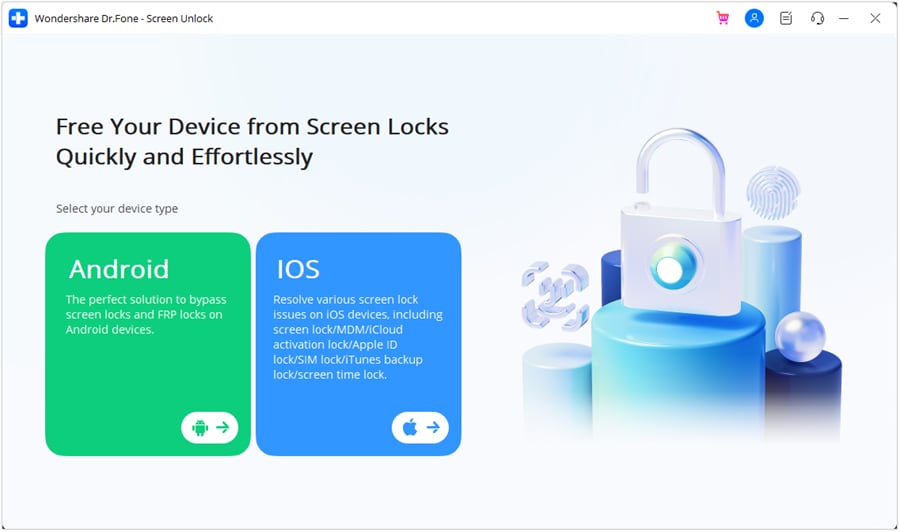
-
Step 3 Follow the on-screen unlock flow
Proceed step-by-step and don’t disconnect during the process to avoid interruptions.
-
Step 4 Re-check messages and backup options
Once accessible, verify whether messages are present locally and whether Google backup/sync is correctly configured before making changes.
-
Step 5 Proceed with the least-destructive next step
Only then decide whether to migrate, restore, or export, based on what you can confirm.




Conclusion
Use AI to sort the evidence, rank the most likely causes, and choose the lowest-risk next move—then hand off execution to a practical tool when access is the blocker, such as unlocking the Android screen so you can confirm what’s actually recoverable and proceed safely.
FAQ
-
Does Google backup include SMS or Google Messages by default?
It depends on Android version, device, and backup settings; some setups back up SMS, but RCS/chat content often doesn’t restore the same way as SMS. -
Why did only some message threads restore on my new phone?
Common reasons include using a different Google account, backup being outdated, SMS vs RCS differences, or the old messages never being included in the backup set. -
Is waiting for sync likely to bring back missing old messages?
Waiting can help if a restore is genuinely in progress, but it won’t recreate messages that were never backed up or are only stored locally on another device. -
What should I avoid doing if I think messages are only on the old phone?
Avoid factory resets, repeated migration attempts, and clearing app/storage until you’ve confirmed whether the old device still contains the messages. -
How does unlocking my Android help with message recovery decisions?
Unlocking restores access so you can verify whether messages still exist locally, confirm the correct account, enable backup, or export—before taking higher-risk steps.
 Add Wondershare Dr.Fone as a preferred source on Google