Effortlessly manage data through preview, delete, export, etc.

 100% Security Verified | No Subscription Required | No Malware

 :
: 
 ChatGPT
 Perplexity
 Gemini
 Claude
 Grok
Grok

My kid kept tapping “Try again” and now the tablet just says “too many attempts” and feels stuck. I can’t tell if it’s a timer or if it’s fully locked.
Reddit user, r/AndroidQuestions
A family Android tablet can suddenly become unusable after too many incorrect PIN attempts—often right after a kid taps “Try again” repeatedly or after you restart the device and the lock screen returns with a timeout. Nothing seems to change after several minutes, and it’s unclear whether the tablet is waiting out a timer or fully locked.
AI (like ChatGPT or Gemini) can help you interpret what the lockout message means, narrow likely causes (timeout vs Google/FRP vs device policy), and choose low-risk next steps based on your tablet model and Android version.
AI can’t verify what’s happening on the device or bypass the lock. Trial-and-error (random PINs, repeated reboots, factory reset) can increase lock timers or trigger account verification screens, so it’s better to diagnose first.
In this article
- Part 1. Why family tablet lockouts happen (and what the message means)
- Common lockout behaviors you may see
- Why it varies by brand and Android version
- Why Android tablets can differ from iPhone lockouts
- Before you prompt the AI (what to collect)
- Part 2. Using AI prompts to diagnose safely
- Part 3. When to stop troubleshooting and avoid risks
- Part 4. AI output vs reality (what you still must verify)
- Part 5. Resolve it safely with Dr.Fone
Part 1. Why family tablet locked after too many wrong pins happens and what it means
This usually happens when the tablet’s security policy detects repeated incorrect PINs/patterns and responds with a cooldown timer, a temporary lock, or (in some cases) an enforced wipe policy. On shared devices, this is common after kids guess codes, or after someone changes the screen lock and forgets it.
1-1. Common lockout behaviors you may see
What you see can vary by brand (Samsung, Lenovo, Huawei, Amazon Fire, etc.) and Android version: messages like “Try again in 30 seconds/minutes,” “Too many attempts,” or prompts to use a Google account (older Android) may appear.
1-2. Why Android tablets can differ from iPhone lockouts
Even if you’ve seen similar lockouts on phones (e.g., iPhone 13 or iPhone 14), Android tablets can behave differently—especially if device admin, work/school profiles, or FRP (Factory Reset Protection) are involved.
1-3. Before You Prompt the AI
Collect these basics so the AI can narrow the most likely lockout type:
- Tablet brand + model (check the back or box if you can)
- Approx. Android version (if known)
- What the screen says exactly (quote it)
- Any visible options (Emergency call, Forgot PIN, Use Google account)
- Whether it’s Wi‑Fi connected and whether you know the Google account on it
- What happened right before (too many attempts, restart, update, new PIN)
Part 2. Using AI prompts to diagnose family tablet locked after too many wrong pins safely
2-1. Level 1: Basic Prompt
My family Android tablet is locked after too many wrong PIN attempts. The screen says: “[paste exact message]”. The tablet is a [brand/model if known]. What are the most likely reasons, and what are the safest next steps that won’t risk data loss?
2-2. Level 2: Advanced Prompt
Act like a cautious device triage assistant. Based on the lock screen message below, rank the top 5 likely scenarios (cooldown timer, forgotten PIN, Google/FRP verification risk, device admin/work profile policy, hardware/button issues) from most to least likely.
Message: “[exact text]”
Brand/model: “[if known]”
Recent trigger: “[e.g., kid entered wrong PIN 10 times, then we restarted]”
For each scenario: (1) what evidence would confirm it, (2) low-risk checks I can do now, (3) what NOT to do because it could increase lockouts or trigger extra verification.
2-3. Level 3: Evidence Prompt
Help me identify the lockout type and safest resolution path for an Android tablet locked after too many wrong PINs. Use only cautious steps and clearly label anything that risks data loss.
Evidence:
- Tablet brand:
- Tablet model: (e.g., “Samsung Tab A8”)
- Android version (guess if needed):
- Lock method: (PIN / pattern / password / unknown)
- Exact on-screen message: (e.g., “Try again in 30 seconds”)
- Timer shown? (yes/no; how long)
- “Forgot PIN/Pattern” option present? (yes/no)
- Google account previously on device? (yes/no/unsure)
- Work/school managed device or kids profile? (yes/no/unsure)
- Connected to Wi‑Fi now? (yes/no/unsure)
- What happened right before: (e.g., “too many attempts,” “after tapping Install Now,” “after restart”)
- Goal: (regain access / avoid losing photos / prepare for reset)
Output:
1) Most likely scenario + why
2) What to check next (lowest risk first)
3) Stop signs that mean I should avoid further trial-and-error
4) Options if I don’t know the PIN but need access
2-4. Prompt Refinement
Use these follow-ups to tighten the diagnosis:
“What 3 questions do you still need answered to distinguish cooldown timer vs full lock vs FRP risk?”
“Separate possibilities into: (A) time-based lockout, (B) credential forgotten, (C) account verification/FRP, (D) device policy/work profile. What evidence points to each?”
“Rank the likely causes again assuming the device is [Samsung/Lenovo/etc.], and tell me which causes change most by brand.”
“Which single detail on the screen is the strongest clue (exact wording/buttons), and what should I photograph or write down?”
“If I wait 30–60 minutes without attempts, what outcomes would confirm a timeout lock vs something else?”
Part 3. When to stop troubleshooting family tablet locked after too many wrong pins and avoid risks
Stop and reassess when the signals suggest you’re moving from “cooldown” into “complication.”
- The timer keeps increasing after each attempt, or the device stops showing a timer at all
- You see prompts that imply account verification (e.g., “Sign in with Google”) and you’re unsure which account is on the tablet
- The tablet is work/school-managed (MDM/device admin) or shows policy-related warnings
- You’re considering a factory reset but you haven’t confirmed you can pass the post-reset sign-in requirement
Once you’ve identified which lockout type you’re dealing with, you can move from diagnosis to a controlled execution step that matches your risk tolerance.
Part 4. AI Output vs Reality
AI can help you reason about risk, but it can’t validate the device state. Use this to keep expectations realistic.
| What AI can infer | What you still must verify on the tablet |
|---|---|
| Whether the message sounds like a cooldown timer | The exact wording, timer behavior, and available buttons |
| Whether repeated attempts may extend the lock | How the lockout duration changes after each attempt |
| Whether FRP/account verification is likely | Whether you know the Google account and can sign in later |
| Which next steps are lowest risk | Which method matches your brand/model and your data priorities |
AI narrows the safest path; the actual access step depends on your specific tablet model, Android version, and what the lock screen allows.
Part 5. Family tablet locked after too many wrong pins: resolve it safely with Dr.Fone
After you’ve confirmed this is a screen-lock problem (not a simple waiting timer) and you want a practical way to proceed, Dr.Fone - Screen Unlock (Android) is relevant because it’s built specifically to unlock Android screen locks using a guided workflow, rather than relying on repeated guesses or uncertain reset paths. This is especially useful on shared family tablets where the correct PIN isn’t available and you want a clearer, more controlled next step.
 Unlock Android phone in seconds.
- Remove PIN, pattern, password, fingerprint.
- Bypass Google FRP lock easily.
- Works on all Android brands & models.
- No tech skills required – user-friendly.
-
Step 1 Prepare the computer and cable
Install Dr.Fone and connect the tablet via USB. If the connection drops, avoid unstable hubs and try a different cable/port.
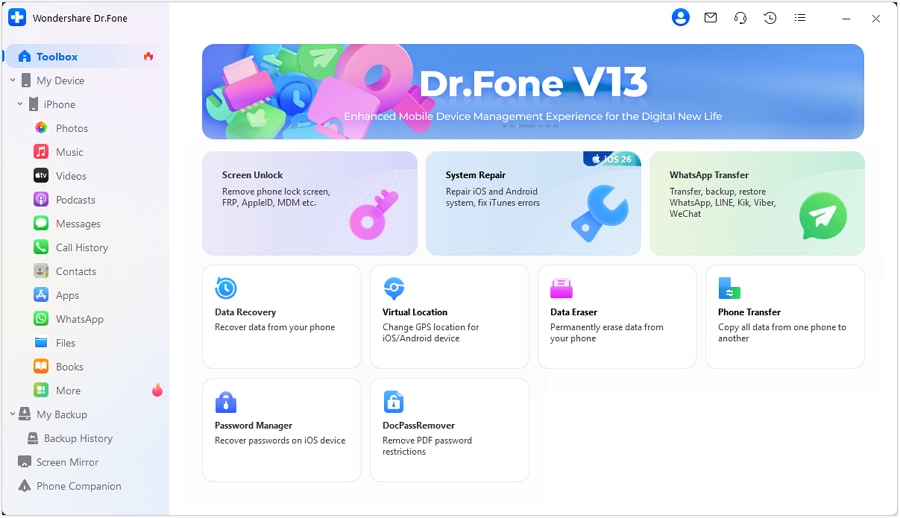
-
Step 2 Open Screen Unlock (Android)
Select the Android screen unlock function and confirm you’re working on the correct device.
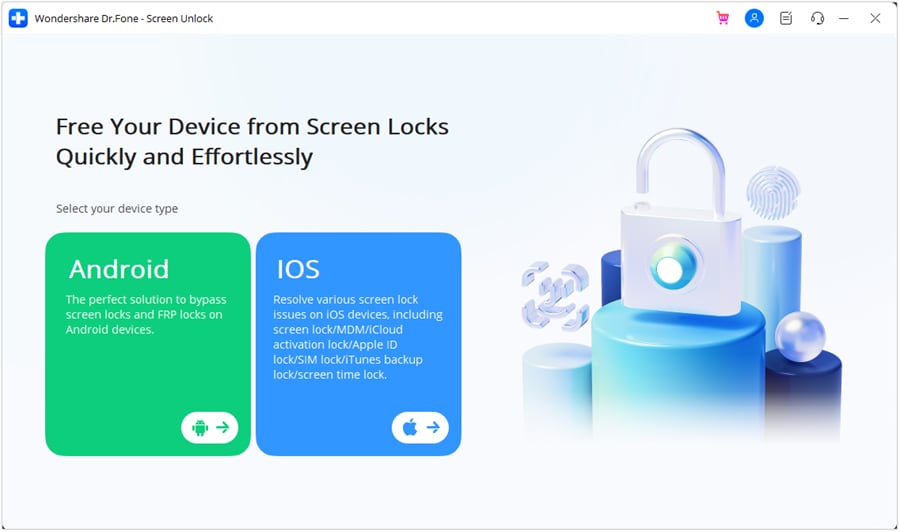
-
Step 3 Access the remove screen lock function
Continue to the removal flow as prompted on-screen.
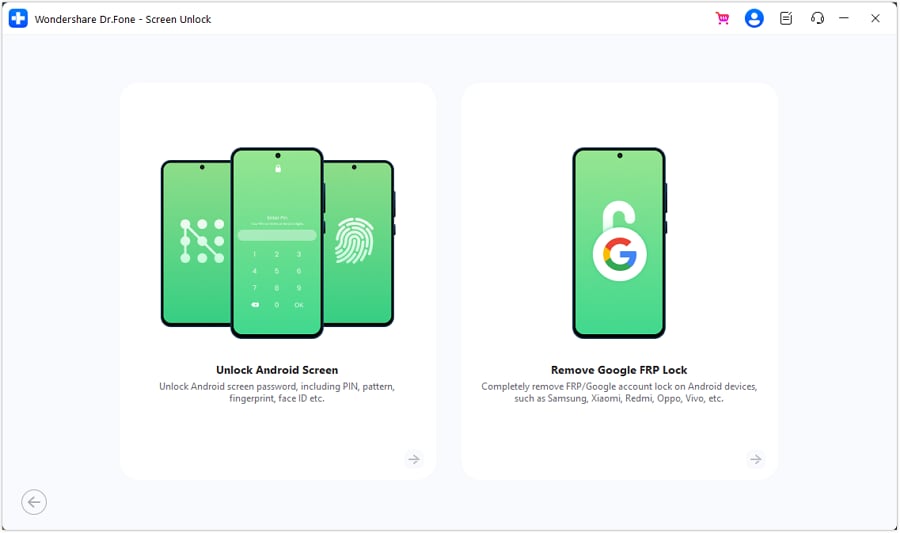
-
Step 4 Choose the device details carefully and follow the guided flow
Follow the on-screen selection for brand/model, then proceed step-by-step. Don’t interrupt the process once it begins.
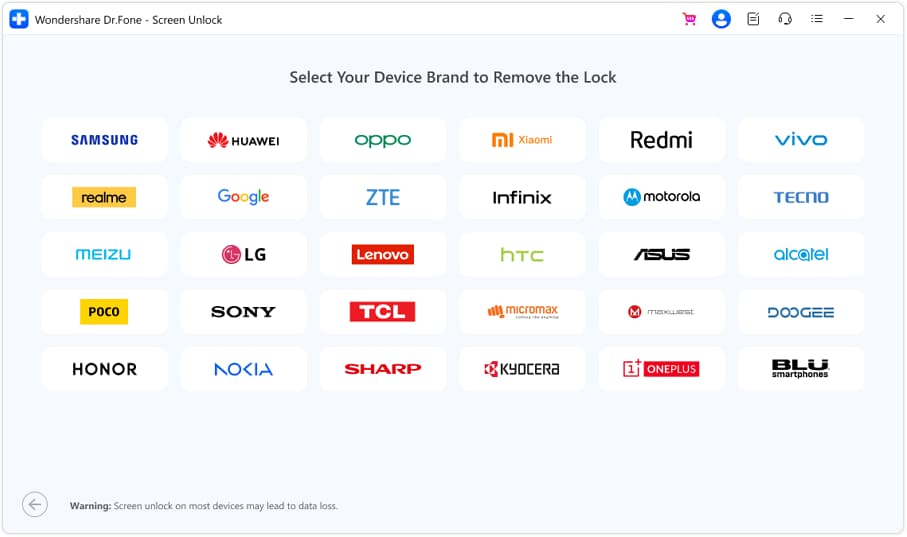
After access returns, be ready to sign into the device owner’s accounts if Android requests verification.




Conclusion
Use AI to interpret the lockout message, rank the most likely causes, and choose low-risk checks that avoid escalating timeouts or triggering extra verification; once you’re confident it’s a screen-lock situation that needs action, hand off the execution to Dr.Fone – Screen Unlock (Android) to carry out the unlock workflow in a controlled way.
FAQ
-
Why does the lock timer keep getting longer on my tablet?
Many Android builds extend the cooldown after each new failed attempt to slow guessing; waiting without attempts is often safer than retrying. -
Does restarting the tablet remove the “too many attempts” lockout?
Usually no; a restart may keep the same cooldown policy and can sometimes make the situation feel “stuck” if the timer isn’t clearly displayed. -
What does it mean if I see a Google sign-in prompt after lockouts?
It often indicates an account-based recovery path (older Android) or that account verification could be required; proceed carefully if you’re unsure which Google account is on the device. -
Will a factory reset avoid the PIN problem?
A reset removes local data and may still require the previously synced Google account during setup (FRP), so it can trade a PIN problem for an account-verification problem. -
What information should I gather before trying an unlock tool?
Brand/model, Android version (if known), the exact lock screen message, and whether you know the device’s Google account credentials.
 Add Wondershare Dr.Fone as a preferred source on Google