Effortlessly manage data through preview, delete, export, etc.

 100% Security Verified | No Subscription Required | No Malware

 :
: 
 ChatGPT
 Perplexity
 Gemini
 Claude
 Grok
Grok

After an iOS update, a whole message thread disappeared from my iPhone, but I can still see parts of it on my Mac. I’m afraid that trying random iCloud toggles or restores will make it worse—what’s the safest way to figure out what happened?
Apple Support Community user
Deleted text messages on an iPhone can feel sudden—especially after tapping Delete on a thread, finishing an iOS update, or restoring a device like an iPhone 13 or iPhone 14. AI tools (like ChatGPT or Gemini) can help you triage the symptoms, narrow the most likely causes (deletion vs. sync vs. restore), and decide the lowest-risk next step based on what you still have (backup, other devices, carrier logs). AI can’t “reach into” your phone, iCloud, or carrier systems, and trial-and-error steps (like toggling iCloud settings or restoring backups) can create avoidable data loss—so use prompts to plan first, then execute carefully.
In this article
- Part 1. Why “deleted texts” happens and what it means
- What “deleted texts” can mean
- Common triggers that cause messages to vanish
- Why “some missing” vs “all missing” matters
- Before you prompt the AI: details to gather
- Part 2. Using AI prompts for iPhone message recovery safely
- Part 3. When to stop iPhone SMS recovery attempts and avoid risks
- Part 4. AI output vs reality (decision map vs execution)
- Part 5. Unlock Android Screen (when your recovery plan depends on SMS/evidence)
Part 1. Why recover deleted text messages on iphone happens and what it means
“Deleted texts” can mean different things: a message thread was truly removed, messages stopped appearing due to iCloud Messages sync, or an iPhone restore brought back an older state that doesn’t include recent conversations. The difference matters because the safest next step depends on which scenario you’re in.

Common triggers include: deleting a conversation by accident, enabling/disabling Messages in iCloud, signing into a new Apple ID, completing Install Now during an iOS update, or setting up the device again after a restart/restore.
Your uncertainty is the key signal: if some threads are missing but others remain, or messages still exist on an iPad/Mac, you may be dealing with sync/visibility rather than permanent removal.
1-1. Before You Prompt the AI
Gather these details first so the AI can narrow causes without guesswork:
- iOS version and approximate time the messages disappeared
- Whether Messages in iCloud is enabled (and whether it was changed recently)
- Whether messages still appear on other Apple devices (iPad, Mac)
- Whether you have an iCloud backup / computer backup and the date of the last one
- Whether you changed Apple ID, SIM, phone number, or restored the device recently
- Whether you’re missing one thread or many/all messages
Part 2. Using AI prompts for iPhone message recovery safely
2-1. Level 1: Basic Prompt
I deleted text messages on my iPhone and need a safe plan to figure out whether they’re truly deleted or just not syncing. Ask me the minimum questions you need, then give me the lowest-risk next steps in order.
2-2. Level 2: Advanced Prompt
Act like a cautious mobile troubleshooting triage assistant. Based on my answers, rank the most likely reasons my iPhone text messages are missing (deletion, iCloud Messages sync, restore/backup mismatch, Apple ID mismatch, storage/network issues). For each cause, list: (1) what evidence would confirm it, (2) the lowest-risk check I can do first, and (3) actions that could make recovery harder so I should avoid them.
2-3. Level 3: Evidence Prompt
Help me diagnose missing/deleted iPhone text messages using evidence.
My details:
- iPhone model: (e.g., iPhone 13 Pro)
- iOS version: (e.g., iOS 17.5)
- When it happened: (e.g., today after restart / after tapping Delete / after “Install Now”)
- Scope: (one thread / many threads / all messages)
- Messages in iCloud: (On/Off/Not sure)
- Other Apple devices: (e.g., messages still on Mac / missing everywhere)
- Apple ID status: (same Apple ID / recently changed)
- Backups available: (iCloud backup date / computer backup date / none)
- Storage + network: (low storage? unstable Wi‑Fi/cellular?)
- Anything else unusual: (e.g., SIM change, number change, eSIM swap)
Output format I want:
1) Top 3 most likely causes (ranked) with short reasoning
2) “Do first” checks (no data loss risk)
3) “Do later” actions (higher risk)
4) A stop point: tell me when I should stop and avoid making things worse
2-4. Prompt Refinement
If the AI answer feels generic, use these follow-ups to force clearer diagnosis:
What are the missing questions you still need from me to distinguish deletion vs. iCloud sync vs. restore?
Re-rank your causes assuming: messages still exist on my Mac but not on my iPhone—what changes?
Separate your plan into no-risk checks, low-risk checks, and high-risk actions.
List the single most diagnostic piece of evidence for each cause and how I can check it safely.
If I have an iCloud backup from before the deletion, what is the safest way to verify its date/content without overwriting current data?
Part 3. When to stop iPhone SMS recovery attempts and avoid risks
Use a stop rule to prevent “panic clicking” from turning a partial loss into a full overwrite.
- You’re about to erase/restore the iPhone without confirming the backup date and what it contains
- You’re repeatedly toggling Messages in iCloud and seeing syncing behave inconsistently across devices
- You don’t know which Apple ID is active, and sign-in/out attempts are causing more items to disappear
- You suspect the missing messages are tied to legal/financial/critical evidence and need a controlled process
Once AI helps you narrow the most likely scenario, shift from diagnosis to a tool-based action that matches the constraint you’re actually facing (account access, device access, or backup access).
Part 4. AI Output vs Reality
AI can guide decisions, but it can’t validate what’s actually on your devices or backups.
| What AI can help you do | What must be done in reality |
|---|---|
| Clarify whether this sounds like deletion, sync, or restore mismatch | Check iPhone/iCloud settings and other devices directly |
| Identify the safest order of checks | Perform checks carefully to avoid overwriting newer data |
| Suggest what evidence matters most | Confirm backup dates, Apple ID, and sync status in your account |
| Flag risky actions (restore, toggles, resets) | Use a controlled execution tool/workflow for any high-impact step |
AI output is a decision map; execution still depends on what’s available (backup dates, other devices, account access) and careful, reversible steps.
Part 5. Unlock Android Screen
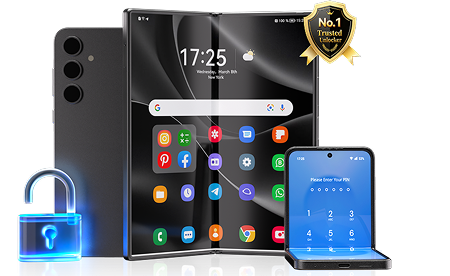
If your iPhone message recovery plan depends on information you can’t currently access—like a verification SMS, a migrated conversation, or a linked account prompt on an older Android phone—execution can stall. In that case, the practical next step may be regaining access to the locked Android device first, so you can view messages, receive one-time codes, or confirm account details without guessing. Dr.Fone - Screen Unlock (Android) is relevant at this stage because it focuses on removing the Android lock screen so you can proceed with the steps your AI diagnosis identified (without the AI attempting any device actions).
 Unlock Android phone in seconds.
- Remove PIN, pattern, password, fingerprint.
- Bypass Google FRP lock easily.
- Works on all Android brands & models.
- No tech skills required – user-friendly.
-
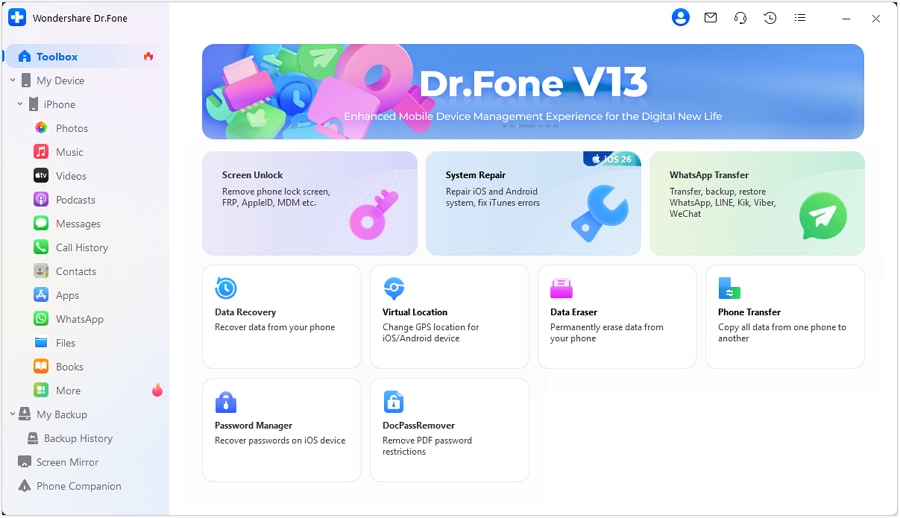
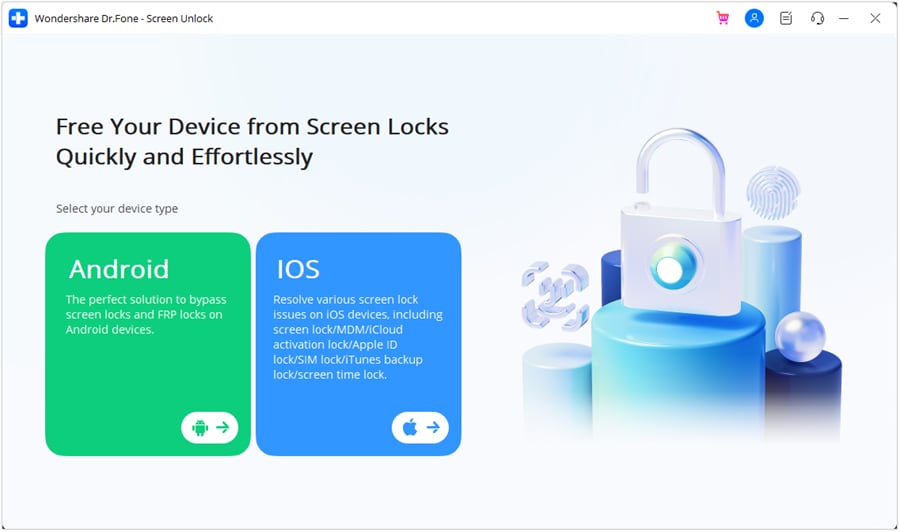
Step 1 Open Screen Unlock (Android)
Install and launch the Dr.Fone module for Android screen unlocking on a trusted computer.
-
Step 2 Connect the locked Android device
Plug in the phone via USB and keep it connected steadily to avoid interruptions mid-process.
-
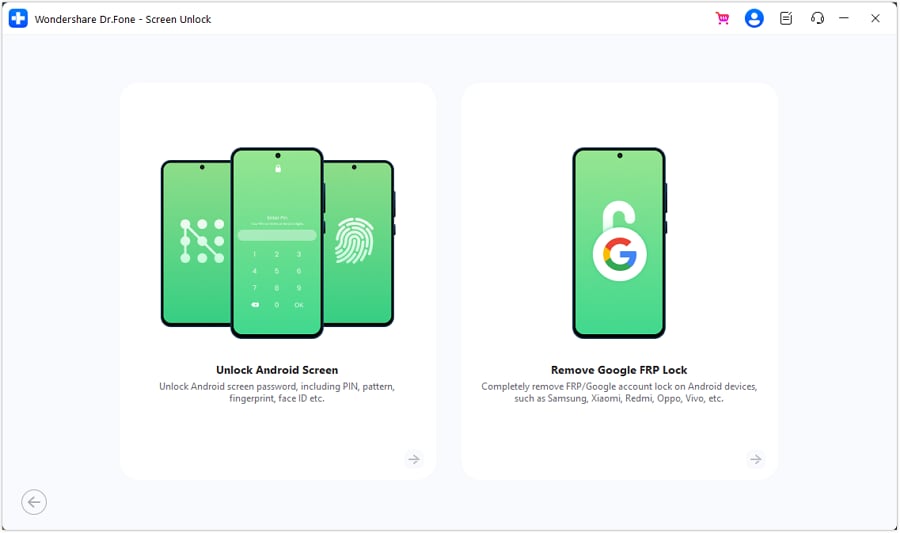
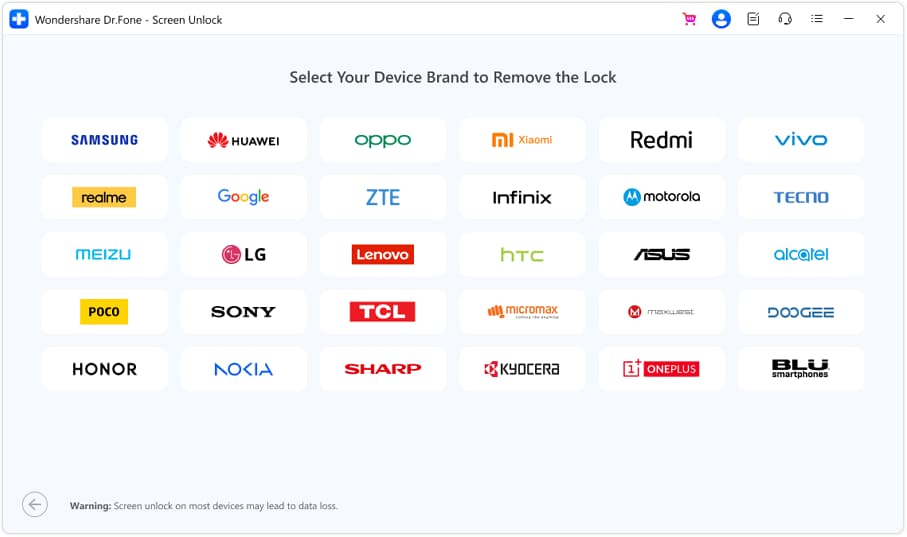
Step 3 Select the correct device path
Follow the on-screen flow for your brand/model to reduce the chance of choosing an incompatible method.
-
Step 4 Run the unlock procedure
Start the guided removal process and avoid disconnecting the cable or restarting the phone while it’s working.
-
Step 5 Verify access to the needed evidence
Once you can access the device, check for the specific items your plan needs (SMS codes, old threads, account prompts) before changing settings.




Conclusion
Use AI prompts to classify what “deleted” likely means in your case, identify the safest evidence checks, and set a clear stop rule before high-impact actions; then hand off execution to the appropriate workflow or tool (such as unlocking a needed Android device) so you can proceed without guesswork.
FAQ
-
Can I recover deleted iPhone text messages without a backup?
Sometimes you can only confirm whether they still exist on another synced Apple device; without a backup, options are more limited and higher-risk steps should be avoided. -
Where should I check first if messages disappeared after an iOS update?
Start by verifying Apple ID status and whether Messages in iCloud is enabled, then check if messages still appear on another Apple device. -
If messages are on my Mac but not on my iPhone, what does that suggest?
It often suggests a sync/visibility issue (account, iCloud Messages status, network) rather than immediate permanent deletion on all devices. -
Will signing out of iCloud bring back missing texts?
It can also remove synced content or create confusion across devices; use AI to assess risk first and avoid sign-out/sign-in loops if you’re uncertain. -
Why would unlocking an Android phone matter for an iPhone message recovery plan?
If your process depends on receiving verification SMS, confirming an account, or viewing an older copy of a conversation on Android, you may need access to that Android device before you can safely proceed.
 Add Wondershare Dr.Fone as a preferred source on Google