Effortlessly manage data through preview, delete, export, etc.

 100% Security Verified | No Subscription Required | No Malware

 :
: 
 ChatGPT
 Perplexity
 Gemini
 Claude
 Grok
Grok

I moved my microSD card to another phone and now my videos are gone—Gallery shows gray thumbnails, and on my PC the folder looks empty. Android keeps asking me to format the SD card, but I’m scared I’ll make it worse.
Reddit user, r/Android
Videos can seem to “vanish” from an external memory card after you move it between phones, delete files, or tap Format in a storage prompt. This often shows up right after a restart or after you plug the card into a laptop—nothing changes after several minutes, and it’s unclear whether the card is still being indexed or the files are truly gone.
AI (like ChatGPT or Gemini) can help you describe the symptoms precisely, narrow likely causes (deletion vs corruption vs encryption vs a locked phone blocking access), and choose low-risk next steps that preserve evidence.
AI can’t see your card’s real state, and trial-and-error can make recovery harder (for example, formatting again, “cleaning” the card, or writing new data). The goal is careful diagnosis first—then use the right tool for execution.

In this article
- Why videos disappear from an external memory card used with a phone
- Common triggers
- What the symptoms look like
- Before you prompt the AI
- iPhone vs Android reality check
- Using AI prompts to diagnose missing videos safely
- AI output vs reality: what you must confirm
- When to stop troubleshooting SD card video recovery
- Unlock Android screen to access SD card videos with Dr.Fone
Part 1. Why videos disappear from an external memory card used with a phone
Common triggers
This usually happens after a specific trigger: you tapped Move to SD card, accepted a Format SD card message, removed the card without ejecting, or moved the microSD between devices. On Android, some phones also encrypt SD cards, which can make videos unreadable elsewhere even though the data still exists.
What the symptoms look like
Your symptom may look like: the Gallery shows gray thumbnails, videos won’t play, the SD card shows “empty,” or the phone says “SD card corrupted.” If the phone itself is locked and you can’t get in, you may not be able to confirm whether the files are missing, just hidden by indexing, permissions, or encryption.
iPhone vs Android reality check
As a quick reality check: iPhone models like iPhone 13 or iPhone 14 don’t use microSD cards, so if you’re switching between iPhone and Android, the SD card is always being handled through adapters/readers—another common point where interruptions and file-system issues can occur.
Before You Prompt the AI
Collect a few facts first so the AI can sort “missing” vs “unreadable” vs “inaccessible.”
- Phone brand/model and Android version (if known)
- SD card capacity/brand and approximate free space
- What you did right before the issue (format, move files, update, restart, card swap)
- Whether the phone is currently locked (PIN/pattern/FRP) or usable
- Where you checked (Gallery, Files app, PC/Mac) and what each shows
- Whether you recorded new photos/videos after noticing the problem (this matters)
Part 2. Using AI prompts to diagnose missing videos on a phone memory card safely
Use prompts like the following to force a “safest-first” diagnosis (and to avoid steps that overwrite data).
Level 1: Basic Prompt
My phone used a microSD card and now my videos are missing or won’t play. Ask me the minimum questions needed to figure out whether this is deletion, corruption, encryption, or a display/indexing issue, and then suggest the safest next steps that avoid overwriting data.
Level 2: Advanced Prompt
Diagnose my missing microSD videos like a triage checklist.
1) Ask up to 8 questions to confirm the most likely cause.
2) Rank the top 4 causes with probabilities (rough estimates are fine).
3) For each cause, list:
- what evidence would confirm it
- the safest action to try first
- what NOT to do to avoid overwriting or making recovery harder
Context: I used this microSD in a phone and noticed the issue after [describe trigger].
Level 3: Evidence Prompt
Help me diagnose missing/unplayable videos from a microSD card used with a phone. Use only low-risk steps first.
Evidence:
- Phone model: (e.g., Samsung Galaxy S21 / Xiaomi Redmi Note 11)
- Android version: (e.g., Android 12)
- Phone lock state: (locked screen / can access home screen / FRP-locked)
- SD card: (e.g., 128GB SanDisk microSDXC)
- Trigger event: (e.g., tapped “Format SD card”, moved card to new phone, battery died while recording)
- Where videos were saved: (Camera folder / WhatsApp / DCIM / unknown)
- Current symptoms: (gray thumbnails, “can’t play”, empty folder, “SD card corrupted”)
- What each device shows:
- On the phone Files app:
- In Gallery:
- On Windows/macOS via card reader:
- Did I record new data after noticing the issue? (yes/no)
- Any prompts about encryption or “Use as internal storage”? (yes/no/unsure)
Output:
A) Separate the problem into categories (deleted vs unreadable vs inaccessible vs hidden).
B) The 3 most likely causes and why.
C) A safest-first action plan that avoids overwriting, with checkpoints after each step.
D) A stop-now list if my actions risk permanent loss.
Prompt Refinement
If the AI answers feel generic, force it to ask for missing evidence and to separate “access” problems from “data loss” problems.
“What are the 5 most important missing details you still need from me, and why does each detail change the diagnosis?”
“Split this into categories: file deletion, file-system corruption, encryption/adopted storage, app indexing/hidden folders, and phone access/lock issues—then place my case into the best-fit category.”
“Rank the causes again, but this time list the single strongest piece of evidence for and against each cause.”
“Give me a safest-first plan where every step is reversible, and mark any step that could overwrite data.”
“What’s the fastest way to confirm whether the SD card is encrypted/adopted storage without modifying the card?”
AI Output vs Reality
AI can guide your thinking, but it can’t verify your specific card state or perform device-level actions for you.
| What AI can infer from your symptoms | What you still must confirm on the device/card |
|---|---|
| Whether it sounds like deletion vs corruption vs encryption | Whether the card is detected reliably and with correct capacity |
| Which actions are low-risk vs risky | Whether you wrote new data after the issue (overwrites matter) |
| What evidence would distinguish each cause | Whether the SD was set to “adopted/internal storage” encryption |
| A cautious decision tree for next steps | Whether you can access the phone (lock/FRP) to check folders and settings |
AI helps you choose the least risky path; execution depends on what access you have (especially if the phone is locked) and what the SD card is actually doing when read by the phone/PC.
Part 3. When to stop troubleshooting SD card video recovery and avoid risks
Stop and switch to safer execution steps if you hit any of these signals:
- The phone repeatedly prompts to format the SD card, and you haven’t made a read-only copy/image or confirmed what’s happening.
- You recorded new photos/videos or moved large files onto the card after the videos went missing.
- The SD card disconnects/reconnects, shows the wrong capacity, or gets unusually hot in a reader/phone.
- The phone is locked/FRP-locked and you can’t verify whether the videos are truly missing vs simply inaccessible.
Once you’ve used AI to narrow the likely cause, the next step is enabling safe access—especially if the key blocker is that you can’t get into the Android device to check storage mode, encryption, folders, or app-specific directories.
Part 4. Unlock Android screen to access SD card videos with Dr.Fone
If your diagnosis points to an access problem (you can’t open the phone to check SD settings, encryption/adopted storage, or app folders), execution becomes the priority. In that case, Dr.Fone - Screen Unlock (Android) is relevant because it focuses on regaining on-device access so you can inspect storage configuration and confirm whether videos are missing, hidden, or unreadable before taking any risky actions with the card. Use the Unlock Android Screen workflow as your practical next step, then return to the AI plan once you can verify evidence inside Android.
 Unlock Android phone in seconds.
- Remove PIN, pattern, password, fingerprint.
- Bypass Google FRP lock easily.
- Works on all Android brands & models.
- No tech skills required – user-friendly.
-
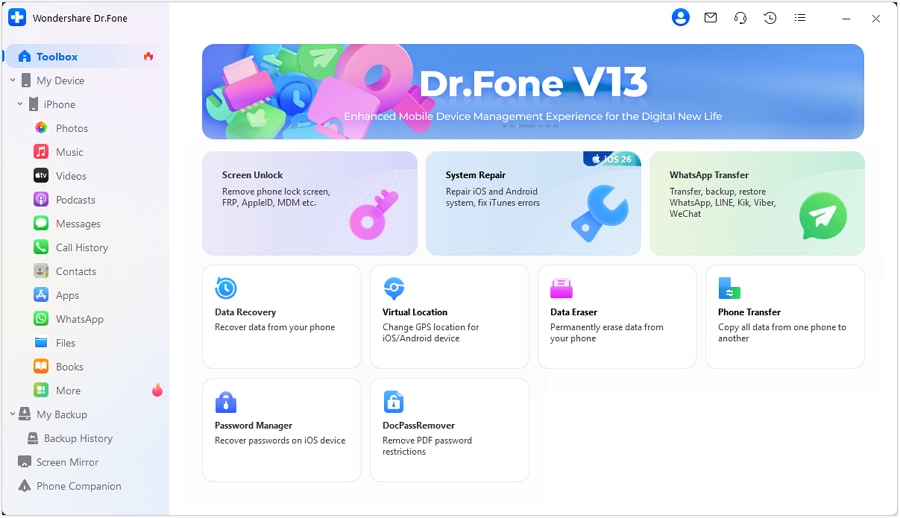
Step 1 Prepare a stable setup
Charge the phone and use a reliable USB cable to reduce disconnects during the unlock process.
-
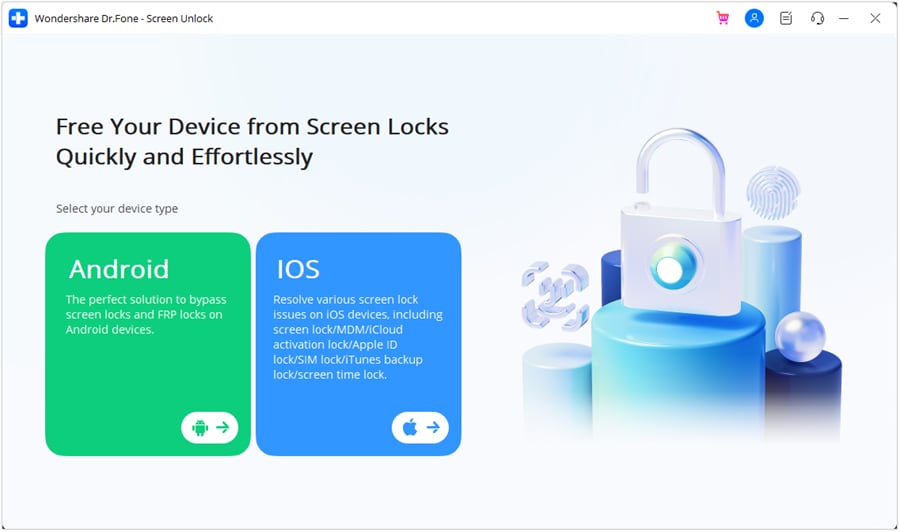
Step 2 Open Screen Unlock (Android)
In Dr.Fone, choose the Android screen unlock feature and follow the on-screen device selection carefully.
-
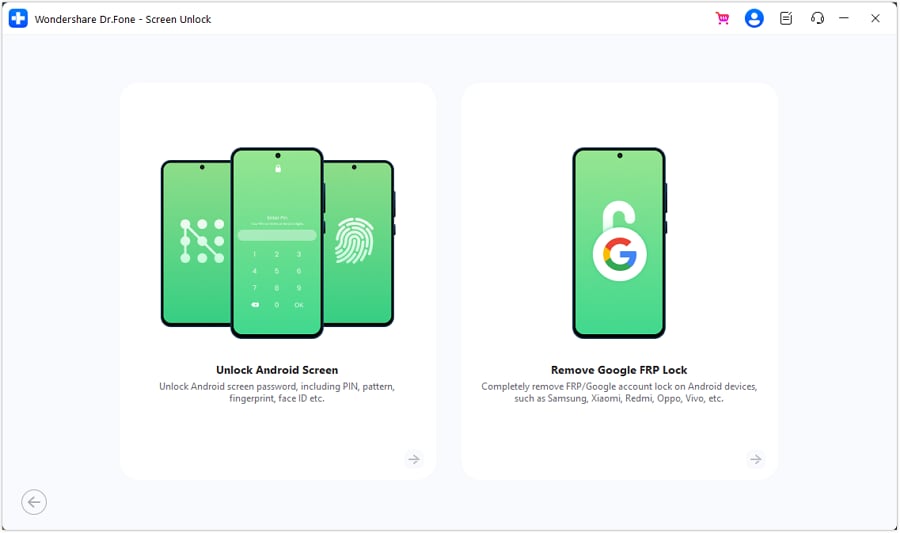
Step 3 Follow the guided unlock flow
Use the official step sequence for your device model, avoiding repeated retries if you’re unsure about prompts.
-
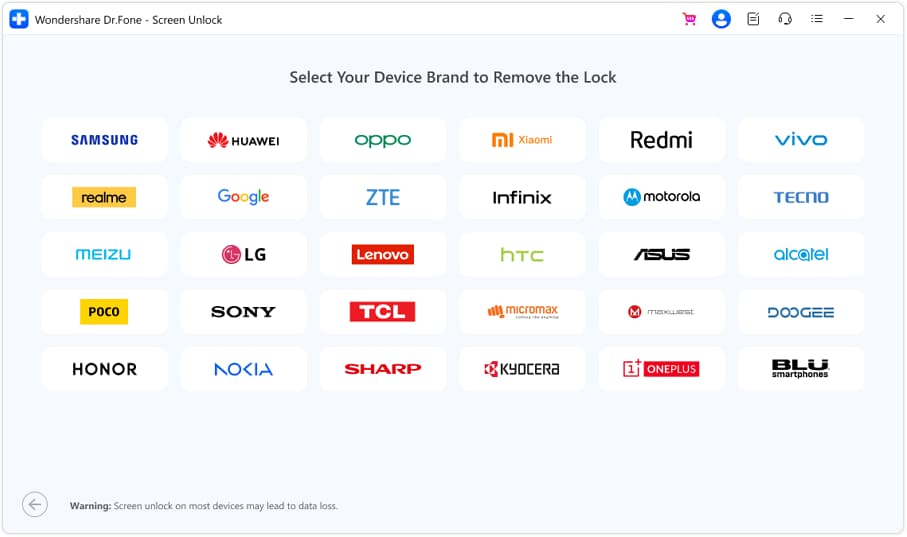
Step 4 Re-check SD card state inside Android
After access is restored, confirm whether the SD is adopted/encrypted and whether videos exist in DCIM/app folders before writing anything new.




Conclusion
Use AI to structure the symptoms, separate likely causes, and pick low-risk next steps that avoid overwriting data; then hand off execution to Dr.Fone when the real blocker is Android access—so you can verify SD card settings and evidence before taking any irreversible actions.
FAQ
-
Why do my SD card videos show gray thumbnails but won’t play?
Common causes include partial file corruption, interrupted recording/transfer, or the videos being stored in an app folder that’s not fully accessible (permissions/indexing issues).
-
What does “Use as internal storage” mean for video recovery?
It typically means adopted storage, which can encrypt the SD card to that phone—videos may appear “missing” on a PC or another phone even if they still exist.
-
Should I format the SD card when Android asks?
Not if you care about the missing videos; formatting can reduce recovery chances. Treat the prompt as a stop signal until you’ve confirmed the cause.
-
Can a locked Android phone prevent me from verifying whether videos are really gone?
Yes. If you can’t access Files/Settings, you can’t confirm adopted storage, encryption, or even the correct folders—so “missing” may actually be “inaccessible.”
-
What’s the safest first move after noticing videos are missing?
Stop writing new data to the card, document the trigger event, and confirm whether the issue is deletion vs unreadable vs inaccessible using evidence from both the phone and a card reader.
 Add Wondershare Dr.Fone as a preferred source on Google