Effortlessly manage data through preview, delete, export, etc.

 100% Security Verified | No Subscription Required | No Malware

 :
: 
 ChatGPT
 Perplexity
 Gemini
 Claude
 Grok
Grok

I tapped “Free up space,” reopened my gallery, and it looked like my entire Camera Roll was gone. I couldn’t tell if it was deleted or just not loading.
Reddit user, r/AndroidQuestions
Storage cleanup is supposed to free space, but it can leave you feeling like your Camera Roll vanished—especially right after you tapped “Clean”, “Delete duplicates”, or “Free up space” and then reopened your gallery. It may look like nothing is changing even after several minutes, so it’s unclear whether the photos are gone or just not loading.
AI (like ChatGPT or Gemini) can help you sort symptoms into likely causes, identify what to check first (Trash, cloud sync, SD card paths), and choose the safest next step based on your exact device and apps.
AI can’t see your phone’s storage or confirm what was deleted, and trial-and-error can make things worse (for example, overwriting deleted data). Use prompts to reduce guesswork, then use a tool only when you’re confident what you’re trying to do.
In this article
- Why camera roll photos disappear after storage cleanup
- Common causes after cleanup
- What you did right before it started
- The key uncertainty to resolve
- Before you prompt the AI
- Using AI prompts to diagnose missing camera roll photos
- When to stop trying to recover photos after cleanup
- Unlock Android to access photos with Dr.Fone
- What to do right after you regain access

Part 1. Why camera roll photos disappear after storage cleanup
1-1. Common causes after cleanup
After a cleanup, missing photos usually mean one of these: they were moved to a Trash/Recycle bin, removed from local storage but still in cloud, hidden by a gallery filter, or the gallery’s media index is rebuilding. This can happen on Android—and similar “missing photos” panic happens on devices like an iPhone 13 or iPhone 14 after a storage purge or sync change.
1-2. What you did right before it started
What you did right before it started matters: using a “junk cleaner,” deleting “large files,” clearing a gallery app’s data, moving items to an SD card, or signing out of a photo backup app can all change what shows up in “Camera.”
1-3. The key uncertainty to resolve
The key uncertainty to resolve: are the photos truly deleted, moved, or just not visible due to indexing/sync?
1-4. Before you prompt the AI
Collect a few facts first so the AI can narrow causes quickly:
- Device brand/model and Android version
- Gallery app name (Samsung Gallery / Google Photos / Xiaomi Gallery, etc.)
- Whether you use cloud backup (Google Photos, OneDrive, Samsung Cloud)
- What cleanup action you used (app name + what you tapped)
- Whether photos are missing everywhere or only in one album view
- Any SD card involved (moved storage, changed card, ejected)
Part 2. Using AI prompts to diagnose missing camera roll photos after storage cleanup
2-1. Level 1: Basic Prompt
I ran a storage cleanup and now my Camera Roll photos look missing. Ask me the minimum questions needed to figure out whether they’re deleted, moved to Trash, hidden by filters, only missing locally, or not indexed yet. Then give me the safest checks to do first in order.
2-2. Level 2: Advanced Prompt
Act as a mobile triage assistant. Based on my answers, rank the most likely causes of missing Camera Roll photos after storage cleanup (with probabilities), and list low-risk checks first. Include risk warnings (what not to do yet) and stopping points if evidence suggests data loss. Start by asking your top 7 questions.
2-3. Level 3: Evidence Prompt
Diagnose my missing Camera Roll photos after storage cleanup using the evidence below.
Goal: identify the most likely cause, what evidence supports it, and the lowest-risk next steps.
Device:
- Phone model: (e.g., Samsung Galaxy S21)
- Android version: (e.g., Android 13)
- Storage type: (internal only / SD card)
What I did:
- Cleanup method: (e.g., Files by Google “Clean,” OEM cleaner, third-party app)
- Exactly what I tapped: (e.g., “Delete screenshots,” “Clear cache,” “Free up X GB”)
- Time since cleanup: (e.g., 10 minutes / 2 hours / 2 days)
What I see now:
- Gallery app: (e.g., Samsung Gallery / Google Photos)
- Are photos missing in gallery only, or also in file manager under DCIM/Camera?
- Trash/Recycle bin checked? (yes/no/unknown)
- Google Photos/Cloud status: (Back up on/off, signed in/out, storage full?)
- Any filters/hide settings enabled? (e.g., “Hide albums,” “Archive”)
Constraints:
- I want the lowest-risk plan and I don’t want to overwrite deleted data.
Output: (1) top 5 likely causes ranked, (2) what to check first, (3) what to avoid for now, (4) decision point for escalation.
2-4. Prompt Refinement
If the AI’s answer feels generic, push it to separate possibilities and demand specific evidence:
What are the 5 most important missing questions you still need to ask to reduce uncertainty here?
Separate the causes into: “still on phone but hidden,” “moved to trash,” “cloud-only now,” “actually deleted,” and “indexing issue”—and list the signature signs of each.
Rank the causes again, but this time explain what single piece of evidence would most strongly confirm or reject each one.
Give me a lowest-risk checklist that avoids overwriting data, and tell me exactly which steps might reduce the chance of recovery if items were deleted.
2-5. AI Output vs Reality
AI can guide decisions, but you’ll still need on-device verification.
| What AI can infer from your description | What you still must confirm on the device |
|---|---|
| Whether the pattern sounds like Trash, filter, sync, or indexing | Whether files exist in DCIM/Camera via a file manager |
| Which apps commonly “remove local copies” after backup | Whether cloud shows the items and whether “Free up space” ran |
| Which checks are low-risk vs risky | Whether SD card paths changed or the card is failing/unmounted |
| When to stop experimenting | Whether additional writes/installs are happening on the phone |
AI narrows the most likely explanation and the safest order of checks; execution depends on what’s actually present in storage, cloud, and app bins.
Part 3. When to stop trying to recover camera roll photos after cleanup
If the evidence starts pointing to real deletion (not hiding/sync), continuing to poke around can increase risk.
- You confirmed DCIM/Camera is empty and Trash/Recycle bin is also empty.
- You already used a cleaner that securely deletes or “wipe free space,” and you can’t confirm what it did.
- You’re about to install multiple apps, download large files, or keep recording photos/videos (which can overwrite recoverable space).
- You can’t access the phone normally (forgot PIN, too many attempts, or a broken screen), so you can’t verify backups/bins safely.
Once you’ve used AI to narrow the likely cause, the next step is executing the safest path—often starting with regaining access to the device so you can check Trash, cloud libraries, and local folders properly.
Part 4. Unlock Android screen to access photos with Dr.Fone
If your photos went “missing” after cleanup but you can’t get into the phone (forgotten lock, too many attempts, or touch issues), you can’t confirm whether they’re in a Trash bin, cloud app, or local folders. At that point, using Dr.Fone - Screen Unlock (Android) becomes relevant as an execution step to restore access so you can carry out the AI-recommended checks without guessing.
 Unlock Android phone in seconds.
- Remove PIN, pattern, password, fingerprint.
- Bypass Google FRP lock easily.
- Works on all Android brands & models.
- No tech skills required – user-friendly.
Use it specifically to regain entry, then validate where your Camera Roll content actually lives (Gallery, Google Photos, DCIM, or backups) before making any further changes.
-
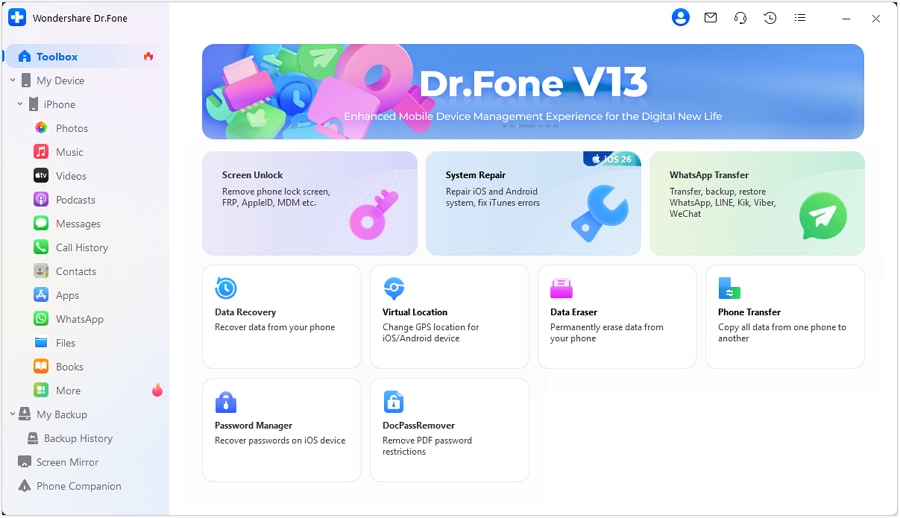
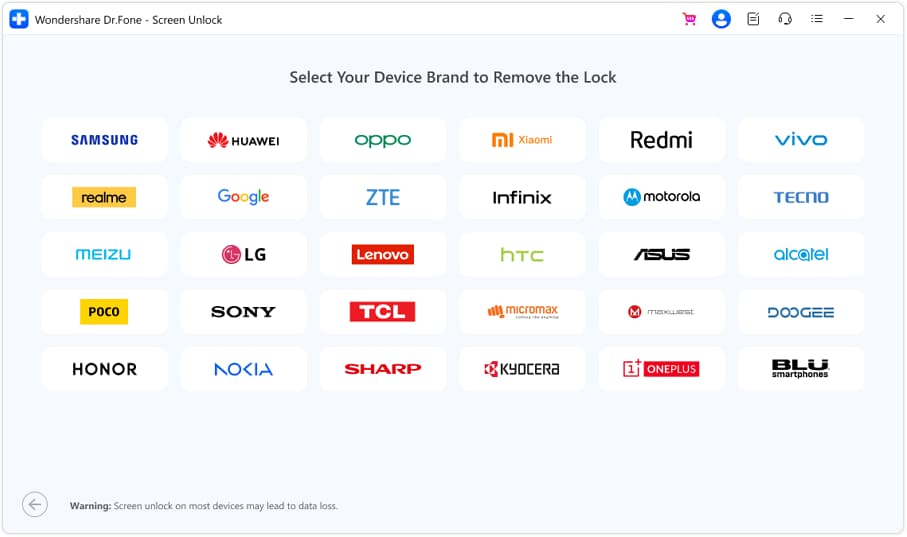
Step 1 Open Screen Unlock
Launch Dr.Fone and choose Screen Unlock (Android), ensuring you select the correct device brand to avoid wrong-path steps.
-
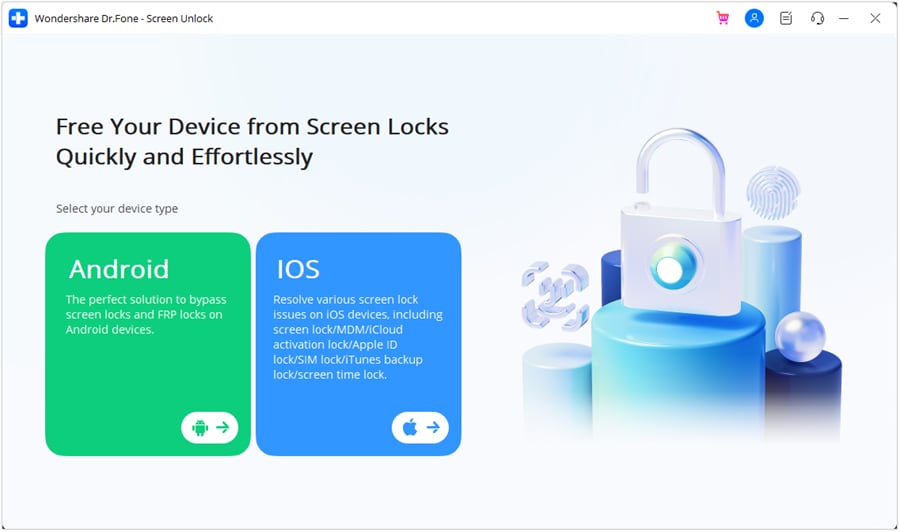
Step 2 Follow the unlock flow
Proceed with the on-screen steps carefully, because some unlock methods may erase data depending on device/Android security.
-
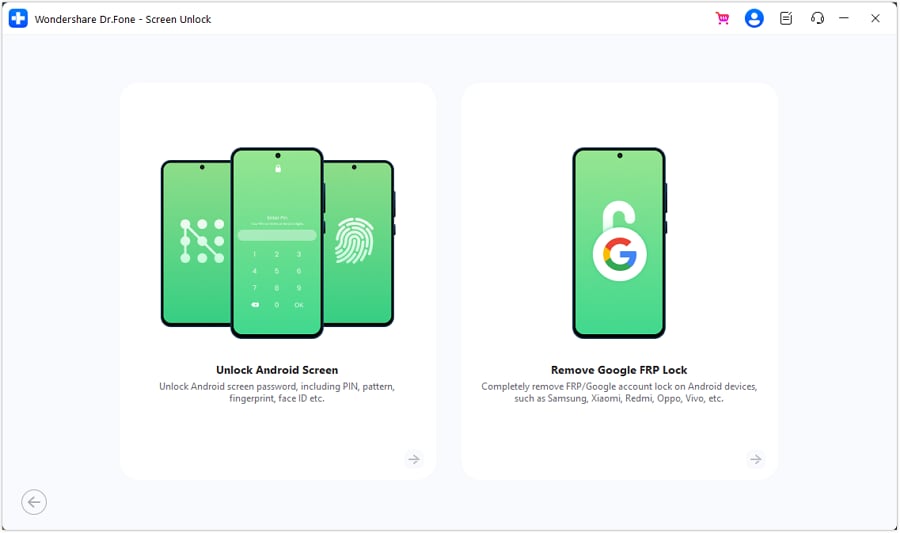
Step 3 Complete device verification
Confirm the prompted device details so the workflow matches your model and Android version.
-
Step 4 Unlock and re-check photo locations
After access is restored, immediately check Trash/Recycle bin, cloud apps, and DCIM/Camera before installing cleaners or downloading large files.




Part 5. What to do right after you regain access
Once you can get into the device again, prioritize verification over experimentation so you don’t accidentally make recovery harder.
- Check the gallery app’s Trash/Recycle Bin (and also check Google Photos “Bin” if you use it).
- Use a file manager to confirm whether files still exist under DCIM/Camera.
- Verify cloud state: sign-in status, backup on/off, and whether “Free up space” removed local copies.
- If an SD card is involved, confirm it’s mounted and paths didn’t change (a missing/unmounted card can make albums appear empty).
- Avoid big writes (installing multiple apps, recording lots of video, downloading large files) if deletion is suspected.
Conclusion
Use AI to classify the “missing photos” symptom into likely causes and choose the lowest-risk checks in the right order; once the diagnosis points to an access barrier, hand off execution to a practical tool like Dr.Fone - Screen Unlock (Android) so you can verify Trash, cloud, and local folders without guessing.
FAQ
-
Why did my Camera Roll look empty right after cleanup?
Some cleanup tools remove “local copies,” move items to Trash, change album visibility, or trigger media re-indexing, which can temporarily make galleries appear empty. -
Where is Trash or Recycle Bin for deleted photos on Android?
It depends on the app: gallery apps often have a Trash/Recycle Bin section, and Google Photos has a Bin. Check both if you use multiple photo apps. -
If photos are still in Google Photos, why aren’t they in my Gallery?
Your device may have removed local files during cleanup (“Free up space”), leaving cloud-only versions that won’t appear in the same way in the local Gallery. -
What should I avoid doing if I think photos were actually deleted?
Avoid installing large apps, recording new videos, or downloading big files—these can overwrite storage space where deleted data might still be recoverable. -
How does unlocking my Android help with missing Camera Roll photos?
If you can’t access the device, you can’t verify Trash bins, cloud apps, or DCIM folders. Restoring access lets you confirm the true cause before taking higher-risk steps.
 Add Wondershare Dr.Fone as a preferred source on Google