Effortlessly manage data through preview, delete, export, etc.

 100% Security Verified | No Subscription Required | No Malware

 :
: 
 ChatGPT
 Perplexity
 Gemini
 Claude
 Grok
Grok

I’m trying to update iOS but my iPhone says there isn’t enough storage. I deleted a few apps, but “System Data” won’t go down and I’m worried I’ll delete something important by mistake.
Apple Support Community user
Freeing up space before an iOS update sounds simple, but one missed step can lead to failed installs, repeated update loops, or deleting data you meant to keep.
AI is useful here because it can turn a messy situation (unknown storage hogs, mixed iCloud settings, unclear “System Data,” rushed timing) into a clear sequence with checkpoints.
AI can’t see your iPhone, verify what’s truly backed up, or safely move files for you—so once the plan is verified, you’ll need real device tools to execute it carefully.
In this article
- How to plan freeing up space before an iOS update
- Why the order of steps matters
- The “point of no return” with iCloud syncing
- Why “System Data” can mislead you
- What “safe” means in this workflow
- What the AI needs to know
- Using AI prompts to build a safer workflow
- AI plan vs. real device constraints
- Execute the workflow safely with Dr.Fone
Part 1. How to Plan free up space on iphone before ios update Without Missing Critical Steps
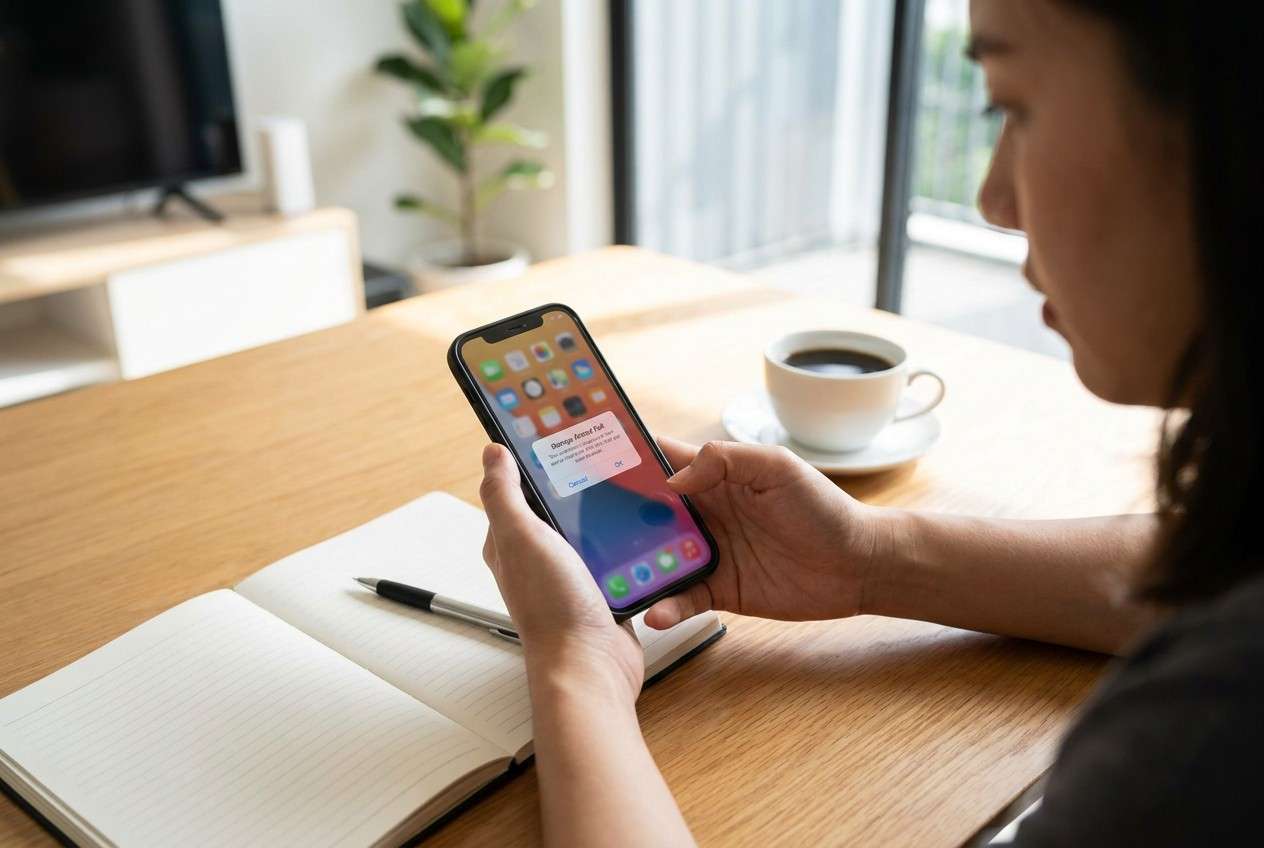
You’re about to install an iOS update, but your iPhone warns there isn’t enough space. You try deleting a few apps, the “System Data” number won’t drop, and you’re not sure how much space the update actually needs.
Even after asking AI, the answer can feel incomplete because the order matters: freeing space before verifying iCloud Photos behavior, backups, and what’s safe to remove is where people accidentally lose irreplaceable items.

Part 2. What the AI Needs to Know
Share the details below so the workflow can be sequenced safely around your exact risks.
- iPhone model and iOS version (e.g., iPhone 12, iOS 17.5)
- Total storage and currently available space (Settings → General → iPhone Storage)
- Update target (e.g., iOS 18.x) and whether it’s OTA or via computer
- iCloud storage status and iCloud Photos setting (On/Off; “Optimize iPhone Storage” or “Download and Keep Originals”)
- Biggest storage categories shown (Photos, Apps, Messages, Media, System Data)
- Whether you have a computer available and approximate free disk space
- Your backup situation (iCloud backup on/off; last successful backup date)
- Any must-not-lose data types (photos, WhatsApp, voice memos, notes, files)
- Your deadline (today, overnight, this week) and tolerance for risk (low/medium/high)
Part 3. Using AI Prompts to Build a Safer free up space on iphone before ios update Workflow
Use these prompts to make the plan specific, ordered, and verifiable before you touch anything risky.
3-1. Level 1: Basic Prompt
Plan a safe, step-by-step workflow to free enough space on my iPhone for an iOS update without losing data.
Include what to check first, what to do next, and what to avoid.
Keep it focused on sequencing and verification, not tool-specific clicks.
3-2. Level 2: Advanced Prompt
Build a structured workflow for freeing space before an iOS update with three phases: **Preparation**, **Execution**, and **Verification**.
In each phase, label steps as **critical** or **optional**, and include decision gates like “stop and verify backup before deleting anything that could sync to iCloud.”
3-3. Level 3: Evidence Prompt
Here’s my context: iPhone (iPhone 13, 128GB), available space (2.6GB), update method (OTA), iCloud Photos (On, Optimize iPhone Storage), iCloud storage (nearly full), top storage categories (Photos 48GB, Messages 12GB, Apps 25GB, System Data 14GB). I have a computer with free space (120GB).
Create a workflow with checks **before**, **during**, and **after** freeing space.
Include:
- how much buffer space I should target (e.g., “aim for 10–15GB free”)
- a safe order for reducing Photos/Messages/App size
- what actions are reversible vs irreversible
- what evidence I should collect (screenshots, counts, last backup timestamp) before I reach the point of no return (deleting items that could sync)
3-4. Prompt Refinement
List the **minimum safe space target** for my situation and explain what number you’re basing it on (update size + working space buffer), then give a fallback target if OTA fails.
Create a **decision tree** for Photos: iCloud Photos On vs Off, Optimize vs Originals, and what each implies about deleting or moving media.
Separate “quick wins” from “deep cuts”: give me two lists—**low-risk space gains** (reversible) and **high-risk space gains** (potentially irreversible).
Write a **verification checklist** I can complete before I delete anything: include backup proof, iCloud sync state, and where my originals will live after the change.
Identify the top 3 ways people accidentally lose data in this workflow, and add a prevention step before each one.
Part 4. AI Plan vs. Real Device Constraints
| AI planning help | Real device constraint | What to verify on-device |
|---|---|---|
| Estimate how much space you should target | iOS updates may require extra temporary space that varies by device | Available GB in iPhone Storage after each change |
| Prioritize what to remove first | “System Data” doesn’t always shrink immediately | Storage graph over time; restart effects; post-delete recalculation delay |
| Flag iCloud sync risks | iCloud Photos sync can delete across devices | iCloud Photos status + recent sync completion + iCloud storage availability |
| Propose safe checkpoints | You still must confirm backups are real and restorable | Last backup timestamp and size; ability to access exported files |
AI improves planning, sequencing, and risk control, but it cannot inspect your storage, confirm sync behavior, or move/backup files on your behalf.
4-1. When to Stop Planning free up space on iphone before ios update and Start Execution
- You have a clear free-space target (with a buffer) and you know whether you’re updating OTA or via computer.
- You’ve chosen reversible actions first, and you can name the specific irreversible actions you’ll avoid until verified.
- You can prove you have a separate backup or export for anything you might delete (especially Photos/Messages).
- Your verification checklist is written and you know exactly what “done” looks like (e.g., “15GB free + backup timestamp today + exported media confirmed”).
At this point, uncertainty should be about effort—not about the order of operations or the safety checks.
Part 5. Free up space on iphone before ios update: Execute the Workflow Safely with Dr.Fone
Once your AI plan is verified, you need a reliable way to actually back up and move data. This is where Dr.Fone Basic - Data Manager can help you execute safely—because the real risk comes from moving or removing data without proof it exists somewhere else, and from starting the iOS update before space is genuinely sufficient.
 Easily manage data through preview, delete, export, etc.
- Transfer all data between devices.
- Robust backup solutions for reliable data protection.
- Mirror screens to PC for meetings, teaching, and control.
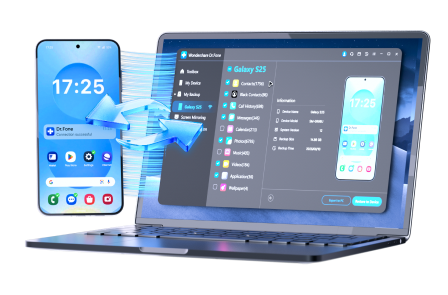
AI can help you decide what to do first, but you still need to complete device-level proof: confirm the backup exists, confirm exports are accessible, and confirm your on-device free GB meets your buffer target before running the update.
-
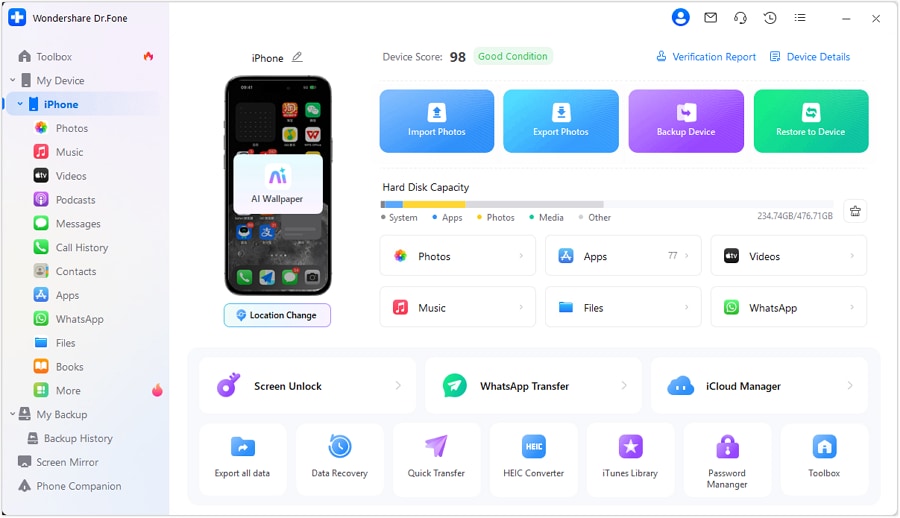
Step 1 Connect your iPhone to the computer
Connect your iPhone and open the data management module so you can work from a stable, computer-based view (useful before any high-risk deletion).
-
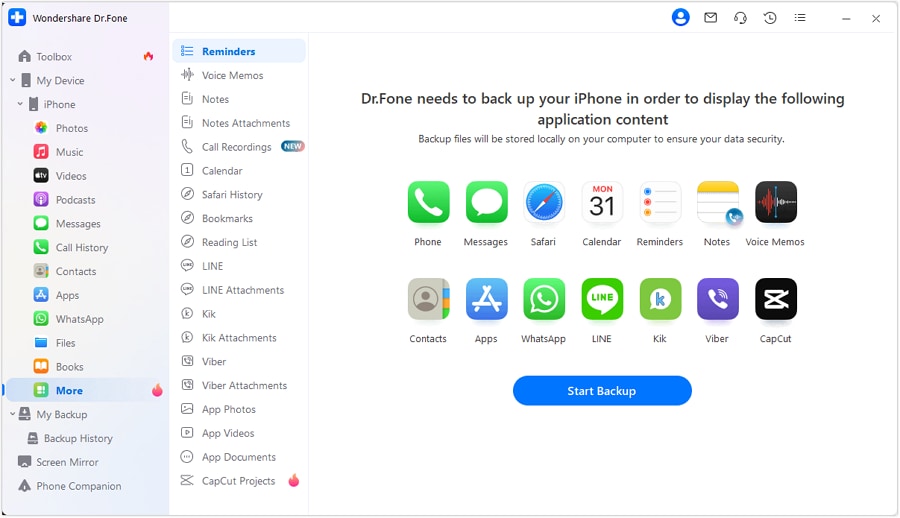
Step 2 Review categories and confirm what you’ll back up or export
Browse categories (Photos/Videos/Messages/Apps where applicable) and confirm what you plan to move off-device before you remove anything that could be irreversible.
-
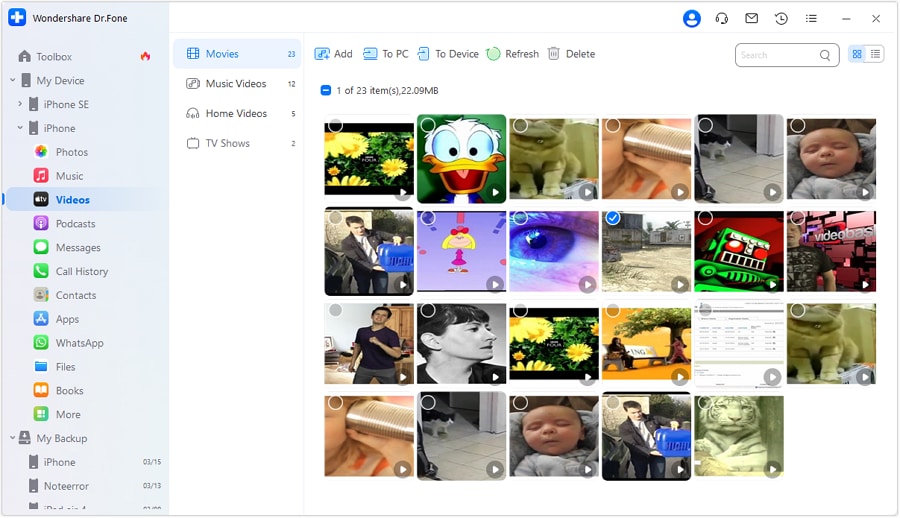
Step 3 Export large media to the computer to gain space safely
Export large, safe-to-move items (commonly videos and photos) to free space without relying on uncertain “System Data” shrink timing.

-
Step 4 Select the items and complete the transfer, then verify results
Complete the export/transfer and then verify: the exported files open on the computer, your backup (if created) completed successfully, and your iPhone now meets your planned free-space buffer target.
Create a verified backup copy (before any high-risk deletion): Back up the iPhone to a computer and confirm the backup completes successfully before you remove large data categories. AI can’t validate backup integrity or see what was included—only you can confirm the backup exists and is accessible.
Recheck free space and only then proceed to the iOS update: After transfers/cleanup, verify available storage in iPhone Storage and proceed with the iOS update only when you meet your buffer target. Even with a transfer tool, you still must verify on-device space and avoid irreversible deletion until your checks pass.




Conclusion
Use AI to design a cautious, checkpoint-driven plan—then use real tools to execute it—because planning reduces avoidable mistakes, but only device-level actions and verification actually free space and protect your data.
FAQ
-
How much free space should I have before an iOS update?
Aim for a comfortable buffer (often ~10–15GB) because updates need working space beyond the download size; your exact target should be based on your device/storage state and update method.
-
What’s the most dangerous mistake when freeing space?
Deleting photos/videos while iCloud Photos is enabled without a separate backup/export—deletions can sync to iCloud and other devices.
-
Why doesn’t “System Data” go down after I delete things?
iOS may take time to recalculate storage, caches may persist, and some space frees only after restarts or after the update completes—plan around this by targeting a larger buffer and verifying actual free GB.
-
Should I offload apps or delete them?
Offloading is generally more reversible (keeps documents/data). Deleting is higher risk if you’re unsure whether the app data is backed up or recoverable.
-
When should I stop and not proceed with the update?
Stop if you can’t prove a backup/export exists for data you’re about to remove, if iCloud is nearly full and sync behavior is unclear, or if your available space is still below your buffer target.
 Add Wondershare Dr.Fone as a preferred source on Google