Effortlessly manage data through preview, delete, export, etc.

 100% Security Verified | No Subscription Required | No Malware

 :
: 
 ChatGPT
 Perplexity
 Gemini
 Claude
 Grok
Grok

I deleted a document in the iPad Files app and now it’s just gone. I can’t tell if it’s in iCloud Drive, Recently Deleted, or deleted everywhere.
Reddit user, r/ipad
Deleted a document in the iPad Files app and now it’s gone (or you can’t tell where it went), especially after tapping Delete or clearing Recently Deleted. This can happen on an iPad, or even on a nearby iPhone 13/14 where the same iCloud Drive is signed in, and it may feel like nothing changes no matter how long you wait.
AI (like ChatGPT or Gemini) can help you map what “deleted” likely means in your setup, narrow the most probable locations (Recently Deleted, iCloud Drive, third‑party storage, shared folders), and suggest the lowest‑risk checks in the right order.
AI can’t see your device state, your iCloud account, or what the Files app actually shows—so trial‑and‑error can accidentally overwrite evidence (e.g., syncing changes across devices) or waste time chasing the wrong storage provider.
In this article
- Part 1. Why recover deleted files from iPad Files app happens and what it means
- What “deleted” can mean in Files
- Common triggers that make items “vanish”
- Why it’s hard to tell if it’s gone or not loading
- Before You Prompt the AI
- Part 2. Using AI prompts to diagnose iPad Files app deleted items safely
- Part 3. When to stop troubleshooting iPad file recovery attempts and avoid risks
- Part 4. Unlock Android screen to access synced copies for iPad file recovery
- Part 5. AI output vs reality: what you must still verify

Part 1. Why recover deleted files from iPad Files app happens and what it means
In Files, “deleted” can mean different things depending on where the file lived: On My iPad, iCloud Drive, or a connected provider like Google Drive/OneDrive/Dropbox. The deletion behavior (and whether there’s a “Recently Deleted” safety net) can vary by location, provider, and account type.
A common trigger is deleting right after reorganizing folders, moving items between locations, or after an iPadOS restart/update—then the file appears to vanish, or the folder view doesn’t refresh. It’s also easy to delete from a synced folder and unintentionally propagate the deletion to other devices.
What makes this confusing is the uncertainty: the file might be truly removed, moved into a provider’s trash, or simply not loading due to sync/indexing delays—so it’s unclear whether you’re “waiting for it to come back” or it’s already gone.
1-1. Before You Prompt the AI
Gather these basics first so the AI can narrow causes quickly:
- Where the file was stored (iCloud Drive / On My iPad / a provider like OneDrive)
- File type and approximate size (PDF, Pages, ZIP, video)
- When it was last confirmed present (timestamp and timezone)
- What you did right before it disappeared (deleted, moved, renamed, emptied Recently Deleted)
- Whether other devices use the same account (another iPad, iPhone, Mac)
- Whether the folder was shared or managed (Work/School Apple ID, MDM)
Part 2. Using AI prompts to diagnose iPad Files app deleted items safely
2-1. Level 1: Basic Prompt
I deleted a file from the iPad Files app and can’t find it now. Ask me the minimum questions needed to determine whether it’s likely in Recently Deleted, iCloud Drive, a third‑party provider trash, a shared folder history, or permanently removed—and then give me the safest next checks in priority order.
2-2. Level 2: Advanced Prompt
Diagnose my missing/deleted file in the iPad Files app by ranking the most likely causes and the lowest‑risk checks first.
Requirements:
1) Ask clarifying questions only if they change the outcome.
2) Separate possibilities by storage location (On My iPad vs iCloud Drive vs third‑party providers).
3) For each possibility, list: what evidence would confirm it, what I should check next, and what actions to avoid because they might worsen recovery chances (e.g., deleting more, forcing sync, reinstalling apps).
4) End with a “stop and reassess” point if evidence suggests permanent deletion.
2-3. Level 3: Evidence Prompt
Act like a cautious triage assistant for iPad Files app data loss. Use my details to narrow the most probable explanation and propose low‑risk next steps only (no destructive actions).
Device/account context
- iPad model: (e.g., iPad Pro 11")
- iPadOS version: (e.g., 17.x)
- Apple ID type: (personal / managed work-school)
- Other signed-in devices: (e.g., iPhone 13 Pro, MacBook)
File details
- File name (approx):
- File type: (e.g., PDF / Pages / ZIP)
- Last known location in Files: (iCloud Drive / On My iPad / “Google Drive” / “OneDrive”)
- Last confirmed time seen:
What happened
- Action taken: (deleted / moved / renamed / emptied Recently Deleted / provider app removed)
- Any sync signs: (spinning icon, “Uploading…”, offline)
- What I see now: (folder missing, file missing, search shows nothing, shows on another device)
Constraints
- I do/do not have backups (iCloud/Finder/computer)
- I’m willing/not willing to sign out, reinstall apps, or reset anything
Deliver:
1) Top 3 likely causes with probability estimates,
2) Evidence checklist to confirm each,
3) Safest next actions in exact order,
4) Clear stop signals where I should avoid further changes.
2-4. Prompt Refinement
If the AI response feels generic, narrow it with follow-ups like:
What 5 questions would most change your ranking, and why are they decisive?
Separate the diagnosis into iCloud Drive, On My iPad, and third‑party providers, and give different next steps for each.
Rank causes assuming I already checked Recently Deleted and it’s not there—what’s next?
What single piece of evidence would most strongly indicate permanent deletion versus a sync/indexing issue?
List actions that could make things worse (sync propagation, overwriting, cache resets), and explain the risk mechanism briefly.
Part 3. When to stop troubleshooting iPad file recovery attempts and avoid risks
Stop “trying random fixes” once your checks start changing data states faster than you can confirm evidence.
- You emptied Recently Deleted (in Files or in a cloud provider) and aren’t sure whether it included the missing item
- Multiple devices are signed in and you can’t tell whether actions are propagating deletions via sync
- You’re about to reinstall/remove storage provider apps or sign out of accounts without knowing the impact on local caches
- The missing file may be your only copy and further attempts could overwrite storage (large downloads, new recordings, bulk moves)
Once you’ve used AI to narrow the likely cause and identify the least risky path, the next step is using the right tool to carry out the specific action you actually need (for example, regaining access to a device that holds a synced copy).
Part 5. AI output vs reality: what you must still verify
AI can guide decisions, but it can’t verify what your device or cloud account is actually doing.
| What AI can infer | What you still must verify |
|---|---|
| Whether deletion likely routed to a “trash” location based on provider and storage type | Whether the item appears in Recently Deleted or a provider’s bin in your account |
| Whether a sync delay could explain disappearance | Whether sync icons/status change, and whether other devices show the item |
| Which next checks are lowest-risk and most informative | What your specific Files sidebar locations and folder paths actually contain |
| Which actions are high-risk (propagating deletions, overwriting) | Whether your next action will trigger cross-device sync or irreversible removal |
AI reduces guesswork and helps you avoid risky moves, but execution depends on what’s truly available on-device, in iCloud, or inside a provider’s recovery options.
Part 4. Unlock Android screen to access synced copies for iPad file recovery
If AI triage suggests your iPad file may still exist in a synced cloud folder (Google Drive/OneDrive/Dropbox) or inside an app on another device, the most practical “execution” step may be simply regaining access to that device. If the only accessible copy is on a locked Android phone, Dr.Fone - Screen Unlock (Android) can help you unlock the device so you can check synced folders, provider trash, or offline files—without framing it as an iPad recovery tool.
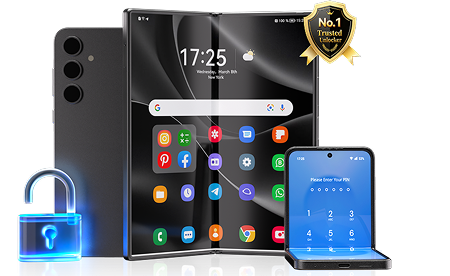
 Unlock Android phone in seconds.
- Remove PIN, pattern, password, fingerprint.
- Bypass Google FRP lock easily.
- Works on all Android brands & models.
- No tech skills required – user-friendly.
-
Step 1 Confirm the target device and account
Identify which Android phone is signed into the storage provider that may contain the missing file, and avoid repeated failed unlock attempts if the device warns about timeouts.
-
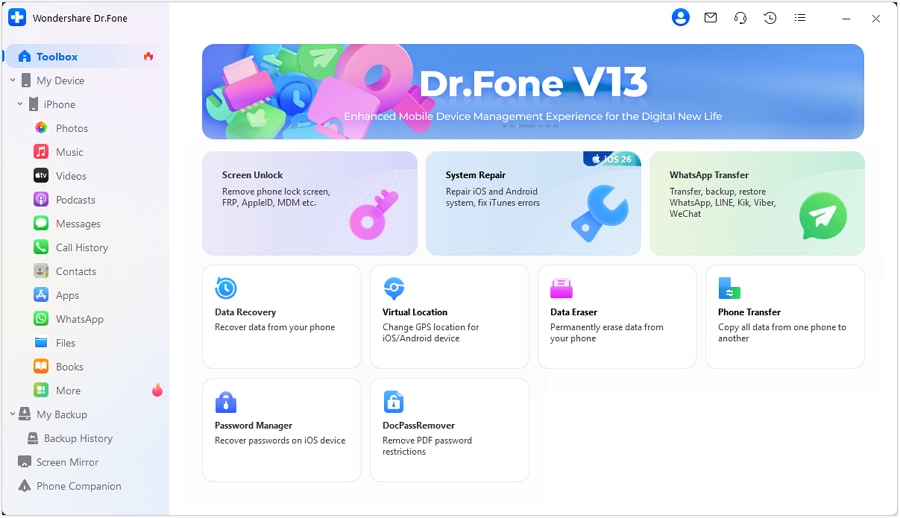
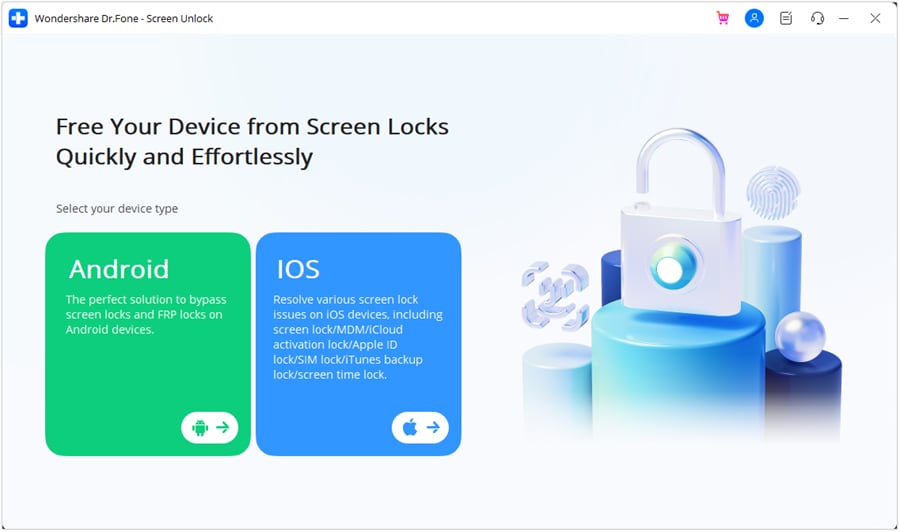
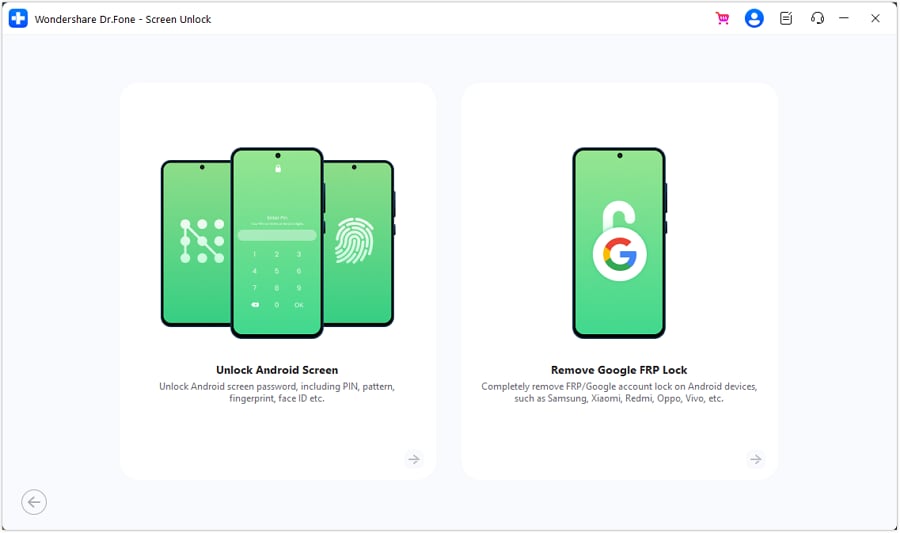
Step 2 Open Dr.Fone and choose Android screen unlock
Launch Dr.Fone on a computer and select the Android screen unlock workflow, following the on-screen prompts carefully for your device type.
-
Step 3 Connect the Android phone by cable
Attach the phone via USB and keep it stable to avoid interruptions mid-process that could complicate access.
-
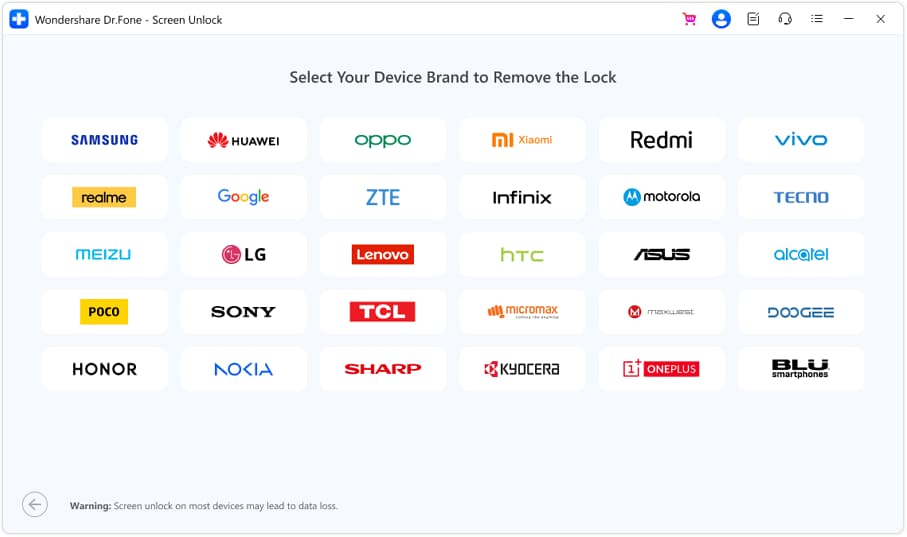
Step 4 Follow the guided unlock flow
Use the official step flow in the Dr.Fone guide to complete the unlock method appropriate for your device model (guide).
-
Step 5 Check synced locations for the file
After access is restored, open the relevant provider app(s) and verify trash/version history/offline folders before making any new deletions.




Conclusion
AI helps you classify what “deleted” likely means in your Files setup, rank the most plausible causes, and choose low‑risk checks in the right order; then a practical tool like Dr.Fone becomes relevant only when you need to execute a specific access step—such as unlocking an Android device that may still contain a synced or offline copy of the missing file.
FAQ
-
Where do deleted files go in the iPad Files app?
Usually to Recently Deleted in Files, but behavior depends on whether the file was in iCloud Drive, On My iPad, or a third‑party provider that uses its own trash/recycle bin. -
Why is the file missing on my iPad but still visible on another device?
That often points to a sync or indexing delay, or the file being stored under a different location/provider than you expect; AI can help you list the most decisive checks without guessing. -
If I empty Recently Deleted, is the file permanently gone?
It can be, but not always—some third‑party providers and collaboration systems may still have separate trash, retention, or version history depending on settings. -
Should I reinstall the Files app or sign out of iCloud to “refresh” things?
Those are higher-risk actions because they can change caches and sync state; it’s better to use AI to confirm evidence first and only act when you understand the likely outcome. -
How does unlocking an Android phone relate to recovering iPad Files app data?
If your iPad file was synced via a cross‑platform provider, an Android device might still have an offline copy, a provider trash entry, or account access needed to verify what happened. -
Will Dr.Fone Unlock Android Screen delete my cloud files?
Unlocking itself doesn’t “manage” your cloud storage, but you should still proceed cautiously—once you can access the phone, avoid actions that could propagate deletions through sync until you confirm where the missing file is.
 Add Wondershare Dr.Fone as a preferred source on Google