Effortlessly manage data through preview, delete, export, etc.

 100% Security Verified | No Subscription Required | No Malware

 :
: 
 ChatGPT
 Perplexity
 Gemini
 Claude
 Grok
Grok

I only want my contacts back, but I’m scared that restoring or syncing will overwrite the newer stuff already on my phone.
Reddit user, r/AndroidQuestions
You’re trying to bring back contacts only on an Android phone, but you’re worried a restore will overwrite current data (newer contacts, messages, photos, or app data). This often comes up right after you tap Restore, Sync, or import a VCF file—especially during a device switch (for example, from an iPhone 13 or iPhone 14 to Android).
AI (like ChatGPT or Gemini) can help you describe what you see, identify which restore method you’re about to use, and predict the most likely overwrite risks based on that method—before you take irreversible steps.
AI can’t see your phone’s actual internal state or confirm what a specific app will do on your device. Trial-and-error restores can create duplicates, replace fields, or trigger sync that’s hard to roll back, so keep changes minimal until the path is clear.
In this article
- Part 1. Why restoring contacts only (without overwriting) is risky
- What “restore” can mean on Android
- Common symptoms that confuse the outcome
- Where the “source of truth” actually is
- Before you prompt the AI: what to collect
- Part 2. AI prompts to assess overwrite risk
- Part 3. When to stop attempts and prevent data loss
- Part 4. Restore contacts selectively with Dr.Fone (Android)
- Part 5. AI output vs reality: what you must verify

Part 1. Why restore contacts only without overwriting phone is risky on Android
If you’re on a Samsung Galaxy S22 or Google Pixel 7 and you just used Google Contacts sync, Samsung Cloud restore, a backup app, or a VCF import, the tricky part is that “restore” can mean different behaviors: merge, replace, deduplicate, or sync both ways.
A common symptom: contacts look incomplete (missing names, numbers, or labels), or nothing changes after several minutes—so it’s unclear whether the phone is still processing, syncing, or has already overwritten something silently.
The key uncertainty is where the “source of truth” is (Google account, SIM, phone storage, third-party app, or backup file) and whether the next step will merge safely or replace existing entries.
1-1. Before You Prompt the AI
Collect these details first so the AI can reason accurately:
- Android model + Android version
- Where contacts should come from (Google, SIM, old phone, backup file, app)
- What you tapped last (e.g., “Restore,” “Import,” “Sync now”)
- Current contacts state (missing, duplicated, outdated, empty)
- Whether you see multiple accounts in Contacts (Google / Device / SIM)
- Any recent factory reset, OS update, or new phone setup
Part 2. Using AI prompts to assess contact restore overwrite risk
2-1. Level 1: Basic Prompt
I need to restore contacts only on my Android phone without overwriting my current contacts.
I last used: [Google sync / VCF import / Samsung Cloud restore / other].
Can you explain the safest approach to avoid replacement, and what I should check first in the Contacts app and account settings?
2-2. Level 2: Advanced Prompt
Act as a cautious mobile data triage assistant.
Goal: restore missing contacts while preventing overwrite of newer data.
My situation:
- Device: [model], Android [version]
- What I did right before this: [steps]
- What changed: [missing/duplicates/empty]
Tasks:
1) List the top 5 likely causes, ranked by probability.
2) For each cause, state the overwrite risk (low/medium/high) and why.
3) Give the lowest-risk next steps first (read-only checks before any restore).
4) Tell me exactly what evidence would confirm or rule out each cause.
2-3. Level 3: Evidence Prompt
Diagnose my “restore contacts only without overwriting phone” problem using the evidence below.
Provide: (a) likely cause ranking, (b) overwrite-risk rating per option, (c) safest next action plan.
Evidence:
- Phone model: (e.g., Samsung Galaxy S22 / Pixel 7)
- Android version: (e.g., Android 13/14)
- Contacts app: (e.g., Google Contacts / Samsung Contacts)
- Accounts on device: (e.g., Google A, Google B, Samsung account, none)
- Default save location: (e.g., “Google account” vs “Device”)
- What I did before issue: (e.g., tapped “Restore” in Samsung Cloud / imported contacts.vcf / enabled sync)
- Symptoms now: (e.g., contacts missing labels, only numbers show, duplicates, empty list)
- Where contacts still appear (if anywhere): (e.g., contacts.google.com shows them / old phone still has them)
- Any warnings shown: (exact text)
- Time since action: (e.g., 10 minutes / 2 hours)
- Recent changes: (e.g., factory reset, OS update, new SIM, new phone setup)
Constraints: I want to avoid any step that could replace existing contacts or trigger irreversible two-way sync.
2-4. Prompt Refinement
Use these follow-ups to make the AI narrow the risk precisely:
What questions do you still need answered to decide whether my next step will merge or replace contacts?
Separate possibilities into categories: sync issue, account mismatch, import/VCF issue, deleted contacts, device storage corruption—then rank within each.
For each ranked cause, name the single most important piece of evidence I should check next (and where to find it).
If I have two Google accounts on the phone, how do I confirm which account is currently set as the contacts source without changing anything?
What is the safest way to test a restore method on a small subset (or in a way that won’t overwrite), and what signals indicate it’s unsafe?
Part 3. When to stop attempts to restore contacts and prevent data loss
Stop “trying one more restore” when the situation shows signs that changes are propagating or compounding.
- You see rapid duplication or contacts changing after each sync/refresh (suggests active two-way sync).
- Contacts are being replaced with older versions after you reconnect Wi‑Fi or sign into an account.
- The phone shows storage/contacts provider errors, crashes, or freezes when opening Contacts.
- You’re unsure whether the source is Google vs Device vs SIM, and restores are happening without clear previews.
Once you’ve used AI to narrow the most likely cause and identify the safest path, the next step is to use a tool that supports selective extraction/preview so you can restore contacts without blindly overwriting what’s already on the phone.
Part 5. AI output vs reality: what you must verify
AI can guide decision-making, but it can’t execute device-level verification for you.
| What AI can do | What you still must verify on-device |
|---|---|
| Interpret your symptoms and map them to likely causes | Which account the Contacts app is actually displaying |
| Compare overwrite risk across restore methods | Whether an app’s restore is merge-only or replacement-based |
| Suggest lowest-risk checks before changes | Whether sync is two-way and already propagating changes |
| Recommend a cautious plan for selective recovery | Whether recovered contacts appear correctly before saving anywhere |
AI helps you choose a safer direction; the actual outcome depends on your device state, account settings, and how a specific restore tool writes data.
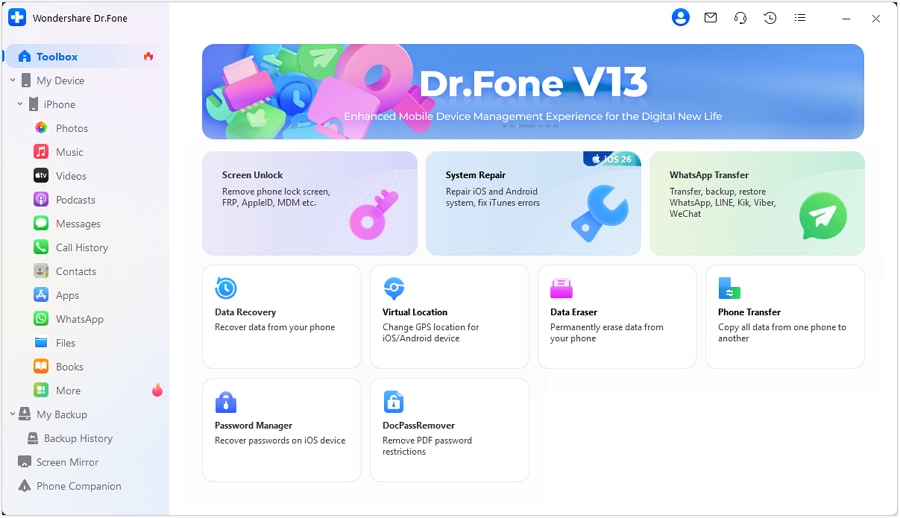
Part 4. Restore contacts selectively with Dr.Fone Data Recovery for Android
If your goal is contacts-only recovery with minimal overwrite risk, it helps to use a workflow that emphasizes preview and selective export rather than “restore everything.” At this point—after AI has helped you identify whether the issue is sync/account vs actual on-device loss—Dr.Fone - Data Recovery (Android) becomes relevant because it’s built to recover data from an Android device and lets you focus on specific data types like contacts before you commit changes.
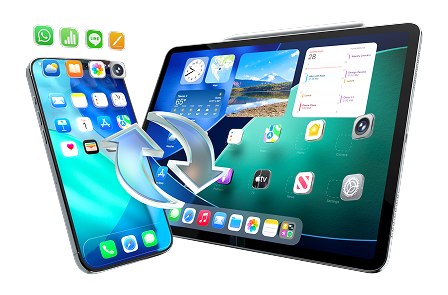
 Scan Android phones and tablets directly.
- Preview and recover only what you want.
- Supports WhatsApp, photos, videos, contacts, and more.
- Works with 6000+ Android devices.
-
Step 1 Stabilize the phone state
Enable Airplane mode (then selectively re-enable USB only) to reduce surprise sync changes while you assess and extract contacts.
-
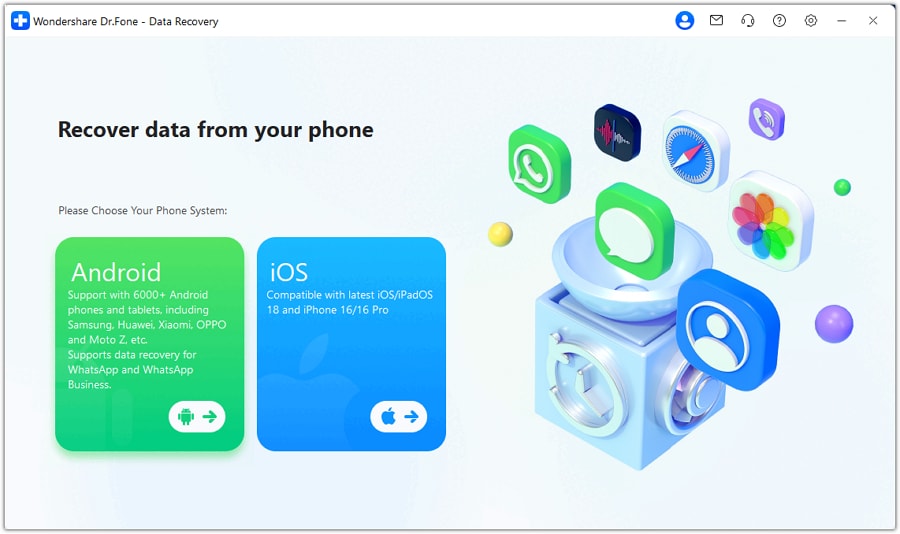
Step 2 Connect Android to Dr.Fone - Data Recovery (Android)
Connect via USB and follow the on-screen device permission steps carefully to avoid interrupting scanning mid-process.
-
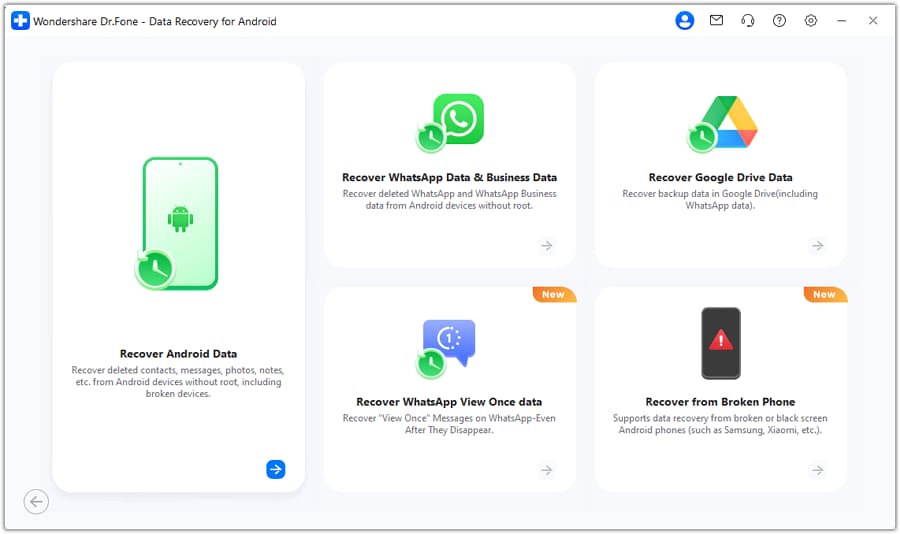
Step 3 Select Contacts for targeted scanning
Choose Contacts as the primary data type so the scan stays focused and reduces unnecessary writes or time.
-
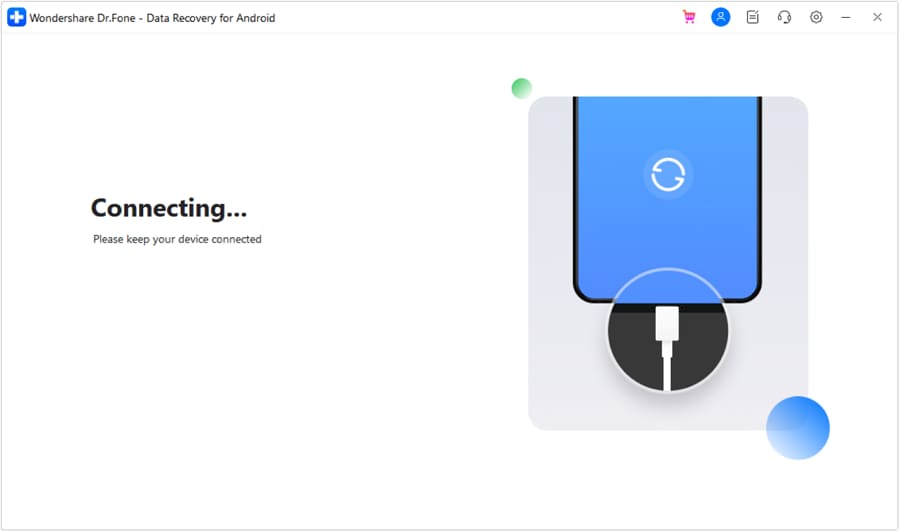
Step 4 Preview results before saving anything
Use the preview to confirm names/numbers look correct and watch for duplicates or older versions before exporting.
-
Step 5 Export recovered contacts safely
Save recovered contacts to your computer first (not back onto the phone immediately) so you can merge intentionally later.




Conclusion
Use AI to clarify what “restore” means in your specific case, rank the most likely causes, and choose low-risk checks before any irreversible step; then hand off execution to a selective workflow—such as Dr.Fone’s Android data recovery process—so you can focus on contacts and avoid accidental overwrites.
FAQ
-
Can restoring contacts overwrite my current contacts on Android?
Yes—depending on whether the method is a two-way sync, a “replace” restore, or an import that creates duplicates; the risk varies by source (Google/Samsung/VCF/app backup). -
What’s the safest first check before I restore anything?
Confirm where the missing contacts still exist (for example, in the web account like Google Contacts) and verify which account your phone is currently displaying—without triggering a restore. -
Why do I get duplicates after importing a VCF file?
VCF imports often don’t deduplicate reliably across accounts and device storage, so the same person can be created multiple times with small formatting differences. -
If contacts are missing after a phone switch, is it usually a sync problem?
Often, yes—an account mismatch, disabled contacts sync, or viewing the wrong account can look like data loss even when contacts still exist in the cloud. -
Can I restore contacts only, not everything else?
It depends on the tool and source; look for options that allow selective recovery/preview of Contacts rather than a full-device restore.
 Add Wondershare Dr.Fone as a preferred source on Google