Effortlessly manage data through preview, delete, export, etc.

 100% Security Verified | No Subscription Required | No Malware

 :
: 
 ChatGPT
 Perplexity
 Gemini
 Claude
 Grok
Grok

I deleted a bunch of photos on my iPhone, hit Delete, and now they’re missing everywhere. I checked Recently Deleted and it’s not there either—what should I NOT do next so I don’t make it worse?
Forum user
Deleting photos on an iPhone can feel final—especially if you already tapped Delete (or even Delete All) and now the images seem gone everywhere. This often happens on models like iPhone 13 or iPhone 14 right after a quick clean-up, when you expect them to still be in Recently Deleted but can’t find them.
AI tools like ChatGPT or Gemini can help you map what happened, narrow the most likely paths (Recently Deleted, iCloud Photos, backups, synced apps), and identify what not to do next so you don’t reduce your options.
In this article
- Why “what not to do” after deleting iPhone photos matters
- How deletions can propagate across devices
- Common trigger moments (updates/restarts)
- Stabilization: the safest early goal
- Info to capture before prompting AI
- Using AI prompts to diagnose safely
- When to stop experimenting to avoid data loss
- Unlock Android to access synced photo copies with Dr.Fone
- FAQs

Part 1. Why what not to do after deleting photos on iPhone matters
The “what not to do” part matters because iPhone photo loss is often a workflow problem, not a single button mistake: you delete, then iCloud sync updates, storage management runs, or you empty Recently Deleted without realizing it affects all synced devices.
A common trigger is deleting photos right after tapping “Install Now” for an iOS update (or after a restart), then checking Photos later and seeing fewer images than expected. It can be unclear whether the phone is still syncing, still updating, or if the deletion has already propagated.
At this stage, the safest goal is stabilization: avoid actions that change storage, sync state, or backups until you’ve identified where the last good copy might still exist.
1-1. Before You Prompt the AI
Capture a quick snapshot of your situation first:
- iPhone model and iOS version (if known)
- Did you delete from Photos > Library or Albums?
- Did you also empty Recently Deleted?
- Is iCloud Photos enabled, and are you on Wi‑Fi/cellular?
- Any other places the photos might exist (Google Photos, OneDrive, WhatsApp, an old Android phone)
Part 2. Using AI prompts to diagnose deleted photos on iPhone safely
2-1. Level 1: Basic Prompt
I deleted photos on my iPhone and now they’re missing. Tell me what NOT to do next, and the safest order to check: Recently Deleted, iCloud Photos, backups, and synced apps. Keep it low-risk and reversible.
2-2. Level 2: Advanced Prompt
Act like a cautious support triage assistant. Based on my symptoms, rank the most likely explanations for missing iPhone photos (Recently Deleted emptied, iCloud sync propagated deletion, wrong Apple ID, storage optimization, backup gap, third-party app sync).
For each explanation: (1) confidence 0–100, (2) what evidence would confirm it, (3) the lowest-risk next step, (4) actions to avoid because they can reduce recovery chances.
2-3. Level 3: Evidence Prompt
Diagnose my “deleted photos on iPhone” situation and produce a low-risk plan.
Details:
- iPhone model: (e.g., iPhone 13 Pro)
- iOS version: (e.g., iOS 17.x)
- What I did: (e.g., selected 500 photos > Delete; then I also emptied Recently Deleted / did not empty it)
- When: (e.g., 2 hours ago / 3 days ago)
- iCloud Photos: (On/Off/Not sure)
- Optimize iPhone Storage: (On/Off/Not sure)
- Apple ID: (same as other devices? not sure)
- Other devices: (e.g., iPad, Mac, old Android phone)
- Other photo apps: (e.g., Google Photos/OneDrive)
- Backups: (iCloud backup date if known; computer backup yes/no)
Output required:
1) A “Do Not Do” list (top 8) specific to my case
2) A ranked checklist of safe checks (no destructive steps first)
3) Decision points: when I should stop experimenting to avoid making it worse
2-4. Prompt Refinement
Use these follow-ups to tighten the diagnosis:
What key questions are you missing that would change your ranking the most?
Separate causes into categories: sync/account, local deletion, backup availability, third-party apps. Then rank within each category.
Which single piece of evidence would most strongly confirm iCloud deletion propagation vs a local-only issue?
List the top 5 actions that look harmless but can reduce my chances (and explain why).
Give me a ‘safe first 10 minutes’ plan vs a ‘safe first 24 hours’ plan.
2-5. AI Output vs Reality
AI can guide decisions, but your device state controls what’s actually possible:
| AI output (planning) | Reality check (what can block it) |
|---|---|
| “Check Recently Deleted first.” | Items may be permanently removed if you already emptied it or time expired. |
| “Verify iCloud Photos settings.” | Toggling iCloud Photos can trigger sync changes you can’t easily undo. |
| “Restore from a backup.” | Restoring can overwrite current data if you don’t plan preservation carefully. |
| “Look in other apps for copies.” | Apps may have their own trash, sync rules, or require device access to confirm. |
AI helps you sequence the safest checks and avoid irreversible steps; execution still depends on what’s on-device, what synced, and what backups exist.
Part 3. When to stop after deleting photos on iPhone to avoid data loss
Stop experimenting when continuing is more likely to reduce options than improve them.
- You already emptied Recently Deleted and you’re tempted to “try random fixes” (signing out of Apple ID, toggling iCloud Photos, factory reset).
- Your iPhone storage is near full and you keep creating new data (recording video, installing apps), which may reduce the chance of finding remnants.
- You’re considering restoring a backup but you’re not sure what date it is or what it would overwrite.
- The photos are time-critical or irreplaceable, and you can’t confidently explain the sync/backups state.
Once you’ve used AI to identify the most likely location of remaining copies, shift from diagnosis to controlled execution using the most relevant tool for the device you need to access.
Part 4. Unlock Android screen to access synced photo copies with Dr.Fone
If AI suggests your best remaining copies might be in a synced app account (like Google Photos/OneDrive) that you last used on another device, the next practical problem can be access—for example, an older Android phone that still has the logged-in app session but is locked. In that case, Dr.Fone - Screen Unlock (Android) becomes relevant as an execution step to regain access to the Android device so you can verify whether those photo copies still exist and export them carefully (without trial-and-error on your iPhone).
 Unlock Android phone in seconds.
- Remove PIN, pattern, password, fingerprint.
- Bypass Google FRP lock easily.
- Works on all Android brands & models.
- No tech skills required – user-friendly.
Steps (execution):
-
Step 1 Confirm the target Android device
Identify the Android phone that may contain the synced photos, and avoid repeated wrong passcodes that can trigger lockouts.
-
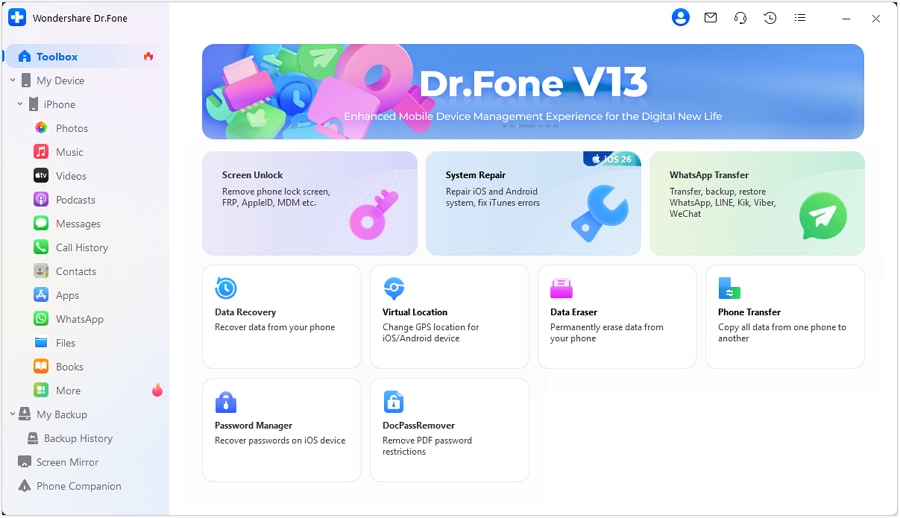
Step 2 Open Screen Unlock (Android)
Use Dr.Fone’s Unlock Android Screen module on a computer and select the screen-lock removal flow that matches your device.

-
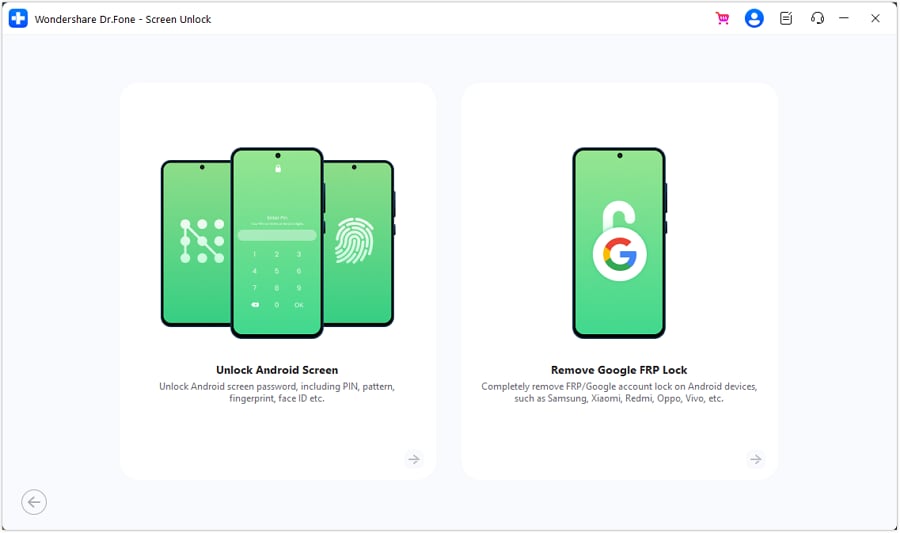
Step 3 Follow the guided removal process
Proceed carefully through the on-screen instructions, selecting the correct brand/model to avoid mismatched steps.
-
Step 4 Access and verify photo sources
After you can access the device, check the photo apps (including their trash/bin) and confirm what’s available before making changes.

-
Step 5 Document what you find
Note account emails, sync status, and any “Trash” retention timers before exporting copies to a safe location.




Conclusion
Use AI to clarify what happened, rank the most likely causes, and identify what not to do so you don’t reduce your options; then hand off to an execution tool only where it fits—such as unlocking an Android device to check for synced photo copies—while keeping your actions controlled and reversible.
Part 5. FAQs
FAQ
-
What not to do immediately after deleting photos on iPhone?
Avoid creating lots of new data, toggling iCloud Photos on/off, signing out of Apple ID, or restoring backups without a plan—these can change sync state or overwrite what you’re trying to retrieve.
-
If I deleted photos on iPhone, should I restart the phone?
A restart usually doesn’t help and can add uncertainty if it triggers background sync; prioritize checking Recently Deleted and confirming iCloud status first.
-
Can iCloud Photos delete pictures on all devices after I delete on my iPhone?
Yes—if iCloud Photos is enabled, deletions can propagate to other signed-in devices, which is why confirming sync status early matters.
-
How do I know whether my photos might still exist in another app like Google Photos?
Check whether that app was installed and logged in, whether backup/sync was enabled, and whether it has its own trash/bin retention window.
-
Why would I need to unlock an Android phone after deleting iPhone photos?
If AI points to a remaining copy stored in an app account that you last used on an Android device (or an older phone still logged in), unlocking that device may be the safest way to verify and export copies without further changing your iPhone.
 Add Wondershare Dr.Fone as a preferred source on Google