Effortlessly manage data through preview, delete, export, etc.

 100% Security Verified | No Subscription Required | No Malware

 :
: 
 ChatGPT
 Perplexity
 Gemini
 Claude
 Grok
Grok

My Pixel keeps restarting in a loop right after I restored apps during setup, and I can’t tell if it’s “optimizing” or actually stuck.
Reddit user, r/GooglePixel
A Pixel phone that keeps restarting right after you restore apps can feel like it’s stuck in a loop you can’t interrupt. This often happens on models like Pixel 7 or Pixel 8 after you tap Restore apps & data during setup or after Play Store finishes an automatic app restore, and then the device repeatedly reboots.
AI can help you sort what you’re seeing into likely cause buckets—app conflicts, storage pressure, OS-level instability, or account/verification friction—and suggest low-risk checks to confirm which bucket fits.
AI can’t see your device logs or safely “try things” for you, and some trial-and-error steps (like resets, wipes, or repeated forced restarts) can increase lockouts or data-loss risk. Use prompts for diagnosis, then use dedicated tools for execution.
In this article
- Part 1. Why Pixel phone keeps restarting after app restore happens and what it means
- What the reboot timing suggests
- Before you prompt the AI
- Why “right after restore” is a strong clue
- When it may be more than an app issue
- Part 2. Using AI prompts to diagnose Pixel reboot loop after app restore safely
- Part 3. When to stop troubleshooting a Pixel restart loop to avoid data loss
- Part 4. Unlock Pixel lock screen after repeated restarts with Dr.Fone
- Part 5. AI output vs reality: what to verify in real life

Part 1. Why pixel phone keeps restarting after app restore happens and what it means
A restart loop after app restore usually points to a conflict during “first-run” processes: restored apps re-registering services, background updates, Play Protect scans, or a system component crashing during boot. On Pixel devices, the timing (right after restore) is a strong clue that an app, data migration artifact, or update mismatch is involved.
If the phone reboots before you can reach Settings, it may be failing during early startup tasks. If it stays on long enough to warm up, then restarts, suspect overheating, low storage, or an app that starts automatically and crashes system UI.
It’s also common to feel unsure whether the phone is still “optimizing apps” or genuinely stuck—because nothing visibly changes after several minutes except another reboot.
1-1. Before You Prompt the AI
Collect a few details first so the AI can narrow causes without guesswork:
- Pixel model and Android version (if known)
- What you restored (apps only vs apps + device settings)
- When reboots happen (at logo, at lock screen, after unlock, after Wi‑Fi connects)
- Any recent changes (system update, beta, new SIM/eSIM, low storage)
- Whether you can enter Safe Mode or Recovery Mode
Part 2. Using AI prompts to diagnose Pixel reboot loop after app restore safely
2-1. Level 1: Basic Prompt
My Pixel keeps restarting in a loop right after I restored apps. Ask me the minimum questions needed to narrow the top 3 likely causes, and suggest only low-risk checks first (no factory reset yet).
2-2. Level 2: Advanced Prompt
You are diagnosing a Pixel restart loop that began immediately after app restore.
1) List the **top 5 likely causes** and **rank** them by probability.
2) For each cause, give **one low-risk confirmation check** I can do without wiping data.
3) Flag steps that could increase risk (data loss, lockout, encryption/FRP issues).
4) End with a decision rule: “If X, do Y; if not, do Z.”
2-3. Level 3: Evidence Prompt
Diagnose my “Pixel restarts after app restore” issue using the evidence below.
**Goal:** identify the most likely cause categories, what evidence would confirm each, and the safest next step order.
**Device:**
- Pixel model: (e.g., Pixel 7)
- Android version/build: (if known)
- Storage free space estimate: (e.g., ~2 GB free)
**Trigger event:**
- What I tapped/started: (e.g., “Restore apps & data” during setup)
- Source: (Google backup / cable transfer / Play Store auto-restore)
**Symptoms:**
- Reboot timing: (at Google logo / lock screen / after unlock / after Wi‑Fi)
- Frequency: (e.g., every 2–5 minutes)
- Heat/battery behavior: (cool/warm/hot, fast drain)
- Any visible messages: (e.g., “System UI isn’t responding”)
**What still works:**
- Can I enter Safe Mode? (yes/no/unsure)
- Can I enter Recovery Mode? (yes/no/unsure)
- Can I keep it on in airplane mode? (yes/no/unsure)
**What I already tried:**
- Forced restart counts, charger used, SIM removed, etc.
**Constraints:**
- Data priority: (must keep data / can lose data if necessary)
**Output format:**
- Probable causes (ranked)
- Evidence that supports each cause
- Low-risk next steps in order
- Clear “stop” conditions before risky actions
2-4. Prompt Refinement
Use these follow-ups to make the AI’s answer more specific and less generic:
“What **2 missing questions** would most change your ranking, and why?”
“Separate your causes into **app-level**, **system-level**, and **hardware/thermal** categories, with one discriminator test each.”
“Rank the causes again **assuming I can boot in Safe Mode**; then rank them **assuming I cannot**.”
“What single piece of evidence would most strongly indicate a **bad restored app or corrupted app data**?”
“Give me a **lowest-risk-first** checklist that avoids factory reset, and tell me exactly what result would mean ‘move to the next step’.”
2-5. AI Output vs Reality
AI can propose a logic tree; your device still decides what’s possible in the moment.
Part 5. AI output vs reality: what to verify in real life
| What AI may conclude | What you should verify in real life |
|---|---|
| “A restored app is crashing at startup” | Whether Safe Mode stays stable and reboots stop when third-party apps are disabled |
| “Low storage is causing boot instability” | Free space level and whether the phone stays on longer after freeing space (if you can access storage) |
| “System update mismatch after restore” | Whether the reboot began after an OS update and whether Recovery options are reachable |
| “Thermal/power issue” | Temperature, charger/cable behavior, and whether reboots correlate with heat or charging state |
AI helps you choose the next safest test; execution still requires actions you can reliably perform on the device (or tools designed for those actions).
Part 3. When to stop troubleshooting a Pixel restart loop to avoid data loss
If you keep repeating force restarts and random steps, you can worsen corruption, trigger account/security challenges, or end up locked out without a plan.
- The phone reboots so quickly you can’t reach Settings, backup, or Safe Mode consistently
- You see security-related friction after restarts (forgotten PIN/pattern, “try again later,” or repeated verification prompts)
- The device heats up abnormally or the battery drops rapidly during the loop
- You’re considering a factory reset but you’re unsure about account recovery, encryption, or whether you can pass the lock screen afterward
Once you’ve used AI to narrow the likely cause and you’ve hit one of the stop signals, shift from diagnosis to a controlled execution path—especially if access recovery is becoming part of the problem.
Part 4. Unlock Pixel lock screen after repeated restarts with Dr.Fone
If repeated restarts or interrupted setup has left you unable to reliably pass the lock screen (forgotten PIN/pattern, lockout delays, or inconsistent access), the next practical step is often to focus on regaining access in a controlled way before you attempt deeper changes. Dr.Fone - Screen Unlock (Android) is relevant at this stage because it’s purpose-built to execute the lock-screen removal workflow when access recovery becomes the blocker, while your AI prompts remain focused on deciding whether that’s the right move. Use it after you’ve identified that “I can’t get in” is now the limiting factor, not just the restart symptom.
 Unlock Android phone in seconds.
- Remove PIN, pattern, password, fingerprint.
- Bypass Google FRP lock easily.
- Works on all Android brands & models.
- No tech skills required – user-friendly.
Steps (execution):
-
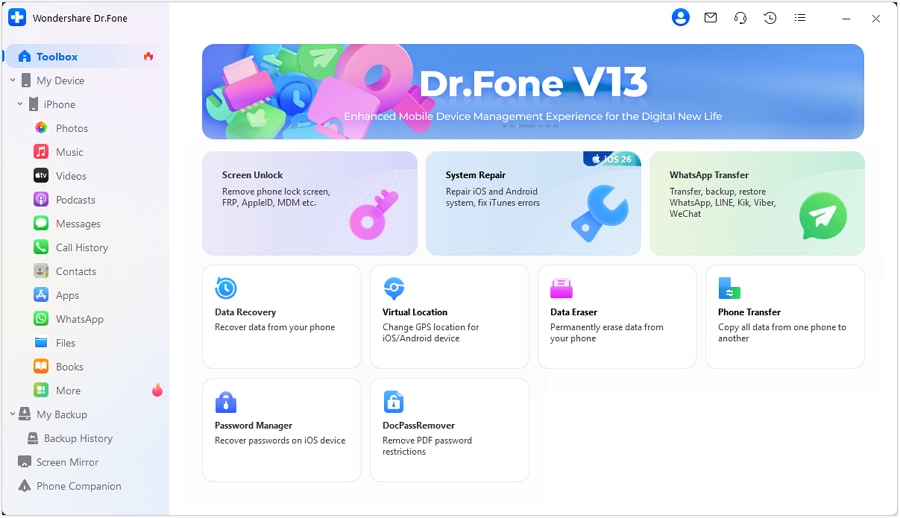
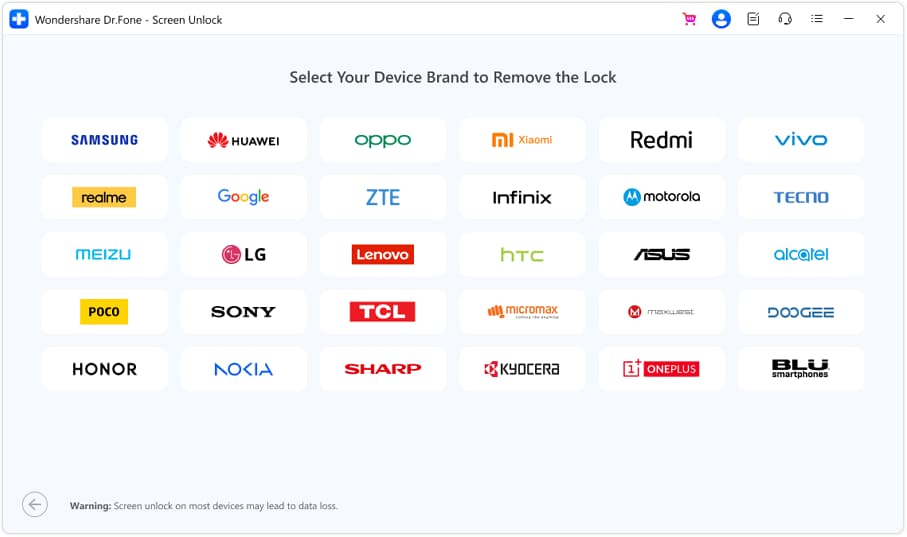
Step 1 Open Screen Unlock (Android)
Launch Dr.Fone on a computer and select the Android screen unlock option.
-
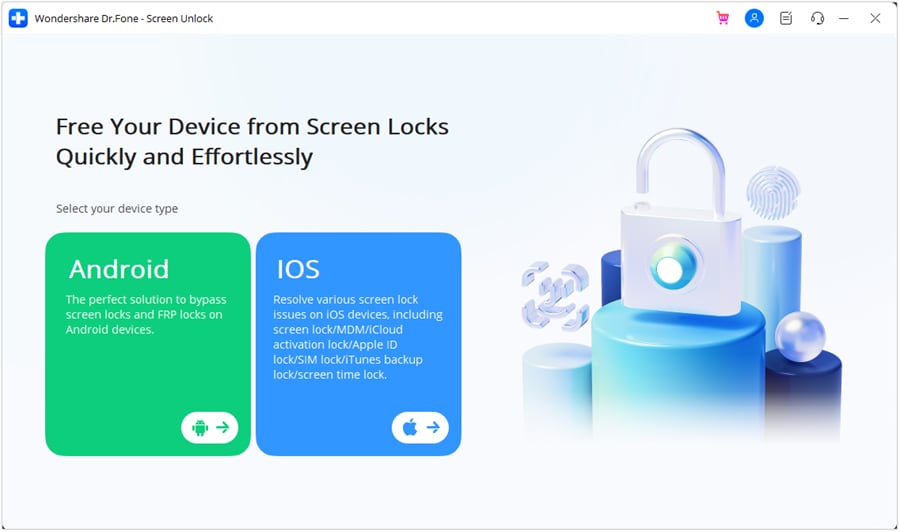
Step 2 Connect your Pixel carefully
Plug in the Pixel via USB and keep the connection stable (avoid hubs/loose cables to reduce interruptions during the process).
-
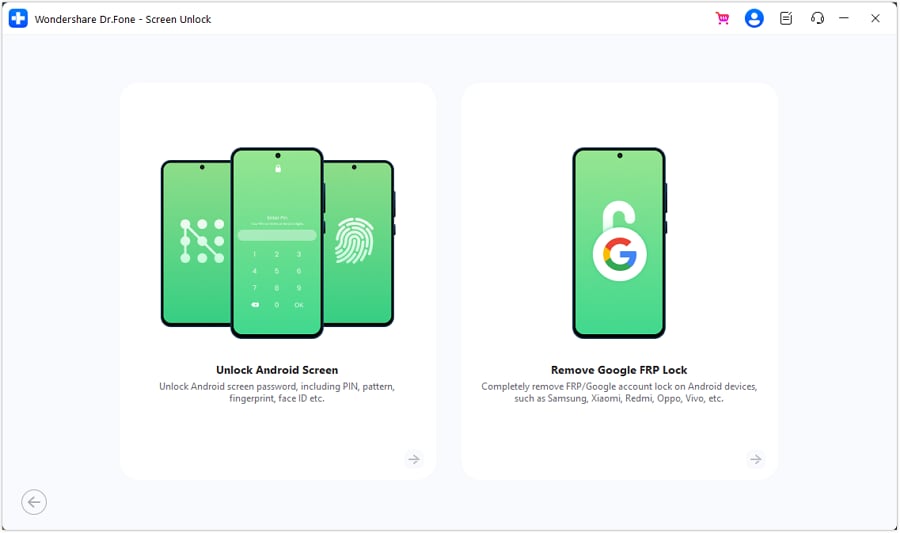
Step 3 Follow the model-specific on-screen flow
Use the guided steps to match your device state; proceed cautiously because some unlock methods can affect on-device data depending on device/Android security.
-
Step 4 Complete unlock, then reassess the restart loop
After access is restored, return to the AI’s ranked causes to decide the next low-risk move (for example, uninstalling the last restored app batch or checking storage).
-
Step 5 Use the official guide if you need a reference
If you get stuck on a step, follow the corresponding Android lock screen removal guide to ensure you’re using the right device mode and sequence.




Conclusion
Use AI to classify the restart loop, rank likely causes, and choose the lowest-risk checks based on your evidence; then, if repeated restarts have turned into an access problem, hand off execution to a dedicated tool like Dr.Fone Screen Unlock so you can regain controlled access and continue the next steps safely.
FAQ
-
Why does my Pixel restart right after restoring apps?
Common patterns include a problematic restored app launching at boot, low storage after migration, a system component crash during “first-run” setup, or an update mismatch that shows up only after restore triggers background activity.
-
How can I tell if it’s one app causing the reboot loop?
If Safe Mode runs stably (no reboots), that strongly suggests a third‑party app or its data is involved; AI can help you plan which apps to remove first based on what was restored most recently.
-
Is it safe to keep force-restarting my Pixel until it “works”?
Occasional forced restarts can be fine, but repeated cycles can increase instability and may lead to lockout delays or access problems—pause and switch to evidence-based checks.
-
What information should I give AI to get a useful diagnosis?
Model, Android version (if known), when the reboot occurs (logo vs lock screen vs after unlock), whether Safe Mode/Recovery works, storage estimate, heat behavior, and what you restored (apps only vs settings too).
-
What if the restart loop also leaves me locked out of the phone?
If access recovery becomes the blocker (forgotten PIN/pattern or lockout), use a dedicated execution tool like Dr.Fone Screen Unlock to handle the unlock workflow, then continue with the AI’s prioritized troubleshooting plan.
 Add Wondershare Dr.Fone as a preferred source on Google