Effortlessly manage data through preview, delete, export, etc.

 100% Security Verified | No Subscription Required | No Malware

 :
: 
 ChatGPT
 Perplexity
 Gemini
 Claude
 Grok
Grok

Everywhere I look, people say different things about charging—some swear by 20–80%, others say it doesn’t matter, and then there’s fast charging and wireless heat. I just want a routine that actually fits my day without killing the battery.
Reddit user, r/Android
“Best” charging advice often clashes because people optimize for different things: maximum battery lifespan, all-day uptime, convenience, or heat control. A rule that’s perfect for one lifestyle can be annoying—or risky—for another.
AI helps by turning vague goals (“make my battery last longer”) into a structured comparison of trade-offs, so you can choose a routine you’ll actually follow. Instead of arguing over a single magic percentage, you evaluate habits as options with costs and benefits.
AI can’t feel your phone’s heat in your pocket, verify your exact battery condition, or predict real-world friction in your day. Once you’re decision-ready, the practical follow-through (backup, cleanup, or resale prep) still matters.

In this article
- How to compare charging habits based on real priorities
- Most common routines people are choosing between
- Where the trade-off usually is (convenience vs longevity)
- Heat triggers that change what matters
- How to define what you’re optimizing
- What the AI needs to compare
- Using AI prompts to evaluate more clearly
- AI recommendation vs real-world fit
- When to stop researching and make the call
How to Compare best charging habits for long phone lifespan Based on Real Priorities
Most people are choosing between a few workable routines: keeping charge between ~20–80%, charging to 100% daily, using fast charging routinely vs only when needed, and using wireless charging vs wired. None is “universally best”—they’re best for a specific pattern of use.
The real tension is usually convenience vs longevity: tighter charge limits and slower charging can reduce battery stress, but they may also create daily anxiety or extra top-ups. On the other hand, 100% charging and frequent fast charging can be easy—yet may increase heat and wear over time.
A good comparison focuses on what you’re optimizing (lifespan, reliability, simplicity), where you charge (desk, car, overnight), and what causes heat (gaming, navigation, hot environments, thick cases).
What the AI Needs to Compare
To compare charging habits meaningfully, the AI needs your routine and your constraints, not just generic battery tips.
- Your phone model/OS (iPhone/Android) and whether it supports optimized charging or an 80–85% limit
- Typical day: screen time, gaming, navigation, hotspot use, work shifts, commute length
- Charging access: desk charger, car charger, power bank, “only at night,” etc.
- Your biggest pain point: battery aging, mid-day drop-offs, overheating, or convenience
- Current habits: overnight charging, wireless pad use, fast charger use, charging while using
- Environment factors: hot climate, case thickness, charging in bed/under pillow (heat risk)
- Time horizon: keep phone 6–12 months vs 2–4 years
- Risk tolerance: okay with occasional low-battery moments vs must never run out
Using AI Prompts to Evaluate best charging habits for long phone lifespan More Clearly
Use these prompts to force a trade-off-based answer you can actually act on.
Level 1: Basic Prompt
I want the best charging habits for long phone lifespan.
Compare these options for my daily routine: (A) charge to 100% overnight, (B) keep between ~20–80%, (C) fast charge only when needed, (D) use wireless charging daily.
Tell me which option fits best and why.
Level 2: Advanced Prompt
I’m deciding my charging routine and I care about long-term battery health and day-to-day reliability.
Compare (1) 20–80% habit, (2) 30–90% habit, (3) charge to 100% daily with optimized charging, and (4) “charge whenever convenient.”
For each, explain: who it fits, what it reduces (heat/time at high %/deep discharges), what it costs (more top-ups/less uptime), and the most common failure mode (why people quit the habit).
Level 3: Evidence Prompt
Here’s my context: [phone model + age], [typical screen time + heavy apps], [when/where I can charge], [whether I often need a full day without charging], and [heat issues if any].
Recommend one primary charging routine and one “backup routine for busy days.”
For each option I’m considering, summarize what I gain / what I give up.
Also name one key assumption about my routine that—if wrong—would change your recommendation.
Prompt Refinement
If I only follow one rule consistently, should it be “avoid heat,” “avoid sitting at 100%,” or “avoid deep drops below 10–15%”?
Justify using my routine.
What’s the smallest change from my current habit that produces most of the longevity benefit (so I’m likely to stick with it)?
Identify my highest-risk moments for battery stress (heat + charging + usage).
Give prevention steps for those exact moments.
If I prioritize “never run out of battery,” what longevity-friendly compromises can I still make (without strict limits)?
Under what conditions is charging to 100% actually the sensible choice for me, and how do I reduce the downside when I do it?
What would I most likely regret after 30 days with the recommended routine, and what adjustment would prevent that regret?
AI Recommendation vs Real-World Fit
AI can clarify likely fit and trade-offs, but hands-on use—heat, workflow friction, and your daily habits—ultimately determines whether a charging routine is sustainable and satisfying.
| Likely AI recommendation or conclusion | What real-life use may change or reveal |
|---|---|
| “A 20–80% (or ~30–80%) routine is best for longevity.” | You may find it inconvenient, leading to more frequent top-ups—or unexpected low-battery moments. |
| “Avoid heat: don’t fast charge while gaming; don’t charge under a pillow.” | Your actual heat sources may be different (car dash, thick case, wireless pad alignment), changing what matters most. |
| “Use fast charging only when needed; slower charging is gentler.” | You might need fast charging daily due to schedule—making consistency more valuable than an ideal rule. |
| “Optimized charging / charge limit features are a good default.” | The feature may not match your schedule (irregular sleep/work), causing it to finish at 100% too early or not help much. |
When to Stop Researching best charging habits for long phone lifespan and Make the Call
- You can clearly state your top priority (lifespan vs always-full reliability vs simplicity) and your “non-negotiable” constraint (e.g., can’t charge mid-day).
- You’ve chosen a primary routine and a fallback for high-demand days (so you don’t abandon the plan when life gets busy).
- You know the main stressors you’ll avoid (heat while charging, long time at 100%, or frequent deep drains) and what you’ll do instead.
- You have a 2-week test plan with one or two measurable signals (midday battery anxiety, overheating frequency, or end-of-day percentage).
Once you can describe your routine in one sentence and predict the main downside you’re accepting, you’re ready to stop comparing and start testing.
After Choosing best charging habits for long phone lifespan: Switch or Prepare Smoothly with Dr.Fone
After you pick a charging routine, the practical “maintenance” step is making sure your data is safe and your phone is easy to reset or move on from—especially if you’re troubleshooting battery issues, planning a battery replacement, or preparing for resale. If you run into lockouts during troubleshooting or hand-off prep, Dr.Fone - Screen Unlock (Android) can help you regain access to an Android device so you can continue with backup, transfer, or reset tasks.
 Unlock Android phone in seconds.
- Remove PIN, pattern, password, fingerprint.
- Bypass Google FRP lock easily.
- Works on all Android brands & models.
- No tech skills required – user-friendly.
Beyond charging habits, you can reduce “life disruption” by planning the practical next steps:
- Create a clean backup before you change anything major: Back up important photos, messages, and device data before OS updates, resets, or service visits. A backup doesn’t improve battery health by itself—it reduces the risk of data loss while you troubleshoot.
- Transfer what you need if you’re switching devices: If you decide the best “battery move” is upgrading, transfer key data to the new phone with less manual rework. Some app data or encrypted items may still require app-specific logins or verification steps.
- Prep for resale or hand-off (privacy + simplicity): Remove personal data when you’re selling or giving away the phone. Resale value still depends on battery health, condition, and carrier status—data wiping doesn’t change hardware wear.
Screen unlock guide (when you need access to continue backup/transfer/reset)
-
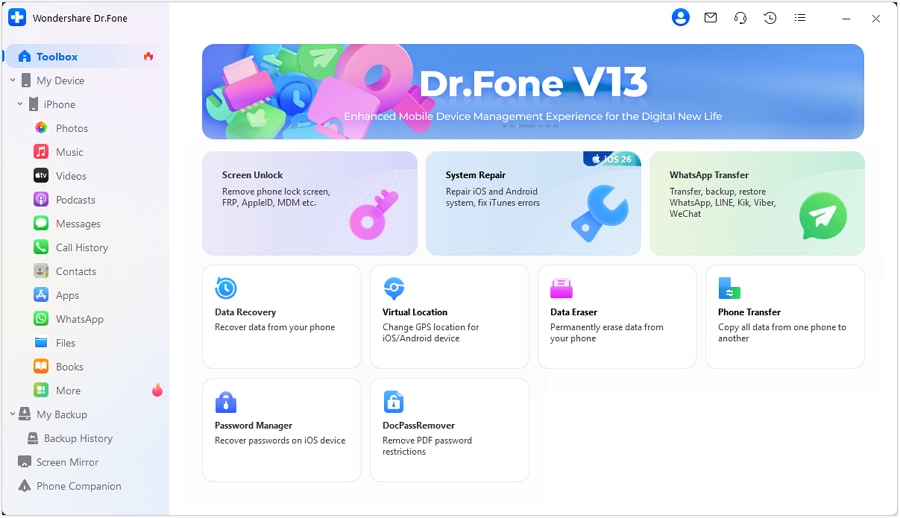
Step 1 Launch the Android screen unlock tool
Open Dr.Fone and go to the Screen Unlock module on your computer.
-
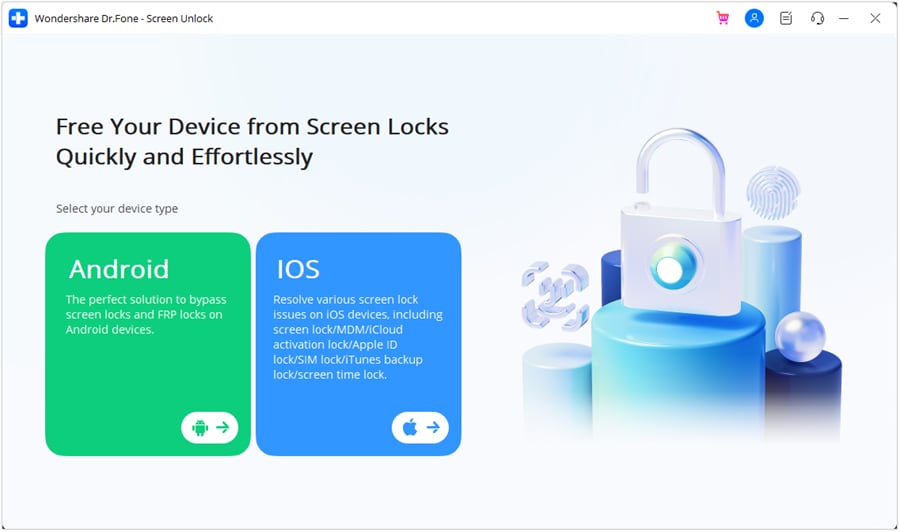
Step 2 Choose the Android unlock option
Select the option that matches unlocking an Android device, then proceed.
-
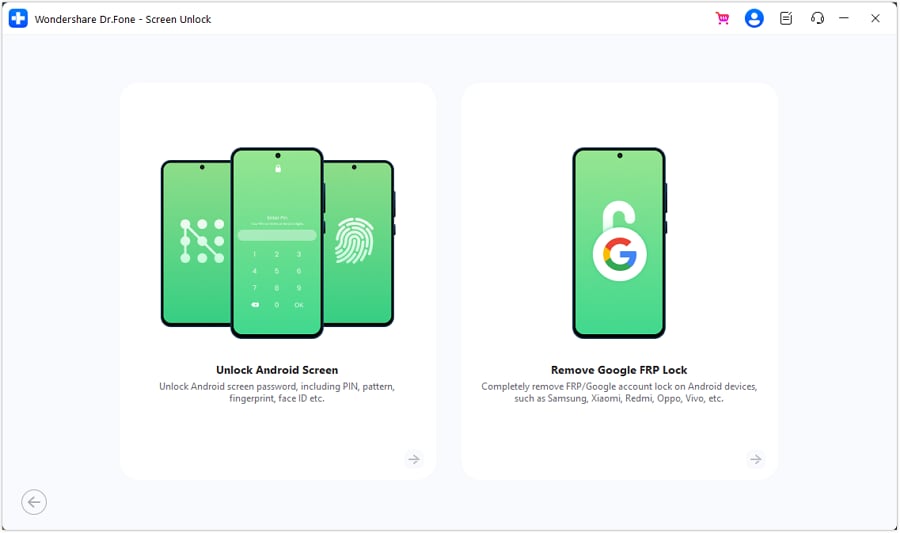
Step 3 Access the screen lock removal function
Pick the “Remove Screen Lock” flow and follow the on-screen prompts.
-
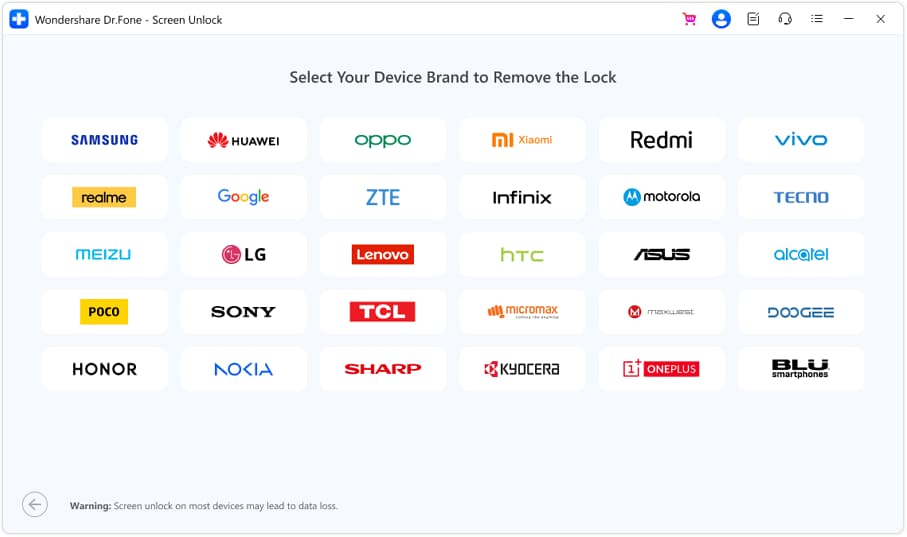
Step 4 Select your device brand and continue
Choose the brand you’re using and continue with the guided instructions.




Conclusion
AI is best used here as decision support: it helps you compare charging habits by priorities, trade-offs, and likely regret points—while real-world use confirms what actually fits your days. Once your choice is clear, tools like Dr.Fone can help you execute the practical next step (backup, transfer, or resale prep) safely.
FAQ
-
Can I trust AI advice about battery charging?
Use it for decision structure (trade-offs, routines, and consistency), not as a measurement tool. AI can’t inspect your battery health or your phone’s real temperatures. -
What’s the single most important trade-off in charging habits?
Convenience vs reduced battery stress. Tighter limits (like 20–80%) may help longevity but can cost you uptime and mental bandwidth. -
How do I avoid a generic, spec-based answer?
Give the AI your real charging access, daily schedule, heat exposure, and “never run out” requirements. Then ask for a primary routine plus a busy-day fallback. -
Is charging to 100% always “bad”?
Not always—if you truly need maximum daily range, it can be the sensible choice. The key is reducing heat and unnecessary time sitting at 100% when you don’t need it. -
What should I prepare after I choose a routine?
A short test period (1–2 weeks), a fallback plan for heavy days, and a current backup—especially if you’re considering resets, repairs, or switching phones. -
Does wireless charging meaningfully hurt battery lifespan?
It can add heat in some setups, which matters more than the method itself. If your phone runs noticeably warm on a pad, that’s a practical signal to adjust.
 Add Wondershare Dr.Fone as a preferred source on Google