Effortlessly manage data through preview, delete, export, etc.

 100% Security Verified | No Subscription Required | No Malware

 :
: 
 ChatGPT
 Perplexity
 Gemini
 Claude
 Grok
Grok

I updated iOS and now my Photos look empty—albums are there but thumbnails aren’t, and Recents doesn’t match what I remember. I’m scared I lost everything.
Apple Support Community user
Photos disappearing right after an iOS update can feel alarming—especially if it happens on an iPhone 13 or iPhone 14 after you tapped Install Now and the phone restarted. You may open Photos and notice albums look empty, counts changed, or “Recents” doesn’t match what you remember.
AI (like ChatGPT or Gemini) can help you describe symptoms clearly, narrow likely causes (sync, indexing, storage, account changes), and decide what evidence to check next—without rushing into risky actions.
AI also can’t see your device state, your iCloud settings, or what’s actually stored locally. Trial-and-error steps (signing out of Apple ID, toggling sync, deleting apps) can sometimes make recovery harder, so use prompts to plan safer next checks first.

In this article
- Part 1. Why iPhone photos disappeared after iOS update and what it means
- What “missing” usually looks like
- Common triggers after an update
- Where your “source of truth” might be
- What to collect before asking AI
- Part 2. AI prompts to diagnose missing photos after iOS update safely
- Part 3. AI output vs reality: what to verify on your device
- Part 4. When to stop troubleshooting to avoid data loss
- Part 5. Unlock Android screen to check if your missing iPhone photos are synced elsewhere with Dr.Fone
Part 1. Why iPhone photos disappeared after iOS update and what it means
After an update, Photos can look “missing” even when images still exist—because the library may be re-indexing, iCloud Photos may be paused, or the device may have switched accounts/settings. This often shows up as blank thumbnails, missing “Recents,” or incomplete search results.
Common triggers include updating with low storage, switching Apple IDs during setup, changing iCloud Photos settings, or network interruptions. Sometimes nothing visibly changes for several minutes, so it’s unclear whether Photos is still processing in the background.
What it means depends on whether photos were stored in iCloud Photos, local-only, Shared Albums, or another app (Google Photos/OneDrive). Your first job is to confirm where the source of truth is before changing anything.
1-1. Before You Prompt the AI
Collect the basics first:
- iPhone model and iOS version (Settings > General > About)
- Whether iCloud Photos is enabled (Settings > Apple Account > iCloud > Photos)
- Current Wi‑Fi status + Low Power Mode status
- Free storage remaining (Settings > General > iPhone Storage)
- What exactly is missing (entire library vs specific albums vs recent photos only)
- Any other devices still showing the photos (iPad, Mac, web iCloud.com)
Part 2. AI prompts to diagnose missing photos after iOS update safely
2-1. Level 1: Basic Prompt
My iPhone photos look missing right after an iOS update. Ask me the minimum questions needed to figure out whether this is iCloud syncing, indexing, storage, account mismatch, or something else, and then give me low-risk checks in the safest order.
2-2. Level 2: Advanced Prompt
Act as a cautious diagnostic assistant. Based on my answers, rank the most likely causes of “photos missing after iOS update” from most to least likely. For each cause, list (1) what evidence would confirm it, (2) the lowest-risk check to perform, and (3) what NOT to do yet to avoid making loss worse. If any step is reversible vs irreversible, label it.
2-3. Level 3: Evidence Prompt
Help me diagnose “iPhone photos missing after iOS update” using evidence.
Device: iPhone model: (e.g., iPhone 13 Pro)
iOS version: (e.g., iOS 17.x)
What I did before it happened: (e.g., tapped Install Now, phone restarted)
What I see now: (e.g., Recents empty / thumbnails gray / some albums missing)
Time since update finished: (e.g., 10 minutes / 2 hours)
iCloud Photos: On/Off + status message if shown (e.g., “Updating…” / “Paused”)
Apple ID: same as before? (yes/no/unsure)
Storage free: (e.g., 2 GB free)
Network: Wi‑Fi stable? VPN on? (yes/no)
Other devices: do photos still appear on iPad/Mac/iCloud.com? (yes/no)
Third‑party apps: Google Photos/OneDrive used? (yes/no)
Now: propose 5–8 checks, ordered from lowest risk to highest, and explain what outcome of each check would mean.
2-4. Prompt Refinement
Use these follow-ups to tighten the diagnosis:
What key question is missing that would most change your ranking?
Separate causes into sync/account vs device storage/indexing vs app/UI vs true deletion.
Rank the causes again assuming my iCloud Photos was ON before the update, then rank again assuming it was OFF.
What single piece of evidence would best distinguish ‘still syncing’ from ‘signed into wrong Apple ID’?
List actions that are risky (signing out of Apple ID, deleting Photos app data, restoring) and when they become justified.
Part 3. AI output vs reality: what to verify on your device
AI can guide decisions, but you still need device checks and careful execution.
| What AI suggests | What you should verify in reality |
|---|---|
| “It’s probably iCloud syncing” | iCloud Photos status text, Wi‑Fi stability, and whether iCloud.com shows the photos |
| “It might be indexing after update” | Time since update, heat/battery drain, search results improving, thumbnails loading gradually |
| “It could be account mismatch” | Apple ID email in Settings, iCloud Photos toggle, and other devices on the same Apple ID |
| “Some photos may be deleted” | Recently Deleted album, shared albums, and whether another device still holds originals |
AI can’t confirm what’s stored locally vs in the cloud; it only helps you choose the next safest check. Execution still depends on what your phone and accounts actually show.
Part 4. When to stop iPhone photo troubleshooting after an update to avoid data loss
Stop and reassess if:
- You’re about to sign out of Apple ID or turn off iCloud Photos without clearly understanding what’s stored locally vs in iCloud.
- Storage is critically low (e.g., under ~1–2 GB) and Photos/iOS behaves erratically, risking incomplete sync or corrupted indexing.
- You see signs of account confusion (unknown Apple ID, missing subscriptions/devices) and can’t confirm your original login.
- You’re considering destructive steps (reset/restore, deleting apps/data) without confirming whether photos exist on iCloud.com or another device.
Once you’ve used AI to narrow the likely cause and define the safest next step, move from diagnosis to a practical tool only when it fits your situation and reduces risk.
Part 5. Unlock Android screen to check if your missing iPhone photos are synced elsewhere with Dr.Fone
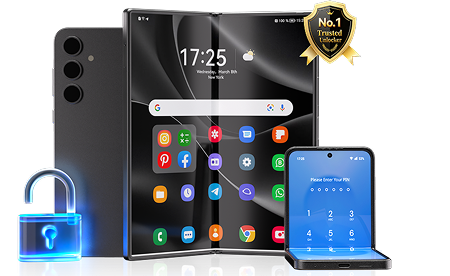
If your “missing” iPhone photos were actually backed up to a cross‑platform app (like Google Photos or OneDrive), a fast way to confirm is to check the account on another device—often an older Android phone that’s locked and not readily accessible. At this point, a focused execution tool matters: Dr.Fone - Screen Unlock (Android) can help you regain access to that Android device so you can verify whether your photo library exists there, without guessing on the iPhone side.
 Unlock Android phone in seconds.
- Remove PIN, pattern, password, fingerprint.
- Bypass Google FRP lock easily.
- Works on all Android brands & models.
- No tech skills required – user-friendly.
-
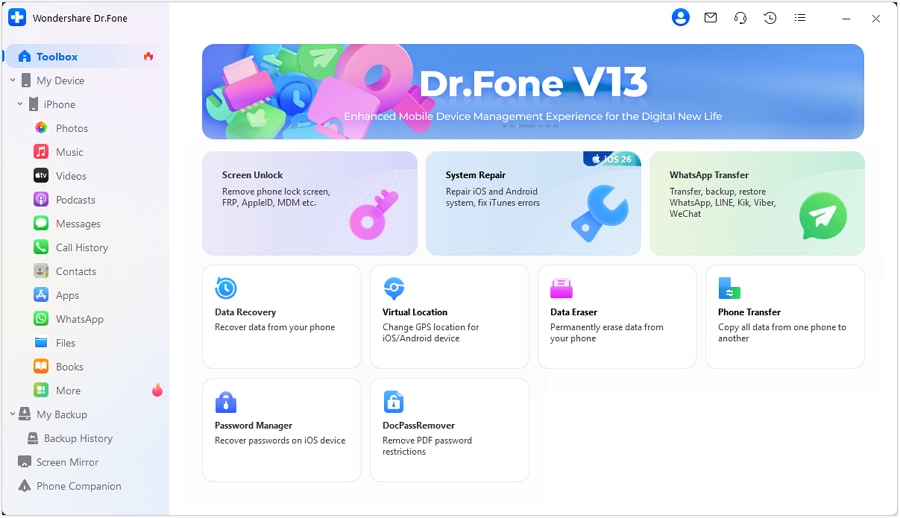
Step 1 Confirm your goal
Decide which app/account you need to verify on Android (e.g., Google Photos login) so you don’t unlock the device without a clear next check.
-
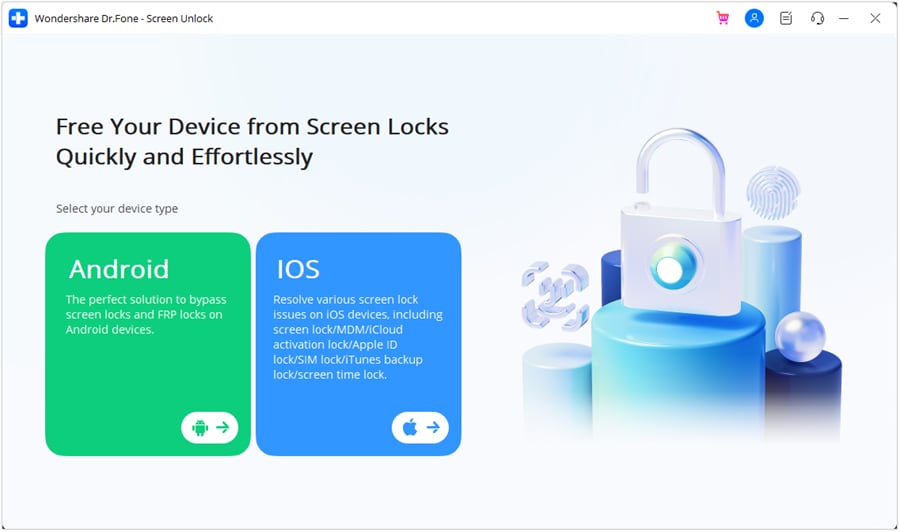
Step 2 Open Dr.Fone Screen Unlock (Android)
Use the Unlock Android Screen module on a computer and connect the locked Android device via USB, keeping the connection stable.
-
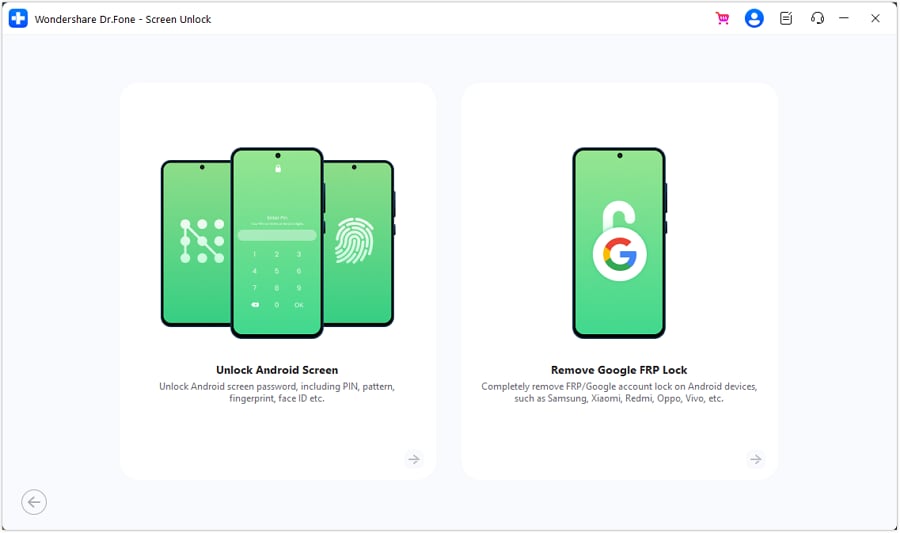
Step 3 Follow the model-specific flow
Choose the correct device brand/model and proceed carefully, because some methods may affect on-device data depending on device/security version.
-
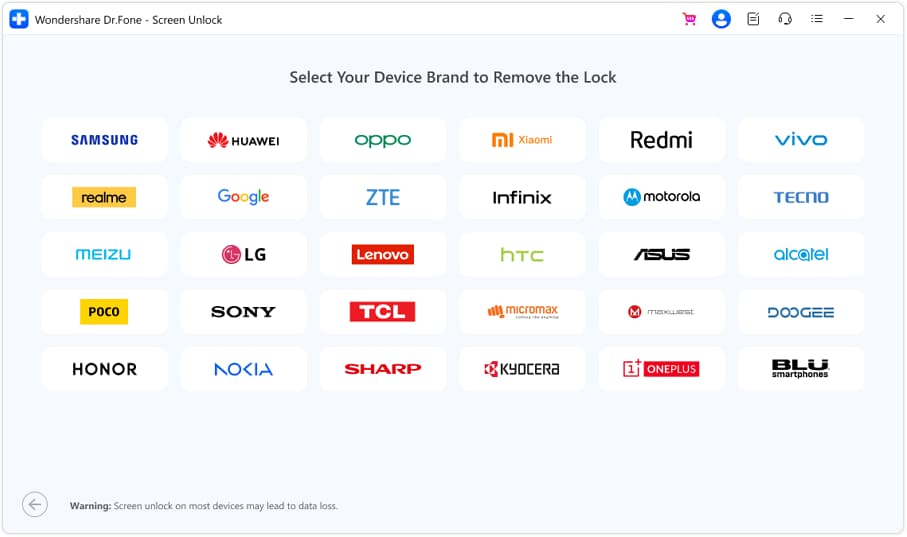
Step 4 Access and verify cloud photo apps
After access is restored, open the relevant photo app and confirm whether the “missing” iPhone photos exist in the cloud library (dates, counts, and albums).
-
Step 5 Document what you find
Note which photos exist and where (cloud vs device) before changing iPhone settings, so your next steps are evidence-based.




Conclusion
Use AI to translate your symptoms into a ranked set of likely causes and low-risk checks, then switch to execution only when you have evidence for the next step. If verifying a cross‑platform backup requires access to a locked Android device, Dr.Fone Screen Unlock (Android) is relevant at that handoff point—helping you confirm where your photos actually are before you change anything risky on your iPhone.
FAQ
-
Why are my photos missing after an iOS update but storage didn’t change?
This often points to iCloud sync paused, indexing not finished, or a view/filter issue—rather than true deletion. -
How long can Photos take to re-index after an update?
It varies by library size, free storage, power state, and network; checking iCloud Photos status and thumbnail/search behavior is more reliable than a fixed time estimate. -
Should I turn iCloud Photos off and on to “refresh” it?
Avoid toggling until you confirm where originals are stored (iCloud.com vs device) and whether “Download and Keep Originals” is feasible with your current storage. -
What’s the safest first place to confirm whether photos still exist?
If you use iCloud Photos, check iCloud.com (Photos) and another signed-in Apple device before making changes on the affected iPhone. -
How does unlocking an Android phone help with missing iPhone photos?
If your images were backed up to a cross-platform service (e.g., Google Photos), regaining access to a locked Android device can help you verify whether the library exists in that account.
 Add Wondershare Dr.Fone as a preferred source on Google