Effortlessly manage data through preview, delete, export, etc.

 100% Security Verified | No Subscription Required | No Malware

 :
: 
 ChatGPT
 Perplexity
 Gemini
 Claude
 Grok
Grok

After updating, my iPhone registers taps, but everything feels delayed—scrolling is choppy and animations stutter like the UI can’t keep up. Restarting doesn’t really change it.
Apple Support Community user
Touch lag and UI stutter on an iPhone can show up as delayed taps, choppy scrolling, or animations that “skip,” often right after you tapped Install Now, restored from iCloud, or restarted. On devices like an iPhone 13 or iPhone 14, it can feel random: the screen responds, but not smoothly, and nothing seems to change after several minutes.
AI (like ChatGPT or Gemini) can help you describe symptoms precisely, narrow likely causes (software load vs. settings vs. battery/thermal behavior), and pick low-risk checks that won’t make things worse.
AI can’t see your device state, battery health, temperature, or logs unless you provide them, and trial-and-error can add risk (extra heat, repeated force restarts, or changing settings blindly). Use AI for diagnosis and decision-making, then use a dedicated tool for execution if you need system-level remediation.
In this article
- Why iPhone touch delay and UI stutter happens and what it means
- What touch delay usually indicates
- Common triggers to consider
- What uncertainty to clarify before changing anything
- Before you prompt the AI: what to collect
- Using AI prompts to diagnose iPhone touch delay and UI stutter safely
- When to stop troubleshooting and avoid risks
- Fix iPhone touch delay and UI stutter safely with Dr.Fone
- Low-risk checklist before you escalate
Part 1. Why iPhone touch delay and UI stutter happens and what it means
Touch delay and UI stutter usually means the phone is struggling to keep the interface responsive—either because the system is busy, memory is pressured, storage is tight, the device is hot, or iOS is encountering a software-level glitch. It can be temporary (post-update background tasks) or persistent (a corrupted system component).
Common triggers include updating iOS, setting up a new phone, restoring a backup, installing a heavy app, enabling new accessibility features, or low-power/thermal throttling. The tricky part is the same symptom—lag—can come from very different causes.
What you’re unsure about matters: does it only happen in one app, only on the Home Screen, only while charging, or after the phone warms up? That uncertainty is exactly what your prompts should clarify before you change anything.
1-1. Before You Prompt the AI
Gather a quick snapshot so the AI can reason from evidence instead of guesses:
- iPhone model and iOS version
- When it started (after update, restore, drop, storage cleanup, new app)
- Where lag appears (everywhere vs. specific apps)
- Current storage free space and battery health (if available)
- Temperature/charging state (warm, hot, charging, MagSafe, car charger)
- Any recent settings changes (Accessibility, Display, VPN, profiles)
Part 2. Using AI prompts to diagnose iPhone touch delay and UI stutter safely
2-1. Level 1: Basic Prompt
My iPhone has touch delay and UI stutter. Ask me the minimum questions you need to narrow the likely cause, then suggest the safest next steps first. Avoid risky steps like repeated force restarts or factory resets unless truly necessary.
2-2. Level 2: Advanced Prompt
Diagnose my iPhone touch delay and UI stutter using a ranked list of likely causes.
Requirements:
1) Ask up to 8 targeted questions first.
2) After I answer, rank causes with probabilities and label each as low/medium/high risk to troubleshoot.
3) Separate “system busy / background tasks,” “storage/memory pressure,” “thermal or charging-related throttling,” “app-specific issue,” and “iOS-level glitch.”
4) Recommend only low-risk checks before any higher-risk actions.
2-3. Level 3: Evidence Prompt
Help me diagnose iPhone touch delay and UI stutter based on evidence.
Use the details below and tell me: (a) top 3 likely causes, (b) what evidence supports each, (c) what single check would confirm/deny each cause, and (d) the lowest-risk next step order.
Evidence:
- iPhone model: (e.g., iPhone 13 Pro)
- iOS version: (e.g., iOS 17.5)
- When it started: (e.g., right after tapping Install Now / after restore)
- Where it happens: (Home Screen / all apps / only one app / keyboard)
- Pattern: (only when charging / only when warm / after unlocking / random)
- Storage free: (e.g., 2 GB free)
- Battery health (if known): (e.g., 82%)
- Temperature: (cool/warm/hot to touch)
- Recent changes: (new apps, VPN, profiles, Accessibility, Display settings)
- What I already tried: (restart, close apps, update apps, free storage)
Constraints: prioritize steps that avoid data loss, avoid long heat exposure, and avoid repeated forced restarts.
2-4. Prompt Refinement
If the AI answer feels broad, narrow it with follow-ups like these:
“What are the 3 most important missing questions you still need from me to decide between system-wide vs app-specific lag?”
“Based on my answers, rank the causes again and explain what would make you change the ranking.”
“Separate your next steps into no-setting-change checks vs settings changes vs system-level actions.”
“What single piece of evidence (storage, temperature, battery health, a specific test) would most strongly confirm your top cause?”
“Give me a 10-minute low-risk checklist to run now and what outcomes mean.”
“Which steps could increase risk (heat, data loss, instability), and what safer alternatives exist?”
2-5. AI Output vs Reality
AI can guide your thinking, but it can’t validate device state without real signals.
| What AI can conclude | What you must verify on-device |
|---|---|
| Likely cause categories from symptom patterns | Actual storage free space, battery health, temperature |
| Whether it sounds app-specific or system-wide | Repro steps: which apps, when it occurs, charging state |
| Low-risk sequence to reduce variables | Whether settings changes improved or worsened responsiveness |
| When escalation is reasonable | Whether there are crashes, boot loops, or persistent unresponsiveness |
AI helps you choose the safest path and avoid random changes; execution still depends on what your iPhone actually reports and how it behaves during checks.
Part 3. When to stop troubleshooting iPhone touch delay and UI stutter and avoid risks
If the lag persists after basic, low-risk checks, it may indicate an iOS-level fault that’s not going to resolve through more toggles or repeated restarts.
Stop and escalate if:
- The iPhone becomes hot or performance collapses during charging, even after removing the case and unplugging.
- Touch delay appears system-wide (Home Screen, Settings, keyboard) for hours, not just one app.
- You see repeated crashes/resprings (apps closing, Home Screen reloading) alongside stutter.
- You’ve already freed space/updated apps/restarted once, and the issue is unchanged or worsening.
At that point, your AI-driven diagnosis can guide whether a system repair approach is the safer execution step than continued trial-and-error.
Part 4. iPhone touch delay and UI stutter: fix or resolve it safely with Dr.Fone
Once your prompts suggest a likely iOS-level glitch (not just one app or a temporary post-update slowdown), Dr.Fone - System Repair (iOS) becomes relevant because it’s designed to execute system repair workflows in a controlled way—helpful when touch responsiveness and UI smoothness don’t recover after low-risk checks. Use it after you’ve clarified the pattern (system-wide vs app-specific, charging/heat involvement, storage pressure) so you’re not escalating prematurely, and so you can choose the least disruptive repair option first.
 Fix iOS issues, no data loss.
- One-click repair for all iOS problems.
- Solve recovery mode, Apple logo, black screen, etc.
- Upgrade or downgrade iOS without iTunes
-
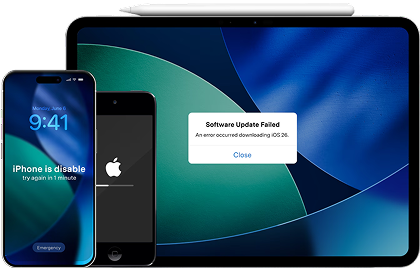
Step 1 Install and open System Repair (iOS)
Run Dr.Fone on a computer and choose the iOS system repair option to avoid changing random iPhone settings while the UI is laggy.
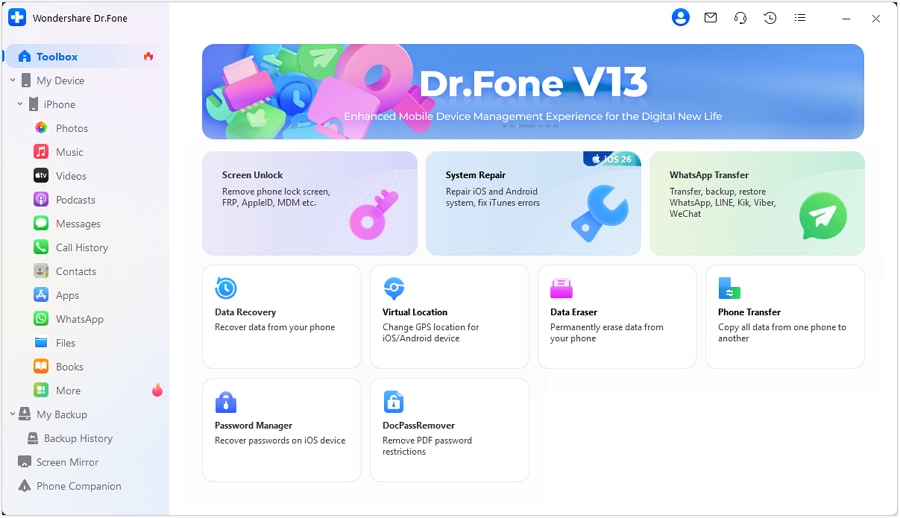
-
Step 2 Connect your iPhone by cable
Connect directly (avoid unstable hubs) and keep the iPhone cool and unplugged from fast chargers during the process.
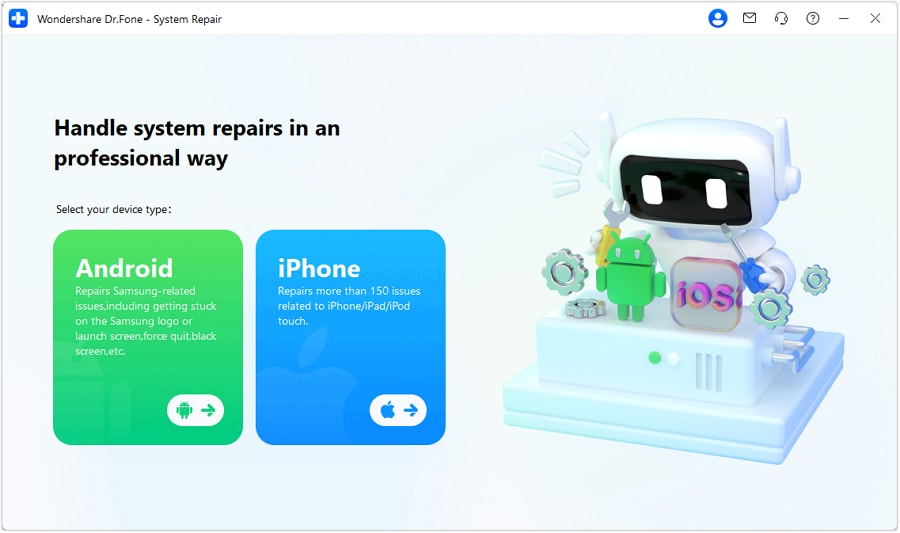
-
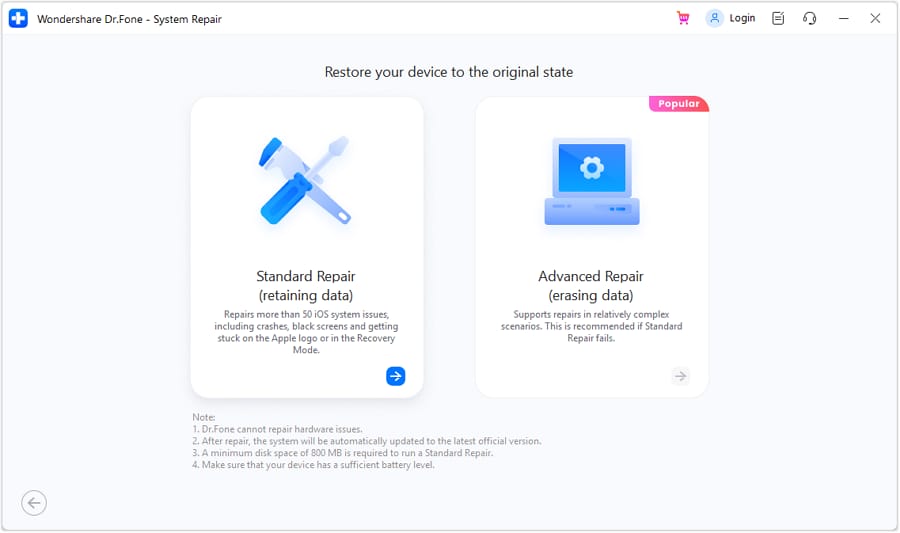
Step 3 Choose the appropriate repair mode
Start with the mode intended to preserve data first, and only consider deeper options if the issue persists.
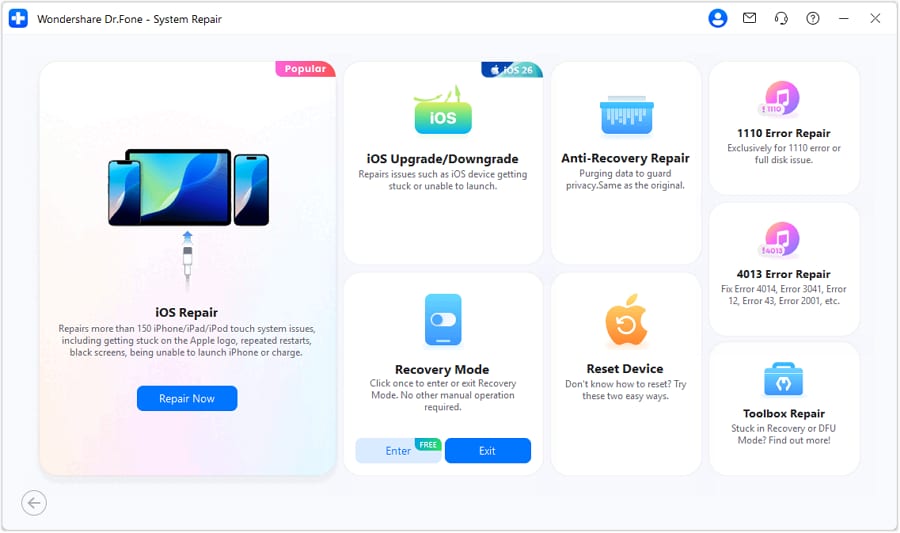
-
Step 4 Download the iOS firmware package
Let the tool fetch the matching firmware; don’t disconnect mid-download to avoid introducing new instability.
-
Step 5 Run the repair and re-check responsiveness
After completion, test touch latency in Settings and the keyboard before reinstalling optional profiles/VPNs that could reintroduce stutter.




Part 5. Low-risk checklist before you escalate
Before you try higher-impact fixes, keep the goal simple: reduce variables (heat, charging, storage pressure, app-specific behavior) and confirm whether the lag is system-wide or isolated.
- Check whether the issue happens everywhere (Home Screen, Settings, keyboard) or mainly inside one app.
- Test responsiveness unplugged and when the device is cool (remove the case if it’s warm).
- Confirm you have enough free storage available before assuming it’s an iOS glitch.
- If it started right after an update/restore, allow time for background tasks to settle, then reassess.
- Prefer one normal restart and basic app updates/cleanup over repeated force restarts.
- If the issue stays unchanged for hours and appears system-wide, consider escalating to a controlled system repair workflow instead of random setting changes.
Conclusion
Use AI prompts to turn “touch feels slow” into a clear pattern, ranked causes, and low-risk next steps—then, if the evidence points to an iOS-level issue that won’t resolve through simple checks, hand off execution to a system repair workflow like Dr.Fone in a controlled, minimally disruptive way.
FAQ
-
Why does my iPhone lag after an iOS update?
Right after an update, iOS can run background tasks (indexing, photos, app optimization) that temporarily increase stutter; if it persists for hours with no improvement, suspect storage pressure or an iOS-level glitch.
-
How do I tell if UI stutter is caused by one app?
If scrolling and taps feel normal in most places but lag heavily in one app, it’s likely app-specific; test the same gesture in Settings, Safari, and Messages to compare.
-
Can low storage cause touch delay on iPhone?
Yes. Very low free storage can increase system pressure and make animations and keyboard input feel delayed; confirming available storage is a high-value, low-risk check.
-
Does charging make iPhone touch less responsive?
It can if the phone heats up or throttles performance while charging (especially with heavy use); test responsiveness unplugged and when the device is cool.
-
When should I use an iOS system repair tool for stutter?
If the lag is system-wide, persistent, and unchanged after low-risk checks (single restart, app updates, storage cleanup, removing heat/charging variables), a system repair workflow may be the next practical step.
 Add Wondershare Dr.Fone as a preferred source on Google