Effortlessly manage data through preview, delete, export, etc.

 100% Security Verified | No Subscription Required | No Malware

 :
: 
 ChatGPT
 Perplexity
 Gemini
 Claude
 Grok
Grok

I deleted some photos and chats, kept using my phone for a while, and now I’m not even sure what to recover first—or what I might be overwriting by accident.
Forum user
You deleted something important on your phone—maybe photos, WhatsApp chats, or contacts—and now you’re unsure what to recover first before anything gets overwritten. This often happens right after tapping Delete, clearing storage, or restarting the device and realizing what’s missing.
AI (like ChatGPT or Gemini) can help you triage: identify which data types are most time-sensitive, what recovery paths exist (cloud, backups, local remnants), and what actions are low-risk vs high-risk.
AI can’t see your phone’s real state, though, and trial-and-error can reduce your odds (for example, installing apps or continuing to use the phone can overwrite deleted items). Use AI to plan carefully, then use the right tool to carry out the steps safely.
In this article
- Part 1. Why “which deleted phone data should I recover first” matters for your next steps
- What makes recovery time-sensitive
- A common Android restart/lock scenario
- Why uncertainty makes things worse
- Before you prompt the AI
- Part 2. Using AI prompts to prioritize deleted phone data recovery
- Part 3. When to stop DIY deleted data triage to avoid overwriting
- Part 4. Unlock Android screen safely before attempting data recovery
- Part 5. AI output vs reality: what you still must verify
Part 1. Why “which deleted phone data should I recover first” matters for your next steps

If you’re asking which deleted phone data should I recover first, you’re usually facing limited time and limited attempts—especially if the phone is still being used, storage is near full, or you’re not sure whether the data was deleted locally or only removed from view.
A common scenario: on an Android phone you deleted media or messages, then after a restart you realize you can’t verify what’s still backed up—sometimes because the phone is now locked (forgotten PIN/pattern after reboot). You might also be comparing situations across devices (e.g., an iPhone 13 vs iPhone 14 habits for backups), which makes the decision feel even less clear.
The tricky part is uncertainty: after several minutes of checking, it may look like nothing changes, and you can’t tell whether recovery is still possible or you’re making it worse.
1-1. Before You Prompt the AI
Collect the basics first so the AI can rank priorities without guessing:
- Phone type and model
- What was deleted (photos, contacts, chats, files, call logs)
- When it was deleted (approximate time)
- Whether the phone has been used since deletion (photos taken, apps installed, updates)
- Backup status you think exists (Google Photos, Drive, OEM cloud, WhatsApp backup)
- Whether you’re locked out of the device (PIN/pattern/FRP-related screens)
Part 2. Using AI prompts to prioritize deleted phone data recovery
2-1. Level 1: Basic Prompt
I accidentally deleted data on my phone. Help me decide what to recover first based on urgency and overwrite risk. Ask me the minimum questions you need, then give a prioritized list with the safest next step for each item.
2-2. Level 2: Advanced Prompt
Act as a cautious mobile data triage assistant. I deleted some phone data and I want to know what to recover first.
1) Ask up to 8 questions to clarify device, deletion type, backup likelihood, and whether the phone has been used since.
2) Then rank the likely recoverable items from highest priority to lowest priority.
3) For each ranked item, provide:
- Why it should be prioritized (time sensitivity / overwrite risk)
- Most likely recovery path (cloud backup vs local remnants vs app-specific backup)
- Low-risk next step I can take without installing new apps or generating new data
4) Call out any steps that could reduce recovery odds (e.g., installing tools, continuing to use the phone).
2-3. Level 3: Evidence Prompt
Help me decide which deleted phone data I should recover first using the evidence below. Use only what I provide; if something is missing, ask targeted questions.
Evidence:
- Phone OS: (Android / iOS)
- Phone model: (e.g., Samsung Galaxy S22 / iPhone 13 Pro)
- Storage status: (e.g., 92% full, or unknown)
- What was deleted: (photos / videos / contacts / SMS / WhatsApp / notes / files)
- Where it was deleted from: (Gallery / WhatsApp / Files app / SD card / cloud app)
- How it was deleted: (manual delete / cleanup app / factory reset / app reinstall)
- Time since deletion: (e.g., 2 hours / 3 days)
- Phone usage since deletion: (e.g., installed apps, recorded video, OS update)
- Backup clues:
- Google Photos status: (on/off/unknown)
- Google Drive backups: (on/off/unknown)
- WhatsApp backup: (daily/weekly/off/unknown)
- OEM cloud (Samsung/Xiaomi/etc.): (on/off/unknown)
- Current access: (fully accessible / locked by PIN-pattern / broken screen / boot issue)
- Constraints: (must avoid data loss, no PC access, limited time, etc.)
Output format:
A) Immediate do-not-do list (to avoid overwriting)
B) Priority order of data types to attempt first (with reasons)
C) Best low-risk verification steps for backups (no new installs if possible)
D) Decision tree: what I do next depending on what I find
2-4. Prompt Refinement
Use these follow-ups to force clearer, safer planning:
“What key questions are you missing that would change the priority order the most?”
“Separate my case into categories: cloud-backed, app-backed, local-only, and unknown. Then re-rank.”
“Rank the top 5 likely causes of ‘data missing’ (not actually deleted vs deleted locally vs sync removed), and tell me what evidence confirms each.”
“Identify the single highest-risk action I might take next, and give a safer alternative.”
“If I’m locked out of the phone, how does that change the recovery priority and what should I verify first?”
AI can help you plan, but your phone’s actual condition decides what’s possible.
Part 3. When to stop DIY deleted data triage to avoid overwriting
Stop and change approach when continuing “quick checks” is likely to reduce recoverability.
- You keep using the phone normally (taking photos, downloading media, installing apps) after realizing data is missing.
- You’re about to perform irreversible actions (factory reset, “cleaner” apps, re-sync that may delete cloud copies).
- You can’t reliably access the phone (locked screen, broken touch, repeated failed attempts) and you’re guessing.
- The situation involves sensitive app data (encrypted chats, secure folders) and you’re unsure which account/backup is authoritative.
Once you’ve used AI to decide the safest priority order, the next step is regaining stable access so you can verify backups and export what’s still available—without adding more risk.
Part 4. Unlock Android screen safely before attempting data recovery
If your main blocker is that you can’t get into the Android phone to confirm what’s truly deleted vs just not visible, Dr.Fone - Screen Unlock (Android) becomes relevant at this stage: it’s a practical way to remove the lock screen so you can proceed with your recovery plan (checking cloud backups, exporting contacts, confirming app backups) with fewer blind attempts. This is especially useful when the issue started right after a reboot and your PIN/pattern isn’t being accepted or you’ve hit lockout behavior.
-
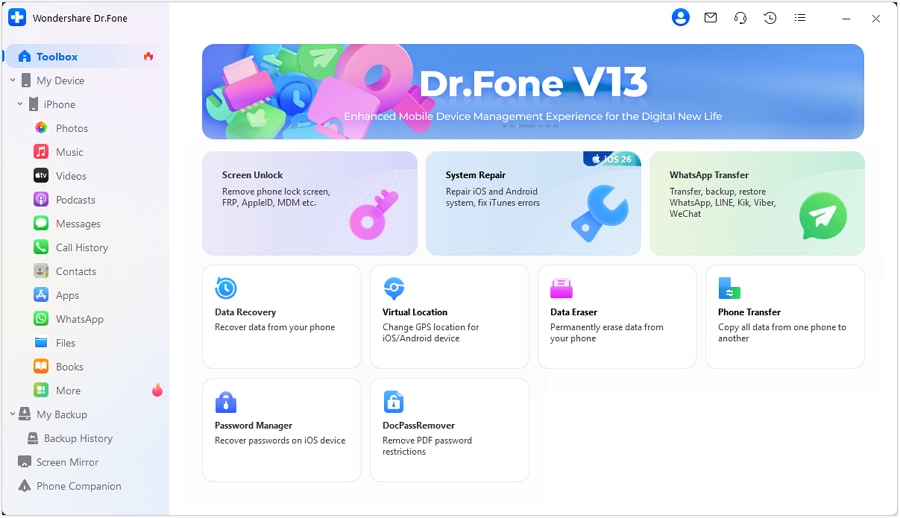
Step 1 Stabilize the phone state
Stop non-essential use (photos, downloads, installs) to reduce new writes that can overwrite deleted data.
-
Step 2 Prepare a computer and cable
Connect the Android phone to a reliable USB port to avoid interruptions during screen-unlock steps.
-
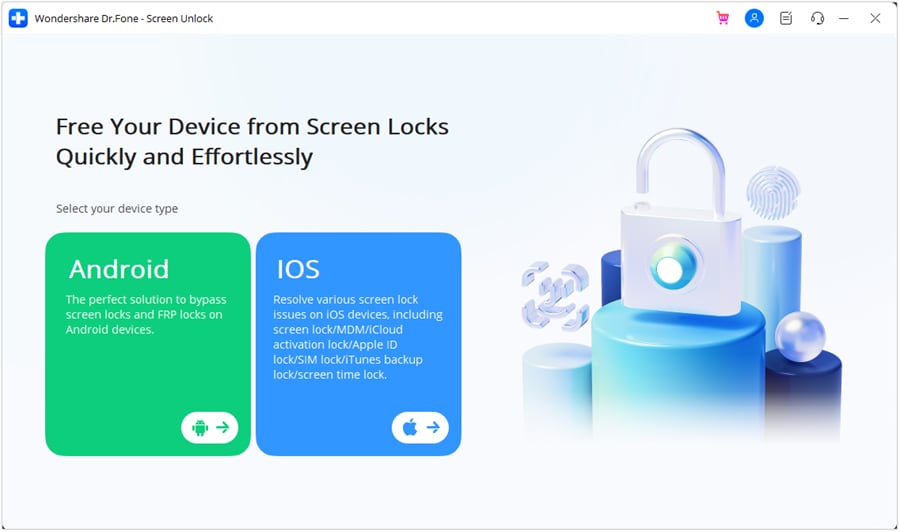
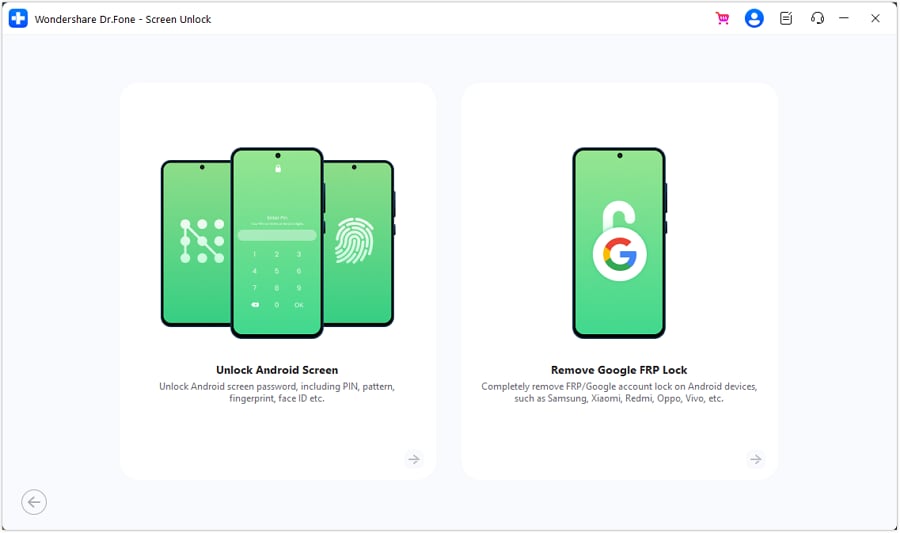
Step 3 Run Unlock Android Screen in Dr.Fone
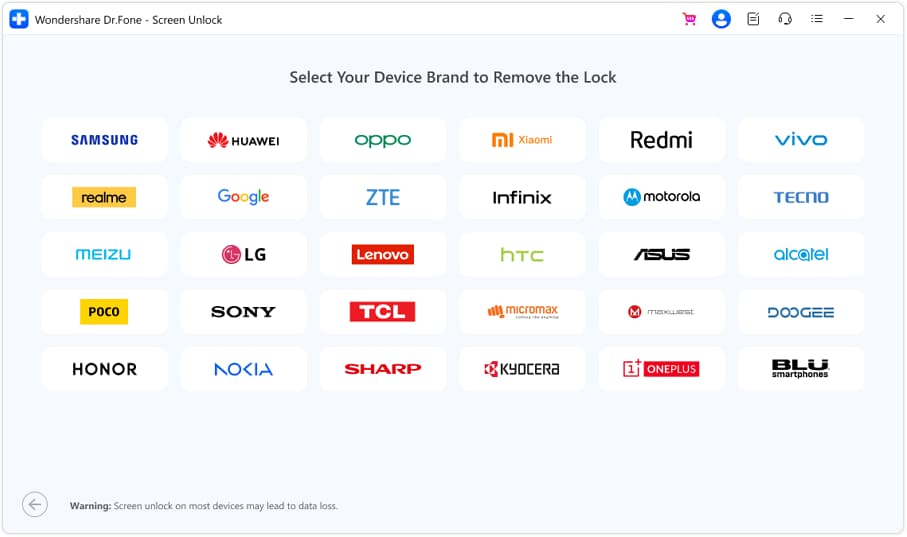
Choose the Android screen unlock option and follow the on-screen flow carefully, selecting the correct device details when prompted.
-
Step 4 Confirm access and verify backups first
After unlocking, immediately check your backup sources (Google Photos/Drive, WhatsApp backup, OEM cloud) before doing anything that generates more data.
-
Step 5 Export what you can while you have access
Prioritize exporting the highest-value items you identified (e.g., contacts, recent photos, time-sensitive chats) to a safe location.

Part 5. AI output vs reality: what you still must verify
AI narrows possibilities and reduces random attempts; execution still depends on your access level and what evidence you can confirm.
| What AI can suggest | What you still must verify on the device |
|---|---|
| A priority list based on overwrite risk | Whether storage activity has already overwritten deleted items |
| Likely backup locations to check first | Whether backups exist and are complete (correct account, correct date) |
| A low-risk “do-not-do” list | Whether your next action triggers more writes (updates, installs, sync) |
| Decision tree for locked vs unlocked scenarios | Whether you can access the phone at all (PIN/pattern/FRP screens) |
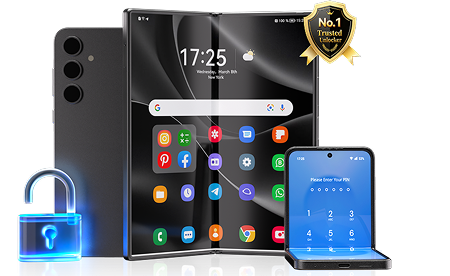
Recommended Tool: Use Dr.Fone to regain access before recovery checks
If you’re blocked by a locked Android screen, prioritize restoring stable access first so you can verify backups (Google Photos/Drive, WhatsApp, OEM cloud) and export what’s still available with fewer risky guesses.
 Unlock Android phone in seconds.
- Remove PIN, pattern, password, fingerprint.
- Bypass Google FRP lock easily.
- Works on all Android brands & models.
- No tech skills required – user-friendly.
Once you can access the device again, verify backups first (account + dates), then follow the AI-generated priority order to export what matters most—while avoiding actions that create new local writes (installs, downloads, recordings, OS updates).




Conclusion
AI helps you decide which deleted phone data to recover first by ranking urgency, backup likelihood, and overwrite risk, then turning that into a cautious next-step plan. Once the plan is clear, tools like Dr.Fone – Screen Unlock (Android) help you regain access so you can verify backups and carry out the priority steps with fewer risky guesses.
FAQ
-
Which deleted phone data should I recover first if I can only try one thing today?
Start with the data most likely to be overwritten and hardest to reconstruct (often recent photos/videos and app chats), but first verify whether a cloud/app backup already contains it.
-
Does checking for backups reduce recovery chances?
Checking cloud backups is usually low-risk; the bigger risk is generating new local data (installing apps, downloading files, recording video) that can overwrite deleted remnants.
-
How do I know if my data is truly deleted or just unsynced?
Look for evidence across sources: web portals (Google Photos/Drive), app backup timestamps (WhatsApp), and whether you’re signed into the correct account on the device.
-
What should I avoid doing immediately after deleting something important?
Avoid installing recovery apps, recording new media, OS updates, “cleaner” tools, and factory resets until you’ve planned a priority order and checked backups.
-
If my Android is locked, should I keep trying passwords?
Repeated attempts can trigger lockouts or delays; it’s safer to pause, document what you know, and use a controlled approach to regain access before continuing triage.
 Add Wondershare Dr.Fone as a preferred source on Google