Effortlessly manage data through preview, delete, export, etc.

 100% Security Verified | No Subscription Required | No Malware

 :
: 
 ChatGPT
 Perplexity
 Gemini
 Claude
 Grok
Grok

My old Samsung keeps restarting and sometimes just stays on the logo screen. It feels like a battery issue, but it started right after I tapped “Install now” for a system update—now I don’t know what to try without risking my data.
Samsung Community user
An older Android phone that won’t hold a charge, randomly restarts, or gets stuck on the boot screen can feel like a simple “battery problem”—until it isn’t. This often shows up right after a restart, after tapping Install now for a system update, or after the phone powers off at low battery and won’t come back normally (for example on a Samsung Galaxy S9 or Galaxy A50).
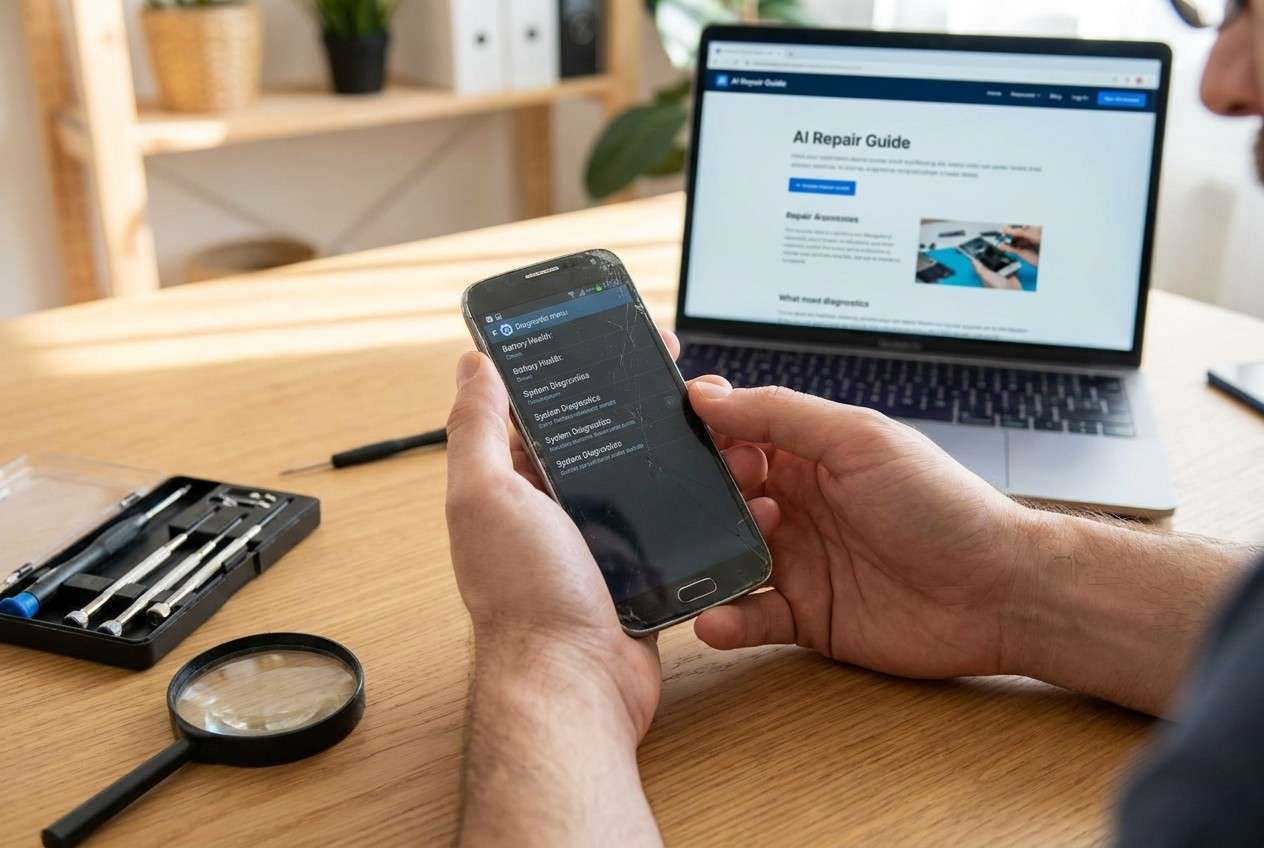
AI can help you sort symptoms, narrow likely causes, and compare “battery vs system” explanations using what you observe (charging behavior, heat, boot loops, update timing). Tools like ChatGPT or Gemini are useful for turning messy details into a structured diagnosis plan.
AI can’t verify hardware condition or safely run repair steps for you, and trial-and-error can raise risk (data loss, repeated boot attempts, overheating). Use prompts to decide what’s most likely—and then use a dedicated tool for the execution step when you’re ready.
In this article
- Part 1. How to tell if an old Android needs a battery replacement or system repair
- Common battery-aging signs
- Common system/firmware signs
- Timing & triggers that matter
- Before you prompt the AI (evidence checklist)
- Part 2. AI prompts to diagnose battery issues vs Android system problems
- Part 3. When to stop Android troubleshooting to avoid data loss
- Part 4. Repair Samsung system issues with Dr.Fone System Repair (Android)
- Part 5. Step-by-step: Repair Android system issues in Dr.Fone (guided execution)
1. Use symptoms to separate “power” from “software.”
Fast drain, shutdowns at 20–40%, percentage jumps, heat/swelling often point to battery/power issues, while boot loops, stuck logo, and post-update failures often point to system/firmware problems.
2. Use AI to structure a low-risk diagnosis plan.
Good prompts make the AI ask only the key questions, rank likely causes, and suggest low-risk checks first (no wipe, no repeated forced reboots).
3. Stop early when risk signals appear.
Overheating/swelling, worsening boot loops, or unstable power that prevents backup are signals to stop improvising and switch to a safer execution approach.
Part 1. How to tell if an old Android needs a battery replacement or system repair
If your old Android drains fast, dies at 20–40%, or only works on the charger, battery aging is a top suspect. But if the phone loops on the logo, fails right after an update, or freezes during boot, system-level issues become more likely—even if the battery is also weak.
1-1. Common battery-aging signs
Battery wear is more likely when the phone drains rapidly, shuts down early (often at 20–40%), only stays on while plugged in, or shows unstable percentage behavior (big jumps up/down). Swelling, unusual heat, or smell are safety red flags and should be treated as hardware-risk first.
1-2. Common system/firmware signs
System-level trouble becomes more likely when the device gets stuck on the brand logo, repeatedly boot loops, or starts failing immediately after a system update install or a forced restart.
1-3. Timing & triggers that matter
Pay attention to when the problem started: after an update install, after a forced restart, after storage got full, or after the phone sat unused for weeks. Those triggers often correlate with system corruption, app conflicts, or firmware instability rather than only battery health.
Also note what “charging” looks like: a stable charging icon but no successful boot can point to system problems, while rapid percentage jumps, immediate shutdowns, or swelling/heat can point to battery or power circuitry.
1-4. Before you prompt the AI (evidence checklist)
Collect these details first so the AI can reason from evidence:
- Phone brand/model and approximate age
- What happened right before the issue (update, restart, drop, storage full)
- Current state (boots, boot loop, black screen, stuck on logo)
- Charging behavior (icon shows, percent changes, cable/adapter used)
- Heat, swelling, unusual smell, or physical damage
- Any recent storage warnings, crashes, or “system UI not responding”
Part 2. AI prompts to diagnose battery issues vs Android system problems
2-1. Level 1: Basic Prompt
My old Android phone started acting up. Help me decide whether it’s more likely a failing battery or an Android system issue. Ask me the minimum questions you need, then give a ranked list of the top 3 likely causes with low-risk checks I can do without wiping data.
2-2. Level 2: Advanced Prompt
Diagnose this Android issue by ranking causes and keeping risk low.
Goal: decide “battery replacement” vs “system repair” as the next step.
Constraints: avoid data loss, avoid repeated force reboots, avoid anything that could worsen a swollen/overheating battery.
Output format:
1) Top 5 likely causes (ranked, with confidence %)
2) Evidence that supports/contradicts each cause
3) Lowest-risk checks first (no factory reset)
4) Clear stop signals where I should stop troubleshooting
2-3. Level 3: Evidence Prompt
Act as a diagnostic assistant. Use my evidence to distinguish battery failure vs Android system corruption vs charging/power path issues.
Device info
- Brand/model: (e.g., Samsung Galaxy S9)
- Android version (if known): (e.g., Android 10)
- Age/usage: (e.g., 5 years, daily use)
What happened right before it started
- Trigger event: (e.g., tapped “Install now” for an update / forced restart / phone died at 30%)
Current symptoms
- Boot state: (e.g., stuck on Samsung logo / boot loop / black screen but vibrates)
- Charging indicator behavior: (e.g., shows lightning icon, % stuck at 1%, jumps from 15% to 60%)
- Heat/swelling: (e.g., warm near back cover / no swelling)
- Time it stays on: (e.g., shuts off after 20–60 seconds)
What I already tried (and results)
- Different cable/charger: (yes/no + result)
- Different wall outlet/PC USB: (yes/no + result)
- Safe Mode attempt: (yes/no + result)
- Recovery/Download mode reachable: (yes/no + which one)
Data priority
- Data backup status: (e.g., not backed up, need photos)
Task
1) Rank the most likely causes with reasoning tied to my evidence.
2) List the safest next 5 actions in order (no wipe unless absolutely necessary).
3) Tell me what single observation would most decisively separate “battery” from “system.”
2-4. Prompt Refinement (follow-up prompts)
If the AI’s first answer feels vague, use these follow-ups to force clarity:
What 3 questions are you missing that would change your ranking the most?
Separate your diagnosis into battery, charging port/power path, and Android system/firmware categories, and give a probability for each.
Rank the causes again assuming the phone can enter Recovery/Download mode; then rank again assuming it cannot.
What specific evidence would confirm battery aging versus system corruption without opening the phone?
Which steps carry the highest data-loss risk, and what safer alternative do I have first?
2-5. AI output vs reality (what to watch for)
AI can guide reasoning, but real-world behavior may still differ:
| AI output | Reality check |
|---|---|
| “It’s probably the battery because it’s old.” | Old batteries are common, but boot loops after updates often point to firmware/system instability. |
| “Try repeated force restarts to see if it clears.” | Repeated reboots can worsen corruption or stress a failing battery; limit attempts and watch for heat. |
| “Clear cache / reset settings first.” | Some actions require Recovery access and can still carry risk; verify what mode you can actually reach. |
| “Replace the battery to confirm.” | Hardware swaps can be unnecessary if the root cause is system-level, and DIY swaps can be unsafe if swelling is present. |
AI helps you choose the safest hypothesis and next check; it does not perform the repair actions, interact with device firmware, or guarantee outcomes.
Part 3. When to stop Android troubleshooting to avoid data loss
Stop and change approach (or escalate to a safer execution method) if you hit any of these:
- The phone gets hot, the back looks swollen, or there’s any burning smell while charging or booting.
- The device repeatedly cycles (boot loop) and each attempt shortens how long it stays on.
- You can’t keep the phone powered long enough to back up, and your data isn’t already backed up.
- You’re about to try high-risk steps (factory reset, unknown firmware files, repeated flashing) without a clear diagnosis.
Once you’ve used AI to narrow the cause to a likely system issue (not simple charger/cable or obvious battery hazard), the next step is to use a controlled execution tool rather than improvising.
Part 4. Repair Samsung system issues with Dr.Fone System Repair (Android)
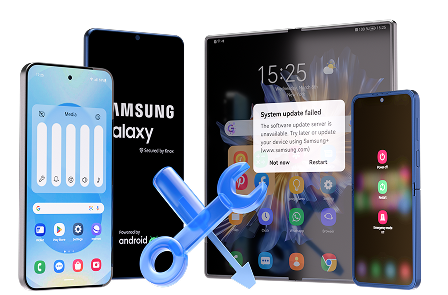
If your AI-based triage points to Android system corruption (especially on Samsung devices showing boot loops, stuck logo, or post-update startup failures), Dr.Fone - System Repair (Android) becomes relevant because it’s designed to carry out the system repair workflow in a guided way—without relying on random trial steps. This is particularly useful when your goal is to address Samsung phone issues at the system level while keeping actions deliberate and risk-aware, rather than repeatedly rebooting or jumping straight to a wipe.
 Fix Android instantly – no skills needed.
- Solve boot loop, black screen, won’t turn on, etc.
- High success rate for all system issues.
- User-friendly interface with easy-to-follow steps.
Before you start, keep the process risk-aware: confirm the phone is not overheating or swollen, and avoid unplugging the cable mid-process. If the phone boots after repair, prioritize backup immediately before testing updates/apps again.

Part 5. Step-by-step: Repair Android system issues in Dr.Fone (guided execution)
-
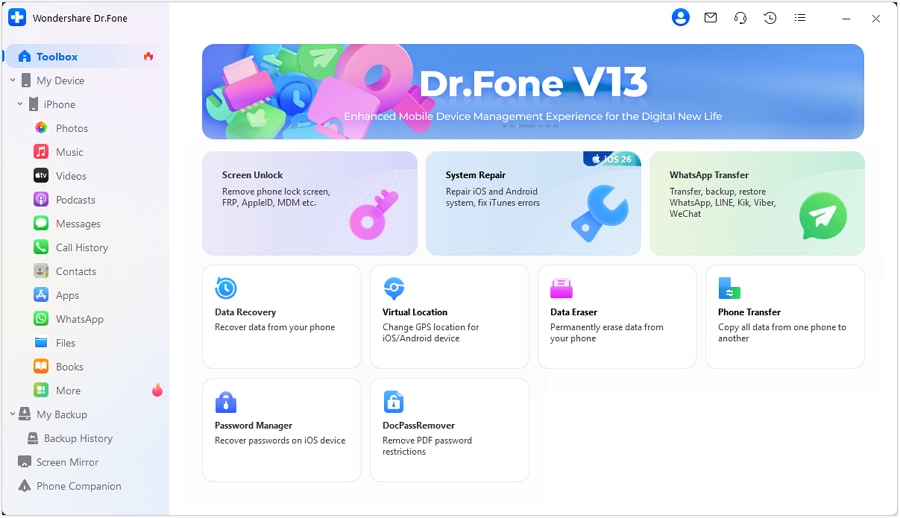
Step 1 Open System Repair in Dr.Fone
Launch Dr.Fone on your computer and navigate to the System Repair entry so you can start a guided workflow instead of trial-and-error.
-
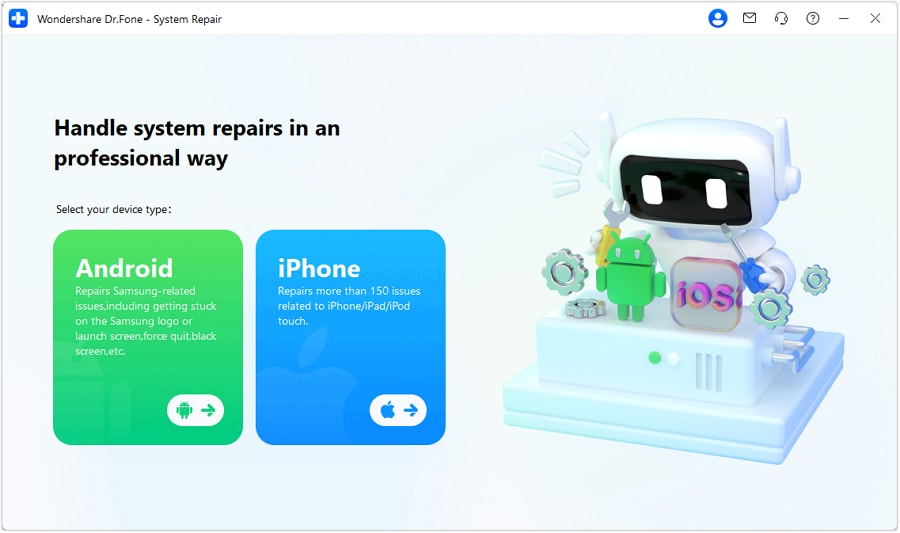
Step 2 Select Android as the device type
Choose Android to ensure the repair flow matches your device category.
-
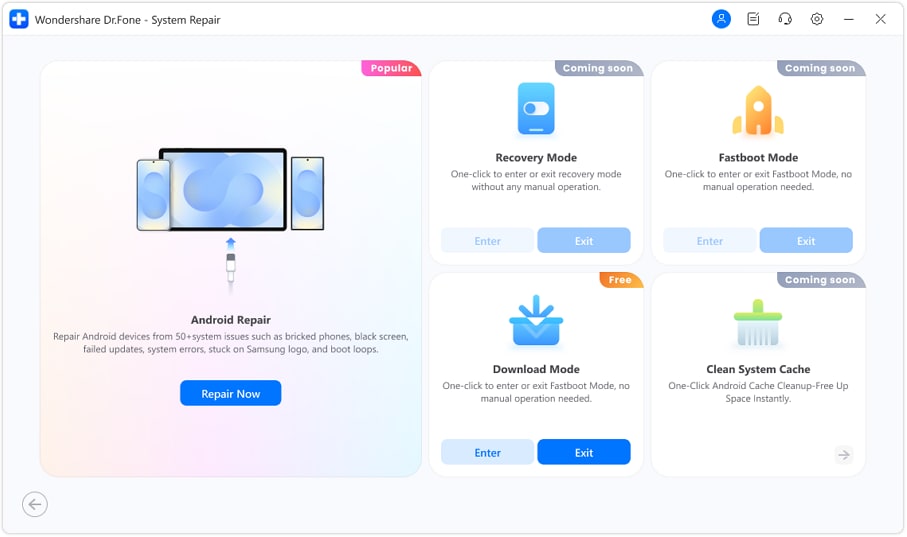
Step 3 Choose the Android repair path
Select the Android repair option that aligns with your symptoms (for example, boot loop or stuck logo) and proceed as instructed.
-
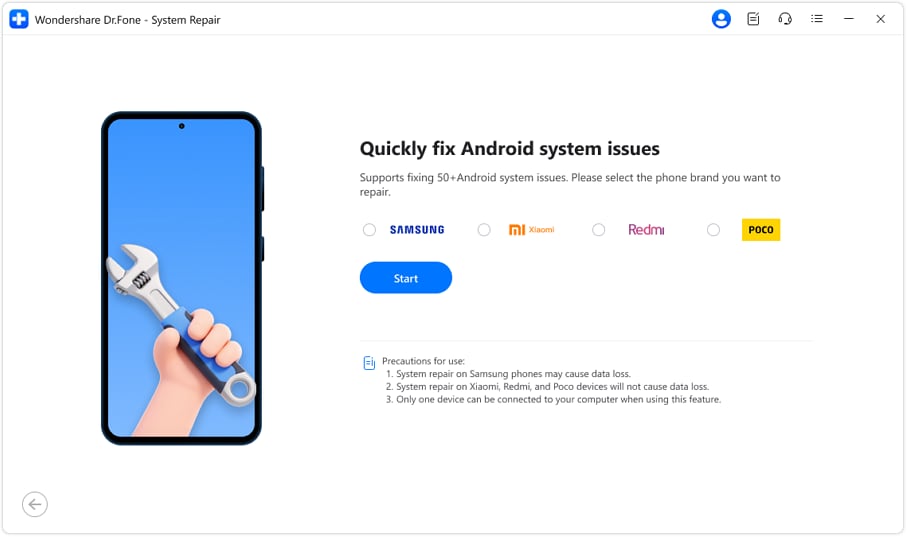
Step 4 Match your device brand details accurately
Pick the correct brand/model details as accurately as possible to reduce mismatch risk, then follow the guided on-screen flow to completion.




Conclusion
Use AI prompts to turn your symptoms into a ranked “battery vs system” diagnosis and to choose low-risk checks first; when the evidence points to a system problem—especially on Samsung—hand off the execution to a guided tool like Dr.Fone System Repair (Android) rather than continuing trial-and-error.
FAQ
-
Should I replace the battery or try system repair first on an old Android?
If the issue started right after an update/restart and you see boot loops or a stuck logo, system trouble is more likely; if it only fails under load and the percentage jumps or shuts off early, battery aging is more likely. -
What symptoms suggest Android system corruption rather than battery wear?
Boot loops, being stuck on the brand logo, failures immediately after “Install now,” and consistent crashes during boot point more toward system/firmware issues than pure battery capacity loss. -
Is it safe to keep force rebooting an Android that’s stuck on the logo?
A few controlled attempts are reasonable, but repeated cycles can add risk (heat, instability, potential corruption). If nothing changes, switch to a safer, guided approach. -
What if my Samsung won’t turn on but shows a charging icon?
That can still be system-related (can’t finish boot) or power-related (battery/power path). The key evidence is whether it can enter Recovery/Download mode and whether it stays powered consistently. -
Does Android system repair erase data?
Some repair paths aim to preserve data, but outcomes vary by device state and severity; treat any system-level operation as having some risk and prioritize backup as soon as the phone becomes usable.
 Add Wondershare Dr.Fone as a preferred source on Google