Effortlessly manage data through preview, delete, export, etc.

 100% Security Verified | No Subscription Required | No Malware

 :
: 
 ChatGPT
 Perplexity
 Gemini
 Claude
 Grok
Grok

I updated my phone and now the fingerprint just won’t work—nothing looks wrong, but it won’t recognize my finger or the fingerprint prompt disappears.
Forum user
Your Android fingerprint unlock can suddenly stop working right after an update—often after you tap Install now and the phone restarts. On devices like a Samsung Galaxy S22 or Google Pixel 7, it may look “normal,” but the sensor won’t accept prints, or the prompt disappears.
AI can help you analyze symptoms, narrow likely causes (software bug vs settings change vs corrupted biometrics), and choose low-risk next steps based on what you observe. You can use tools like ChatGPT or Gemini to turn scattered clues into a short, prioritized checklist.
AI also has limits: it can’t see your device logs or guarantee which action is safe on your exact build. Random trial-and-error (factory resets, bootloader actions, repeated cache wipes) can increase lockout risk or create new problems—so keep changes minimal until you’re confident about the cause.
In this article
- Why fingerprint unlock fails after an update (and what it means)
- What updates can change
- Common failure patterns
- Before you prompt the AI
- Why the timing can be confusing
- AI prompts to diagnose safely (Level 1–3)
- Prompt refinement + verify AI suggestions on-device
- When to stop troubleshooting to avoid lockout or data risk
- Repair Samsung fingerprint unlock after update (guided workflow)

Part 1. Why Android fingerprint unlock stopped working after the update happens, and what it means
This issue often appears right after a system update because updates can reset security policies, change biometric drivers, or invalidate previously enrolled fingerprints. Sometimes the update completes, but the phone continues background tasks (app optimization, security module updates), making the timing confusing.
In other cases, the fingerprint feature is still “enabled,” yet unlock fails because of a lock screen rule change (e.g., the device now requires PIN after restart), a temporary lockout from too many attempts, or corrupted biometric storage.
What makes it tricky is the uncertainty: nothing visibly changes after several minutes, and it’s unclear whether the phone is still “settling” after the update—or if the biometric subsystem is actually broken.
1-1. Before You Prompt the AI
Gather a few specifics first:
- Android version and security patch level (if you can access Settings)
- Phone brand/model and whether it’s Samsung/Pixel/other
- What changed right before it started (update, restart, screen protector change)
- Exact symptom (missing fingerprint option, failed scans, “Try again,” or lockout)
- Whether PIN/password still works, and whether other biometrics work (face)
Part 2. Using AI prompts to diagnose a fingerprint sensor not working after an Android update safely
2-1. Level 1: Basic Prompt (Copy/paste)
My Android fingerprint unlock stopped working right after an OS update. Ask me the minimum questions needed to narrow the cause, then give me a short list of low-risk checks in order (no destructive steps).
2-2. Level 2: Advanced Prompt (Copy/paste)
Diagnose my fingerprint unlock issue after an Android update using a ranked list of likely causes.
Requirements:
1) Separate causes into: settings/policy change, biometric data corruption, sensor/driver issue, and third-party interference.
2) For each cause, give 1–2 low-risk checks and what result would confirm/deny it.
3) Flag any step that could increase lockout risk or remove data.
4) End with “stop conditions” if the evidence points to system-level corruption.
2-3. Level 3: Evidence Prompt (Copy/paste)
Help me diagnose a post-update fingerprint unlock failure using evidence. Here’s what I know:
- Phone model: (e.g., Galaxy S22 / Pixel 7)
- Android version + patch: (e.g., Android 14, May patch)
- Trigger: (e.g., tapped “Install now,” phone rebooted)
- Current behavior: (e.g., fingerprint icon missing on lock screen / says “Not recognized” / locks out after attempts)
- Can I unlock with PIN/password? (Yes/No)
- Fingerprint settings page status: (e.g., option greyed out / can’t add new print/prompts error)
- Any work profile/MDM or company policies?: (Yes/No/Not sure)
- Screen protector or physical change?: (e.g., new tempered glass)
- Recent apps affecting lock screen/security?: (e.g., antivirus, cleaner, screen filter)
- What I already tried: (e.g., reboot, safe mode, re-add fingerprints)
Output format:
1) Most likely causes (ranked 1–5) with reasoning tied to my evidence
2) A “lowest-risk first” action plan (max 6 steps)
3) What evidence would justify moving to system repair tools vs stopping
Part 3. Prompt Refinement + AI output vs reality (how to verify fast)
3-1. Prompt Refinement (follow-up prompts)
If the AI answer feels generic, tighten it with follow-ups:
What 3 questions would most change your ranking if answered?
Rank the causes again, assuming PIN works but fingerprint enrollment fails—what shifts and why?
Split your plan into: reversible setting checks, biometric re-enrollment steps, and system-level indicators.
What single observation (error text, missing toggle, safe mode result) best distinguishes driver issue vs policy change?
List steps I should avoid right now if I’m trying to minimize lockout or data loss.
3-2. AI Output vs Reality
AI guidance is a hypothesis; your device behavior is the proof.
| AI suggestion | What you verify on-device |
|---|---|
| “It’s a policy change after restart.” | Fingerprint works again after entering PIN once, or unlock options reappear |
| “Biometric data is corrupted.” | You can’t add a new fingerprint, or enrollment fails consistently |
| “A third-party app is interfering.” | Symptom changes in Safe Mode or after disabling device admin apps |
| “System component/driver is unstable.” | Fingerprint settings crash, toggles vanish, or errors persist across reboots |
AI can help you choose what to check and what evidence matters, but it can’t apply device-level repairs, run vendor-specific components, or guarantee outcomes—so treat its plan as a decision aid, not an execution engine.
Part 4. When to stop troubleshooting fingerprint unlock after update and avoid risks
If your evidence points away from simple settings, don’t keep cycling random “fixes.” Stop and reassess if you see any of the following:
- Fingerprint options disappear or grey out and don’t return after multiple normal reboots
- Fingerprint enrollment fails every time (not just “not recognized”) across clean attempts
- Settings related to biometrics crash, freeze, or show persistent errors
- You’re close to being locked out (too many attempts), or you’re considering data-destructive steps without a backup
Once you’ve narrowed the likely cause to a system-level issue, the next step is shifting from diagnosis to a controlled execution path using a dedicated Android system repair workflow.
Part 5. Repair Samsung fingerprint unlock after update with Dr.Fone
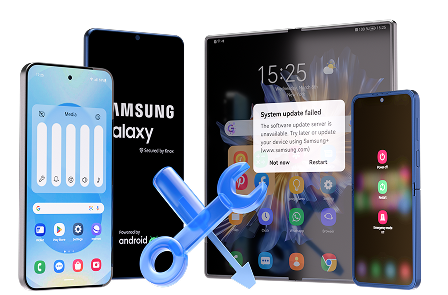
If your checks suggest the update left your device’s system components unstable (especially common on some Samsung models when biometric settings crash or enrollment won’t complete), it’s reasonable to hand off execution to a purpose-built tool. Dr.Fone - System Repair (Android) is relevant at this stage because it’s designed to address Android system issues in a guided way—so you’re not guessing which advanced action to try next—while you stay focused on confirming symptoms and choosing the lowest-risk path. You can follow the official flow for Repair Samsung Phone Issues via Dr.Fone’s Android System Repair pages.
 Fix Android instantly – no skills needed.
- Solve boot loop, black screen, won’t turn on, etc.
- High success rate for all system issues.
- User-friendly interface with easy-to-follow steps.
-
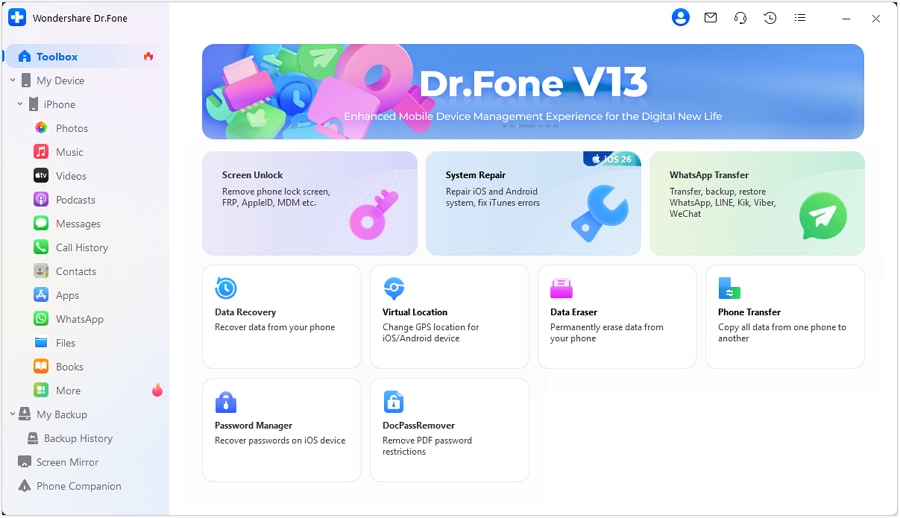
Step 1 Confirm the stop signal
Re-check whether PIN works and whether fingerprint enrollment consistently fails, because that evidence supports a system-level route.
-
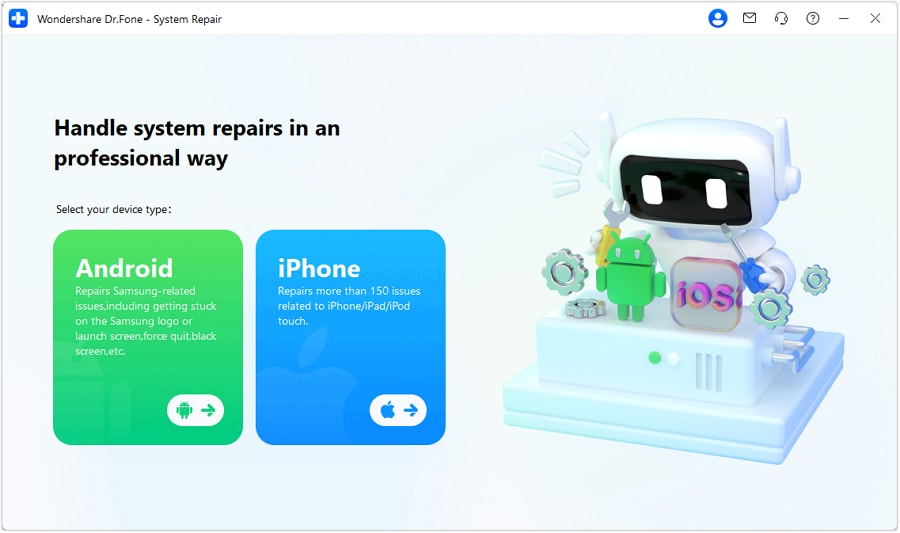
Step 2 Open System Repair (Android)
Launch Dr.Fone and select the Android System Repair option, choosing the Samsung repair flow when applicable.
-
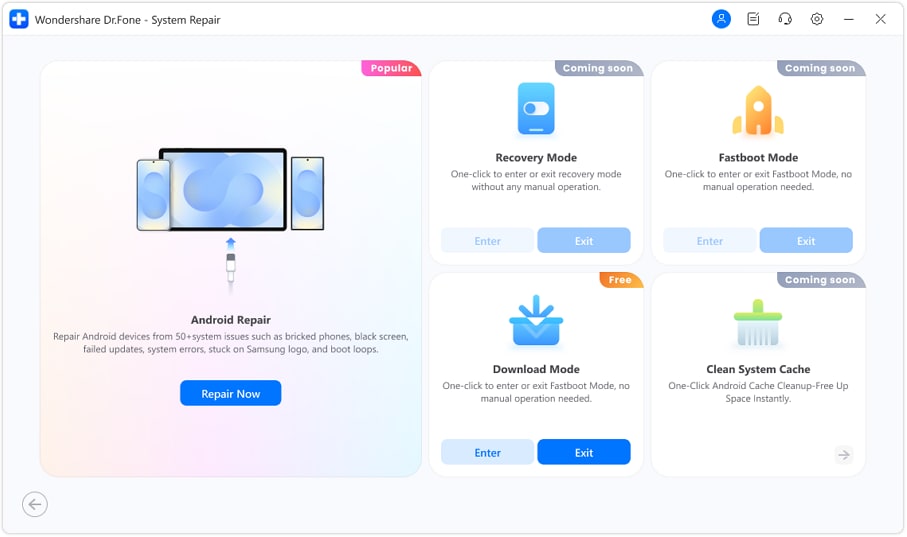
Step 3 Match device details carefully
Enter the correct model information as prompted, since mismatched details can lead to the wrong firmware path.
-
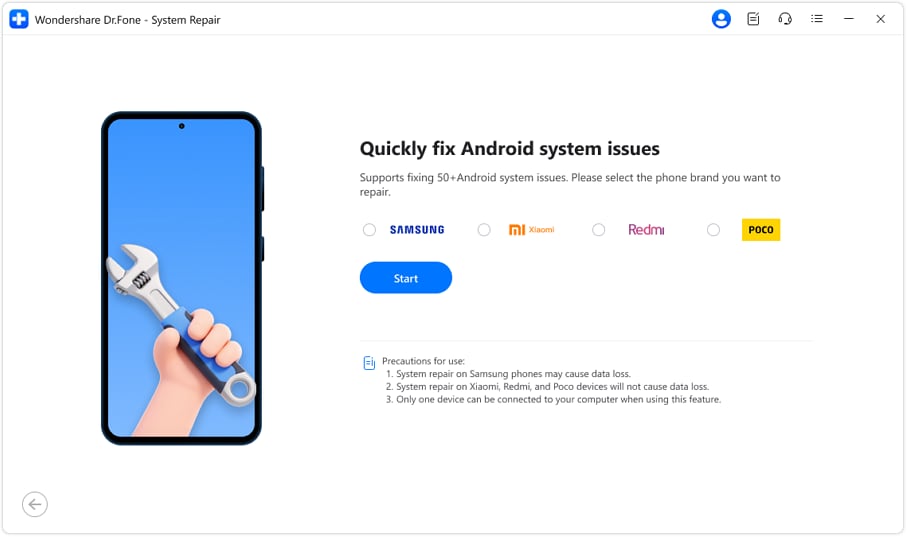
Step 4 Run the guided repair process
Follow the on-screen steps to complete the repair workflow without interrupting cable connection or power.
-
Step 5 Re-test biometrics after boot
After the device starts normally, verify lock screen options and then re-enroll fingerprints if the system allows it.




Conclusion
Use AI to structure the problem: collect evidence, rank likely causes, and choose low-risk checks that clarify whether this is a policy/settings change, interference, biometric data corruption, or a system-level fault. When the evidence points to a system instability—especially if biometric settings crash or enrollment won’t work—hand off execution to a guided tool like Dr.Fone System Repair (Android) to carry out the repair workflow more safely than trial-and-error.
FAQ
-
Why does Android require PIN after an update even if fingerprint used to work?
Many Android builds enforce a “strong authentication” rule after restart or update, requiring PIN/password once before biometrics are allowed again. -
What does it mean if the fingerprint option disappears from Settings?
It often suggests a system component, driver, or policy state isn’t loading correctly, rather than a simple “bad scan.” -
Can a screen protector cause fingerprint unlock to fail right after an update?
Yes—especially with optical sensors—because sensitivity or calibration behavior can change after updates, making borderline setups fail. -
Is Safe Mode useful for fingerprint issues after an update?
It can be, because it helps test whether third-party apps or device-admin controls are interfering with lock screen behavior. -
Should I delete and re-add fingerprints immediately?
Only if the system still allows enrollment reliably; if enrollment fails repeatedly, that’s evidence of a deeper issue and repeated attempts can increase lockout friction.
 Add Wondershare Dr.Fone as a preferred source on Google