Effortlessly manage data through preview, delete, export, etc.

 100% Security Verified | No Subscription Required | No Malware

 :
: 
 ChatGPT
 Perplexity
 Gemini
 Claude
 Grok
Grok

I cleared “Recently Deleted” on my iPhone and now my photos look permanently gone. I’m not sure if they’re erased everywhere or if they’re just not showing up anymore.
Apple Support Community user
You cleared Recently Deleted on your iPhone and now the photos seem permanently gone—often right after tapping Delete All or confirming the cleanup. On an iPhone 13 or iPhone 14, it can look like nothing changes after several minutes, so it’s unclear whether the photos are truly erased everywhere or just no longer visible.
AI (like ChatGPT or Gemini) can help you map what likely happened, identify where copies might still exist (iCloud Photos, Messages attachments, shared albums, other devices, computer imports), and prioritize checks that don’t make things worse.
AI can’t see your Apple ID, iCloud, or device state—and repeated trial-and-error (sign-outs, sync toggles, “cleanup” actions) can reduce the chance of finding remaining copies, so use prompts to plan low-risk next steps first.

In this article
- Why “permanent deletion” happens after Recently Deleted cleanup
- How Recently Deleted works
- How iCloud Photos can propagate deletions
- Where copies may still exist
- Why timing (sync/indexing) can be confusing
- AI prompts to diagnose safely (Level 1–3 + refinement)
- When to stop troubleshooting and avoid risky moves
- Resolve access blockers safely with Dr.Fone (Android)
- Conclusion
Part 1. Why iPhone photos permanently deleted after Recently Deleted cleanup happens and what it means
When you delete photos on iOS, they typically move to Recently Deleted for a limited time, and clearing that album is designed to remove the local copies from the Photos library. If iCloud Photos is enabled, deletions can also propagate to other devices signed into the same Apple ID.
What it means depends on context: if you had iCloud Photos on, “permanent” may mean “removed from the synced library,” but copies could still exist in other places (older device not currently syncing, computer backup, imported folders, chat attachments, shared albums, third-party cloud apps).
The confusing part is timing: you may have just completed an iOS update, restarted the phone, or switched Wi‑Fi, and Photos indexing/sync can lag—so the library can look empty even while iCloud sync status is still changing.
1-1. Before You Prompt the AI
Gather a few facts first so the AI can narrow causes without guesswork:
- iPhone model and iOS version
- Whether iCloud Photos was on (and whether “Optimize iPhone Storage” was on)
- Whether the deleted photos were taken recently or long ago
- Any other Apple devices signed into the same Apple ID
- Whether you have a Mac/PC backup (Finder/iTunes) and its date
- Any third-party photo apps used (Google Photos, OneDrive, Dropbox)
Part 2. Using AI prompts to diagnose iPhone photos deleted after clearing Recently Deleted safely
2-1. Level 1: Basic Prompt
My iPhone photos are gone after I cleared “Recently Deleted.” Ask me the minimum questions needed to determine whether the photos might still exist in iCloud, on another device, in a backup, or in another app—and list the safest checks first.
2-2. Level 2: Advanced Prompt
Diagnose this situation: iPhone photos disappeared after “Recently Deleted” cleanup.
1) List the top 5 most likely explanations and rank them by probability.
2) For each explanation, list low-risk verification steps (no sign-outs, no resets).
3) Flag any actions that could reduce recovery chances or cause deletions to propagate.
4) End with a short decision tree: “If X, do Y; if not, do Z.”
2-3. Level 3: Evidence Prompt
Act as a cautious triage assistant. I will provide details; you will: (a) identify likely causes, (b) list what evidence confirms/denies each cause, (c) propose the safest next step only.
Details:
- iPhone model: (e.g., iPhone 13 Pro)
- iOS version: (e.g., iOS 17.x)
- Trigger: (e.g., tapped “Delete All” in Recently Deleted / deleted selected items)
- iCloud Photos: (On/Off/Not sure)
- Optimize Storage: (On/Off/Not sure)
- iCloud storage status: (enough / full / unknown)
- Other Apple devices: (e.g., iPad, Mac) and whether they’re currently online
- Backups: (Finder/iTunes date, iCloud backup date—if known)
- Third-party photo apps: (e.g., Google Photos)
- Current symptom: (Photos app empty / some albums missing / search shows nothing / “Syncing…” status)
- What I already tried: (e.g., restarted, toggled iCloud Photos, signed out—if yes)
Constraints: Don’t suggest irreversible steps until we confirm whether deletions are syncing or whether copies exist elsewhere.
2-4. Prompt Refinement
If the AI’s answer feels generic, use these follow-ups to force clarity:
What are the missing questions you need to ask to distinguish between iCloud sync deletion vs local-only deletion?
Separate the possibilities into categories: iCloud sync, device storage/indexing, backups, other apps—and rank within each category.
For each top cause, give one key piece of evidence I can check in under 2 minutes.
Which steps are highest risk (could propagate deletion or overwrite data), and what should I do instead?
Based on my answers so far, update the ranking and tell me the single safest next action.
2-5. AI Output vs Reality
AI can help you choose checks, but it can’t confirm what’s actually on your Apple ID or devices.
| What AI can infer | What you still must verify on devices/accounts |
|---|---|
| Whether iCloud Photos likely propagated the deletion | iCloud Photos sync status and whether items are missing on iCloud.com/other devices |
| Whether you might have backup-based options | Backup dates, contents, and whether restoring would replace current data |
| Whether third-party apps may hold copies | Whether uploads completed and which folders/albums were included |
| Which steps are low-risk vs risky | Real device behavior (sync delays, indexing, storage issues) and the exact on-screen options you see |
Use the AI output as a triage plan, then validate each assumption with real evidence before you change settings or attempt anything irreversible.
Part 3. When to stop troubleshooting iPhone photos permanently deleted after Recently Deleted cleanup and avoid risks
Stop and reassess if your next step could cause further loss or make the situation harder to evaluate.
- You’re about to toggle iCloud Photos off/on or sign out of Apple ID without confirming what exists on iCloud.com or other devices.
- You’re considering restoring a backup without understanding it may overwrite current iPhone data.
- You notice ongoing syncing (“Updating…/Syncing…”) and you’re tempted to force changes while it’s in progress.
- You’re unsure what you already tried and can’t clearly describe the sequence of actions (risk of repeating high-impact steps).
Once you’ve used AI to narrow the most likely scenario, the next phase is execution—carefully performing the chosen action path with the right tool or guide, without adding new variables.
Part 4. iPhone photos permanently deleted after Recently Deleted cleanup: resolve access blockers safely with Dr.Fone
If your best next step depends on checking a backup, verifying cloud uploads, or accessing a secondary device/account—but you’re locked out of an Android phone you rely on for email, 2FA codes, or stored photo copies—your bottleneck is device access, not diagnosis. In that case, Dr.Fone - Screen Unlock (Android) can help you carry out the practical step of regaining access to that Android device so you can continue the verification plan AI helped you build, without improvising risky iPhone actions. Use the product’s Unlock Android Screen capability and follow the official flow carefully to avoid unnecessary data risk.
 Unlock Android phone in seconds.
- Remove PIN, pattern, password, fingerprint.
- Bypass Google FRP lock easily.
- Works on all Android brands & models.
- No tech skills required – user-friendly.
-
Step 1 Confirm the goal
Decide what you need from the Android phone (e.g., access to Google Photos, email inbox, authenticator), so you don’t perform extra actions that increase risk.
-
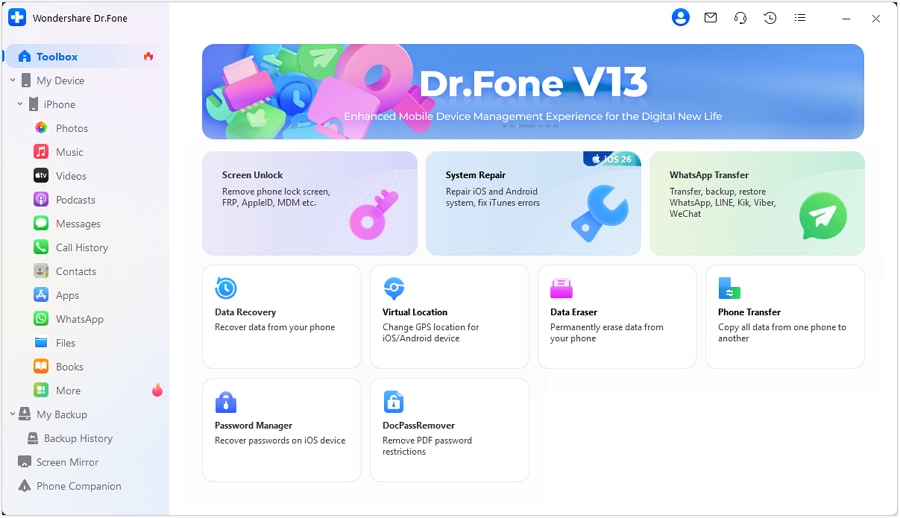
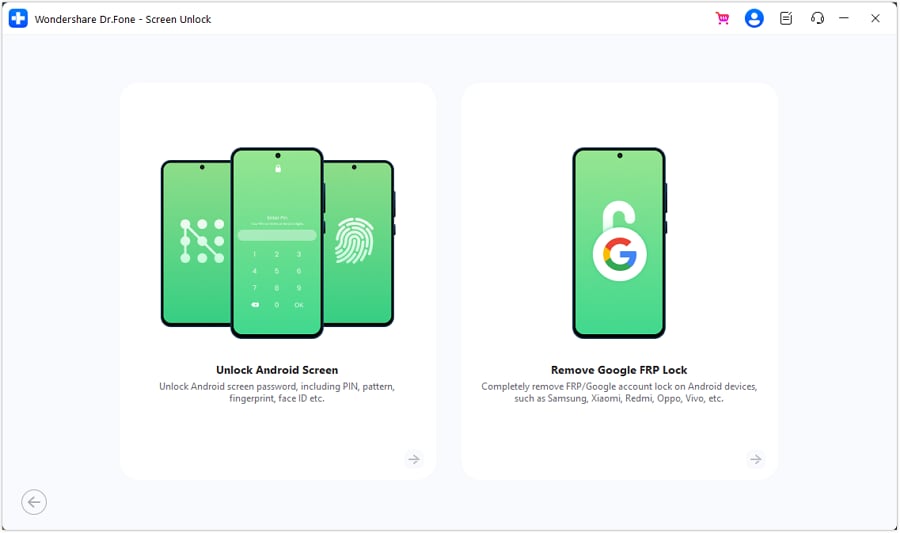
Step 2 Open Screen Unlock (Android)
On a computer, launch Dr.Fone and choose the screen-unlock module from the official Screen Unlock (Android) flow.
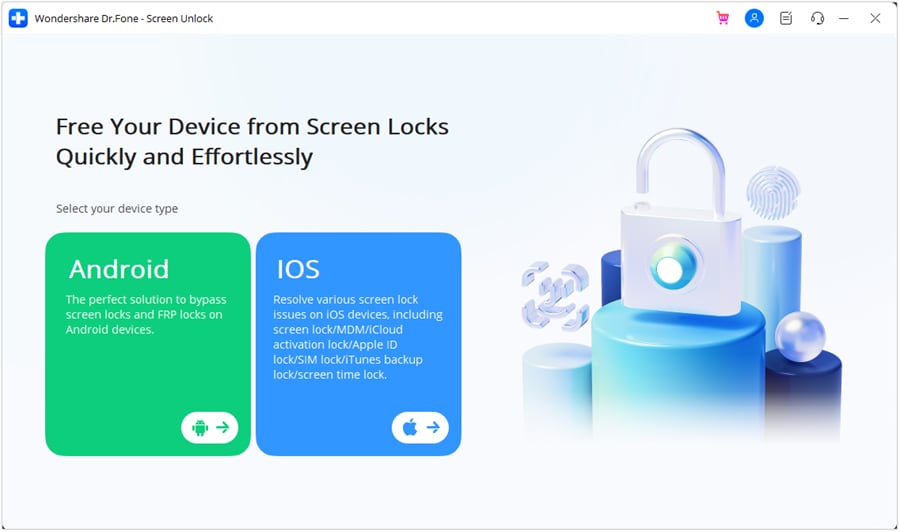
-
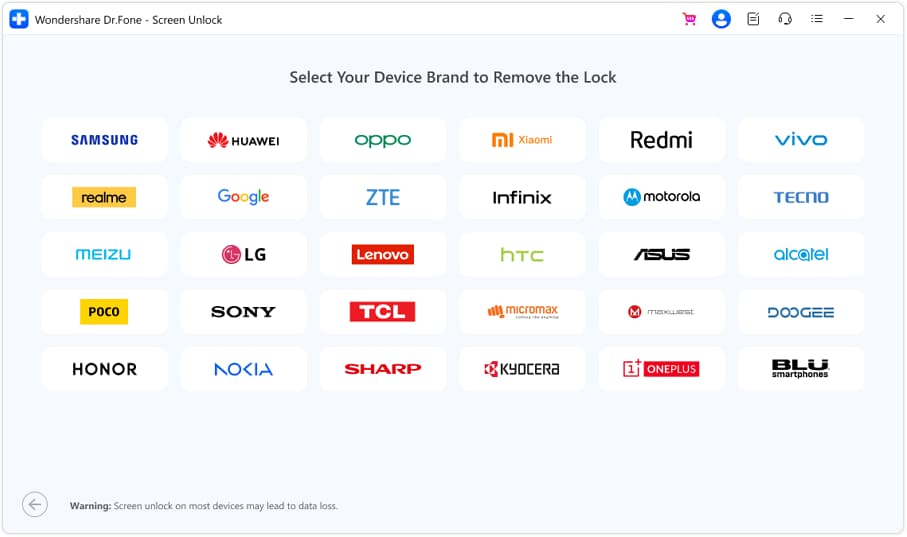
Step 3 Follow the guided unlock flow
Use the steps in the official Android lock screen removal guide, selecting the correct device brand/model prompts to reduce mismatch errors.
-
Step 4 Verify the information you needed
After access is restored, immediately check the specific account/app evidence (uploads, albums, trash/recycle bins, backup indicators) before making any more changes on the iPhone.




Conclusion
Use AI to triage what “permanently deleted” likely means in your specific setup, rank the most probable causes, and choose low-risk checks first; once you know which evidence you need, switch from prompting to execution—especially if progress depends on regaining access to a locked Android device to verify backups, accounts, or stored copies.
FAQ
-
Are photos truly unrecoverable after clearing “Recently Deleted” on iPhone?
Not always—“permanent” in Photos usually means removed from the Photos library, but copies might still exist in iCloud.com (in some cases), on another device not synced, in a computer import, a backup, Messages, or third-party apps. -
Does iCloud Photos delete pictures on all my devices when I delete them on iPhone?
If iCloud Photos is enabled on those devices under the same Apple ID, deletions typically sync across—so verify on iCloud.com and other devices before changing iCloud settings. -
What’s the safest first check after I notice the photos are gone?
Confirm iCloud Photos status and sync state, then check other Apple devices and any third-party photo apps where uploads might exist—avoid sign-outs and restores until you know what copies exist. -
Will restoring an iPhone backup bring back deleted photos?
It depends on the backup date and method; restoring can overwrite current data, so treat it as a high-impact option that should come after you’ve confirmed what the backup contains and what you might lose. -
Why is Dr.Fone – Screen Unlock (Android) relevant if the issue is on iPhone?
Because your next verification step may require access to an Android device used for backups, cloud photo uploads, email, or 2FA—unlocking that device removes a practical blocker so you can complete the checks your AI triage recommends.
 Add Wondershare Dr.Fone as a preferred source on Google