Effortlessly manage data through preview, delete, export, etc.

 100% Security Verified | No Subscription Required | No Malware

 :
: 
 ChatGPT
 Perplexity
 Gemini
 Claude
 Grok
Grok

I just want an iPad setup that helps me study and work better, but the “best iPad” comparisons keep drowning me in specs instead of real workflow.
Forum user
“Best iPad” answers usually fail because productivity depends less on raw power and more on how you actually study, write, meet, annotate, manage files, and multitask.
AI can help by turning fuzzy preferences (“I want something that feels fast and helps me focus”) into a clearer set of priorities, trade-offs, and deal-breakers across different iPad options and workflows.
AI can’t validate hands-on realities like keyboard feel, Apple Pencil comfort, app friction, or whether multitasking truly fits your daily habits—so once the decision is clear, real-life testing and smooth switching still matter.

In this article
- How to Compare iPad Productivity Features for Study and Work Based on Real Priorities
- Why workflow beats specs
- “Paper vs laptop” tension
- Mapping needs to daily steps
- Comparing common iPad options
- What the AI Needs to Compare
- Using AI Prompts to Evaluate iPad Productivity Features for Study and Work More Clearly
- When to Stop Researching iPad Productivity Features for Study and Work and Make the Call
- After Choosing iPad Productivity Features for Study and Work: Switch or Prepare Smoothly with Dr.Fone
How to Compare iPad Productivity Features for Study and Work Based on Real Priorities
If you’re choosing between iPad models for study/work (for example: iPad Pro vs iPad Air vs base iPad vs iPad mini), the hard part isn’t the feature list—it’s predicting which features you’ll actually use every day.
Most uncertainty comes from “paper vs laptop” tensions: you want handwritten notes and reading comfort, but you also need reliable typing, file handling, and fast task switching when deadlines hit.
A useful comparison focuses on workflow: how you capture notes, organize sources, write drafts, collaborate, present, and keep everything synced—then maps those needs to the iPad setup that makes those steps easiest, not just possible.
What the AI Needs to Compare
Share the following so AI can compare iPad productivity options based on your real workflow, not generic rankings:
- Your primary tasks (e.g., lecture notes, PDFs/annotations, research, writing, coding, design, meetings)
- Your “must-do” workflow steps (capture → organize → produce → submit/present)
- How much typing vs handwriting you do (and when)
- Your multitasking needs (single-task focus vs frequent app switching, Split View/Stage Manager use)
- File expectations (folders, downloads, external drives, cloud storage, LMS uploads)
- Collaboration needs (shared docs, comments, versioning, video calls)
- Accessories you’ll actually use (keyboard, trackpad/mouse, Apple Pencil)
- Your existing ecosystem constraints (Mac/Windows, iPhone/Android, apps you rely on)
- Portability vs “desk replacement” preference
- Switching plan (new purchase, upgrading, gifting/reselling, migrating notes/files)
Using AI Prompts to Evaluate iPad Productivity Features for Study and Work More Clearly
Use these prompts to force trade-offs into the open and get to a decision you won’t second-guess.
Level 1: Basic Prompt
I’m choosing between an iPad Pro, iPad Air, base iPad, and iPad mini for study and work. Compare them based on productivity features like note-taking, typing, multitasking, file management, and collaboration—without focusing on specs unless they change real workflow outcomes.
Level 2: Advanced Prompt
Help me choose between iPad Pro vs iPad Air vs base iPad vs iPad mini using a priority-based comparison.
1) Ask me the minimum questions needed to rank my priorities for study/work,
2) explain the key trade-offs (what each option makes easier vs harder), and
3) tell me which option fits best for my workflow and which option I’m most likely to regret—plus why.
Level 3: Evidence Prompt
Here’s my real context: [describe your classes/job, apps, typing vs handwriting ratio, how you manage files, and whether you already use a laptop]. I’m deciding between [list the iPad options you’re considering].
Recommend one option and explain what I gain and what I give up with each choice for my daily workflow (notes, reading, writing, multitasking, file handling, and collaboration).
Also identify one key assumption you’re making about my habits (or setup) that would flip the recommendation if it’s wrong.
Prompt Refinement
If I refuse to carry a laptop on most days, which iPad option becomes the least risky—and what tasks become my weak points?
What are the top 3 “regret triggers” for each option (e.g., typing comfort, multitasking friction, file workflow pain, portability compromise)?
Based on my workflow, which single accessory decision (keyboard, Apple Pencil, cloud storage choice) changes the outcome the most—and why?
If I mainly read/annotate PDFs and write essays, which option minimizes friction across (download → annotate → cite → submit)?
Where will I lose time each week with each option (switching apps, exporting files, formatting, managing storage), and how can I reduce that loss?
AI Recommendation vs Real-World Fit
| Likely AI recommendation or conclusion | What real-life use may change or reveal |
|---|---|
| “Choose the model that matches your primary workflow: handwriting + reading vs typing + multitasking.” | You may discover your “primary workflow” changes mid-semester (more group work, more writing, more meetings). |
| “If you multitask heavily, prioritize a setup that supports comfortable window switching and external display use.” | Stage Manager/Split View may feel great in theory but awkward with your specific apps, screen size preference, or desk setup. |
| “If typing is central, the keyboard experience and trackpad workflow matter as much as the iPad itself.” | A keyboard that feels cramped/heavy/uncomfortable can quietly ruin productivity even if the iPad is ‘capable.’ |
| “If you live in PDFs/notes, prioritize Pencil comfort, annotation flow, and a stable file organization system.” | Your chosen note/file system may break when you start exporting, sharing, or submitting in required formats. |
AI can clarify likely fit and trade-offs, but hands-on use, workflow friction, and daily habits ultimately decide whether an iPad becomes your productivity hub or an occasionally-used companion.
When to Stop Researching iPad Productivity Features for Study and Work and Make the Call
- You can name your top 3 tasks and you know which option makes those tasks easiest with the fewest workarounds.
- You’ve identified at least one “deal-breaker risk” for your runner-up option (the thing that could frustrate you weekly).
- You’ve decided your core workflow mode: iPad-as-primary (most work done on iPad) or iPad-as-companion (paired with a laptop).
- You know your accessory plan (at minimum: whether you will actually use a keyboard and/or Apple Pencil).
Once those are true, more comparison usually adds noise—your next step is committing to the workflow you want to live in.
After Choosing iPad Productivity Features for Study and Work: Switch or Prepare Smoothly with Dr.Fone
After you decide, the practical risk is not the model—it’s losing time (or data) during setup, transfer, cleanup, or resale prep. If your iPhone/iPad runs into system-level issues during updates, setup, or troubleshooting, Dr.Fone - System Repair (iOS) can help you repair iOS system errors so you can get back to your study/work workflow faster.
 Fix iOS issues, no data loss.
- One-click repair for all iOS problems.
- Solve recovery mode, Apple logo, black screen, etc.
- Upgrade or downgrade iOS without iTunes
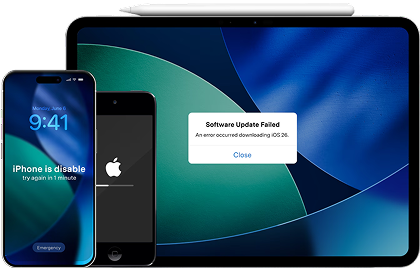
If you’re switching devices, also plan the practical “day one” tasks: transferring what you need, reducing clutter, and prepping old devices for resale or handoff.
Step 1: Transfer what you’ll actually use
Action: Use Dr.Fone to move essential photos, videos, contacts, and selected files between devices so your study/work materials are available on day one.
Limitation: Some app-specific data may still require the app’s own sync/login or cloud restore.
Step 2: Reduce clutter before it becomes friction
Action: Use Dr.Fone to identify and remove duplicate photos or large, unneeded media so storage doesn’t quietly disrupt downloads, exports, and updates.
Limitation: You still need to manually verify you’re not deleting items you want for projects, evidence, or archives.
Step 3: If you’re selling or handing down an old device, prep it safely
Action: Use Dr.Fone to help cleanly erase personal data so you can resell or give away your old phone/tablet without leaving private content behind.
Limitation: Always double-check accounts/sign-outs and follow your device’s official reset steps for the cleanest handoff.
Fix iOS setup issues with Dr.Fone System Repair (guided steps)
-
Step 1 Open Dr.Fone on your computer
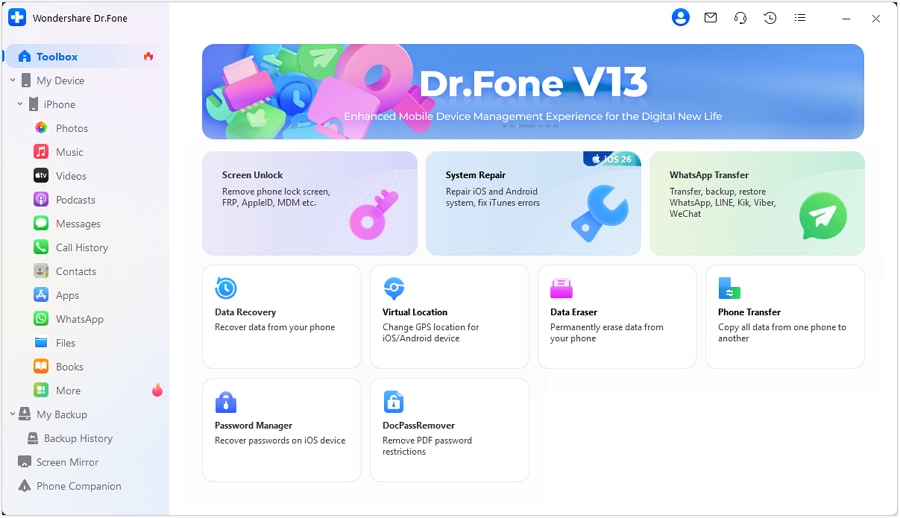
Launch Dr.Fone to access the toolbox, then connect your iPhone/iPad if needed for repair.
-
Step 2 Enter System Repair and select iOS
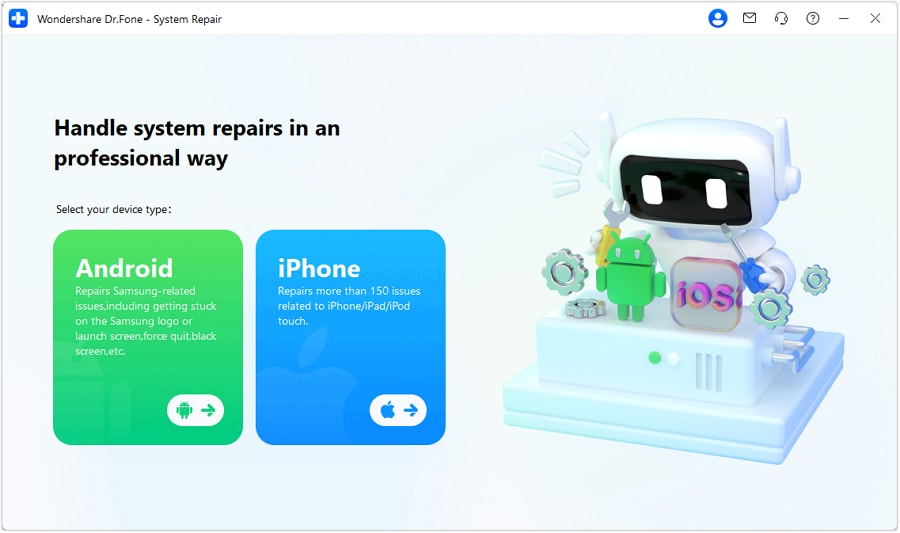
Choose the System Repair module and select iOS to proceed with iPhone/iPad system repair.
-
Step 3 Continue to iOS repair
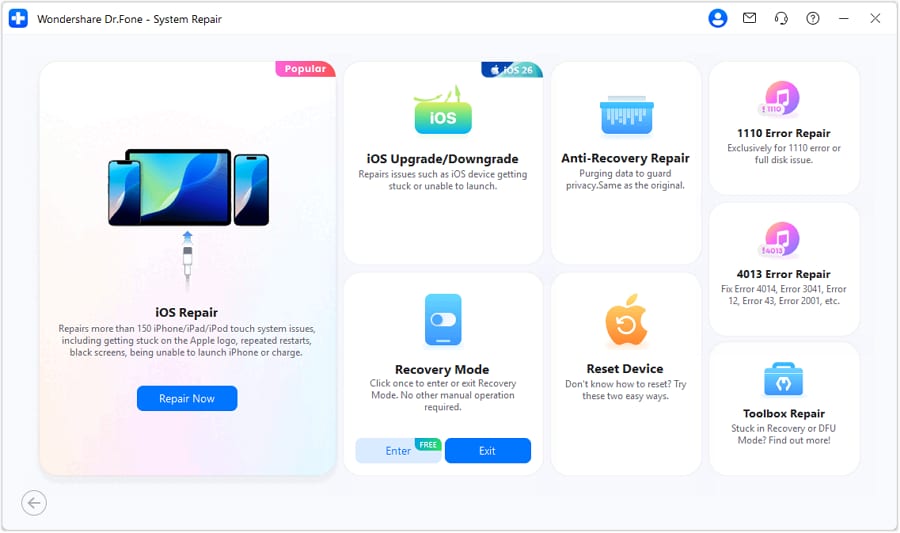
Follow the on-screen instructions to continue into the iOS repair flow.
-
Step 4 Proceed with Standard Mode first
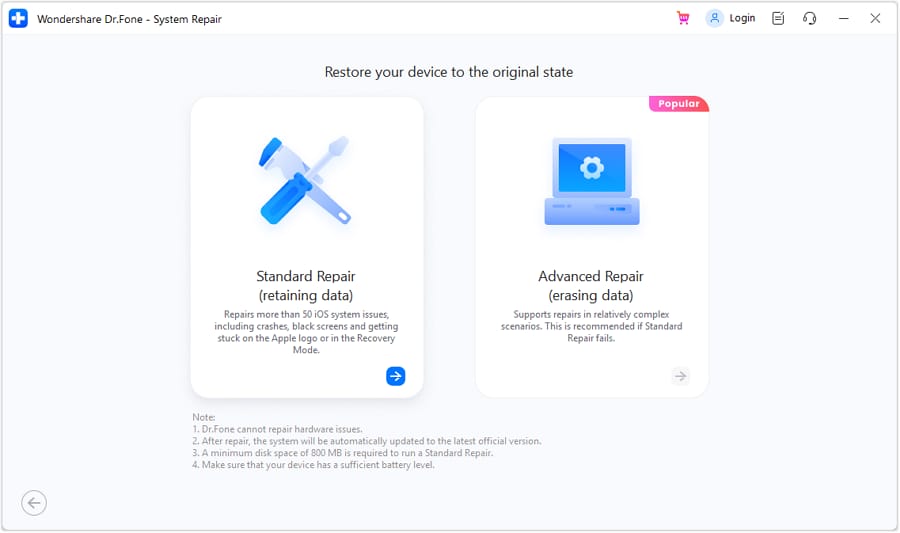
Start with Standard Mode to address common iOS issues while prioritizing a smoother, less disruptive repair approach.




Conclusion
AI is best used here as decision support: it helps you compare iPad productivity options by real priorities, trade-offs, and regret risks—then real use proves the fit. Once you’ve chosen, tools like Dr.Fone help execute the practical next step (transfer, cleanup, or resale prep) so your new setup starts productive instead of messy.
FAQ
-
Can I trust AI to pick the “right” iPad for productivity?
Trust it to structure trade-offs and expose weak points; don’t trust it to predict comfort, app friction, or whether you’ll truly adopt the workflow. -
What’s the most important trade-off for study/work iPad productivity?
Usually: handwriting/reading comfort vs typing/multitasking efficiency. Your daily ratio of those two activities drives the best choice more than most spec differences. -
How do I avoid a generic spec-based decision?
Describe your workflow as steps (capture → organize → produce → submit) and force each option to explain where you gain time and where you’ll add workarounds. -
What if I’m unsure whether the iPad will be primary or a companion to a laptop?
Assume “companion” unless you can name the exact tasks you’ll do iPad-only without friction (especially file handling, submission formats, and sustained typing). -
What should I prepare right after choosing?
Your accessory plan (keyboard/Pencil), your file system (folders + cloud), and a transfer/cleanup plan so you don’t start the semester/job with missing materials or storage chaos. -
If I’m switching devices or reselling an old one, what’s the main risk?
Losing important files/notes during migration, or leaving personal data behind—plan transfer and secure cleanup as a separate step from the purchase decision.
 Add Wondershare Dr.Fone as a preferred source on Google