Effortlessly manage data through preview, delete, export, etc.

 100% Security Verified | No Subscription Required | No Malware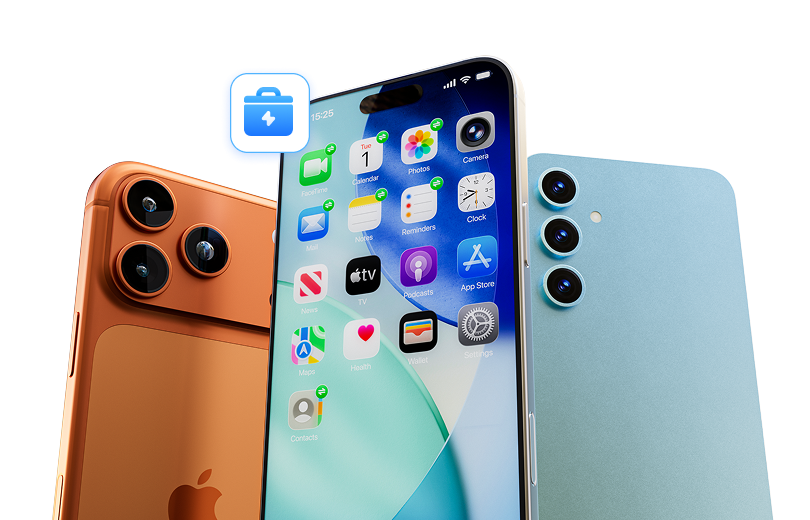

 :
: 
 ChatGPT
 Perplexity
 Gemini
 Claude
 Grok
Grok
If you have just upgraded or replaced your iPhone, you might be asking yourself, can i use icloud backup on another iphone model without losing data. In most cases, yes: as long as you are using the same Apple ID and your new iPhone meets iOS version requirements, you can restore your existing iCloud backup and carry over apps, photos, messages, and most settings from one iPhone model to another.
In this article
- Before you start
- Method 1: Restore iCloud backup during initial setup
- Method 2: Update iOS first, then restore to another model
- Method 3: Use iCloud sync services plus partial backup restore
- Method comparison: Ways to move iCloud data
- Common problems and fixes
- Why Dr.Fone users may find this helpful
- Conclusion
- FAQ
Before you start
Before you restore your data from one iPhone model to another, it is important to confirm that your backup is recent, compatible, and accessible. This preparation helps avoid restore failures, missing data, or endless setup loops.
Check Apple ID and iCloud backup status
On the old iPhone (or the device that created the backup), make sure you know which Apple ID was used:
- Go to Settings and check the name and email at the top to confirm the Apple ID.
- Open Settings > [your name] > iCloud > iCloud Backup.
- Verify that iCloud Backup is turned on and check the date and time of the Last successful backup.
You will need to sign in with this same Apple ID on the new iPhone to access and restore this backup.
Verify iOS version compatibility
iCloud backups can normally be restored only to an iPhone running the same or a newer iOS version than the device that created the backup.
- On the old iPhone, go to Settings > General > About and note the iOS Version.
- On the new iPhone (if already set up), go to Settings > General > About and compare versions.
If the backup was created on a higher iOS version, you must update the new iPhone first, or the backup may not appear or may trigger an error saying the software is too old.
Prepare Wi-Fi, power, and storage
Restoring from iCloud relies on a stable internet connection and enough space on the new iPhone.
- Use a reliable, unrestricted Wi-Fi network that does not block Apple services or require constant sign-in.
- Keep the iPhone connected to power to avoid interruptions.
- Ensure the new iPhone has enough free storage to hold the size of your iCloud backup.

Know what will and will not transfer
Most of your data will transfer when restoring an iCloud backup to another iPhone model, but some items are excluded for security or regional reasons.
- Will usually transfer: Home Screen layout, most apps and app data, iCloud Photos (if enabled), Messages, call history, settings, and more.
- Will not fully transfer: Apple Pay cards, Face ID or Touch ID data, certain passwords, and region-locked apps or services that are unavailable in your current country or on your new model.
- Some content, such as Apple Pay and Wallet items, must be set up again manually after restore.
Method 1: Restore iCloud backup during initial setup
This method is best if your new or replacement iPhone is fresh out of the box or already erased back to the Hello screen. It gives you a near-complete clone of your old iPhone on the new model.
-
Step 1 Turn on the new iPhone and connect to Wi-Fi
Power on the new or erased iPhone until you see the Hello screen. Select your language and region, then choose a stable Wi-Fi network. Avoid public hotspots with captive portals that may interfere with Apple services.
-
Step 2 Sign in with the same Apple ID and choose Restore from iCloud Backup
Continue through the setup assistant until you reach the Apps & Data screen. Tap Restore from iCloud Backup, then sign in using the same Apple ID that was used on your old iPhone. Accept any terms and conditions that appear.
-
Step 3 Select the correct backup and start the restore
On the backup list screen, choose the most recent backup from your old iPhone model by checking the date, time, and device name. If you have several backups, pick the one that best matches when you last used the old device.
-
Step 4 Keep the iPhone on Wi-Fi and power until restore finishes
After you select the backup, the iPhone will begin restoring. An initial progress bar covers core settings and data and usually finishes within minutes. Apps, photos, and media will then re-download in the background and may take much longer depending on their size and your internet speed.
This method is recommended if you want your new iPhone to mirror your old one as closely as possible, including layout and most local data.
Method 2: Update iOS first, then restore to another model
Sometimes your backup will not appear because it was made on a newer iOS version than the one currently installed on your new iPhone. In that case, you can update the software first, then erase and restore.
-
Step 1 Temporarily set up the iPhone without restoring
On the Apps & Data screen, if you do not see the backup you expect, tap Set Up as New iPhone. Complete the minimal setup to get to the Home Screen, signing in with the Apple ID used for your iCloud backup.
-
Step 2 Update to the latest available iOS
On the Home Screen, go to Settings > General > Software Update. Download and install the latest iOS version available for your iPhone model. Keep the device connected to Wi-Fi and power until the update completes.
-
Step 3 Erase all content and settings
After updating, go to Settings > General > Transfer or Reset iPhone > Erase All Content and Settings. Confirm the erase. The iPhone will restart and return to the Hello screen in a fresh state.
-
Step 4 Restore your iCloud backup after updating
Go through setup again. When you reach the Apps & Data screen, select Restore from iCloud Backup, sign in with your Apple ID, and choose the backup you wanted to use originally. The newer iOS version should now be compatible with that backup.
Use this method anytime you see an error that the software is too old or when your expected backup does not show even though you are on the correct Apple ID.
Method 3: Use iCloud sync services plus partial backup restore
If you do not want a full device restore, or you already set up the new iPhone and only need specific data (such as photos, contacts, or messages) from your old iPhone, you can rely on iCloud sync services instead of a full backup restore.
-
Step 1 Turn on iCloud sync for key data types
On the target iPhone, go to Settings > [your name] > iCloud. Enable the toggles for the data you want to sync, such as Photos, Contacts, Calendars, iCloud Drive, and others. If available in your region and iOS version, turn on Messages in iCloud to sync your message threads.
-
Step 2 Make sure both iPhones use the same Apple ID
For sync to work, the old iPhone and the new iPhone must be signed in with the same Apple ID. Using different Apple IDs will block access to previous purchases, iCloud backups, and some data like Messages in iCloud.
-
Step 3 Wait for data to sync across devices
Keep both devices on Wi-Fi and power. Over time, photos, messages, and other enabled data types will download to the new iPhone from iCloud without requiring an erase or full restore.
-
Step 4 Optionally perform a smaller backup restore
If you still want your old layout or some settings, you can erase the new iPhone and restore from a smaller iCloud backup. After the restore, keep iCloud services enabled so the newest versions of photos, messages, and files keep syncing across devices.
This approach is useful when you want a cleaner start on a new model but still need essential data from your old iPhone available through iCloud.
Method comparison: Ways to move iCloud data
Different situations call for different restore strategies. Here is how the main options compare when moving data between iPhone models.
| Method | What It Does | Best For | Requires erasing iPhone | Speed and data completeness |
|---|---|---|---|---|
| Full iCloud backup restore during setup | Restores apps, settings, Home Screen layout, and most local data from one iPhone model to another | Users who want the new iPhone to look and feel almost identical to the old one | Slower for large backups but usually the most complete | |
| Update iOS then restore backup | Resolves iOS version mismatches and lets a previously hidden backup appear and restore | Users whose backup is from an iPhone on newer iOS than the target device | Same completeness as full restore but adds extra time for system update | |
| iCloud sync services only | Syncs photos, contacts, messages, and files without restoring a full device image | Users who only need core data and prefer a cleaner setup on the new model | Faster initial setup but may miss some app-specific data and settings |
Common problems and fixes
When you try to move an iCloud backup from one iPhone model to another, a few common issues can appear. Here is how to resolve them quickly.
iCloud backup not showing during restore
If the backup you expect is missing from the list:
- Confirm you are signed in with the same Apple ID that created the backup.
- Ensure you are on a stable Wi-Fi connection and wait on the backup list screen for a minute.
- If it still does not appear, complete setup as a new iPhone, update iOS to the latest version, then erase and try the iCloud restore again as described in Method 2.
Error that the backup cannot be restored because the software is too old
This message indicates the iCloud backup was made on a newer iOS version than the one installed on your new iPhone.
- Finish setup temporarily without restoring.
- Update iOS in Settings > General > Software Update.
- Erase all content and settings, then repeat the restore and choose the same backup.
Restore is slow, stuck, or keeps pausing
- Keep the iPhone plugged into power and as close to your Wi-Fi router as possible.
- Avoid using cellular data for large restores; Wi-Fi is more stable and often faster.
- If it seems stuck, restart the iPhone, reconnect to Wi-Fi, and check progress under Settings > [your name] > iCloud > iCloud Backup.
Some apps, media, or Apple Pay cards did not transfer
- Open the App Store and manually download missing apps. Some may no longer be available or may not exist in your current region.
- Verify that iCloud Photos or other relevant sync features are enabled so media can continue downloading after setup.
- Re-add Apple Pay cards in Wallet. For security, card details are not fully restored from iCloud backups and must be configured again.
Why Dr.Fone users may find this helpful
Even when you understand How to Restore an iCloud Backup to Another iPhone Model, you might still run into missing files, incomplete backups, or data you do not want to overwrite with a full restore. That is where a desktop helper can give you more flexibility and control.
If your iCloud backup is outdated or you only want to move specific items between different iPhone models, Dr.Fone Basic can complement iCloud by letting you manage your iPhone data directly from a computer. It is especially useful when you want an extra safety net before erasing a device or when some content refuses to come back from iCloud.
 Easily manage data through preview, delete, export, etc.
- Transfer all data between devices.
- Robust backup solutions for reliable data protection.
- Mirror screens to PC for meetings, teaching, and control.
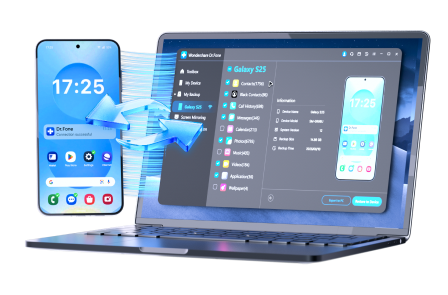
With Dr.Fone Basic, you can preview and selectively transfer photos, videos, contacts, and more between devices without doing a full restore, and you can create local backups on your computer before experimenting with iCloud restores. To learn more, you can visit the official Dr.Fone Basic page.




Conclusion
You now know the answer to the question can i use icloud backup on another iphone model: in most regions, you can restore an iCloud backup from one iPhone model to a different one as long as the target device uses the same Apple ID and runs the same or a newer iOS version. By choosing the right method, preparing your Wi-Fi and storage, and understanding what does and does not transfer, you can move to a new iPhone model with minimal risk and downtime. Use full iCloud restore when you want an almost exact copy of your old phone, rely on iCloud sync for a lighter setup, and turn to tools like Dr.Fone Basic if you ever need extra control or to recover data that iCloud left behind.
FAQ
-
1. Can I use an iCloud backup from my old iPhone on a different iPhone model?
Yes. You can restore an iCloud backup from one iPhone model to another as long as the new iPhone uses the same Apple ID and runs the same or a newer iOS version than the iPhone that created the backup. Start from the Hello screen, choose Restore from iCloud Backup, and select the correct backup by date and device name. -
2. How do I restore an iCloud backup from an older iPhone to a newer iPhone?
Turn on the new iPhone or erase it to reach the Hello screen. Go through setup until the Apps & Data screen, tap Restore from iCloud Backup, sign in with the Apple ID used on your older iPhone, and choose the latest backup. Keep the device on Wi-Fi and connected to power until the restore and background downloads complete. -
3. Will everything transfer if I restore an iCloud backup to another iPhone model?
Most data, including apps, app data, photos, messages, and settings, will transfer, but not everything. Security-sensitive data such as Apple Pay cards, Face ID or Touch ID, and some passwords must be set up again. Apps that are no longer available in the App Store or in your region will not re-download automatically. -
4. Do I need the same iOS version to use an iCloud backup on a different iPhone?
The target iPhone must be on the same iOS version or newer than the source iPhone that created the backup. If your backup was made on iOS 17, for example, your new iPhone cannot restore it while on iOS 16. In that case, set up the device, update iOS in Settings, then erase the phone and attempt the iCloud restore again. -
5. Can I restore an iCloud backup from a newer iPhone to an older iPhone model?
You can restore from a newer iPhone to an older model only if the older model supports and is updated to at least the same iOS version used to create the backup. If the older hardware cannot run that version of iOS, it will not be able to restore that iCloud backup. -
6. Why is my iCloud backup not showing when I try to restore it on another iPhone?
Common reasons include using a different Apple ID than the one that created the backup, the new iPhone running an older iOS version, unstable Wi-Fi, or the backup being incomplete. Verify the Apple ID, join a reliable Wi-Fi network, wait on the backup screen, and if necessary, finish setup, update iOS, then erase the device and try the restore again.
 Add Wondershare Dr.Fone as a preferred source on Google