Effortlessly manage data through preview, delete, export, etc.

 100% Security Verified | No Subscription Required | No Malware

 :
: 
 ChatGPT
 Perplexity
 Gemini
 Claude
 Grok
Grok
Seeing the iPhone Unavailable message after entering the wrong passcode multiple times can be stressful, especially when you are worried about losing precious content. This guide explains How to Handle iPhone Unavailable After Too Many Passcode Attempts Without Losing Important Data, what is realistically possible, and how to choose the safest path for your data.
In this article
Before you start
Before trying to fix an iPhone that shows iPhone Unavailable, it is crucial to understand what is happening to your data and to prepare the right tools. Acting too quickly or choosing the wrong option can permanently erase information that is not backed up anywhere else.
Understand what iPhone Unavailable means
After too many incorrect passcode attempts, iOS temporarily and then more permanently locks the screen and shows iPhone Unavailable or Security Lockout. Your data is still on the phone but heavily encrypted and tied to your passcode and device keys. Once a certain attempt limit is passed, the only Apple-supported way to remove the lock is to erase the device and then restore from a backup.
This means there is no guaranteed way to keep everything exactly as it is on the device. However, depending on your backups and whether a trusted computer can still talk to the iPhone, you may be able to restore or at least copy out some data before erasing.
Check your backup and account situation
Before you try unlocking or erasing anything, confirm:
- Whether iCloud Backup was enabled for this iPhone and when it last ran.
- Whether you ever created local backups using iTunes or Finder on a computer.
- If you remember the Apple ID email and password used on the device.
- If you have enough iCloud or disk space to restore or create new backups.
The more complete your backups, the easier it will be to erase the iPhone and restore your data afterwards with minimal loss.
Prepare your computer and connections
Most recovery and erase options require a computer and an internet connection. Prepare the following:
- A Windows PC or Mac with a stable internet connection.
- The latest version of iTunes (on Windows or older macOS) or an updated macOS Finder on newer Macs.
- A reliable USB or Lightning cable to connect the iPhone to the computer.
- Enough free storage space to hold backups you might create or restore.
If you previously trusted this computer with the same iPhone, you may have slightly better chances to access or back up some data even if the screen now shows iPhone Unavailable.
Important warnings before you erase anything
Any full erase of the iPhone (on-device Erase iPhone, iCloud Find My erase, or restore via recovery mode) will remove all local content that is not already in a backup or synced to cloud services like iCloud Photos or Messages in iCloud.

Your options may also vary slightly by country or region, depending on access to local Apple Stores, authorized service providers, and regional data regulations. However, most computer-based methods that rely on iCloud, iTunes, or Finder work globally as long as you can sign in to your Apple ID online.
Method 1: Use existing backups to recover data safely
This method is best for people who previously enabled iCloud Backup or regularly backed up their iPhone to a computer. It does not unlock the existing encrypted data on the locked device; instead, you erase the phone and then restore everything from a backup.
-
Step 1 Check for iCloud backups from another device or browser
On another iPhone or iPad signed into the same Apple ID, open Settings > [your name] > iCloud > iCloud Backup and look at the list of devices and last backup times. Confirm that your locked iPhone appears with a recent backup date.
If you do not have another Apple device, sign in to iCloud.com in a browser. Go to Account Settings and review which devices and backups are associated with your account. A recent backup means you can erase the locked iPhone, then restore that backup during setup.
-
Step 2 Check for computer backups in iTunes or Finder
Connect the locked iPhone to a computer that you used for syncing in the past. Open Finder on macOS Catalina or later, or iTunes on Windows or macOS Mojave and earlier. Select your iPhone when it appears. Under the Backups section, look for the Latest Backup date.
If you find a recent local backup, you will be able to erase the device through recovery mode and then restore this backup when you reach the setup screen.
-
Step 3 Erase the iPhone using Apple tools
Once you are sure you have a good backup, choose one of Apple's erase options:
- Use the on-screen Erase iPhone button if it appears on the iPhone Unavailable screen and you know your Apple ID password.
- Sign in to iCloud.com, open Find My, select your device, and choose Erase iPhone.
- Put the iPhone into recovery mode and click Restore in iTunes or Finder; this downloads the latest iOS and erases the device.
All these approaches will remove the lock screen and return the device to factory settings, ready for setup.
-
Step 4 Restore the iPhone from your backup
After the erase finishes, the iPhone will restart and display the Hello screen. Follow the setup steps until you reach the Apps & Data screen, then pick one of these options:
- Select Restore from iCloud Backup, sign in with your Apple ID, and choose the most recent backup that matches your locked iPhone.
- Or select Restore from Mac or PC, connect the phone to the computer with your local backup, open iTunes or Finder, and choose Restore Backup.
Wait for the process to finish. Your apps, photos, and other data from the backup will be copied back to the device.
If your last backup is not very recent, you may still lose any data created after the backup date that never synced to iCloud or another cloud service.
Method 2: Try data-friendly tools before a full erase
This approach is aimed at users who do not have a recent backup yet want to see if any data can be accessed or exported before they commit to erasing their iPhone. There is no guaranteed way to bypass iOS encryption after iphone unavailable too many passcode attempts, but a previously trusted computer can sometimes still communicate with the device.
-
Step 1 Connect your unavailable iPhone to a trusted computer
Use a reliable cable to connect the locked iPhone to a Windows PC or Mac that you have used with this device before. If you previously tapped Trust on the iPhone for this computer, the trust relationship may still be active even though the screen now shows iPhone Unavailable.
Do not disconnect the cable or interrupt the process; any connection that works may be your only opportunity to export data before an erase.
-
Step 2 Check for visible content in iTunes, Finder, or data tools
Open iTunes or Finder and see whether the iPhone appears in the sidebar or device list. If it does, check whether you can:
- Create a new encrypted or unencrypted backup.
- Browse categories such as music, videos, or photos.
- Use third-party data management or backup tools on the computer to scan for accessible content.
Avoid clicking Restore iPhone or any erase-related buttons at this point. Your goal is to inspect what can be copied out first.
-
Step 3 Export or back up any accessible data
If you are able to see photos, videos, or other files, export them to a safe location on your computer or an external drive. Some tools allow you to selectively export categories such as photos or messages threads where permitted.
Think of anything you can save at this stage as a bonus. You may not be able to preserve everything, but even partial exports can protect your most important content before you erase the phone.
-
Step 4 Decide when to proceed with an official reset
Once you have saved everything you can, choose an official Apple erase method as described in Method 1 and Method 3. After you set up the device again, you can copy the exported data back where possible, combining it with any iCloud or computer backups you already had.
Remember, if the computer has never been trusted by this iPhone, iOS security will usually prevent new access to your data without entering the passcode, which is no longer possible once the device shows iPhone Unavailable.
Method 3: Use official Apple erase options to remove the lock
When you have accepted that you may lose any data that is not backed up, or when you simply need to get the phone working again as quickly as possible, you can use Apple’s official erase methods to clear the iPhone Unavailable screen.
-
Step 1 Use the on-device Erase iPhone option (if available)
On newer versions of iOS, after several incorrect passcodes, the iPhone Unavailable screen may display an Erase iPhone button. If you see it and remember your Apple ID password:
- Tap Erase iPhone at the bottom of the screen.
- Confirm that you understand this will erase all content and settings.
- Enter your Apple ID password when prompted and follow the instructions.
Once the process completes, the iPhone reboots and shows the Hello screen, ready for setup and restore.
-
Step 2 Erase the iPhone remotely using iCloud Find My
If the on-device option is unavailable but Find My was enabled before the lockout and the device can still go online, you can erase it remotely:
- Visit iCloud.com in a browser and sign in with the Apple ID used on the locked iPhone.
- Open Find My, then select your iPhone from the devices list.
- Choose Erase iPhone and confirm the action.
When the erase finishes and the device connects to the internet, it will reset, removing the lock screen so you can set it up again.
-
Step 3 Use recovery mode with iTunes or Finder
If neither the on-device nor the remote erase options work, put the iPhone into recovery mode and restore it with a computer:
- Turn off the iPhone completely.
- Connect it to your computer while holding the appropriate button combination for your model (for example, on Face ID models, quickly press Volume Up, then Volume Down, then hold the Side button until you see the recovery mode screen).
- In iTunes or Finder, choose Restore when prompted.
This downloads the latest version of iOS for your device and erases everything, removing the iPhone Unavailable or Security Lockout screen.
After any erase, you must sign in with the same Apple ID that was previously used on the device to pass Activation Lock. Make sure you reset or recover your Apple ID password via iforgot.apple.com if necessary before you start.
Method comparison and troubleshooting
Each option for dealing with iPhone Unavailable has trade-offs in terms of data safety, technical difficulty, and when you should use it. Use the comparison below to quickly see which one best fits your situation.
| Method | Keeps existing on-device data? | Requires backup? | Technical difficulty | When to use |
|---|---|---|---|---|
| Use existing iCloud or iTunes/Finder backup (Method 1) | Existing data is erased but replaced by backup contents | Yes, a recent backup is needed | Medium | Best when you know you have a solid backup and want a clean restore |
| Try data-friendly computer tools before erase (Method 2) | Partially, only data you can access and export is kept | No, but a trusted computer greatly helps | Medium to advanced | Use when you lack backups and want any chance to save files before wiping |
| Erase via Erase iPhone / iCloud / recovery mode (Method 3) | All local data is wiped from the device | Recommended but not required | Basic to medium | Use as a last resort when you simply need to remove the lock |
If something goes wrong during these processes, check the following common problems and solutions.
Common problems and fixes
- Erase iPhone button does not appear. This option is only available on certain iOS versions and requires Find My and a network connection. If you do not see it, use iCloud.com Find My or recovery mode with iTunes/Finder instead.
- The computer does not recognize the iPhone. Try another USB port and cable, restart both the iPhone and computer, update iTunes or macOS, and on Windows ensure Apple Mobile Device support is installed. Then reconnect and check again.
- You cannot remember your Apple ID password. Visit iforgot.apple.com, follow the prompts to reset your password using your trusted phone number, email, or device, and only proceed once you can sign in successfully.
- Some recent data is missing after restore. Confirm which backup date you restored from; anything created afterward will not be included. Also check whether iCloud Photos, Messages in iCloud, or chat apps such as WhatsApp store extra data in their own clouds that you can re-sync.
Why Dr.Fone Basic can help protect your data
If you have run into iphone unavailable too many passcode attempts once, it is worth improving how you organize and back up your iPhone data so the next lockout is far less risky. Dr.Fone Basic focuses on making it easier to manage, transfer, and back up key content between your devices and a computer.
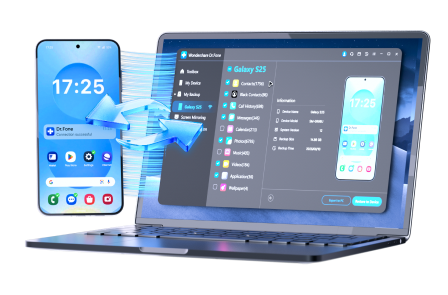
With Dr.Fone Basic, you can preview and selectively export important photos, videos, and other files from your devices, transfer data between phones, and create flexible backups that complement your iCloud or iTunes/Finder copies. That way, even if you need to erase and restore the iPhone in the future, you have multiple layers of protection for your most important items. You can learn more and install it from Dr.Fone Basic.
 Easily manage data through preview, delete, export, etc.
- Transfer all data between devices.
- Robust backup solutions for reliable data protection.
- Mirror screens to PC for meetings, teaching, and control.
Once you regain access to your iPhone, setting up a clear backup routine with both iCloud and computer-based tools like Dr.Fone Basic greatly reduces the chances of losing irreplaceable memories the next time you make a passcode mistake or run into a system problem.




Conclusion
When your device shows iphone unavailable too many passcode attempts, your data is not instantly gone, but it is locked behind strong encryption and cannot be reached without the right credentials or backups. To protect as much as possible, slow down and first check for iCloud or computer backups, then see if a trusted computer or data tools can help you export any additional files before you erase the phone.
If those options fail, use Apple’s official erase methods to remove the lock screen and then restore whatever you can from backups or exported copies. Finally, establish a stronger backup routine with both cloud and computer-based tools so future lockouts are far less stressful and much less likely to cost you important photos, messages, and documents.
FAQ
-
1. What can I do if my iPhone says iPhone Unavailable after too many passcode attempts without erasing everything?
Start by checking for any recent iCloud or iTunes/Finder backups. If you have one, you can erase the iPhone and then restore that backup to get most of your data back. If you do not have a backup, connect the device to a previously trusted computer and see whether iTunes, Finder, or data management tools can access or export some content before you perform an Apple erase. There is no guaranteed way to fully unlock the device without risk of data loss once too many wrong passcodes have been entered, so preserving anything you can reach first is essential. -
2. Can I unlock an iPhone Unavailable screen without a backup and still keep my data?
In most cases, no. iOS encrypts your information and links it to your passcode and hardware, so after multiple failed attempts and an iPhone Unavailable status, Apple’s official solutions require erasing the device. The only partial exception is when a previously trusted computer can still communicate with the phone, potentially allowing some exports before erasing, but this is not guaranteed and depends heavily on how the device was used and configured before it locked. -
3. How many wrong passcode attempts until iPhone Unavailable permanently locks and forces a reset?
After several incorrect passcode attempts, iOS increases the delay between tries and eventually displays iPhone Unavailable or Security Lockout. Exact behavior can vary slightly by iOS version, but once the device reaches the point where only erase and restore options remain, you can no longer simply enter the correct passcode to unlock it. At that stage, removing the lock requires erasing the device and then setting it up again, with or without restoring from a backup. -
4. Is there a way to fix iPhone Unavailable using iTunes, Finder, or a third-party tool without losing data?
If you already have a backup, iTunes or Finder can restore that backup after erasing the phone, which is usually the safest route. Without a backup, a trusted computer plus data-friendly tools may sometimes let you export certain files before erasing, but they cannot bypass Apple’s encryption or fully unlock the device. Be very cautious with any tool that claims to unlock without data loss and no backup, as such claims often overlook how iOS security actually works. -
5. How can I recover photos and messages from an iPhone that shows iPhone Unavailable?
First, check whether iCloud Photos, Messages in iCloud, or third-party messaging apps like WhatsApp are syncing your data to the cloud; if they are, much of your content can be restored simply by signing back into your accounts after you erase and set up the device again. Next, look for iCloud or iTunes/Finder backups that contain your photos and messages and plan to restore from them. If no backups exist, try connecting to a trusted computer to see whether any content can be exported before you proceed with an erase. -
6. Does iPhone Unavailable mean my data is already lost or can repair software still help?
iPhone Unavailable does not immediately mean your data is gone; it is still stored on the device, but locked by encryption. If you have backups, you can erase the phone and restore your data from there. Without backups, the data on the device becomes effectively unrecoverable once you erase it, because neither Apple nor third-party software can break the underlying encryption. Repair or management software can sometimes help you organize backups, export accessible files from a trusted computer, or recover cloud-synced content, but it cannot reliably unlock an unavailable iPhone without data loss.
 Add Wondershare Dr.Fone as a preferred source on Google