 Effortlessly manage data through preview, delete, export, etc.

 100% Security Verified | No Subscription Required | No Malware

 :
: 
 ChatGPT
 Perplexity
 Gemini
 Claude
 Grok
Grok
If your iPhone is full of photos and 4K videos, the safest way to protect them is to export iPhone photos to pc before you delete anything from your phone. This guide walks you through practical ways on how to export iPhone photos and videos to a PC safely and efficiently, so you can back up memories, free up storage, and avoid data loss or quality issues.
In this article
Before you start
Before you move large photo and video libraries, a bit of preparation helps avoid failed transfers, missing files, or low-quality copies. Use this section to confirm storage, cables, formats, and your overall backup plan.
Check storage on both iPhone and PC
Make sure both devices have enough space so the export can complete without interruptions.
- On your iPhone, go to Settings > General > iPhone Storage to see how much space photos and videos are using.
- On Windows, open File Explorer, click This PC, and check free space on the drive where you plan to keep your backup.
- Leave extra headroom (at least 10–20% free space) to avoid slow-downs or errors while copying.
Prepare your cable, ports, and drivers
A stable wired or wireless connection is essential when you transfer iPhone photos and videos to PC.
- Use an original or certified Lightning-to-USB or USB-C cable that supports data, not just charging.
- Connect directly to a USB port on the computer (preferably USB 3.0) instead of a hub.
- Install the latest Windows updates and, if needed, update Apple Mobile Device USB drivers via Device Manager.
- Unlock your iPhone and keep the screen on while the PC scans it, tapping Trust and entering your passcode if prompted.
Decide on formats and quality (HEIC, HEVC, 4K)
iPhones often save photos in HEIC and videos in HEVC to reduce file size. Decide whether you want to keep these original formats or convert them for easier viewing on Windows.
- On iPhone, go to Settings > Camera > Formats:
- High Efficiency uses HEIC/HEVC (smaller files, may need extensions on Windows).
- Most Compatible uses JPEG/H.264 (larger files, but more universally supported).
- For future transfers, you can go to Settings > Photos > Transfer to Mac or PC and choose:
- Keep Originals to avoid conversion and potential quality changes.
- Automatic if you prefer more compatibility but accept possible conversion.
- On Windows 10/11, you can install HEIF Image Extensions and HEVC Video Extensions from Microsoft Store so original HEIC images and 4K HEVC videos open correctly.
Plan your backup folders and safety checks
Organizing your export ahead of time makes it easier to find files and avoid duplicates.
- Create a main backup folder such as D:\iPhone-Photos-Backup\ with subfolders by year or device name.
- Decide whether you want a one-time full backup of your Camera Roll or regular incremental exports.
- Plan to verify your backup by opening several photos and videos on the PC before you remove anything from your iPhone.
- Consider an extra backup (external drive or cloud storage) for your most important albums.

Method 1: Export via USB using the Windows Photos app
This method uses the built-in Photos app in Windows 10 and Windows 11. It is friendly for beginners and works well when you want to import recent or selected photos and videos with a guided interface.
-
Step 1 Connect your iPhone and allow access
Use a reliable USB cable to connect your iPhone to the PC. Unlock your iPhone, then look for the Trust This Computer or Allow this device to access photos and videos alert. Tap Trust or Allow and enter your passcode so Windows can read your photo library.
-
Step 2 Open the Photos app and choose your iPhone
On Windows, open the Photos app from the Start menu search. Click Import in the top-right corner, then choose From a connected device. The app will scan your iPhone for photos and videos, which may take some time if your library is large.
-
Step 3 Select items and choose a destination folder
When the scan is done, you will see thumbnails of your media. Select specific items or use Select all if you want a broad backup. Click Change destination and select or create a backup folder such as D:\iPhone-Photos-Backup\2024 so you always know where your imports are stored.
-
Step 4 Start the import and wait for completion
Click Import to begin copying. Keep your iPhone connected and unlocked until the progress bar reaches 100%. When finished, open a few imported photos and videos in the Photos app or File Explorer to ensure everything looks correct.
- If the Photos app does not detect your iPhone, try a different USB port or cable, and make sure the iPhone remains unlocked.
- To retain original quality, turn on Keep Originals under Settings > Photos > Transfer to Mac or PC on your iPhone, and install HEIF/HEVC support on Windows if needed.
Method 2: Copy the DCIM folder with File Explorer
This method gives you direct access to the DCIM folder on your iPhone, which is ideal when you want to export the entire Camera Roll, including original HEIC photos, Live Photos, and large video files.
-
Step 1 Connect and locate your iPhone in File Explorer
Connect your iPhone to your Windows PC with a USB cable, unlock it, and tap Trust or Allow if prompted. Open File Explorer and click This PC. Under Devices and drives, you should see your iPhone listed. Double-click it, then open Internal Storage followed by the DCIM folder.
-
Step 2 Select DCIM subfolders to export
Inside DCIM you will see multiple folders such as 100APPLE, 101APPLE, and possibly folders with other names if you have used third-party camera apps. Press Ctrl + A to select all folders for a full backup, or hold Ctrl and click only the folders containing the dates or content you want.
-
Step 3 Copy and paste into a backup location
Right-click the selected folders and choose Copy. Navigate to your backup location on the PC (for example D:\iPhone-Photos-Backup\Full-Camera-Roll), right-click in the empty space, and choose Paste. The transfer may take a while for large libraries.
-
Step 4 Verify your export before disconnecting
After copying finishes, open several photos and videos across different dates and folders to ensure they open and play correctly. Only then safely disconnect your iPhone and, if you choose, delete files from the phone to free up space.
- This approach copies files in their original formats, which helps you copy iPhone photos to PC without data loss or conversions.
- For best speeds, use a direct USB 3.0 port and avoid copying over overloaded USB hubs or low-quality cables.
Method 3: Export with iCloud Photos or Dr.Fone Basic
If you prefer wireless syncing or want more control to preview and selectively export media, you can use iCloud Photos or a desktop tool such as Dr.Fone Basic on your Windows PC.
-
Step 1 Turn on iCloud Photos on your iPhone
On your iPhone, go to Settings > [your name] > iCloud > Photos and enable iCloud Photos. Your photos and videos will start uploading to iCloud. Keep your device connected to Wi-Fi and power, especially if your library is large.
-
Step 2 Download your photos from iCloud to PC
On your Windows PC, open a browser and go to iCloud.com, then sign in with your Apple ID. Click Photos, select what you need (or use Ctrl + A for all), and click the download icon to save them into your backup folder. Alternatively, install iCloud for Windows to automatically sync an iCloud Photos folder to your computer.
-
Step 3 Use Dr.Fone Basic for direct wired export (optional)
For more granular control, install Dr.Fone Basic on your PC and launch it. Connect your iPhone with a USB cable and, once detected, browse your photo albums and video clips inside the program. You can preview items, select particular albums or dates, and export them directly to your chosen folder while keeping original quality.
- iCloud Photos is convenient but depends on internet speed and available iCloud storage.
- A dedicated tool like Dr.Fone Basic helps you organize and export large libraries without wading through raw DCIM folders.
Method comparison and common problems
Each method to export iPhone photos and videos to a Windows computer has different strengths. Use this comparison plus the troubleshooting tips that follow to choose the right approach and fix common issues.
| Method | Connection type | Keeps original quality (HEIC/4K) | Best for | Main pros | Main cons |
|---|---|---|---|---|---|
| Windows Photos app via USB | Wired (USB) | if Windows supports HEIC/HEVC | Beginners and quick recent imports | Guided interface, easy selection of recent items, built-in on Windows | Can be slow or unreliable with very large libraries; less control over folder structure |
| File Explorer DCIM copy | Wired (USB) | copies original files directly | Full Camera Roll export and power users | Fast bulk transfer, full control over folders, no extra software needed | Less friendly for beginners; easy to create duplicates if you copy the same folders twice |
| iCloud Photos | Wireless (cloud) | if configured to download originals | Ongoing sync across Apple devices | No cable required; automatic updates | Limited by iCloud storage and network speed; initial upload can be slow |
| Dr.Fone Basic | Wired (USB) | keeps originals | Selective, organized exports | Preview before export, flexible selection, helps avoid duplicates | Requires installation on your PC |
Common problems and fixes
- PC does not recognize the iPhone via USB
Try a different USB port and cable, avoid hubs, and connect directly to the computer. Unlock the iPhone and tap Trust when asked. On Windows, open Device Manager and update or reinstall the Apple Mobile Device USB driver, then restart both devices. - iPhone photos do not appear in Photos app or File Explorer
Keep the iPhone unlocked and reconnect the cable. If you see Allow this device to access photos and videos, tap Allow. On the iPhone, go to Settings > Photos and temporarily set Transfer to Mac or PC to Keep Originals so Windows can read the DCIM folder correctly. - HEIC photos or HEVC videos will not open on Windows
Install HEIF Image Extensions and HEVC Video Extensions from Microsoft Store, or change the iPhone camera setting to Most Compatible for future captures. When exporting, choose options that keep originals and then convert them later with dedicated tools if necessary. - Transfer is interrupted or creates duplicates
Avoid using your iPhone during copying, and keep the cable firmly connected. Close heavy applications on your PC and, for huge libraries, transfer in smaller batches. Only clean up duplicates after you confirm you have at least one complete, working backup in your target folder.
Why Dr.Fone users may find this helpful
If you frequently need to How to Export iPhone Photos and Videos to a PC Safely and Efficiently, manual DCIM copying can be slow, confusing, and prone to duplicates. Dr.Fone Basic offers a more visual and organized way to browse, select, and export your iPhone photos and videos to Windows without digging through multiple folders.
 Easily manage data through preview, delete, export, etc.
- Transfer all data between devices.
- Robust backup solutions for reliable data protection.
- Mirror screens to PC for meetings, teaching, and control.
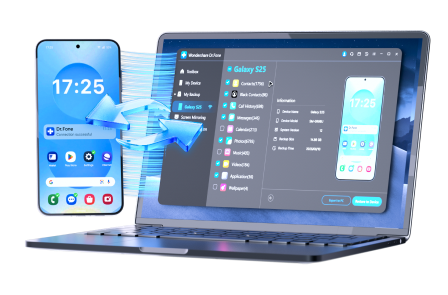
With Dr.Fone Basic on your PC, you can preview photo albums and videos, select only what you need, and export or delete items directly from your device. This helps you build clean, reliable backups, avoid duplicates, and keep your Camera Roll manageable, especially when built-in Windows tools feel limited.
If you want more control and an easier overview than the default Photos app and File Explorer provide, Dr.Fone Basic can act as your central place to manage, transfer, and back up iPhone media on Windows.




Conclusion
When you need to export iphone photos to pc, you can rely on several safe methods: the Windows Photos app for guided imports, File Explorer for direct DCIM copying, and iCloud Photos or Dr.Fone Basic for wireless sync and more advanced control. Choose the workflow that matches your comfort level, library size, and connection type, and always verify that your photos and videos open correctly on the PC before deleting anything from your iPhone. With a solid routine for how to export iPhone photos and videos to a PC safely and efficiently, your memories will stay backed up, organized, and ready for editing or sharing.
FAQ
-
1. How do I export iPhone photos to a Windows PC without losing quality?
To preserve quality, connect your iPhone to the PC with a USB cable and either copy the DCIM folders directly via File Explorer or use the Photos app while keeping Keep Originals enabled under Settings > Photos on your iPhone. Avoid sending photos by email or chat apps that compress images, and install HEIF/HEVC extensions on Windows so original HEIC and 4K files open correctly. -
2. What is the safest way to transfer iPhone photos and videos to a PC using a USB cable?
The safest approach is to unlock your iPhone, tap Trust when prompted, and then use File Explorer or the Windows Photos app to copy photos and videos into a clearly labeled backup folder on a drive with plenty of free space. Wait until the transfer finishes, then open several images and videos on the PC to confirm they play correctly before deleting anything from your iPhone. -
3. How can I export iPhone photos to my PC without iTunes or iCloud?
You can skip both iTunes and iCloud by connecting your iPhone to the PC via USB and using File Explorer or the Windows Photos app. In File Explorer, open Internal Storage > DCIM and copy the folders to your computer. For a more guided experience with previews and selective export, you can install Dr.Fone Basic on your Windows PC and use it to manage and transfer your photos and videos. -
4. Why are my iPhone photos not showing up on my PC when I connect via USB?
If your photos are not appearing, make sure the iPhone is unlocked and that you tapped Trust or Allow when prompted. Try unplugging and reconnecting the cable, using a different USB port or cable, and checking that Apple Mobile Device USB driver is installed and working in Windows Device Manager. On the iPhone, set Transfer to Mac or PC to Keep Originals to help Windows read the DCIM folder. -
5. How do I transfer all iPhone photos to a PC and keep the original HEIC and 4K video formats?
To keep original HEIC photos and 4K HEVC videos, set Settings > Photos > Transfer to Mac or PC to Keep Originals on your iPhone. Then use File Explorer to copy the entire DCIM folder structure to your PC or a tool like Dr.Fone Basic that preserves original files. On Windows, install HEIF Image Extensions and HEVC Video Extensions so these formats open without conversion. -
6. What is the fastest method to export large iPhone photo and video libraries to a Windows computer?
For very large libraries, a direct USB connection is usually fastest. Use a high-quality cable and a USB 3.0 port, then copy DCIM folders via File Explorer or use a tool like Dr.Fone Basic to transfer in large batches. Wireless methods such as iCloud Photos are convenient but depend heavily on your internet speed and may take much longer for multi-gigabyte collections.
 Add Wondershare Dr.Fone as a preferred source on Google



