Effortlessly manage data through preview, delete, export, etc.

 100% Security Verified | No Subscription Required | No Malware

 :
: 
 ChatGPT
 Perplexity
 Gemini
 Claude
 Grok
Grok
If you notice your iphone dropping signal on multiple carriers in the same places, it is usually a sign that something on the device side needs attention rather than just a bad network. Use this guide to prepare your iPhone, rule out coverage and compatibility issues, and then work through targeted fixes for iOS, SIM/eSIM, and hardware-related problems.
In this article
Before you start
Before changing carriers again or booking a repair, take a moment to gather a few details and tools. This will make it much easier to see whether the issue follows your iPhone, follows a specific network, or only appears in certain locations.
Confirm your iPhone details
First, identify exactly which iPhone model and iOS version you are using, because coverage, supported bands, and some settings differ by model and software.
- On your iPhone, go to Settings > General > About.
- Note the Model Name and Model Number.
- Check the Software Version (iOS version) so you know if an update might help.
Keep this information handy; you will need it when checking carrier compatibility and searching for technical specs.
Prepare backups and Wi-Fi
Some of the deeper fixes, such as resetting network settings or reinstalling iOS, can impact saved Wi-Fi networks, VPNs, or other configuration data. It is best to prepare a backup and a stable Wi-Fi connection in advance.
- Ensure you know your Apple ID and password.
- Connect to a reliable Wi-Fi network for iCloud or computer-based backup.
- Back up your iPhone via iCloud or Finder/iTunes so you can safely restore if needed.
Gather SIMs and test devices
Because the problem appears across more than one carrier, cross-testing is key to isolating the cause.
- If possible, obtain at least one additional physical SIM or eSIM profile from a different carrier.
- Ask a friend or family member with the same carrier to be available for a quick side-by-side signal test.
- If you use dual SIM or eSIM, know which line is primary and which is secondary.
Understand coverage and compatibility
Imported or older iPhones may not support all local LTE or 5G bands, which can cause weak or unstable service even on multiple networks.
- Plan to check your carriers coverage map and outage pages for your city or neighborhood.
- Later, you will compare your iPhones supported bands against those listed by your carriers.
- Have a rough idea of where signal problems occur (home, office, commute route) so you can test in those spots.

Method 1: Rule out coverage and carrier compatibility
This method helps you decide whether your connection issues are mainly due to weak coverage where you live or work, or whether they are more likely tied to the iPhone itself.
-
Step 1 Check official coverage maps and outage pages
Visit the website of each carrier you use and open their coverage map. Enter your city or exact address and confirm that 4G or 5G service is officially available where your signal drops. Also look for a network status or outage page and see if there are any live incidents near you. If people around you on the same carrier also have No Service or only one bar, the issue may be temporary and network-related.
-
Step 2 Test another phone on the same carrier in the same spot
Stand side by side with a friends or family members phone that uses the same carrier. In the problem area, make a short call and, if possible, run a speed test on both devices. If their phone keeps a stable signal while your iPhone cellular signal keeps cutting out, the fault is likely with your device configuration, SIM, or hardware, not the carrier.
-
Step 3 Confirm your iPhone model supports local network bands
On another device or computer, search for Apples technical specifications page for your exact iPhone model. Under Cellular or Mobile Network, note the LTE and 5G bands listed. Then, check your carriers supported bands list, usually found under technical details or bring your own device information. If your model is missing several key local bands, especially for 4G and 5G, it can cause iphone weak signal on multiple networks and inconsistent performance between carriers.
-
Step 4 Decide when coverage is the main problem
If multiple devices on the same carrier struggle in your building or neighborhood, or if your iPhone works well in other areas but fails only in a few spots, coverage is likely the main issue. In that case, using Wi-Fi calling, a different carrier with better local coverage, or signal boosters may be more effective than deep iPhone troubleshooting.
Method 2: Apply core iOS and network fixes
If your iphone keeps losing signal on all networks even where coverage should be strong, focus on refreshing the cellular connection, updating software, and clearing potentially corrupted network settings.
-
Step 1 Restart your iPhone and toggle Airplane Mode
Restarting forces the modem to reconnect from scratch. On iPhones with Face ID, hold the Side button and either volume button, then slide to power off; on older models, hold the Side or Top button. After it shuts down, wait at least 30 seconds before turning it back on. Once restarted, open Control Center, enable Airplane Mode for about 15 seconds, then turn it off to refresh your connection to the nearest tower.
-
Step 2 Update iOS and carrier settings
Outdated software can cause iphone intermittent signal issues across carriers, especially after network upgrades. Go to Settings > General > Software Update and install any available updates. Keep your iPhone plugged in and on Wi-Fi during the process. Next, go to Settings > General > About and wait a few seconds. If a Carrier Settings Update popup appears, tap Update so your device uses the latest configuration for voice, SMS, and data.
-
Step 3 Reset network settings to clear conflicts
If problems continue, a network configuration reset can help. First, make sure your important Wi-Fi passwords, VPN details, and APN customizations are noted somewhere safe. Then go to Settings > General > Transfer or Reset iPhone > Reset > Reset Network Settings. Enter your passcode and confirm. Your iPhone will restart and rebuild its network configuration. Afterward, rejoin your Wi-Fi, re-add VPN profiles if needed, and test calls and data again on each carrier.
After each of these steps, watch how quickly your iPhone connects, how many bars you see, and whether calls remain stable. This helps you identify which action actually improves stability.
Method 3: Test SIM, eSIM, and dual SIM setups
Because you see your iphone dropping calls on multiple carriers, testing SIMs and eSIM profiles is essential. A damaged card, misconfigured profile, or dual-line conflict can all mimic hardware failure.
-
Step 1 Reseat or replace the physical SIM card
Power off your iPhone completely. Use a SIM ejector tool or a small paperclip to open the SIM tray. Remove the SIM and gently wipe its gold contacts with a soft, dry cloth. Check for any obvious physical damage, then reinsert the SIM firmly and power the phone back on. Observe whether signal returns more reliably. Sometimes a slightly loose or dirty SIM is enough to cause your iphone dropping signal on multiple carriers.
-
Step 2 Test with a different carrier SIM or eSIM profile
Insert a SIM from another carrier or, if supported in your region, go to Settings > Cellular > Add eSIM to add a new profile. In Settings > Cellular, temporarily disable your original line using the toggle next to it, leaving only the new carrier active. Use the phone normally in several locations. If the problem follows your iPhone across these different carriers, the core hardware or radio is more likely at fault than a specific network.
-
Step 3 Optimize or disable dual SIM setups
If you use dual SIM or eSIM, network handoffs and band selection can get complex. Go to Settings > Cellular and turn off one line at a time using the toggles. Test each line individually for calls and data. If drops occur only when both lines are active, consider setting your primary line to handle Voice & Data while configuring the secondary line as data-only, if your carrier options allow. Some users see fewer iphone cellular signal keeps cutting out issues with this arrangement.
-
Step 4 Decide when hardware diagnostics are needed
After reseating SIMs, testing multiple carriers, and simplifying any dual SIM configuration, pay attention to the pattern. If every SIM works fine in other phones but your iPhone struggles with all of them across many locations, it is time to schedule a diagnostic with Apple or an authorized service provider to check the antenna and radio hardware.
Method comparison and common fixes
The steps above cover coverage checks, iOS and network fixes, and SIM/eSIM testing. This section summarizes how each approach helps and then lists common real-world symptoms with targeted fixes.
| Approach | What It Does | Time Required | Best When | Likely Outcome |
|---|---|---|---|---|
| Basic checks (coverage, restart, Airplane Mode) | Verifies network availability and refreshes the cellular connection | 5-10 minutes | Signal issues appear in one area or started recently | Quickly rules out temporary outages or minor radio glitches |
| iOS and carrier settings update | Installs the latest system and carrier optimizations for cellular performance | 15-30 minutes including download | iphone intermittent signal issues across carriers started after an update or on older software | Improved call stability and fewer drops on supported networks |
| Reset Network Settings | Clears saved networks, VPNs, and APNs and rebuilds network configuration | 10-15 minutes plus Wi-Fi re-entry | iphone keeps losing signal on all networks with no clear pattern | Eliminates configuration conflicts that cause No Service or weak signal |
| SIM/eSIM and dual SIM testing | Checks whether a specific SIM, eSIM, or slot is causing the issue | 20-30 minutes depending on lines | iphone dropping calls on multiple carriers, especially when using dual SIM | Identifies faulty SIMs or conflicting dual-line setups |
| Hardware diagnostic with Apple or carrier | Tests antenna, radios, and board-level components | 30-60 minutes plus appointment wait | Phone fails across many carriers, locations, and after all software fixes | Confirms whether repair or replacement is needed |
Common problems and targeted fixes
Here are some typical situations you might encounter while dealing with iphone dropping signal on multiple carriers, along with suggested actions.
- iPhone shows No Service on different carriers in the same location: Confirm via coverage maps that each carrier should have reception there. Test another phone on the same carrier side by side. If other phones connect and yours does not, reset network settings and try another SIM. If that fails, plan for a hardware diagnostic.
- Signal drops when moving between rooms or floors: This often indicates indoor dead zones or building interference. Enable Wi-Fi Calling in Settings > Cellular > Wi-Fi Calling (if supported). Place your Wi-Fi router centrally and away from thick walls or appliances to improve indoor coverage.
- Intermittent dropped calls after switching to eSIM or dual SIM: In Settings > Cellular, disable one line at a time. If one line consistently causes drops, delete and re-add its eSIM profile or contact the carrier to reprovision the line before turning dual SIM back on.
- Weak or unstable signal even after updates and resets: Keep a short log of dates, times, locations, and carriers when drops occur. Back up your device, then bring those notes to Apple Support or your carrier so they can run more targeted antenna and radio tests.
Why Dr.Fone users may find this helpful
When investigating an How to Fix an iPhone That Keeps Dropping Signal on Multiple Carriers scenario, you may need to reset network settings, change SIMs, or even erase and restore iOS. Before you make heavy changes or hand your phone over for repair, protecting your data is essential.
Dr.Fone Basic can help you quickly back up important iPhone content to your computer so you do not lose photos, videos, or messages while troubleshooting stubborn signal issues. You can selectively export items you care about most, mirror your iPhone screen to capture how often service drops for support technicians, and manage or transfer data between devices if you ultimately move to a replacement phone.
If you want a convenient way to safeguard and organize your data while you troubleshoot, you can explore Dr.Fone Basic for desktop-based backup and device management.
 Easily manage data through preview, delete, export, etc.
- Transfer all data between devices.
- Robust backup solutions for reliable data protection.
- Mirror screens to PC for meetings, teaching, and control.
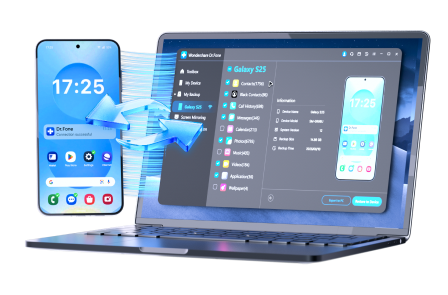
Before you send your iPhone for repair or perform drastic resets to solve multi-carrier signal problems, consider using Dr.Fone Basic to create a safe backup and organize your data so you can restore or migrate it smoothly if needed.




Conclusion
Persistent signal drops that follow your iPhone across carriers are frustrating, but a structured approach makes them much easier to solve. By confirming coverage and band compatibility, refreshing connections, updating iOS and carrier settings, resetting network configurations, and carefully testing SIM, eSIM, and dual SIM setups, you can usually restore stable service or clearly prove when a hardware repair is needed.
If your iphone dropping signal on multiple carriers continues even after these software steps and SIM tests, back up your data, collect examples of when and where drops occur, and then contact Apple Support or your carrier. With this groundwork done, you can move more quickly toward an accurate diagnosis and, if necessary, repair or replacement.
FAQ
-
1. Why does my iPhone keep dropping signal even after switching carriers?
If your iPhone keeps dropping signal across several carriers, the cause is often on the device side. Corrupted network settings, outdated iOS or carrier settings, a faulty SIM or SIM tray, regional band incompatibility, or an antenna or radio hardware issue can all be responsible. Work through coverage checks, software updates, network resets, and SIM testing before assuming a hardware fault. -
2. How do I tell if my iPhone antenna is bad or if it is just poor carrier coverage?
Compare your iPhone with another phone on the same carrier in the same location. Also test with a different carrier SIM if you can. If other phones maintain solid service where yours shows No Service or drops calls, and your device still fails after updates and a network reset, that strongly points to an antenna or radio problem rather than poor coverage. -
3. What settings should I reset if my iPhone keeps losing signal on all networks?
Start with a simple restart and an Airplane Mode toggle. If issues persist, update iOS and apply any carrier settings updates. The most important reset is Settings > General > Transfer or Reset iPhone > Reset > Reset Network Settings, which clears Wi-Fi, VPN, and cellular configuration data that may be causing conflicts. -
4. Can eSIM or dual SIM cause my iPhone to drop signal on multiple carriers?
Yes. Misconfigured or corrupted eSIM profiles, or conflicts between dual SIM lines competing for the same 4G/5G resources, can lead to iphone intermittent signal issues across carriers. Temporarily disable one line at a time and test. If one line is unstable, delete and re-add its eSIM or ask your carrier to reprovision the profile before reenabling both lines. -
5. Will updating iOS fix my iPhone constantly dropping calls on different carriers?
Updating iOS often improves modem firmware and carrier compatibility, which can fix dropped calls or weak signal for many users. However, it is not a guarantee. If drops continue after updating, proceed with carrier settings updates, a network reset, SIM/eSIM testing, and, if needed, a hardware diagnostic. -
6. How can I test if my iPhone is compatible with a carrier when the signal keeps cutting out?
Look up Apples technical specifications page for your iPhone model and note the supported LTE and 5G bands. Then compare those bands with the list published by the carrier you want to use. If several key bands are missing, especially primary coverage bands in your region, your iPhone may show weak or unstable service even though it technically connects. In that case, either choose a carrier whose bands match better or rely more on Wi-Fi calling where possible.
 Add Wondershare Dr.Fone as a preferred source on Google