Effortlessly manage data through preview, delete, export, etc.

 100% Security Verified | No Subscription Required | No Malware

 :
: 
 ChatGPT
 Perplexity
 Gemini
 Claude
 Grok
Grok
In this article
- Before you start
- Method 1: Basic checks and quick iPhone–router resets
- Method 2: Forget networks and reset iPhone network settings
- Method 3: Greyed-out Wi‑Fi, iOS bugs, and Apple Support
- Ways to compare different Wi‑Fi fixes
- Common problems and quick fixes
- Why Dr.Fone users may find this helpful
- Conclusion
Updating to the latest iOS should improve your iPhone, not leave your iphone wifi not working after ios update. Below is a structured guide on How to Fix iPhone Wi‑Fi Not Working After an iOS Update, from simple checks to deeper system resets and when to involve Apple Support.
Before you start
Before changing settings or assuming something is broken, run through a few quick preparations. This helps you tell whether the issue is with your iPhone, your router/ISP, or the new iOS build itself.
Check where the Wi‑Fi problem really comes from
First, determine whether the issue is limited to your iPhone or affects the network itself.
- Connect another device (Android, another iPhone, laptop, tablet) to the same Wi‑Fi and see if it can browse normally.
- Try your updated iPhone on a different Wi‑Fi network, such as office Wi‑Fi, a public hotspot, or a personal hotspot from another phone.
- If Wi‑Fi fails only on one router, the problem is likely that router or ISP; if it fails everywhere, focus on the iPhone and iOS.
Prepare your passwords, devices, and backups
Having the right information at hand makes later steps smoother, especially when forgetting networks or resetting settings.
- Locate passwords for your home, work, and any other Wi‑Fi you regularly use.
- Keep a second device nearby to test the same networks and look up help if your iPhone goes offline.
- Ensure your iPhone has enough battery or is plugged into a charger.
- Have your Apple ID and password ready in case you need to install iOS or carrier updates.
Regional, router, and carrier considerations
Wi‑Fi behavior after an iOS update can differ by country and router brand.
- Different regions and carriers may use different modem firmware or Wi‑Fi channels; some routers need firmware updates to work perfectly with new iOS versions.
- If Wi‑Fi works on other networks but not your home router, check your router vendor or ISP website for firmware updates or compatibility notes with the latest iOS.
- Be ready to install any carrier settings update when your iPhone prompts you after network-related resets.
What will and will not be erased later
Some fixes below involve resetting settings. It is important to understand what they do before you apply them.
- Reset Network Settings: clears saved Wi‑Fi networks, passwords, VPNs, and custom DNS or APN settings, but keeps your photos, apps, and media.
- Reset All Settings: resets system preferences like Wi‑Fi, Bluetooth, notifications, and privacy, without deleting personal data.
- Neither of these options erases your content, but you will need to sign back into Wi‑Fi and reconfigure VPN or custom network tweaks.

Method 1: Basic checks and quick iPhone–router resets
This method is best if Wi‑Fi stopped working right after installing a new iOS version, or you notice random drops and slow speeds that were not there before.
-
Step 1 Confirm whether the issue is your router or your iPhone
Connect another device to the same Wi‑Fi network and see if it can browse, stream, or run a speed test normally. If all devices are slow or cannot connect, reboot the modem/router by unplugging it for 30 seconds and plugging it back in.
If other devices work fine and only the updated iPhone has problems, connect that iPhone to a different Wi‑Fi, such as a hotspot or public network. If the iPhone also fails there, the issue likely lies with the iPhone or current iOS build.
-
Step 2 Toggle Airplane Mode and Wi‑Fi
Swipe into Control Center and turn on Airplane Mode for about 10–15 seconds, then turn it off again. After that, open Settings > Wi‑Fi, toggle Wi‑Fi off, wait a few seconds, and then switch it back on. This forces iOS to reload the Wi‑Fi radio and often clears minor glitches introduced by the update.
-
Step 3 Restart your iPhone and router together
Restart your iPhone via Settings > General > Shut Down (or use the physical button sequence for your model), then power it back on after it completely shuts down. If you control the router, restart it again at the same time.
Once both devices are back online, reconnect the iPhone to Wi‑Fi and test web browsing, streaming a video, or running a speed test app to see if stability improves.
If you are on public or office Wi‑Fi, you may not be able to restart the router. In that case, rely on testing an alternative network or personal hotspot instead.
Method 2: Forget networks and reset iPhone network settings
Use this method when the iPhone connects but is unstable, reports Cannot join network, incorrect password, or behaves badly only with certain routers after the update.
-
Step 1 Forget and re-add the affected Wi‑Fi network
Go to Settings > Wi‑Fi and tap the i icon next to your current network. Choose "Forget This Network" and confirm. Wait a few seconds, then find the same network again in the list, tap it, enter the correct password carefully, and reconnect.
This removes outdated security or IP details that may have been carried over from the older iOS version and are now causing conflicts.
-
Step 2 Check DNS, proxy, and VPN configuration
On the Wi‑Fi network details screen (tap the i icon), make sure Configure DNS is set to Automatic unless your ISP or IT department gave specific DNS servers. Also check that Configure Proxy is Off unless you explicitly require a proxy.
If you use a VPN app, disable it temporarily from Settings > VPN or within the VPN app itself. Some VPNs or security apps can conflict with newly updated versions of iOS and cause pages not to load even when Wi‑Fi appears connected.
-
Step 3 Reset Network Settings on the iPhone
If your iphone cannot join wifi network after ios update across multiple routers, go to Settings > General > Transfer or Reset iPhone > Reset > Reset Network Settings. Enter your passcode and confirm.
The iPhone will restart and wipe saved Wi‑Fi networks, passwords, VPN profiles, and cellular network settings while leaving your photos, messages, and apps intact. Reconnect to Wi‑Fi, enter the password again, and test whether connectivity is now stable.
In many regions, carrier-specific network settings are refreshed after a network reset. If prompted to install a Carrier Settings Update, accept it and restart your iPhone before testing Wi‑Fi again.
Method 3: Greyed-out Wi‑Fi, iOS bugs, and Apple Support
This method is aimed at severe issues such as a greyed-out Wi‑Fi switch, Wi‑Fi failing on every network, or strong suspicion of an iOS-level Wi‑Fi bug that basic resets do not fix.
-
Step 1 Install pending iOS and carrier settings updates
Open Settings > General > Software Update and install any available updates. Apple often releases minor patches shortly after a major iOS release to fix connectivity issues that early users report.
After that, go to Settings > General > About. If you see a prompt for a Carrier Settings Update, tap Update. When all updates are finished, restart your iPhone and test Wi‑Fi on at least two different networks.
-
Step 2 Reset All Settings to clear deeper conflicts
If your iphone wifi issues after ios update continue, go to Settings > General > Transfer or Reset iPhone > Reset > Reset All Settings. Confirm with your passcode.
This restores system-level settings, including Wi‑Fi, Bluetooth, notifications, privacy, and layout preferences, without deleting your personal data or media. After the reset, rejoin your Wi‑Fi network, adjust any important preferences, and observe whether Wi‑Fi behaves normally.
-
Step 3 Check for hardware issues and contact Apple Support
If your iphone wifi greyed out after ios update and remains disabled, or Wi‑Fi fails across every network even after resets and updates, your Wi‑Fi chip might be damaged or malfunctioning.
Test Bluetooth as well; if both radios are unreliable, that further suggests a hardware issue. Back up your iPhone, then run diagnostics via the Apple Support app or visit an Apple Store or authorized service provider. Share your iOS version, region, and router model so they can check for known iOS Wi‑Fi bugs or confirm if a repair or replacement is needed.
Ways to compare different Wi‑Fi fixes
Different fixes involve different levels of risk and effort. Use the comparison below to decide what to try first based on your symptoms.
| Method | Best For | Data Risk | Difficulty | Typical Time to Try |
|---|---|---|---|---|
| Basic resets (Airplane Mode, restart iPhone and router) | Minor glitches, random drops, slow Wi‑Fi right after updating iOS | No personal data loss | Easy | 5–10 minutes |
| Forget network + Reset Network Settings | Incorrect passwords, Cannot join network errors, Wi‑Fi failing on some routers | Wi‑Fi, VPN, and network settings cleared but photos and apps remain | Moderate | 10–20 minutes |
| Update iOS / carrier, Reset All Settings, Apple Support | Wi‑Fi greyed out, Wi‑Fi broken on all networks, suspected iOS bug or hardware issue | Settings reset; backup recommended before deeper restores or repairs | Moderate to Advanced | 20–60 minutes plus support wait time |
Common problems and quick fixes
Here are some typical situations people face after an iOS update and what you can do in each case.
- iPhone connects to Wi‑Fi but internet is very slow only at home. Test the same Wi‑Fi with another device. If it is also slow, reboot or reset the router and contact your ISP. If only your iPhone is slow, forget the network, disable any VPN or custom DNS, and reconnect. Try another Wi‑Fi or mobile hotspot to confirm whether the home router is the bottleneck.
- iPhone shows "Cannot join network" even with the correct password. Go to Settings > Wi‑Fi, tap the i icon and "Forget This Network," then restart both iPhone and router. Ensure the router uses WPA2/WPA3 security and is not relying on MAC address filtering. If the error appears across multiple routers, run Reset Network Settings and try again.
- Wi‑Fi keeps dropping or switching back to cellular data. Disable Wi‑Fi Assist in Settings > Cellular so iOS will not switch to cellular as soon as Wi‑Fi weakens. Forget and rejoin your Wi‑Fi, move closer to the router, and briefly turn off Bluetooth to rule out interference. If drops occur on all networks, reset Network Settings and install any available iOS or carrier settings updates.
- Wi‑Fi toggle is greyed out and cannot be turned on. First, update to the latest available iOS and perform Reset All Settings. If Wi‑Fi remains greyed out, check whether Bluetooth also has problems; if so, hardware damage is likely. Back up your iPhone and contact Apple Support or visit an authorized service provider for diagnosis and repair options.
Why Dr.Fone users may find this helpful
When you are troubleshooting iphone wifi not working after ios update, it is smart to protect your data before you start making bigger changes such as resetting all settings or restoring iOS. A desktop helper like Dr.Fone Basic can make that process easier.
With Dr.Fone Basic, you can back up important content like photos, videos, contacts, and messages to a computer before you attempt deeper network or system fixes. You can also preview and selectively export key items, or move data to another device if you eventually decide to switch phones instead of continuing to struggle with Wi‑Fi issues. Screen mirroring to a PC can also help when you need to demonstrate problems to remote support while your Wi‑Fi is unstable.
 Easily manage data through preview, delete, export, etc.
- Transfer all data between devices.
- Robust backup solutions for reliable data protection.
- Mirror screens to PC for meetings, teaching, and control.
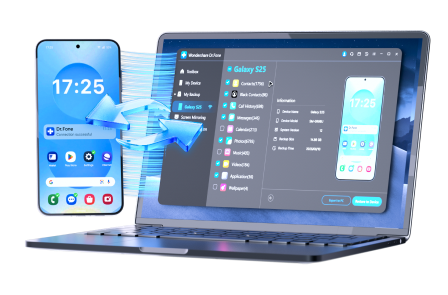
Before applying advanced fixes or considering a full restore to address How to Fix iPhone Wi‑Fi Not Working After an iOS Update, you can use Dr.Fone Basic on your computer to create a fresh backup and keep your important files organized and safe.




Conclusion
Wi‑Fi glitches after an iOS update are stressful, but most can be solved with structured checks. Start by confirming whether the issue is with your router or the phone, then toggle Airplane Mode, restart devices, and forget and rejoin networks. If your iphone wifi not working after ios update across multiple routers, resetting network settings, updating iOS and carrier settings, or resetting all settings often resolves the problem.
When Wi‑Fi remains greyed out or fails everywhere, involve Apple Support to rule out rare iOS bugs or hardware faults. Protecting your data with tools like Dr.Fone Basic or regular backups ensures that, while you focus on How to Fix iPhone Wi‑Fi Not Working After an iOS Update, your important information stays safe.
FAQ
-
1. Why is my iPhone Wi‑Fi not working after an iOS update?
Wi‑Fi problems right after an iOS update usually come from minor software glitches, outdated router or carrier settings, or old Wi‑Fi configurations that do not work well with the new system. Test another device on the same router, restart your iPhone, toggle Airplane Mode, and forget and re-add the network. If the issue persists on multiple networks, reset Network Settings and check for iOS and carrier updates to rule out known Wi‑Fi bugs. -
2. How do I fix Wi‑Fi not connecting on my iPhone after updating iOS?
Begin with simple steps: toggle Airplane Mode, restart the iPhone, and power-cycle your router if you can. Then go to Settings > Wi‑Fi, forget the problematic network, and join it again with the correct password. Disable any VPN or custom DNS, and if the problem remains across different routers, run Reset Network Settings to clear corrupted network data from the previous iOS version. -
3. Why does my iPhone keep dropping Wi‑Fi after the latest iOS update?
Frequent drops can be caused by interference, aggressive Wi‑Fi Assist behavior, buggy router firmware, or network settings that did not transition cleanly to the new iOS. Disable Wi‑Fi Assist in Settings > Cellular, forget and rejoin the network, and move closer to the router to reduce interference. If drops occur on every network, reset Network Settings and install any available iOS or carrier settings updates. -
4. How can I fix a greyed out Wi‑Fi option on iPhone after an iOS update?
First, update to the latest available iOS, then try Reset All Settings from Settings > General > Transfer or Reset iPhone > Reset. If Wi‑Fi is still greyed out and cannot be enabled, and especially if Bluetooth also behaves abnormally, the Wi‑Fi chip may be damaged. Back up your data and contact Apple Support or an authorized service provider for diagnostics and potential hardware repair. -
5. Will resetting Network Settings fix Wi‑Fi problems after an iOS update?
Resetting Network Settings often resolves iphone wifi issues after ios update because it clears corrupted Wi‑Fi, cellular, VPN, and DNS information that carried over from the previous system. It does not remove your photos, apps, or messages, but it will erase saved Wi‑Fi passwords and VPN profiles. If Wi‑Fi still fails on several different networks after this, consider Reset All Settings or contacting Apple Support. -
6. Did the new iOS update break my iPhone Wi‑Fi hardware and how can I tell?
A software bug usually affects specific networks, may improve after resets, and often gets better with minor iOS patches. Hardware issues tend to appear on all networks and persist no matter what settings you change. If your Wi‑Fi toggle is greyed out, Wi‑Fi and Bluetooth both stop working, or none of the methods above help, back up your iPhone and run diagnostics through Apple Support or an Apple Store to check for hardware failure.
 Add Wondershare Dr.Fone as a preferred source on Google