 Effortlessly manage data through preview, delete, export, etc.

 100% Security Verified | No Subscription Required | No Malware

 :
: 
 ChatGPT
 Perplexity
 Gemini
 Claude
 Grok
Grok
When your iPhone suddenly loses Wi‑Fi, Bluetooth, and cellular all at once, it can feel like the device is unusable. Many users search for phrases like "iphone wifi bluetooth cellular all stopped working" and wonder whether the problem is with their carrier, router, iOS, or the phone hardware itself. This guide explains what to check first, how to rule out simple issues, and then walks you through safe but deeper fixes so you can decide whether it is a software problem you can fix at home or a hardware issue that needs repair.
In this article
Before you start
Before changing settings or restoring your iPhone, it helps to confirm what is really broken, rule out external outages, and get your accounts and tools ready. This will save time and reduce the risk of losing important data while troubleshooting all your connections.
Check what exactly is not working
First, confirm whether all wireless connections are truly down or only some of them:
- Look at the status bar for Wi‑Fi, signal bars or dots, and the carrier name.
- Open Settings > Wi‑Fi and Settings > Bluetooth to see if the switches are on, off, or greyed out.
- Try making a phone call, sending an SMS, and opening a web page in Safari.
- Test a Bluetooth accessory (like AirPods) to see if it connects or appears at all.
These checks help you distinguish between a single-network problem and a situation where Wi‑Fi, Bluetooth, and cellular are all failing together.
Rule out carrier and Wi‑Fi outages
Before assuming your iPhone is faulty, make sure the problem is not external:
- Use another phone or computer on the same Wi‑Fi to see if it can get online.
- Insert your SIM into another phone (if available) to check for a signal there.
- Contact your local carrier or check their website/social channels for outage notices.
- Restart your router if only home Wi‑Fi appears affected.
If other devices on the same Wi‑Fi and carrier work perfectly in the same place, the issue is more likely with your iPhone.
Prepare your accounts, passwords, and tools
Some fixes require your Apple ID and may involve backing up or temporarily restoring your device. It is helpful to have these things ready:
- Your Apple ID email and password.
- Approximate iOS version and iPhone model (e.g., iPhone 11 on iOS 16).
- A Lightning or USB‑C cable and a computer with Finder (macOS) or iTunes (Windows).
- Access to another internet connection if Wi‑Fi on the phone will not turn on.
Being prepared cuts down on frustration when you reach steps like updating iOS or restoring the device.
Understand data‑risk before deeper fixes
Most early troubleshooting does not touch your personal data, but deeper methods can. Before you go far:
- Know that toggling Airplane Mode, restarting, and reseating the SIM do not erase data.
- Reset Network Settings removes Wi‑Fi passwords, VPNs, and Bluetooth pairings, but keeps photos, messages, and apps.
- A full restore erases the iPhone and reloads iOS, so you must have a backup first.

Method 1: Basic checks (Airplane Mode, restart, SIM)
This method is best if your iPhone suddenly lost all connections but still responds normally to touch and buttons. These quick checks often restore normal operation when a temporary software or network glitch is to blame.
-
Step 1 Toggle Airplane Mode to refresh all radios
Open Control Center (swipe down from the top‑right on Face ID models, or swipe up from the bottom on models with a Home button). Tap the Airplane Mode icon to turn it on. Wait 15–20 seconds, then tap it again to turn it off. Watch the status bar to see if Wi‑Fi, Bluetooth, and your carrier signal reappear.
-
Step 2 Fully restart your iPhone
Press and hold the Side button plus either Volume button (or just the Top/Side button on older models) until the power slider appears. Slide to power off and wait at least 30 seconds. Then press and hold the Side or Top button again until the Apple logo appears, and check your Wi‑Fi, Bluetooth, and cellular indicators after the reboot.
-
Step 3 Check and reseat your SIM card or eSIM
Use the SIM eject tool or a small pin to open the SIM tray. Remove the SIM, gently wipe it with a soft, dry cloth, reinsert it firmly, and close the tray. If you use an eSIM, go to Settings > Cellular (or Mobile Data) and ensure your plan shows as active. Toggle the line off and back on, then see if your signal returns.
If these steps restore your connections, keep an eye on the device for a while. If everything cuts out again, move on to the more in‑depth fixes below.
Method 2: Network and system fixes in iOS
Use this method when connections are unstable, keep disconnecting, or show errors, but the Wi‑Fi, Bluetooth, and cellular toggles are not permanently greyed out. Here you will clear corrupted network settings and install any updates that may fix bugs affecting your radios.
-
Step 1 Forget problematic Wi‑Fi and reset network settings
Go to Settings > Wi‑Fi, tap the info (i) icon next to your current network, and choose "Forget This Network." Then head to Settings > General > Transfer or Reset iPhone > Reset > Reset Network Settings. Enter your passcode to confirm. The iPhone will restart, and you will need to re-enter Wi‑Fi passwords and reconnect Bluetooth devices afterward.
-
Step 2 Install carrier settings and iOS updates
If possible, connect to a stable Wi‑Fi network or use a computer to share a connection. On your iPhone, go to Settings > General > About and wait a few seconds. If a Carrier Settings Update prompt appears, tap Update. Then go to Settings > General > Software Update and install any available iOS update. Updates often contain important fixes affecting Wi‑Fi, Bluetooth, and mobile networks.
-
Step 3 Verify cellular and Bluetooth options for your region
Go to Settings > Cellular (or Mobile Data) and make sure Cellular Data is turned on. If you use multiple lines or dual SIM, confirm the correct line is enabled for voice and data. Tap Data Options to ensure roaming and data mode settings match your carrier guidance. Then open Settings > Bluetooth and toggle Bluetooth off and on, confirming that your iPhone becomes discoverable and nearby accessories show up correctly.
After these steps, test your phone in different places and with different Wi‑Fi networks and accessories. If all radios still fail together, especially if toggles become greyed out, proceed to deeper recovery steps.
Method 3: Deep recovery and hardware diagnosis
When resets and updates do not help, and especially when toggles are greyed out or missing, you must determine whether the cause is serious software corruption or failing hardware. This method focuses on backing up, cleanly reinstalling iOS, and then deciding if professional repair is required.
-
Step 1 Back up your iPhone before deeper repair
Connect your iPhone to a computer using a Lightning or USB‑C cable. On macOS Catalina or later, open Finder; on Windows or older macOS, open iTunes. Select your device and choose to create a backup, ideally an encrypted one to include health and password data. If your iPhone can still access any network, you can also go to Settings > [your name] > iCloud > iCloud Backup > Back Up Now as an extra safety net.
-
Step 2 Restore iOS to rule out deep software corruption
With your backup completed, keep the iPhone connected to the computer, open Finder or iTunes, select your device, and click "Restore iPhone." This will download and install a fresh copy of iOS and erase the device. When it restarts, set it up temporarily as a new iPhone without restoring your backup yet, and check whether Wi‑Fi, Bluetooth, and cellular now work normally.
-
Step 3 Decide if the issue is hardware and seek repair
If all connections work on a freshly restored, clean device but fail again after you restore your backup, then something in your previous configuration or apps may be causing conflicts. If they still do not work even on a clean setup, especially if Wi‑Fi and Bluetooth are greyed out or the phone shows constant No Service with a good SIM, it likely indicates a hardware fault (such as antenna or logic board damage). At this point, contact Apple Support, book a Genius Bar visit, or see an authorized Apple service provider in your region with your backup ready.
Method comparison: Which fix should you try first?
Different fixes take different amounts of time and carry different levels of risk to your data. Use the table below to prioritize where to start based on your situation.
| Method | What It Does | Difficulty | Time Needed | Risk to Data |
|---|---|---|---|---|
| Basic checks (Airplane Mode, restart, SIM) | Refreshes all radios and ensures your SIM and carrier are not the issue. | Easy | 5–10 minutes | None |
| Network reset and iOS updates | Clears corrupted network settings and installs bug fixes from Apple and your carrier. | Moderate | 15–30 minutes | Low (erases Wi‑Fi/VPN/Bluetooth settings only) |
| Full iOS restore and hardware diagnosis | Reinstalls iOS to rule out serious software corruption and confirms if hardware is failing. | Advanced | 30–90 minutes | Medium to high (device is erased; backup required) |
Common problems and quick fixes
Here are some frequent patterns users see when their iPhone Wi‑Fi, Bluetooth, and cellular all misbehave, and what you can try in each case.
- Wi‑Fi and Bluetooth switches are greyed out, and cellular shows No Service. Force‑restart your iPhone and then, if possible, connect it to a computer to check for and install any pending iOS update. If, after a network reset and even a clean restore, these toggles remain greyed out, you are most likely facing hardware damage and should contact Apple Support or an authorized repair center.
- Connections randomly drop: iPhone Wi‑Fi not working but Bluetooth and cellular also go down and then return. Check if the phone is overheating or in a very thick case that might affect antennas. Remove the case, let it cool, then reset network settings and install available updates. If the issue persists across multiple locations and SIMs, have the device inspected for hardware issues.
- Cellular says No Service, Wi‑Fi works briefly, then Wi‑Fi and Bluetooth also stop responding. Confirm your carrier account is active and there is no local outage. Reseat or replace the SIM and test in another compatible phone if you can. If, after that, all radios gradually fail again, back up your data and book a repair assessment, as this may also indicate failing hardware.
- Wi‑Fi, Bluetooth, and cellular toggles do not respond when tapped. Try changing them directly in Settings instead of Control Center: Settings > Wi‑Fi, Settings > Bluetooth, and Settings > Cellular. If they still do not respond, restart the iPhone and use Reset Network Settings. If nothing changes, consider a full restore and hardware check.
Why Dr.Fone users may find this helpful
When you are working through guides on How to Fix iPhone Wi‑Fi, Bluetooth, and Cellular All Not Working, the main thing you cannot afford is losing your data right before a reset or repair. In addition to iCloud and iTunes/Finder backups, a desktop tool like Dr.Fone Basic can give you more control over what you save and how you move it between devices while you troubleshoot.
With Dr.Fone Basic, you can preview and selectively export data such as contacts, photos, and chat histories from your iPhone to a computer, create complete backups, transfer data between phones, and even mirror your iPhone screen to a PC to manage content more comfortably when network problems interrupt cloud backups. You can learn more or download it from the official Dr.Fone Basic page.
 Easily manage data through preview, delete, export, etc.
- Transfer all data between devices.
- Robust backup solutions for reliable data protection.
- Mirror screens to PC for meetings, teaching, and control.
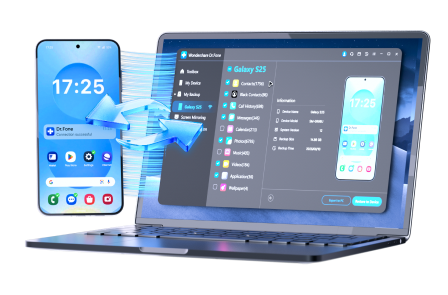
If you are planning to reset network settings, perform a full iOS restore, or send your iPhone for repair because the iphone wifi bluetooth cellular all stopped working, using Dr.Fone Basic to create an extra local backup and organize your data first adds an extra layer of safety.




Conclusion
When your iphone wifi bluetooth cellular all not working issue appears out of nowhere, it usually traces back to either a temporary network glitch, corrupted system settings, or deeper hardware damage. By working methodically through Airplane Mode, restarts, SIM checks, network resets, and finally a clean iOS restore, you can narrow down whether the problem is fixable at home or requires professional repair.
If all radios remain off or greyed out after a full software reset and restore, and other devices on the same carrier and Wi‑Fi behave normally, your iPhone likely has a hardware fault that only Apple or an authorized service provider can properly diagnose. Whatever path you take, always back up your data first and confirm with your local carrier that there is no outage or account issue before assuming the phone itself has failed.
FAQ
-
1. Why did my iPhone Wi‑Fi, Bluetooth, and cellular all stop working at the same time?
When all three radios fail at once, the cause is usually either a major iOS or network settings glitch, a failed update, or hardware damage to the components that control wireless functions. Start by toggling Airplane Mode, restarting the phone, checking the SIM, and resetting network settings. If Wi‑Fi, Bluetooth, and cellular toggles are greyed out or a clean restore does not help, it likely indicates a hardware problem that needs professional repair. -
2. How do I reset network settings when my iPhone Wi‑Fi, Bluetooth, and cellular are not working?
On your iPhone, go to Settings > General > Transfer or Reset iPhone > Reset > Reset Network Settings. Enter your passcode and confirm. The device will restart, and your Wi‑Fi passwords, VPN settings, and Bluetooth pairings will be erased, but your photos, apps, and other personal data will remain intact. After rebooting, reconnect to Wi‑Fi and test cellular and Bluetooth again. -
3. Can an iOS update cause all iPhone connections (Wi‑Fi, Bluetooth, cellular) to stop working?
In rare cases, a failed or partially installed iOS update can corrupt network-related components, leading to all radios misbehaving at once. If this happens after an update, try restarting the iPhone, resetting network settings, and installing any follow‑up patches from Settings > General > Software Update. If the problem started immediately after an update and persists, restoring iOS via a computer can help rule out software corruption. -
4. How do I know if my iPhone has a hardware problem when Wi‑Fi, Bluetooth, and cellular are all not working?
Signs of hardware failure include Wi‑Fi and Bluetooth switches that stay permanently greyed out, a constant No Service message with a known‑good SIM, and no improvement after carrier checks, network resets, and a clean iOS restore. If other devices on the same carrier and Wi‑Fi work fine and your iPhone still cannot enable any of its radios, you should suspect a hardware issue and have the device inspected by Apple or an authorized service provider. -
5. Will resetting or restoring my iPhone fix Wi‑Fi, Bluetooth, and cellular all not working?
Resetting network settings can fix many connection problems related to corrupted Wi‑Fi, cellular, or VPN configurations, while a full restore can repair deeper software issues caused by failed updates or system bugs. However, if Wi‑Fi, Bluetooth, and cellular stay unavailable or greyed out even after you restore iOS and set the device up as new, the root cause is probably hardware-related and not something a reset alone can fix. -
6. What should I try first if my iPhone shows No Service and Wi‑Fi and Bluetooth will not turn on?
Start by toggling Airplane Mode on and off, then perform a full restart of the iPhone. Next, reseat the SIM card or verify your eSIM status, and check with your carrier for any outages or account issues. If Wi‑Fi and Bluetooth switches remain greyed out while cellular shows No Service, back up your data, reset network settings, and attempt an iOS update or restore via computer. If the situation does not improve, contact Apple Support, as this combination strongly suggests a hardware fault.
 Add Wondershare Dr.Fone as a preferred source on Google



