Effortlessly manage data through preview, delete, export, etc.

 100% Security Verified | No Subscription Required | No Malware

 :
: 
 ChatGPT
 Perplexity
 Gemini
 Claude
 Grok
Grok
If you plug your iPhone into a new computer and hit Sync in iTunes, it can wipe the music already on your device. This guide explains how to transfer music from computer to iPhone without iTunes erasing existing tracks, using both Apple tools and simple alternatives so you can safely grow your library without losing songs.
In this article
Before you start
The methods in this guide work worldwide on any iPhone model and on both Windows PCs and Macs. Before you choose a method, it helps to understand what you are transferring and how iTunes syncing behaves so you do not accidentally overwrite your current music.
Check what you want to transfer
Decide which music you actually need to move from your computer to your iPhone. This keeps transfers quick and reduces mistakes.
- Organize your music into folders or playlists (albums, artists, or mixes you care about).
- Confirm the file formats (MP3, AAC, M4A, WAV, FLAC). iPhone works best with MP3 and AAC/M4A.
- Check for duplicates so you are not copying the same songs multiple times.
- Estimate the total size so you can confirm there is enough free space on your iPhone.
Prepare your devices and cables
Good connections and up to date software help avoid failures during transfer.
- Have a reliable Lightning or USB-C cable (original or Apple certified).
- On Windows, install the latest iTunes; on macOS, keep macOS and the Music app/Finder updated.
- Unlock your iPhone and keep the screen on so it can show Trust prompts.
- Make sure your iPhone has enough free storage in Settings > General > iPhone Storage.
Understand how iTunes sync can erase music
By default, iTunes sync links your iPhone to a single computer library. When that connection changes, iTunes may want to erase the phone and replace its contents.
- If your iPhone was synced to a different computer, connecting to a new one can trigger an erase and sync warning.
- Automatic sync can overwrite the music on your iPhone to match the computer library exactly.
- Switching to manual management disables this automatic replacement and lets you drag and drop songs instead.

Pick the method that fits your setup
You can choose between Apple tools and third party options to add music without deleting existing songs.
- iTunes manual management: Best if you are fine using iTunes and the iPhone is already linked to this computer.
- Third party transfer tool: Best if your iPhone and computer libraries differ a lot, or your phone is associated with another computer.
- Wi-Fi transfer apps: Best for sending a small number of songs over wireless, without installing desktop software.
Method 1: Use iTunes manual management to add music safely
This method uses iTunes (or the Music app/Finder on newer macOS) but turns off automatic sync. Instead of syncing the whole library, you will drag specific tracks or playlists to your iPhone.
-
Step 1 Connect your iPhone and disable automatic syncing
Open iTunes on Windows (or iTunes/Music on older macOS), then connect your iPhone with a USB cable. Click the device icon when it appears. Under the Summary or General tab, look for Automatically sync when this iPhone is connected and make sure it is unchecked so iTunes does not start a full sync that could erase songs on your phone.
-
Step 2 Enable manual music management
In the same device settings pane, scroll to the Options section. Check Manually manage music and videos, then click Apply. This tells iTunes not to mirror the entire computer library, but to let you choose exactly which tracks are copied to the iPhone.
-
Step 3 Drag and drop new songs or playlists to your iPhone
Go to your Library view in iTunes and open Songs, Albums, or Playlists. Select the tracks you want to move from the computer, then drag them to your iPhone under Devices in the sidebar. Wait for the transfer indicator to finish. On your iPhone, open the Music app and confirm that your previous songs are still present alongside the new ones.
If your iPhone is still linked to a different computer and iTunes shows a message that it must erase and sync before proceeding, cancel and consider using one of the other methods below to avoid data loss.
Method 2: Transfer music with a third party tool (no iTunes sync)
If you want to transfer music from computer to iPhone without iTunes erasing existing songs or dealing with sync rules, a dedicated transfer tool gives you a simpler, visual way to copy tracks directly.
-
Step 1 Install and open an iPhone data manager on your computer
Download and install a trusted device manager such as Dr.Fone Basic on your Windows PC or Mac. Launch the software and close iTunes so it does not conflict with the connection.
-
Step 2 Connect your iPhone and open the Music management module
Connect your iPhone via USB. Unlock the phone and tap Trust This Computer if prompted, then enter your passcode. In the tool, choose the module that manages media and open the Music section. You should see a list of songs currently stored on your iPhone without anything being erased.
-
Step 3 Add music files or folders from your computer
Click Add or Import in the Music view and browse to the folders where your songs are stored on the computer. Select only the new tracks or albums you want to copy and confirm. The software uploads them directly to the iPhone, preserving the music that is already there.
Because these tools do not rely on the iTunes library for syncing, they are ideal if your iPhone has songs that are not present on the computer or if you have used multiple computers with the same phone.
Method 3: Use Wi-Fi transfer apps instead of iTunes
Wi-Fi transfer apps let you send songs wirelessly from your computer browser to an app on your iPhone. This is handy when you only need to move a few albums or playlists and would prefer not to plug in a cable.
-
Step 1 Install a Wi-Fi music transfer or file manager app
On your iPhone, open the App Store and search for a reputable file manager or Wi-Fi transfer app that can import audio files and play them, or export them to the Files app or Music app when supported. Install the app and grant it permissions for the local network and files.
-
Step 2 Join the same Wi-Fi network on both devices
Connect your iPhone and computer to the same stable Wi-Fi. Open the transfer app on your iPhone and follow the on screen instructions. Most apps provide an IP address or custom URL (for example, http://192.168.x.x or http://appname.local) to open in your computer browser.
-
Step 3 Upload songs from your computer via the browser
On the computer, open the provided URL and use the web interface to add files. Drag and drop songs or select them with a file picker. The files are then sent over Wi-Fi to the iPhone app, leaving the main Music library untouched. After the transfer, you can play the songs in that app or export them to other supported locations on your iPhone.
Because these apps store music within their own sandbox, they do not interfere with what iTunes or the Music app sees, so your existing library is not at risk during transfer.
Method comparison
The three approaches differ in how they handle syncing, risk of deletion, and connection type. Use this overview to choose the right one for your situation.
| Method | Uses iTunes Sync? | Risk of Erasing Existing Songs | Best For | Connection Type |
|---|---|---|---|---|
| iTunes Manual Management | Limited (manual only) | Low if manual options are set correctly | Users who already use iTunes and want finer control | USB |
| Third Party Transfer Tool (e.g. Dr.Fone Basic) | No full library sync | Very low, as it copies files directly | Users who want simple drag and drop without dealing with iTunes rules | USB |
| Wi-Fi Music Transfer Apps | No | Very low, music is stored inside the app | Users who prefer wireless transfer of a small set of songs | Wi-Fi |
Common problems and fixes
If you run into issues while moving music from computer to iPhone, these quick tips can help.
- iTunes wants to erase and sync your iPhone: Cancel the sync request. In device settings, uncheck Automatically sync when this iPhone is connected and check Manually manage music and videos. If the erase warning still appears because the phone is tied to another computer, switch to a third party transfer tool or a Wi-Fi transfer app instead.
- The computer or tool does not recognize the iPhone: Try another USB cable and port, unlock the iPhone, and tap Trust This Computer. On Windows, reinstall Apple Mobile Device Support by reinstalling iTunes. On Mac, install the latest macOS updates. Restart both devices and reconnect.
- Not enough storage on the iPhone: Go to Settings > General > iPhone Storage and remove big items like unused apps, large videos, or old podcasts. Aim to free at least 1–2 GB before adding a lot of music.
- Transferred songs are missing in the Music app: If you used a Wi-Fi transfer or file manager app, open that app to find the songs; they live there by default. Use its export or Open in options if you want them in Files or, where possible, in the Music app. For iTunes or transfer tools, unplug and reconnect the iPhone, then check Music > Library > Downloaded.
Why Dr.Fone users may find this helpful
If you regularly add new tracks from different computers, relying on iTunes alone can feel risky because a wrong sync setting might erase your existing songs. A device manager such as Dr.Fone Basic lets you manage music and other content directly, giving you more confidence that your current library stays intact.
With Dr.Fone Basic, you can browse music stored on your iPhone, select tracks and playlists on your computer, and copy them over with a few clicks while keeping your current songs untouched. It also helps you manage photos, videos, and other data types, export items as backups, and even mirror your phone screen to your computer when needed.
If you often worry about losing music while syncing, using Dr.Fone Basic as your central hub for safe, direct transfers can simplify everyday management of your iPhone library.
 Easily manage data through preview, delete, export, etc.
- Transfer all data between devices.
- Robust backup solutions for reliable data protection.
- Mirror screens to PC for meetings, teaching, and control.
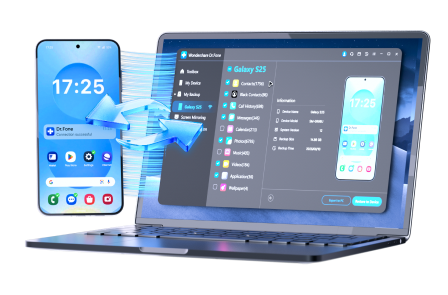
For users who manage music, photos, and more across multiple devices, having this type of one stop tool can reduce the chances of accidental deletion and make transfers more predictable.




Conclusion
You do not have to choose between adding new tracks and preserving the music already on your iPhone. By switching iTunes to manual management, using a direct transfer tool like Dr.Fone Basic, or turning to Wi-Fi transfer apps, you can reliably How to Transfer Music From Computer to iPhone Without iTunes Erasing Existing Songs from your computer while keeping your current playlists and albums intact.
Pick the method that fits your devices and comfort level, always double check which songs are selected before transferring, and avoid confirming any prompts that mention erasing or replacing your iPhone content. With a bit of preparation, you can grow your collection safely and listen to everything you love in one place.
FAQ
-
1. How can I transfer music from my computer to my iPhone without iTunes deleting my existing songs?
To prevent deletion, open iTunes, click your device, and uncheck Automatically sync when this iPhone is connected. Then enable Manually manage music and videos. Now you can drag only the new songs or playlists from your Library onto the iPhone in the sidebar. If iTunes still insists on erasing the phone because it is tied to another computer, cancel and use a third party transfer tool or Wi-Fi transfer app to copy the files directly without a full sync. -
2. Is there a way to add songs to iPhone from PC without syncing the whole iTunes library?
Yes. In the device settings in iTunes, turn off Automatically sync when this iPhone is connected and check Manually manage music and videos. After you apply the change, you can drag and drop individual songs, albums, or playlists from your Library to the iPhone under Devices. This avoids syncing the entire library and helps protect the songs that are already on your phone. -
3. How do I copy music to my iPhone without using iTunes at all and still keep my current tracks?
You can bypass iTunes completely by using a third party device manager such as Dr.Fone Basic or a Wi-Fi music transfer app. These tools connect to your iPhone directly, let you choose music files from your computer, and copy them onto the device without performing a traditional iTunes style sync. Because they do not mirror your computer library, your existing songs and playlists remain untouched. -
4. Can I transfer music from Windows to iPhone without iTunes erasing what is already on the phone?
On Windows, you can either configure iTunes for manual management or use a separate transfer tool. If you stay in iTunes, disable automatic sync and turn on Manually manage music and videos, then drag songs over to the device. If your iPhone was synced with another computer and iTunes warns it must erase it, use a dedicated transfer program instead so you can add songs from Windows without affecting your current library. -
5. What is the safest method to add new music to my iPhone without losing my existing playlists?
The safest options are iTunes manual management or a direct transfer tool that does not run a full sync. Manual management is safe if your iPhone is already associated with this computer and you have disabled automatic sync. A third party transfer tool is safest when your iPhone library differs from the computer library or you have used multiple computers, because it copies tracks directly without overwriting playlists. -
6. How do I change iTunes settings so it does not erase music when I sync new songs to my iPhone?
Connect your iPhone, open iTunes, and click the device icon. Under Summary or General, uncheck Automatically sync when this iPhone is connected and check Manually manage music and videos, then click Apply. From now on, avoid the big Sync button and instead drag only the tracks you want from the Library to your iPhone in the sidebar. This prevents iTunes from trying to mirror and potentially erase the existing music on your device.
 Add Wondershare Dr.Fone as a preferred source on Google