 Effortlessly manage data through preview, delete, export, etc.

 100% Security Verified | No Subscription Required | No Malware

 :
: 
 ChatGPT
 Perplexity
 Gemini
 Claude
 Grok
Grok
If you have ever plugged your iPhone into a new computer and seen iTunes threaten to erase everything, you know how risky old-style syncing can feel. This guide shows you safe ways to transfer music from computer to iPhone without iTunes erasing your existing tracks so you can enjoy your full collection without losing playlists or rare songs.
In this article
Before you start
Before choosing a method, it helps to understand how your iPhone is currently synced, what software you have on your computer, and what risks to avoid so your existing songs stay safe.
Check what you already have on iPhone
Open the Music app on your iPhone and review your Library so you know which albums, playlists, or rare tracks you cannot afford to lose. Also check whether they are downloaded for offline use or streaming via Apple Music, as this can affect how new syncing behaves.
Go to Settings > Music on your iPhone and see whether Sync Library (or iCloud Music Library on older versions) is enabled. This tells you if cloud sync is already managing part of your collection.
Prepare your computer and software
On Windows, install the latest version of iTunes from Apple or the Microsoft Store. On macOS Catalina or later, you will use Finder for device sync and the Music app to manage your library; on macOS Mojave or earlier, you still use iTunes for both.
- Update iTunes or the Music app to the latest version.
- Sign in with your Apple ID if you plan to use Apple Music or Sync Library.
- Install any required device drivers if your iPhone is not detected automatically.
Confirm formats, storage, and cables
Make sure the songs on your computer are in formats that iPhone supports, such as MP3, AAC, ALAC, or WAV. Files like WMA or certain FLAC tracks may need conversion before transfer.
- Check your iPhone storage in Settings > General > iPhone Storage.
- Use a reliable Lightning or USB-C cable (ideally original Apple or certified).
- Plug directly into a main USB port on your computer instead of a hub.
Understand sync risks and backup
The biggest risk when moving music is letting iTunes or Finder sync automatically from a different computer library. That can overwrite or erase what is already on your device.

Once you understand how your iPhone is currently managed and have a backup, you are ready to use one of the safe transfer methods below.
Method 1: Use iTunes or Finder with manual music management
This method keeps you within Apple’s tools while giving you control over which songs move, helping you sync music to iPhone without erasing library content that is already there.
-
Step 1 Connect your iPhone and disable automatic sync
Open iTunes (Windows or macOS Mojave and earlier) or Finder (macOS Catalina and later). Connect your iPhone with a USB cable, unlock the device, and tap Trust when prompted.
In iTunes, click the device icon; in Finder, select your iPhone in the sidebar. On the Summary or General tab, uncheck options like Automatically sync when this iPhone is connected. This prevents automatic actions that might wipe your music.
-
Step 2 Enable manual music management
Still on the device Summary or General page, scroll to the Options section and tick Manually manage music and videos (or the closest equivalent in Finder). Click Apply to save this preference.
If you see a warning that this iPhone is synced with another iTunes library and must be erased to proceed, cancel immediately and move to Method 3, because continuing could wipe your existing library.
-
Step 3 Add songs and playlists by drag and drop
In iTunes or the Music app, go to your library’s Songs, Albums, or Playlists view. Select the music you want to add and drag it onto your iPhone icon in the sidebar, or into the On My Device > Music section.
The selected tracks are copied to your iPhone while other on-device songs remain untouched, as long as the device is tied to this same library and automatic sync is disabled.
-
Step 4 Verify the music on your iPhone
After the transfer completes, open the Music app on your iPhone. Check that the newly added tracks appear in Library and that your older playlists and songs are still present.
If everything looks correct, you can disconnect the cable. Future additions can be done the same way—by dragging only the tracks you want, without triggering a full library sync.
Method 2: Sync with Apple Music or iCloud Music Library
If you subscribe to Apple Music or iTunes Match, you can use cloud sync to mirror your computer library on your iPhone without any cable-based sync that might erase your device.
-
Step 1 Turn on Sync Library on your iPhone
On your iPhone, open Settings > Music and turn on Sync Library (or iCloud Music Library on older iOS versions). Confirm that you are signed in with the same Apple ID you will use on your computer.
This setting lets your iPhone pull content from your cloud music library instead of relying on direct iTunes sync.
-
Step 2 Add computer songs to your Apple Music or iTunes library
On your computer, open the Apple Music app (macOS Catalina and later) or iTunes (Windows and older macOS). Use File > Add to Library and select the folders that hold your music files.
The app imports supported formats and, if you have an active subscription, starts matching or uploading the tracks to your cloud library.
-
Step 3 Let the music sync through the cloud
Keep your computer connected to the internet while songs upload or match. On your iPhone, stay on Wi-Fi or mobile data and keep Sync Library enabled.
After a while, the new songs should appear in the Music app on your iPhone under Library. Tap the cloud download icon beside any track or album you want available offline.
-
Step 4 Protect rare or local-only tracks
For rare, local-only recordings that may not match correctly, confirm they appear in your iPhone library after syncing. If not, you can still use Method 1 or Method 3 to add those specific files directly without affecting the rest of your collection.
This approach is ideal if you want your library mirrored across multiple Apple devices with minimal manual work.
Method 3: Add music with a third-party transfer tool
When your iPhone is already tied to another computer’s iTunes library or you use multiple PCs, a third-party transfer tool lets you copy music directly to the device without changing library pairing or risking an erase.
-
Step 1 Install a dedicated transfer tool
On your Windows PC or Mac, download and install a reputable device manager such as Dr.Fone Basic from the official Wondershare website. Launch the program, connect your iPhone, unlock it, and tap Trust on the phone so the software can access your media.
-
Step 2 View existing music on your iPhone
Open the music or device management module inside the software. It will scan and display the songs and playlists already stored on your iPhone, without needing to sync through iTunes or Finder.
This gives you confidence that your current library is intact before you add anything new.
-
Step 3 Import new tracks from your computer
Use the Add or Import option within the tool to browse to your music folders on the computer. Select tracks, albums, or playlists you want on your iPhone and confirm to start the transfer.
The software copies the files straight into your device’s music database, bypassing iTunes pairing and avoiding erase warnings that would normally appear during a sync.
-
Step 4 Manage and organize as needed
Many tools also let you delete unwanted songs, edit basic tag information, or export selected tracks back to your computer. Use these options to tidy your library without affecting other data on your iPhone.
This method is particularly useful when you see messages that the iPhone is synced with another library and must be erased, but you still want to add more music safely.
Method comparison and common problems
Each option for moving music from computer to iPhone has different strengths. Use the comparison below to pick what best fits how you manage your songs.
| Method | Risk of erasing library | Needs iTunes/Finder | Internet required | Best for |
|---|---|---|---|---|
| Manual management via iTunes/Finder | Low if paired with same library; high if paired with another computer | Users comfortable with iTunes/Finder and one main computer | ||
| Apple Music / iCloud Music Library | Very low; uses cloud syncing instead of cable erase | (Music app or iTunes) | Subscribers who want automatic syncing across devices | |
| Third-party transfer tool (e.g., Dr.Fone Basic) | Very low; adds songs directly without changing library pairing | (except possible drivers) | Users getting erase warnings or using multiple computers |
Common problems and fixes
- Problem: iTunes says the iPhone is synced with another library and must be erased.
Click Cancel instead of Erase. Avoid syncing from that computer’s library. Use manual management only if this is the original library, or switch to a third-party transfer tool to add songs without changing the pairing. - Problem: The computer does not recognize the iPhone.
Try another USB port and cable, unlock the iPhone, and tap Trust when asked. On Windows, update iTunes and Apple Mobile Device USB drivers; on macOS, run any pending system updates, then reconnect. - Problem: Some tracks do not copy.
Verify that the files are in supported formats like MP3, AAC, ALAC, or WAV. Convert incompatible types (for example, WMA) to MP3 or AAC before adding them again. - Problem: Songs disappear after enabling Sync Library.
Ensure the same Apple ID is used on both iPhone and computer, and that Sync Library is enabled in both places. Avoid syncing with multiple unrelated iTunes libraries. If needed, turn Sync Library off and back on, then restore missing songs from your computer or transfer software.
Why Dr.Fone users may find this helpful
If you frequently move between different computers or keep seeing erase warnings in iTunes, a dedicated transfer tool can make it much easier to How to Sync Music to iPhone From a Computer Without Erasing Your Library or disturbing your playlists.
Dr.Fone Basic lets you inspect and manage music already on your iPhone, then add new tracks directly from any supported computer without forcing a traditional iTunes sync. You can preview, export, or remove individual songs and import fresh albums in a few clicks, all while keeping your broader phone data safe through its backup features.
To learn more about what it can do beyond music, you can visit the official Dr.Fone Basic page whenever you are ready.
If tools like iTunes or Finder feel complicated or risky, Dr.Fone Basic offers a more visual, guided way to move music while reducing the chance of accidental erasure.
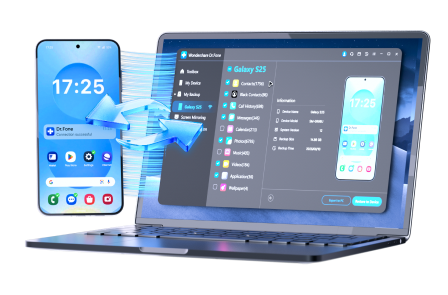
 Easily manage data through preview, delete, export, etc.
- Transfer all data between devices.
- Robust backup solutions for reliable data protection.
- Mirror screens to PC for meetings, teaching, and control.




Conclusion
You no longer have to accept that syncing from a computer might wipe your music. By disabling automatic sync and using manual management, relying on cloud features like Apple Music, or turning to a dedicated transfer tool, you can confidently sync music to iPhone without erasing library data you care about.
For many people—especially those who use several machines—the safest way to transfer music from computer to iPhone without iTunes erasing anything is to combine a clear backup habit with a flexible tool such as Dr.Fone Basic. Choose the method that matches how you listen, keep your backups up to date, and enjoy your full collection on your iPhone wherever you go.
FAQ
-
1. How do I transfer music from my computer to my iPhone without iTunes erasing my existing songs?
First, open iTunes or Finder, select your iPhone, and turn off Automatically sync when this iPhone is connected. Then enable Manually manage music and videos so the computer does not overwrite the device library. If the phone is already paired with a different library and you see an erase warning, cancel and instead use a third-party transfer tool or Apple Music Sync Library to add songs without wiping existing tracks. -
2. Can I add just a few new songs to my iPhone without syncing and deleting my current music library?
Yes. After enabling manual music management in iTunes or Finder, you can drag only the specific songs or playlists you want onto your iPhone icon, which copies them without triggering a full sync. Alternatively, a tool like Dr.Fone Basic lets you import selected tracks directly into the device library while leaving all other music untouched. -
3. How do I stop iTunes from wiping my iPhone when I sync music from my PC?
Disable automatic sync in iTunes by unchecking Automatically sync when this iPhone is connected and turning on Manually manage music and videos. Avoid connecting your iPhone to a new iTunes library and agreeing to any prompt that says it must erase and sync. If you frequently see this message, it is safer to use a transfer tool that does not rely on iTunes pairing. -
4. What is the safest way to copy music from Windows to an iPhone without losing any tracks?
The safest approach is to back up your iPhone first, then either use iTunes with manual management (if this is your main library) or a third-party transfer tool that adds songs directly. These options prevent an automatic overwrite of your existing library. Avoid using the standard Sync Entire Library option from a different computer, as that is most likely to cause data loss. -
5. Is there a way to transfer music to iPhone without iTunes at all and keep my library intact?
Yes. You can use Apple Music or iCloud Music Library to sync via the cloud, or install a third-party program like Dr.Fone Basic to connect to your iPhone and copy songs straight from your PC or Mac. Both methods let you move music without iTunes and without forcing the device to erase and pair with a new library. -
6. How can I manually manage music on my iPhone so iTunes does not automatically erase it during sync?
Connect your iPhone, open iTunes or Finder, go to the device Summary or General page, and check Manually manage music and videos. Click Apply to save. From then on, avoid the automatic Sync button and instead drag specific songs or playlists to your iPhone icon when you want to add content, which keeps iTunes from rewriting the entire music library.
 Add Wondershare Dr.Fone as a preferred source on Google



