Effortlessly manage data through preview, delete, export, etc.

 100% Security Verified | No Subscription Required | No Malware

 :
: 
 ChatGPT
 Perplexity
 Gemini
 Claude
 Grok
Grok
If your iPhone suddenly will not charge right after installing a new iOS version, it is easy to assume the update broke your phone. In reality, most cases of an iphone not charging after ios update are caused by small software glitches, changed charging settings, or a cable or port issue that shows up at the same time as the update. This guide walks you through How to Fix an iPhone Not Charging After an iOS Update with simple checks you can do at home before paying for a repair. Keep in mind that while the basic steps are similar worldwide, chargers, plugs, and Apple Support options can differ by region, so always follow your local electrical and warranty rules.
In this article
Before you start
Before diving into detailed fixes, take a moment to prepare your device, tools, and account information. This will help you quickly narrow down whether the issue is caused by the iOS update, your charger, or a misconfigured setting without risking data loss.
Check your basic charging setup
First, make sure you have more than one way to charge and test your iPhone. Having a second cable, adapter, and power source makes it much easier to tell whether the update or your hardware is at fault.
- A second known-good Lightning or USB-C cable (preferably Apple or MFi-certified).
- A reliable power adapter (Apple or a reputable, properly certified brand).
- Access to a wall outlet instead of a low-power USB port on a laptop or car.
- A small flashlight and soft brush or wooden toothpick to inspect and gently clean the charging port.
Prepare a backup and Apple ID details
Some of the more advanced fixes involve resetting settings or even restoring iOS. These do not have to be risky if you prepare a backup in advance.
- Sign in with your Apple ID and ensure you know the password.
- Connect to a stable Wi-Fi network for possible follow-up iOS updates.
- Create a recent backup via iCloud, Finder, iTunes, or a trusted desktop tool before resetting anything.
- Keep your computer and USB cable nearby in case you need to restore through Finder or iTunes.
Understand new iOS charging behaviors
Recent iOS versions include smarter battery features that may make it look like your iPhone is not charging correctly, even though it is working as designed.
- Optimized Battery Charging may pause charging around 80% until you typically unplug your phone.
- Clean Energy Charging can delay charging at certain times based on your local energy grid.
- Temperature protections can slow or temporarily stop charging if the device gets too warm.
Safety and regional considerations
Charging safely is critical, and standards differ across countries and regions, so use accessories that comply with local regulations.
- Only use chargers and adapters that meet your region's voltage and safety standards.
- Avoid damaged cables, loose adapters, or wobbly outlets that can cause overheating.
- Check your local Apple Support site for region-specific warranty and repair options before arranging service.

Method 1: Rule out hardware problems with cables, adapter, port, and power source
If your iPhone stopped charging immediately after an iOS update, it is tempting to assume the software is at fault. However, cables and ports fail frequently, and a hardware issue can easily appear at the same time as an update. Start by ruling out simple physical problems.
-
Step 1 Test with another certified cable and power adapter
Disconnect your current charging setup. Plug a different Apple or MFi-certified cable and power adapter directly into a wall outlet. Avoid power strips, extension cords, and USB ports on laptops or cars. If your iPhone now charges normally, the original cable or adapter is likely failing, and the iOS update was only a coincidence.
-
Step 2 Inspect and gently clean the iPhone charging port
Use a flashlight to look inside the Lightning or USB-C port. Dust, lint, or pocket debris can prevent a snug connection and trigger an iphone charging issue after ios update even though the cause is physical. Power the phone off, then gently loosen and remove debris with a soft, dry brush or wooden toothpick. Do not use metal objects or compressed air cans held too close to the port.
-
Step 3 Try different outlets and avoid low-power USB ports
Connect your known-good charger to two or more different wall outlets in your home or office. Some older outlets or power strips may not deliver stable current. Also avoid weaker USB ports on computers, keyboards, or cars, which can be even more sensitive after new iOS power management changes.
If your iPhone charges consistently with a different cable, adapter, or outlet, your hardware is the culprit and you may not need any software changes. However, if the issue persists across multiple setups, move on to adjusting software settings and restarting the device.
Method 2: Adjust iOS charging settings and perform a force restart
When the iPhone and charger hardware check out, the next step is to clear minor software glitches and temporarily disable charging optimizations that may be confusing after a system update. This can help with issues like slow charging, charging that stops at 80%, or an iPhone that only charges intermittently.
-
Step 1 Force restart your iPhone to clear minor update glitches
On iPhones with Face ID, quickly press and release Volume Up, then Volume Down, then press and hold the Side button until the Apple logo appears, then release. On models with a Home button, press and hold the Home and Power buttons together until you see the Apple logo. This type of restart does not erase data but can resolve temporary software conflicts that cause an iphone not charging after updating ios.
-
Step 2 Turn off Optimized Battery Charging and Clean Energy Charging temporarily
Go to Settings > Battery > Battery Health & Charging. Toggle off Optimized Battery Charging and Clean Energy Charging for now. These features can pause charging based on your routine or local grid conditions. After an iOS update, they may behave differently than before, making it feel like your iphone wont charge after ios update even though charging is simply being delayed.
-
Step 3 Disable USB Restricted Mode for accessories, if needed
If you charge via certain docks, cars, or hubs, go to Settings > Face ID & Passcode (or Touch ID & Passcode), enter your passcode, and scroll down to USB Accessories. Enable USB Accessories if you rely on these charging setups. While this setting mainly affects data, some accessories behave unpredictably when it is off after a new iOS update.
After making these changes, try charging your iPhone again for at least 15–20 minutes from a wall outlet. If the device charges normally, you can later turn Optimized Battery Charging back on to protect long-term battery health.
Method 3: Update iOS again, reset all settings, or restore system
If you still have an iphone stopped charging after ios update problem after checking hardware and tweaking settings, the next step is to refresh the system software. Apple often releases follow-up updates and bug fixes, and resetting settings can clear hidden conflicts that started during the initial update.
-
Step 1 Install the latest iOS bug-fix update
Connect your iPhone to Wi-Fi and, if possible, plug it into the most reliable charger you have. Go to Settings > General > Software Update and install any new version that appears. Minor updates frequently address power management or charging issues without being heavily advertised, and they can resolve an iphone charging issue after ios update.
-
Step 2 Reset all settings to clear configuration conflicts
Back up your iPhone first. Then go to Settings > General > Transfer or Reset iPhone > Reset > Reset All Settings. This reverts Wi-Fi, Bluetooth, VPN, privacy, and general system preferences without deleting apps or personal data. If the ios update caused iphone not to charge properly due to a settings conflict, this step often fixes it.
-
Step 3 Back up and perform a full system restore if nothing else works
If charging is still unreliable, create a fresh backup via iCloud, Finder, iTunes, or a trusted desktop solution. Then connect the iPhone to your computer, open Finder (macOS Catalina or later) or iTunes (Windows or older macOS), select your device, and choose Restore iPhone. This downloads and reinstalls iOS from scratch. Once complete, test charging on the clean system before restoring your backup. If charging works on a clean install and fails again after restoring data, the issue is likely software-related.
If a full restore does not improve charging at all, you are most likely dealing with a hardware problem such as a worn battery, damaged charging port, or internal power management component. In that case, back up your data and arrange an inspection with Apple or an authorized service provider.
Method comparison and common problems
To help you decide which approach to try and when, the table below compares the main methods covered above. Then you will find quick troubleshooting tips for symptoms that frequently appear after an iOS update.
| Method | Best For | Difficulty | Risk of Data Loss | When to Try |
|---|---|---|---|---|
| Hardware checks (cable, adapter, port, outlet) | Most users with an iphone not charging after ios update and no visible error messages | Easy | None | First, before changing any settings or restoring iOS |
| Force restart and tweak charging settings | Users whose iPhone charges slowly, stops at 80%, or only charges when off | Easy | None | After confirming that cable, adapter, and outlet are working |
| Update iOS again, reset settings, or restore system | Persistent issues that did not improve with basic checks and restarts | Medium | Low to Medium (depending on whether you restore iOS) | After backing up, before visiting Apple Support for hardware repair |
Common problems and quick fixes
- iPhone only charges when turned off after an iOS update: This often indicates a background process or software conflict. Force restart the device, temporarily disable Optimized Battery Charging and Clean Energy Charging, and check for another iOS update. If it continues, perform Reset All Settings and test again.
- iPhone stops charging at exactly 80% after updating iOS: This is usually Optimized Battery Charging or heat protection. Go to Settings > Battery > Battery Health & Charging and turn off Optimized Battery Charging to test. Ensure your phone is not overheating, and avoid charging under a pillow or in direct sunlight.
- iPhone not detected or charging when connected to a computer: Try a different USB port on the computer, a new cable, and avoid USB hubs. Update iTunes or macOS, tap Trust This Computer on the iPhone, and clean the charging port. If wall charging works but computer charging does not, the issue is likely with the computer or its USB power.
- Accessory not supported message after iOS update: This usually points to a non-certified or failing charger. Replace it with an Apple or MFi-certified accessory and clean the port. If the message appears even with certified accessories, your port or internal circuitry may be damaged and needs Apple Support.
Why Dr.Fone users may find this helpful
If you plan to reset settings or fully restore iOS while working through How to Fix an iPhone Not Charging After an iOS Update, protecting your data first is essential. A desktop tool like Dr.Fone Basic can help you manage, transfer, and back up important photos, messages, and app data before you make deeper changes to your system.
With Dr.Fone Basic installed on your computer, you can quickly back up your iPhone, preview and export only the files you care about, and move data between devices. This is especially useful when your charging is unreliable and you want to minimize how long the iPhone stays connected to a cable while still securing your information. You can learn more or download Dr.Fone Basic from the official site at Dr.Fone Basic.
 Easily manage data through preview, delete, export, etc.
- Transfer all data between devices.
- Robust backup solutions for reliable data protection.
- Mirror screens to PC for meetings, teaching, and control.
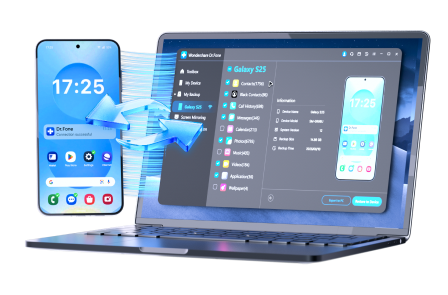
Using a dedicated backup and transfer tool alongside Apple's own options gives you extra peace of mind: if you need to reset all settings or perform a full restore to fix charging, your personal data is already safely copied elsewhere.




Conclusion
When your iPhone suddenly refuses to charge right after installing a new iOS version, it is stressful but rarely a permanent failure. By testing another cable, adapter, and outlet, cleaning the port, changing battery settings, force restarting, and installing follow-up updates, most users can resolve an iphone not charging after ios update issue at home. Always back up your data before resetting settings or restoring iOS, and use tools like Dr.Fone Basic if you want extra control over what gets backed up. If none of these steps to How to Fix an iPhone Not Charging After an iOS Update help, contact your local Apple Support or an authorized service provider to check for underlying hardware damage.
FAQ
-
1. Why did my iPhone stop charging after an iOS update?
In most cases, an iphone stopped charging after ios update is caused by a combination of factors: an aging or damaged cable, debris in the charging port, or stricter power management in the new iOS version. The update itself rarely damages hardware, but it may expose problems with marginal accessories or highlight settings such as Optimized Battery Charging that you did not notice before. -
2. How do I fix an iPhone that will not charge after updating to the latest iOS?
Start by trying another certified cable, power adapter, and wall outlet, and gently clean the charging port. Next, force restart your iPhone and temporarily turn off Optimized Battery Charging and Clean Energy Charging in Settings > Battery. Install any follow-up iOS updates and, if needed, use Reset All Settings. If the iphone not charging after updating ios problem continues, back up the device, perform a full restore through Finder or iTunes, or seek help from Apple Support. -
3. Can an iOS update permanently damage my iPhone battery or charging port?
An iOS update itself does not physically damage the charging port or battery. However, updated power management rules can make an already weak battery, worn cable, or dirty port more obvious. If you have tried certified chargers, cleaned the port, updated iOS again, and followed software fixes for an iphone not charging after ios update without success, it is likely that hardware has degraded over time and needs professional service. -
4. Why does my iPhone only charge when turned off after an iOS update?
If your iPhone charges only while powered off, software conflicts or background processes may be preventing proper charging while the system is running. Force restart the phone, temporarily disable Optimized Battery Charging and Clean Energy Charging, and install any pending iOS updates. If the issue continues, perform Reset All Settings and test again. Persistent problems after these steps can indicate a hardware issue that requires Apple Support. -
5. What settings should I change if my iPhone is not charging after iOS 17?
Go to Settings > Battery > Battery Health & Charging and turn off Optimized Battery Charging and Clean Energy Charging to see if they are slowing or pausing charging. Then, in Settings > Face ID & Passcode (or Touch ID & Passcode), enable USB Accessories if you charge through docks or cars. If problems remain, consider using Reset All Settings in Settings > General > Transfer or Reset iPhone > Reset. -
6. When should I contact Apple Support if my iPhone still will not charge after an iOS update?
Contact Apple Support or visit an authorized service provider if your iPhone does not charge with multiple certified cables and adapters, after cleaning the port, force restarting, installing follow-up updates, and trying Reset All Settings or a full restore. Also seek help quickly if you notice physical damage, overheating, a burning smell, or visible corrosion in the charging port.
 Add Wondershare Dr.Fone as a preferred source on Google