 Effortlessly manage data through preview, delete, export, etc.

 100% Security Verified | No Subscription Required | No Malware

 :
: 
 ChatGPT
 Perplexity
 Gemini
 Claude
 Grok
Grok
If your data plan is disappearing faster than ever and your iphone using too much cellular data is triggering overage alerts, you are not alone. In this guide, we will walk you through How to Stop Your iPhone From Using Too Much Cellular Data using clear iOS settings so you can quickly spot the worst offenders, limit them, and keep essential apps online without wasting mobile data.
In this article
- Before you start
- Method 1: Check per‑app usage and disable nonessential cellular access
- Method 2: Use system settings to cap background and high‑data features
- Method 3: Tweak in‑app streaming settings and use carrier monitoring
- Method comparison and common problems
- Why Dr.Fone users may find this helpful
- Conclusion
Before you start
Before changing any settings, it helps to understand your iPhone, your data plan, and which types of activity usually consume the most data. This preparation will make the later methods faster and more effective.
Check your iOS version and device
The steps in this guide work on modern iPhones worldwide, ideally running iOS 15 or later. While menu names are similar on slightly older versions, having an up-to-date system ensures you see options like Low Data Mode and the latest Cellular or Mobile Data layout.
- Open Settings > General > About to confirm your iOS version.
- If needed, go to Settings > General > Software Update and install any available update over Wi-Fi.
- Have your device unlocked so you can change settings as you go.
Know your carrier plan and billing cycle
To truly fix an iPhone using too much cellular data issue, you need to align your iPhone statistics with your carrier plan.
- Check your total monthly data allowance and whether you have rollover or hard caps.
- Note the date your billing cycle starts each month.
- Install your carrier app or sign in to your carrier account to see live usage and alerts.
Later, you can reset iPhone data statistics on the same day your billing cycle starts so both numbers match more closely.
Prepare Wi-Fi, passwords, and backups
Many of the changes below push heavy activity onto Wi-Fi instead of cellular, so a reliable Wi-Fi connection is important.
- Make sure you know the password for your home or work Wi-Fi networks.
- Whenever possible, connect to trusted Wi-Fi before large downloads, streaming sessions, or backups.
- Consider running an iCloud or computer backup now, while on Wi-Fi and power, so you do not need surprise backups over cellular later.
Understand regional label differences
Depending on your country or carrier, iOS might label mobile data settings slightly differently.
- In some regions, Settings > Cellular is labeled Settings > Mobile Data.
- Dual-SIM or eSIM devices may show multiple lines; you will need to manage each line separately.
- Roaming data can be much more expensive, so travelers should be extra strict with their settings.

Method 1: Check per-app usage and disable nonessential cellular access
Start by identifying exactly which apps are consuming the most data and then blocking cellular access for anything nonessential. This alone can drastically reduce unexpected usage.
-
Step 1 Open the Cellular or Mobile Data usage screen
On your iPhone, go to Settings > Cellular (or Mobile Data). Scroll down past the main Cellular Data toggle until you see the list of installed apps, each with a data usage amount underneath its name. This list shows usage for the current period, not just today.
-
Step 2 Identify data-hungry apps by usage amount
Look at the numbers next to each app name; higher numbers mean those apps are responsible for more of your mobile consumption. Social media, short-video platforms, streaming services, cloud storage, and navigation apps usually appear at the top.
If you are unsure, scroll to the bottom and check when the statistics were last reset. You can tap Reset Statistics to start fresh on your carrier billing date and monitor usage over the next few days.
-
Step 3 Disable cellular data for nonessential apps
For any app you do not need outside Wi-Fi, toggle its switch off. When disabled, that app cannot use cellular data in the foreground or background; it will only work when you are on Wi-Fi.
- Leave cellular enabled for critical services like messaging, maps, and email if you rely on them on the go.
- Disable it for games, large cloud drives, secondary social apps, and heavy media apps you can live without on mobile data.
Revisit this screen any time you notice a spike to quickly shut down new offenders.
Method 2: Use system settings to cap background and high-data features
Next, change a few global iOS settings so your iPhone automatically avoids wasteful background and high-data activities on mobile networks.
-
Step 1 Enable Low Data Mode for your cellular plan
Go to Settings > Cellular > Cellular Data Options (or Mobile Data Options) and switch on Low Data Mode. This tells iOS to reduce network usage by pausing some automatic updates, background tasks, and large transfers over cellular.
On dual-SIM or eSIM devices, repeat this for each active cellular line so all of them respect Low Data Mode.
-
Step 2 Turn off Wi-Fi Assist and restrict Background App Refresh
Still in Settings > Cellular, scroll to the bottom and turn off Wi-Fi Assist. With Wi-Fi Assist disabled, your iPhone will not silently fall back to cellular when Wi-Fi is weak or momentarily unstable, which often causes hidden data spikes.
Then go to Settings > General > Background App Refresh. Choose either Off to completely stop background refresh or Wi-Fi to allow background activity only when connected to Wi-Fi. Both options significantly reduce background data usage.
-
Step 3 Limit iCloud, Photos, and App Store data usage
Large uploads and downloads from system services can burn through gigabytes quickly if they use cellular. Adjust these areas:
- Photos: Go to Settings > Photos > Cellular Data and turn off Cellular Data or at least disable Unlimited Updates, so iCloud Photos does not upload huge libraries over mobile networks.
- iCloud Drive: Open Settings > [your name] > iCloud > iCloud Drive and turn off Use Cellular Data to keep document syncing on Wi-Fi only.
- App Store: In Settings > App Store, disable App Downloads and Automatic Updates over Cellular or set them to Wi-Fi only so apps and system content update only when you are on Wi-Fi.
Method 3: Tweak in-app streaming settings and use carrier monitoring
Many streaming and social apps have their own data saver controls that override system-level settings. Adjusting these, then combining them with carrier alerts, gives you fine-grained control over data usage.
-
Step 1 Turn off video autoplay and reduce streaming quality
Open your most-used media apps such as YouTube, Netflix, TikTok, Instagram, Facebook, or similar platforms. In each app, find the settings, cellular data, or playback section and:
- Disable video autoplay on cellular or everywhere if possible.
- Choose a lower video quality when using mobile data.
- Enable options labeled Data Saver, Low Data, or Reduce Data Usage.
These changes can cut data used by video streaming dramatically while still letting you watch content on the go.
-
Step 2 Prevent maps, email, and cloud apps from over-syncing
For navigation apps, download offline maps over Wi-Fi before trips so you use less live map data. In email apps, consider reducing sync frequency or limiting automatic download of large attachments to Wi-Fi only.
Cloud storage apps (like Google Drive, Dropbox, or OneDrive) often have settings to restrict uploads or large file sync to Wi-Fi. Turning these on helps avoid surprise uploads over cellular.
-
Step 3 Use carrier apps and alerts to monitor your data
Install your carrier app or log in via browser to view precise usage and enable alerts. Most carriers let you:
- Set text or app notifications at 50%, 75%, and 90% of your monthly limit.
- View which days or sessions used the most data.
- Sometimes apply temporary caps or slowdowns once you reach a threshold.
If you see suspicious spikes, revisit your iPhone cellular data usage settings and in-app controls for anything you recently installed or updated.
Method comparison and common problems
The three methods above work best when combined. Here is how they compare, followed by quick fixes for common issues you might encounter.
| Method | What It Does | Best For | Data Savings Impact |
|---|---|---|---|
| Per-App Cellular Data Control (Method 1) | Blocks cellular access for selected apps while still allowing them on Wi-Fi. | Users who want to quickly stop a few apps from burning data. | High, especially if you disable social and video apps on cellular. |
| System-Level Data Limits (Method 2) | Uses Low Data Mode, disables Wi-Fi Assist, and limits iCloud/App Store on cellular. | Users who prefer automatic protection without daily micromanagement. | High, with broad impact across system services and background tasks. |
| In-App Data Saver + Carrier Monitoring (Method 3) | Reduces quality/autoplay in apps and enables carrier data alerts or caps. | Heavy streamers, travelers, or users on tight data plans. | Medium to very high, depending on how much you stream on cellular. |
Common problems and quick fixes
- iPhone still uses too much data after disabling some apps: In Settings > Cellular, tap System Services to see if iCloud, Push Notifications, or other services are consuming data. Turn off Wi-Fi Assist, enable Low Data Mode, and restrict iCloud Drive and Photos from using cellular.
- Cannot find the Cellular or Mobile Data usage screen: Look under Settings > Cellular or Settings > Mobile Data. On dual-SIM or eSIM phones, tap the active line first to see its options and usage list.
- Apps auto-play videos in HD despite Low Data Mode: Adjust each app’s settings directly; Low Data Mode cannot override an app that is set to autoplay or stream in HD on cellular.
- Carrier shows more data than your iPhone: Reset iPhone statistics on the day your billing cycle starts and compare over one full cycle. Carriers may also count some overhead or network management traffic that iOS does not show app by app.
Why Dr.Fone users may find this helpful
Once you get a handle on How to Stop Your iPhone From Using Too Much Cellular Data, it is a good moment to clean up and organize the data stored on the device itself. Managing large media, chats, and backups over Wi-Fi or via a computer helps you avoid huge cellular transfers and keeps your iPhone running smoothly.
With a desktop helper like Dr.Fone Basic, you can connect your iPhone to a computer over USB, preview big files, and move or remove them without touching your mobile data allowance.
 Easily manage data through preview, delete, export, etc.
- Transfer all data between devices.
- Robust backup solutions for reliable data protection.
- Mirror screens to PC for meetings, teaching, and control.
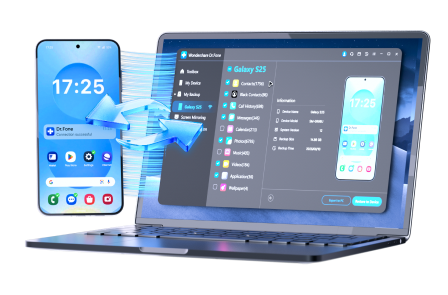
By handling large transfers and backups through Dr.Fone Basic on your computer instead of over cellular, you complement all the iOS data-saving settings in this guide and reduce the risk of surprise charges each month.
If you prefer a safer, more controlled way to organize iPhone data without relying on mobile networks, consider trying Dr.Fone Basic on your computer so you can manage backups and heavy media locally before your next billing cycle.




Conclusion
When your iPhone using too much cellular data starts to threaten your monthly budget, the solution is usually a handful of smart settings, not an expensive new plan. By checking per-app usage, turning off cellular for nonessential apps, enabling Low Data Mode, disabling Wi-Fi Assist, tightening Background App Refresh, and taming streaming, iCloud, and App Store behavior, you take direct control of how much data your iPhone can consume.
Combine these habits with regular carrier monitoring and, when needed, local management of large files via your computer, and you can keep your iPhone fully useful on the go without worrying about surprise overages every billing cycle.
FAQ
-
1. Why is my iPhone using so much cellular data all of a sudden?
A sudden spike usually comes from a new or recently updated app, more video streaming than usual, or a system feature like Wi-Fi Assist or Background App Refresh using more data. Open Settings > Cellular (or Mobile Data) and check which apps are at the top of the usage list. Turn off cellular for any nonessential apps, disable Wi-Fi Assist, and make sure iCloud Photos, iCloud Drive, and App Store downloads are set to use Wi-Fi only. -
2. How do I stop background apps from using cellular data on my iPhone?
Go to Settings > Cellular and scroll through the app list, toggling off Cellular Data for apps you do not need on mobile networks. Then, open Settings > General > Background App Refresh and set it to Wi-Fi or Off. This prevents apps from refreshing content in the background over cellular, which is a common source of hidden data usage. -
3. Which iPhone settings should I turn off to reduce cellular data usage?
For the biggest impact, enable Low Data Mode under Settings > Cellular > Cellular Data Options, turn off Wi-Fi Assist at the bottom of Settings > Cellular, restrict Background App Refresh to Wi-Fi or Off, and block cellular access for nonessential apps in the Cellular list. Also limit iCloud Photos, iCloud Drive, and App Store automatic downloads to Wi-Fi only. -
4. How can I see which apps are using the most mobile data on my iPhone?
Open Settings > Cellular (or Mobile Data) and scroll down to the list of apps. Under each app name you will see how much cellular data it has used in the current period. To get a clearer picture, tap Reset Statistics at the bottom on the same day your carrier billing cycle starts, then review the list again after a few days or weeks. -
5. How do I stop my iPhone from using cellular data when Wi-Fi is available?
First, make sure you are connected to a trusted Wi-Fi network whenever possible and that Wi-Fi is turned on. Then, turn off Wi-Fi Assist in Settings > Cellular so your iPhone does not automatically switch to cellular when Wi-Fi is weak. You can also restrict certain apps to Wi-Fi only by disabling their cellular access in the same Cellular settings screen. -
6. Can I completely turn off cellular data for specific apps on my iPhone?
Yes. Go to Settings > Cellular (or Mobile Data) and scroll down to the app list. Toggle off the switch next to any app you want to block from using cellular. That app will still function normally on Wi-Fi but will not be able to use mobile data at all, which is an effective way to limit iPhone cellular data per app.
 Add Wondershare Dr.Fone as a preferred source on Google



