 Effortlessly manage data through preview, delete, export, etc.

 100% Security Verified | No Subscription Required | No Malware

 :
: 
 ChatGPT
 Perplexity
 Gemini
 Claude
 Grok
Grok
If your iPhone suddenly shows No Service or Searching right after an iOS update, you are not alone. This guide walks you through practical ways on How to Fix iPhone No Service After an iOS Update so you can quickly restore calls, SMS, and mobile data at home. You will learn simple checks, SIM and network tweaks, and deeper software fixes to resolve typical iphone no service after update issues safely.
In this article
Before you start
Before diving into fixes, it helps to rule out simple causes and prepare what you need. Because No Service behavior can vary by country, carrier, and whether you use a physical SIM or eSIM, spend a moment on these checks so later steps are easier and safer.
Check carrier and regional network status
First, make sure the problem is not a broader outage:
- Use another phone or your carrier website/social channels to see if there is a local outage.
- If other people nearby on the same carrier have no signal, wait for the carrier to restore service.
- Check your carrier’s status or support page for any notices related to the latest iOS version.
Only continue with device-level troubleshooting if your carrier confirms that service in your area should be working normally.
Prepare Wi-Fi, Apple ID, and basic info
Many fixes require an internet connection and some account details:
- Connect your iPhone to a stable Wi-Fi network so you can download carrier settings or updates.
- Keep your Apple ID and device passcode ready to approve changes.
- Have your carrier account login details nearby in case you need to check billing or plan status.
Know your SIM, eSIM, and roaming setup
How you connect to mobile networks influences which steps matter most:
- Identify whether you use a physical SIM, eSIM, or dual-SIM (one or both lines as eSIM).
- If you recently traveled or are roaming, review your roaming options and limits in your carrier plan.
- For MVNO or regional carriers, remember that plan rules and SIM provisioning may delay network reconnection after an iOS update.
Understand data safety while troubleshooting
Most of the methods in this guide do not erase your personal data. However, deeper software repairs can, depending on how they are done.
- Simple actions like toggling Airplane Mode, restarting, or installing carrier settings updates are completely safe for your data.
- Reset Network Settings clears saved Wi-Fi passwords, VPNs, and network preferences, but not photos, apps, or messages.
- Full iOS restores may erase content if you choose not to keep data, so always back up before advanced repairs.

Method 1: Try quick network fixes on your iPhone
This method is best if your iPhone shows No Service or Searching immediately after the iOS update while Wi-Fi still works. These fast checks often restore normal signal without changing any deeper settings.
-
Step 1 Toggle Airplane Mode and restart your iPhone
Open Control Center and tap the Airplane icon to turn Airplane Mode on. Wait 10–15 seconds, then turn it off again so the device re-registers with the cellular network. Next, restart your iPhone: hold the Side button (and either Volume button on newer models), slide to power off, wait about 30 seconds, and then power it back on.
-
Step 2 Check cellular settings and data options
Go to Settings > Cellular (or Mobile Data) and ensure Cellular Data is enabled. If you have multiple lines or eSIMs, confirm the correct line is turned on and set for Voice and Data. Under Cellular Data Options, enable Data Roaming if you are traveling and your plan supports it.
-
Step 3 Install carrier settings updates if available
Connect to Wi-Fi, then open Settings > General > About and wait 10–20 seconds. If a carrier settings update is available, a prompt appears. Tap Update to install it so your iPhone uses the latest network configuration that matches the new iOS version.
These actions do not erase personal data and are safe to try as soon as you notice No Service after updating iOS. If you briefly see your carrier name and bars but it quickly returns to No Service or Searching, move on to the next method.
Method 2: Check SIM or eSIM and reset network settings
If your iPhone lost signal after the update and the quick fixes did not help, the issue might involve your physical SIM, eSIM profile, or corrupted network settings. This method addresses those possibilities.
-
Step 1 Inspect and reseat your physical SIM card
Power off your iPhone completely. Use a SIM ejector tool or small paperclip to remove the SIM tray. Check the SIM and tray for dust or debris and gently wipe them with a soft, dry cloth. Place the SIM back into the tray carefully and ensure it sits flat, then slide the tray back into the phone and turn it on to see if the carrier signal returns.
-
Step 2 Verify and re-add your eSIM if needed
If you use eSIM, go to Settings > Cellular and confirm that your eSIM plan appears and is enabled. If it shows an error, cannot be activated, or disappeared after the iOS update, contact your carrier to obtain a new eSIM QR code or activation details. Tap Add eSIM or Add Cellular Plan and follow the on-screen instructions to set it up again.
-
Step 3 Reset network settings to clear old configurations
Open Settings > General > Transfer or Reset iPhone > Reset > Reset Network Settings. Enter your passcode if prompted and confirm. Your iPhone will reboot and clear saved Wi-Fi networks, VPN profiles, and network-related preferences. After it restarts, reconnect to Wi-Fi, check Cellular settings, and see whether the device now connects to your carrier.
Reset Network Settings affects only connectivity preferences: Wi-Fi passwords, VPNs, paired APNs, and similar data. It does not delete your apps, photos, or messages. If No Service persists with multiple SIMs or eSIMs and in different locations, there may be deeper software or hardware faults to investigate.
Method 3: Repair iOS and escalate to support
Sometimes, the iOS update itself may not have installed cleanly, especially if the process was interrupted or the device had low storage. This can interfere with cellular services. Use this method to repair iOS and then decide when to involve your carrier or Apple Support.
-
Step 1 Check for regional outages and account issues
Before changing software again, confirm with your carrier that everything on their side is working. Using another device or a computer, log in to your carrier account to verify that your plan is active, your bill is paid, and there are no temporary suspensions or SIM restrictions. Ask support or check their status page for any known issues with the latest iOS version in your country or on your specific network band (4G/5G).
-
Step 2 Repair or reinstall iOS using a computer
Connect your iPhone to a Windows PC with iTunes installed or a Mac with Finder. After your device is detected, choose Check for Update first to ensure you are on the very latest build of your iOS version. If the No Service issue remains, use Restore or a dedicated iOS repair workflow to reinstall the system software, which can fix corrupted network services that arose during the original update. Always make a backup before restoring.
-
Step 3 Contact your carrier and Apple Support
If you still see No Service after repairing iOS, contact your carrier again to review SIM or eSIM provisioning, especially for roaming or MVNO plans. Ask whether they see your device attached to the network. If everything looks normal on their side, schedule an Apple Support appointment or visit an authorized service center so they can test baseband, antenna, or other hardware components that control cellular connectivity.
Avoid running repeated full restores if your carrier confirms that your line is healthy, as persistent No Service across different SIMs and locations is often a hardware or deeper configuration issue that requires professional tools to diagnose.
Method comparison and common problems
This section compares the main approaches you can use to fix No Service after an iOS update and summarizes how to handle common scenarios.
| Method | Best For | Data Loss Risk | Difficulty | When to Try It |
|---|---|---|---|---|
| Quick Network Fixes (Airplane Mode, restart, carrier update) | Minor glitches right after update; Wi-Fi still fine | None | Easy | First 5–10 minutes of troubleshooting |
| SIM/eSIM Checks + Reset Network Settings | Suspected SIM, eSIM, or corrupted network settings | Low (Wi-Fi/VPN settings reset only) | Medium | If quick fixes do not restore service |
| iOS Repair via Computer + Support | Persistent No Service on all SIMs and locations | Medium to High (depending on restore method and backup) | Advanced | If other methods fail and carrier rules out account issues |
Common problems and quick fixes
- Problem: iPhone says No Service after update but Wi-Fi works and others on same carrier have signal.
Fix: Toggle Airplane Mode, restart, and install any carrier settings update via Settings > General > About. Then confirm in Settings > Cellular that your line and mobile data are enabled. - Problem: No Service appears only with a specific SIM or eSIM profile.
Fix: Reseat the physical SIM or delete and re-add the specific eSIM using fresh activation details from your carrier. If possible, test with another SIM to see if the issue follows the card or stays with the phone. - Problem: No Service after iOS update in one country but not another.
Fix: Check that Data Roaming is on and your plan supports international roaming. Ask the local carrier whether updated carrier settings or a new SIM/eSIM profile are required for the latest iOS version and local 4G/5G bands. - Problem: iPhone lost signal after update and constantly switches between Searching and No Service.
Fix: First Reset Network Settings, then, if the loop continues, repair or reinstall iOS using a computer. If it still happens in multiple regions and with different SIMs, contact Apple Support to test for hardware issues.
Why Dr.Fone users may find this helpful
If your iphone no service after update situation seems linked to a glitchy or incomplete iOS installation, repairing the system carefully and backing up first is essential. A computer-based toolkit makes it easier to manage, export, and safeguard your content while you troubleshoot network issues.
Dr.Fone Basic helps you manage and back up iPhone data on a computer so your photos, messages, and other important files stay safe while you follow the steps in this guide on How to Fix iPhone No Service After an iOS Update. You can preview and export key items, create reliable backups before any deep repair or restore, and even mirror your screen to a PC while checking settings with carrier or Apple support staff. To explore these options, you can install Dr.Fone Basic on your computer.
 Easily manage data through preview, delete, export, etc.
- Transfer all data between devices.
- Robust backup solutions for reliable data protection.
- Mirror screens to PC for meetings, teaching, and control.
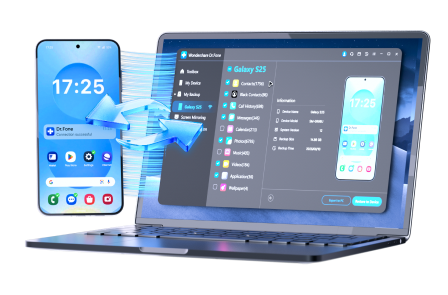
Before attempting any major iOS repair or a full device restore, connecting your iPhone to Dr.Fone Basic to organize and back up critical data lets you focus on solving No Service problems without worrying about potential data loss.




Conclusion
When your iPhone suddenly displays No Service right after installing a new iOS version, it usually comes down to temporary network glitches, SIM or eSIM setup problems, or mismatched carrier and iOS configurations. By following the structured steps in this guide for How to Fix iPhone No Service After an iOS Update—starting with quick network fixes, then checking SIM/eSIM and Reset Network Settings, and only then moving to deeper system repair—you can usually restore cellular signal at home.
If your iphone no service after update issue continues after trying another SIM, resetting network settings, and repairing iOS with a computer, involve your carrier and Apple Support to rule out account, provisioning, or hardware faults. With solid backups in place, you can troubleshoot confidently, knowing your important data is protected even while you resolve stubborn No Service problems.
FAQ
-
1. Why does my iPhone say No Service after an iOS update?
An iOS update can sometimes trigger No Service if carrier settings are outdated, the SIM or eSIM is not read correctly, or network profiles were corrupted during the upgrade. In most cases, updating carrier settings, reseating or re-adding the SIM/eSIM, and resetting network settings will refresh the connection and restore service. -
2. How can I restore cellular signal on my iPhone after a recent iOS update?
Start by toggling Airplane Mode off and on, then restart your iPhone. Check Settings > Cellular to confirm your line and data are enabled, and install any carrier settings update under Settings > General > About. If that is not enough, reseat your SIM or re-add your eSIM and use Reset Network Settings to rebuild network configurations. -
3. Does updating iOS cause network issues and No Service on some iPhones?
Yes, it can in specific situations. If the update conflicts with older carrier settings, if the installation was incomplete, or if a particular carrier band or region requires new configurations, you may see No Service or unstable signal. These issues are usually fixable with carrier settings updates, network resets, or an iOS repair via computer. -
4. What should I do if my iPhone shows No Service after a software update but Wi-Fi works?
If Wi-Fi works, the problem is likely limited to cellular services. Try quick fixes first: toggle Airplane Mode, restart the phone, and install any available carrier settings update. Then verify Cellular/Mobile Data settings, reseat or re-add your SIM/eSIM, and reset network settings if necessary. -
5. How do I fix No Service after an iOS update without resetting my iPhone completely?
You can avoid a full factory reset by focusing on targeted steps: Airplane Mode toggle, device restart, installing carrier settings updates, reviewing Cellular settings, and reseating or re-adding your SIM/eSIM. If needed, use Reset Network Settings only, which does not erase personal data. Reserve full restores for last, and back up first. -
6. Can a carrier settings update fix No Service on iPhone after installing a new iOS version?
Yes. Carrier settings updates are small configuration files that align your iPhone with your mobile provider’s latest requirements, especially after iOS changes. Installing them from Settings > General > About often resolves No Service, poor signal, or missing 4G/5G options that appear right after updating iOS.
 Add Wondershare Dr.Fone as a preferred source on Google



