Effortlessly manage data through preview, delete, export, etc.

 100% Security Verified | No Subscription Required | No Malware

 :
: 
 ChatGPT
 Perplexity
 Gemini
 Claude
 Grok
Grok
In this article
Before you start
If you notice iphone haptics not working or vibrating only sometimes, do a few simple checks before assuming the Taptic Engine is dead or booking a repair.
Understand how iPhone haptics work
iPhone haptics are powered by the Taptic Engine, which creates small vibrations for:
- Incoming calls and text message alerts
- Notification banners and app alerts
- Keyboard taps and system UI actions (like toggles and long-press menus)
- Features like Silent Mode, Focus, and some games
Because different features use different settings, haptics may appear to work in one place (like alarms) but not in another (like notifications), which can make problems seem random.
Check basic settings and modes
Before moving to advanced fixes, quickly review these potential blockers:
- Silent switch on the left side of the phone pushed down (orange showing)
- Focus modes such as Do Not Disturb, Sleep, or Work enabled
- Low Power Mode enabled, which may affect background processes
- Volume and Ringtone levels turned very low
Disable Focus and Silent modes and set volume to a clearly audible level so you can test haptics accurately in the next sections.
Check case, environment, and hardware
A few physical factors can make it seem like your iPhone is not vibrating when it actually is:
- A very thick or shockproof case that absorbs vibration
- Your iPhone sitting on a soft surface like a couch or bed
- Dust or debris around the mute switch or buttons
- Recent drops, water exposure, or heavy impacts
Remove the case, place the phone on a hard surface, and test again. If the phone recently suffered damage, keep that in mind when you evaluate hardware vs software issues later.
Back up your iPhone before deeper fixes
Some of the fixes below, such as resetting all settings or restoring iOS, can change personal preferences and, if misused, may risk data. Before doing anything major, make sure you have a recent backup:
- iCloud backup: Settings > [your name] > iCloud > iCloud Backup
- Computer backup: Connect to a Mac (Finder) or PC (iTunes) and create an encrypted backup

Method 1: Fix haptics through iOS settings
This method focuses on correcting configuration issues that commonly cause iPhone haptics to behave inconsistently across calls, notifications, and apps.
-
Step 1 Turn vibration and system haptics back on
Go to Settings > Sounds & Haptics. Make sure:
- "Vibrate on Ring" is enabled
- "Vibrate on Silent" is enabled if you still want vibration in Silent mode
- "System Haptics" at the bottom is turned on
After enabling these, lock and unlock your phone, toggle the mute switch, and see if you feel a small haptic tap.
-
Step 2 Test vibration patterns for calls and texts
In Settings > Sounds & Haptics:
- Tap "Ringtone" and make sure a vibration pattern is set (e.g., "Default"). Tap it to test.
- Tap "Text Tone" and set a vibration pattern as well.
If the phone does not vibrate during these tests, note whether you feel nothing at all or very weak feedback, as this helps distinguish software from hardware problems.
-
Step 3 Re-enable keyboard and touch feedback
If your issue is more about typing and taps than calls, check keyboard and system feedback:
- Go to Settings > Sounds & Haptics > "Keyboard Feedback". Enable "Haptic".
- Ensure "System Haptics" is on so toggles, sliders, and other UI elements provide feedback.
Open Notes or Messages and start typing to test keyboard haptics. If only keyboard haptics were missing, this may resolve the problem completely.
-
Step 4 Check Focus and app-specific notification settings
Sometimes iphone haptics not working randomly is due to Focus or per-app notification settings blocking alerts:
- Open Control Center and make sure no Focus mode is active.
- Go to Settings > Focus and review each Focus to see whether it is silencing notifications from certain apps or contacts.
- Go to Settings > Notifications > [problem app] and ensure "Allow Notifications" and "Sounds" are enabled. Some apps also have in-app settings for vibration or haptics.
Have someone call or message you while no Focus is on and the screen is locked, then check if haptics work for incoming alerts.
Method 2: Fix haptics after iOS glitches or updates
If your iphone haptics stopped working or changed behavior immediately after an iOS update, or randomly stop until you reboot, the cause is likely software-related. These steps aim to clear glitches without losing your personal data.
-
Step 1 Restart or force restart your iPhone
Minor bugs often disappear after a simple restart:
- Restart: Hold the side button and either volume button, slide to power off, wait 30 seconds, then turn it back on.
- Force restart (varies by model, for Face ID models): Press and quickly release Volume Up, then Volume Down, then hold the side button until the Apple logo appears.
After restarting, test vibration using Settings > Sounds & Haptics > Ringtone > Vibration > choose a pattern and tap it.
-
Step 2 Update iOS to the latest version
Apple frequently patches bugs in haptics and notification behavior. To update:
- Go to Settings > General > Software Update.
- Download and install any available update.
This is especially useful if you notice iphone haptics not working after update to a major iOS version; minor point releases often address these issues.
-
Step 3 Reset all settings (without erasing data)
If haptics still misbehave, try resetting configuration while preserving personal data:
- Go to Settings > General > Transfer or Reset iPhone > Reset.
- Tap "Reset All Settings" and confirm with your passcode.
This resets Wi-Fi, Bluetooth, notifications, Focus, and sound/haptic configurations to default, which often fixes iphone system haptics not working due to conflicting settings or corrupted profiles.
-
Step 4 Consider a clean iOS restore if problems persist
If you still find iphone haptic feedback not working across most apps after all previous steps, a full restore can help rule out deep system corruption:
- Back up your iPhone to iCloud or a computer.
- On a computer, open Finder or iTunes, connect your iPhone, and choose "Restore iPhone".
- After restoration, test haptics before restoring the backup. If they work on a clean system but fail after restoring your data, a setting or app may be involved.
Method 3: Diagnose possible Taptic Engine hardware issues
When iphone vibration not working persists in every app and scenario, and software fixes have no effect, your Taptic Engine or related components may be damaged.
-
Step 1 Test vibration in multiple scenarios
Try the following tests to confirm whether vibration works anywhere at all:
- Settings > Sounds & Haptics > Ringtone > Vibration > select a pattern and tap to test.
- Set an alarm with "Vibration" enabled and wait for it to ring.
- Have someone call you while "Vibrate on Ring" and "Vibrate on Silent" are turned on.
- Toggle the mute switch; many models give a small haptic tick.
If haptics fail in all these tests, it is a strong sign of iphone taptic engine not working properly.
-
Step 2 Check for signs of physical damage
Look for clues that support a hardware fault:
- Noticeable damage from drops or bending
- History of water or liquid exposure
- Other hardware issues, such as speaker problems or unresponsive buttons
Any of these raise the likelihood that the vibration motor or its connectors have been physically affected.
-
Step 3 Contact Apple Support or authorized service
Since haptics hardware is not user-replaceable, professional inspection is recommended:
- Use the Apple Support app or support.apple.com to run guided diagnostics.
- Book an appointment at a Genius Bar or an authorized service provider.
- Check your warranty or AppleCare+ coverage, which may reduce or eliminate repair costs depending on your region.
Technicians can confirm whether the Taptic Engine needs replacement and quote the repair time and price for your specific iPhone model.
Method comparison
The three methods above address different root causes of iPhone haptics issues, from simple settings mistakes to serious hardware faults. Use this comparison to decide where to focus your time.
| Method | Best for | Time required | Risk to data | Needs computer |
|---|---|---|---|---|
| Method 1: iOS settings | Random haptics missing in specific apps or actions | 5-10 minutes | Very low | |
| Method 2: iOS glitches/updates | iphone haptics not working after update or only fixed temporarily by restart | 10-60 minutes (depending on updates) | Low to medium (settings reset; restore may affect setup) | (for full restore) |
| Method 3: Hardware diagnosis | No vibration anywhere, especially after drop or water damage | Hours to days (including repair time) | Low (if backed up first) | for diagnosis, may be used during service |
Common problems and quick fixes
Here are some typical scenarios related to iphone haptics not working and what usually resolves them.
- Problem: Haptics work for alarms but not for calls or messages.
Fix: Enable "Vibrate on Ring" and "Vibrate on Silent" in Settings > Sounds & Haptics, and ensure a vibration pattern is selected for Ringtone and Text Tone. - Problem: Keyboard taps and system haptics suddenly stopped on iOS 16 or later.
Fix: Re-enable "Keyboard Feedback" > "Haptic" and "System Haptics" in Sounds & Haptics. Restart the device after changing these toggles. - Problem: Phone only vibrates sometimes, usually not at night or during work hours.
Fix: Review Focus settings (Do Not Disturb, Sleep, Work) and disable them or adjust allowed contacts and apps. - Problem: Haptics disappeared right after a major iOS upgrade.
Fix: Update to the latest minor version, reset all settings, and, if still broken, consider a clean restore of iOS. - Problem: No vibration in any test and phone was recently dropped or got wet.
Fix: Likely hardware failure of the Taptic Engine; arrange an inspection with Apple or an authorized repair center.
Why Dr.Fone users may find this helpful
If you decide to reset settings, update, or restore iOS while troubleshooting How to Fix iPhone Haptics Not Working Randomly, it is wise to protect your data first. That is where Dr.Fone Basic can fit into your workflow.
Dr.Fone Basic helps you manage, transfer, and back up your iPhone data on a computer before you try more advanced fixes. This way, if you need to reset or restore the device to clear haptic-related bugs, your photos, messages, and other important files remain safe.
You can learn more about installing and activating Dr.Fone Basic on its official page: Dr.Fone Basic.
 Easily manage data through preview, delete, export, etc.
- Transfer all data between devices.
- Robust backup solutions for reliable data protection.
- Mirror screens to PC for meetings, teaching, and control.
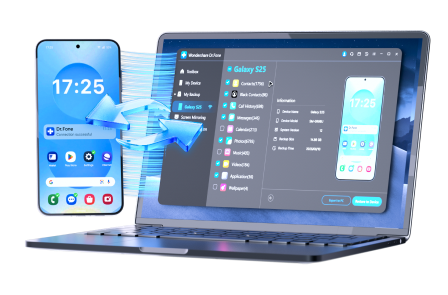
Using Dr.Fone Basic as a companion tool makes it easier to experiment with resets, updates, and even device replacements, knowing you can quickly restore your content afterward.




Conclusion
When you experience iphone haptics not working or randomly stopping, the cause is usually a mix of sound/vibration settings, Focus or Silent modes, or an iOS glitch; in rarer cases, the Taptic Engine itself fails. By carefully checking Sounds & Haptics options, keyboard and system feedback, Focus and notification settings, then updating iOS, resetting all settings, and finally testing for hardware faults, you can pinpoint whether the issue is software or hardware.
If none of the software-based methods restore vibration in any context, professional diagnosis is the safest next step. Before major resets or service visits, use backups or tools like Dr.Fone Basic so you can protect and later restore your important iPhone data without worry.
FAQ
-
1. Why are my iPhone haptics not working randomly for calls and notifications?
Randomly missing haptics for calls and notifications are often caused by Silent mode, Focus (like Do Not Disturb or Sleep), or disabled vibration patterns. Check the side mute switch, turn off Focus modes, then go to Settings > Sounds & Haptics to enable "Vibrate on Ring", "Vibrate on Silent", and assign vibration patterns for Ringtone and Text Tone. -
2. How do I fix iPhone haptic feedback not working after an iOS update?
If haptics stopped right after an iOS update, first restart or force restart your iPhone. Next, re-enable System Haptics and keyboard haptics in Settings > Sounds & Haptics, and check per-app notification settings. Install any newer iOS point updates, and if the issue persists, try "Reset All Settings" or, as a last resort, a clean restore after backing up your data. -
3. Why does my iPhone only vibrate sometimes and then stop completely?
Intermittent vibration can occur when Focus schedules automatically turn on, when specific apps have custom notification settings, or when an iOS glitch affects the Taptic Engine driver. Review Focus schedules, app notification settings, and then restart the device. If vibration works briefly after restart and then fails again, a deeper software issue is likely, and updating or resetting settings may help. -
4. How can I check if my iPhone Taptic Engine is broken or just a settings issue?
Test vibration in multiple places: vibration preview under Settings > Sounds & Haptics > Ringtone, alarms, incoming calls, keyboard typing, and toggling the mute switch. If vibration is missing in every test after you have confirmed all vibration and haptic settings are on and you have updated or reset settings, hardware failure of the Taptic Engine becomes more likely. Apple Support or an authorized service center can confirm this with diagnostics. -
5. Why are keyboard haptics and system haptics not working on my iPhone?
Keyboard and system haptics use separate toggles from call and notification vibrations. Go to Settings > Sounds & Haptics, turn on "System Haptics", then tap "Keyboard Feedback" and enable "Haptic". If they still do not work, restart your iPhone and test again in apps like Notes or Messages. In rare cases, a software bug may require an iOS update or a reset of all settings. -
6. What should I do if iPhone haptics stopped working even after restarting and resetting settings?
If a restart, iOS update, and "Reset All Settings" do not restore haptics, back up your data and consider a clean restore of iOS using a computer. Test vibration on the freshly restored system before adding your backup. If haptics still do not work in that clean state, your Taptic Engine or related hardware is probably faulty, and you should arrange professional service with Apple or an authorized repair provider.
 Add Wondershare Dr.Fone as a preferred source on Google