Effortlessly manage data through preview, delete, export, etc.

 100% Security Verified | No Subscription Required | No Malware

 :
: 
 ChatGPT
 Perplexity
 Gemini
 Claude
 Grok
Grok
In this article
If you need to export iMessage thread to pdf for court, work, or memories, it is important to keep every bubble, timestamp, and photo in order so the conversation reads naturally and can be trusted as a record.
Before you start
Apple does not offer a single tap option to turn a full iMessage conversation into a PDF, so you will combine built-in tools on iPhone or Mac with desktop software where needed. A bit of preparation helps you capture the entire thread without missing photos or breaking the context.
Check what you need to capture
First, decide how much of the conversation you must preserve and why you are exporting it.
- Identify whether you need the entire history or a specific date range.
- Note if you must see timestamps on every message or just time breaks.
- Decide whether photos, videos, audio, and other attachments must be included.
- For legal or work use, plan to keep the layout, sender names, and dates clearly visible.
Confirm device and software requirements
Different methods require different hardware and apps.
- An iPhone with the iMessage thread still available or recently backed up.
- A Mac signed in with the same Apple ID if you want to use the Messages app to save the thread as PDF.
- A Windows PC or Mac if you prefer using a desktop backup and export tool.
- Updated iOS and macOS versions so menu names like Settings, Messages, Print, and Save as PDF roughly match this guide.
Prepare storage and backups
PDFs that include many photos can be large, so check storage ahead of time.
- Free up space on your iPhone for creating a fresh backup if needed.
- Ensure your Mac or PC has enough storage for a full iPhone backup plus the exported PDFs.
- If the conversation is important, create a local iTunes/Finder backup before you start exporting.
Understand regional and format limitations
These methods work in most regions where iMessage is available, but small differences can appear.
- Menu labels such as Print or Save as PDF may differ slightly by macOS language or version.
- Not all third-party tools are available in every country; always download from official or trusted sources.
- Videos in your PDF will show as still thumbnails, not playable clips.

Method 1: Export an iMessage thread to PDF via Mac Messages
This is the best native Apple option if you own a Mac, because it preserves the bubble layout, timestamps, and inline images with minimal extra tools.
-
Step 1 Sync your iPhone messages with your Mac
On your iPhone, go to Settings > [your name] > iCloud > Show All and make sure Messages is enabled. On your Mac, open Messages and go to Settings (or Preferences) > iMessage, sign in with the same Apple ID, and enable Messages in iCloud. Wait until the conversation you need appears and fully syncs, including older history if available.
-
Step 2 Open and prepare the iMessage thread
In Messages on your Mac, select the conversation you want to export. Scroll up slowly to load older messages until you reach the earliest date you need. Pause periodically so thumbnails for images and attachments have time to load; this reduces the risk of blank boxes in the final PDF.
-
Step 3 Print iMessages to PDF with photos and timestamps
With the thread selected, click File > Print (or press Command + P). In the print dialog, choose the pages or range if it is split, and adjust orientation or scaling so message bubbles are clear. At the bottom-left of the dialog, open the PDF drop-down menu and select Save as PDF. Enter a file name and destination folder, then click Save. When the PDF is created, open it in Preview or another reader to confirm all messages, timestamps, and inline photos appear in order.
Because this method uses only Apple tools, it is usually acceptable for personal records and often for legal use, provided the timestamps and participants are clearly shown in the exported file.
Method 2: Use a desktop backup tool to convert iPhone messages to PDF
This method is ideal if you do not have a Mac, if your thread is extremely long, or if you need to export multiple conversations at once from a backup.
-
Step 1 Create a fresh iPhone backup on your computer
Connect your iPhone to a Windows PC or Mac using a USB cable. Open iTunes (on Windows or older macOS) or Finder (on newer macOS), select your device, and choose Back Up Now to create a local backup on this computer. Wait until the backup completes so your latest iMessage history and attachments are included.
-
Step 2 Install and open a trusted messages exporter
On your computer, install a reputable iPhone data management or export tool that can read iOS backups and turn iMessages into PDF while keeping images. Launch the tool and let it detect your recent backup. When prompted, open the Messages or SMS/iMessage section to load your conversation list.
-
Step 3 Select the thread and export to PDF
Inside the exporter, browse the conversations and select the contact or group thread you need. If the software allows, filter by date range, participants, or message type to narrow down the content. Choose the PDF export option and make sure the settings include attachments or inline images. Confirm the output folder and start the export. When it finishes, open the PDF and scroll through to verify the order, timestamps, and photos are all present and readable.
For sensitive or official purposes, keep the backup file and the original exported PDF unchanged, and consider documenting the steps you used to generate the record.
Method 3: Manually capture iMessages as PDF using screenshots on iPhone
This iPhone-only approach is quick for short sections but not recommended for very long conversations, because it is easy to miss messages between screenshots.
-
Step 1 Take overlapping screenshots of the thread
Open Messages on your iPhone and go to the conversation you want. Starting slightly above the first message you need, press the Side + Volume Up buttons (or Home + Side on older iPhones) to capture a screenshot. Scroll up or down so the last line from the previous screenshot is still visible, then capture the next one. Repeat until all relevant messages, photos, and timestamps have been captured.
-
Step 2 Turn screenshots into a PDF from Photos
Open the Photos app, tap Albums or Recents, then tap Select. Highlight all of the screenshots in order from first to last. Tap the Share icon, scroll down, and choose Print. On the print preview, pinch out (zoom in) on a page; this converts the preview into a document layout. Tap the Share icon again in the top-right and choose Save to Files, pick a folder, and save. The iPhone will generate a PDF composed of those screenshot pages.
-
Step 3 Review the PDF for continuity
Open the Files app, locate your new PDF, and scroll through it to check that no messages are cut off between screenshots and that timestamps and photos are legible. If you find gaps, recapture the missing section and create a revised PDF.
This method preserves exactly what appears on your screen, which can be helpful if you want a visual copy of how the conversation looks on your iPhone, but it is more manual and error-prone than Mac or desktop backup methods.
Method comparison and common problems
Each way to save an iMessage conversation as PDF has strengths and trade-offs. Use this to decide which method fits your situation and learn how to fix common export issues.
Ways to export iMessage chat history to PDF
| Method | Device Needed | Includes Photos | Best For | Limitations |
|---|---|---|---|---|
| Mac Messages Print to PDF | iPhone + Mac | inline in bubbles | Clean, native export with layout and timestamps | Requires a Mac and synced Messages; very long threads may create large PDFs |
| Desktop Backup Export Tool | iPhone + Windows or Mac PC | with options for attachments | Long or multiple threads, backups, and filtered exports | Must install third-party software and create a local backup first |
| iPhone Screenshots to PDF | iPhone only | as captured on screen | Short excerpts, quick one-off exports | Time-consuming for long threads; risk of missing messages between screenshots |
Common problems and fixes
- Missing parts of the conversation: On Mac, scroll further up or down to load more history before printing again. In a backup-based exporter, widen the date range or refresh the backup, then re-export.
- Photos or attachments do not appear: On Mac, wait for all images to load while connected to the internet before printing. In a desktop tool, confirm that attachment export is enabled and, if necessary, recreate the iPhone backup in case the original was incomplete.
- PDF is too large or fails to open elsewhere: Split very long threads into several PDFs by date range, or disable video export where possible. Share large PDFs using cloud storage rather than attaching them directly to email.
- Timestamps or names are hard to read: Increase print scaling or orientation in the Mac print dialog, or choose a layout in your export tool that shows sender names and timestamps clearly. Always zoom in on the finished PDF and, if relevant, print a test page.
Why Dr.Fone users may find this helpful
If you regularly need to document conversations, relying only on manual captures can be slow and inconsistent. Before you How to Export an iMessage Thread to PDF Without Losing Photos or Context, building a solid backup routine makes it easier to manage and preserve your chat history.
Using an iPhone desktop manager such as Dr.Fone Basic, you can connect your device, create and manage backups, and preview data types like messages, attachments, and other content in an organized way. From there, you can selectively export important threads and store them on your computer, ready for conversion into PDFs or other documentation formats when needed.
 Easily manage data through preview, delete, export, etc.
- Transfer all data between devices.
- Robust backup solutions for reliable data protection.
- Mirror screens to PC for meetings, teaching, and control.
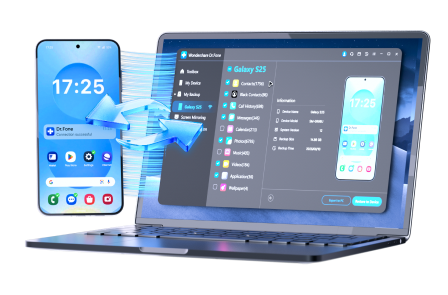
When you plan to export iMessage chat history in the future, starting with a complete, well-organized backup through Dr.Fone Basic reduces the risk of losing messages and makes it easier to generate clean, chronological PDFs whenever you need them.




Conclusion
With the right approach, you can confidently export iMessage thread to pdf without losing photos or the context that makes your conversation understandable and trustworthy. Use a Mac to print directly from the Messages app when you want a native solution with original bubble layout, rely on a desktop backup tool to handle long or archived threads, or use screenshots on iPhone for short excerpts.
For ongoing protection of important chats, combining these methods with a consistent backup strategy through tools like Dr.Fone Basic ensures your iMessage history stays safe, organized, and ready to export whenever you need a clear PDF record for sharing, printing, or long-term storage.
FAQ
-
1. How do I export an entire iMessage thread to PDF on iPhone without losing photos?
iOS itself does not provide a one-tap option to export a full iMessage thread as PDF. To capture an entire conversation with photos, the most reliable workflow is to sync Messages with a Mac, open the thread in the Mac Messages app, and use File > Print > Save as PDF. If you only have an iPhone, you can take overlapping screenshots and convert them to a PDF via Photos and Print, but this works best for shorter sections. -
2. Can I save an iMessage conversation as a PDF on a Mac with timestamps and contact info?
Yes. Once your iPhone messages are synced to your Mac, open the target chat in Messages and scroll to include the full date range you need. Go to File > Print to preview the layout, which typically includes bubbles, timestamps, and contact names. Choose Save as PDF from the PDF dropdown in the print dialog, and the exported file will preserve that information. -
3. What is the best way to export iPhone text messages and iMessages to PDF for court?
For court, you need a clear, chronological record with visible timestamps and participant details. Printing from Mac Messages to PDF is a strong option. Alternatively, use a reputable desktop backup tool that reads your iPhone backup and exports conversations in a structured PDF. Avoid editing the exported PDF, keep the original backup, and consider splitting very long threads into smaller date ranges for easier review. -
4. How do I convert my iMessage chat, including pictures and videos, into a single PDF file?
On a Mac, open the conversation in Messages, scroll to load all the messages and inline photos you need, then use File > Print > Save as PDF. Videos will appear as still thumbnails. With a desktop backup exporter, select the conversation from your backup and choose the PDF export option with attachments enabled. For small sections using screenshots, capture overlapping images of the thread and combine them into a PDF through the Photos app and Print. -
5. Is there a way to print my iMessage thread to PDF without screenshots cutting off messages?
Yes. Using a Mac is the easiest way to avoid cutoffs. When you print directly from the Messages app to PDF, the system lays out messages continuously across pages. Just make sure to scroll through the thread first so all content loads. If you must use screenshots, take overlapping captures so each new screenshot includes a bit of the previous one to prevent gaps. -
6. How can I export deleted or old iMessage conversations from an iPhone backup to PDF?
If the messages still exist inside an older iTunes or Finder backup, you can install a compatible desktop backup viewer or exporter, load that backup, and navigate to the Messages section. From there, select the older conversation and export it to PDF if the tool supports that format. This only works if the messages were present at the time the backup was created and the backup has not been overwritten.
 Add Wondershare Dr.Fone as a preferred source on Google