Effortlessly manage data through preview, delete, export, etc.

 100% Security Verified | No Subscription Required | No Malware

 :
: 
 ChatGPT
 Perplexity
 Gemini
 Claude
 Grok
Grok
If your iPhone suddenly shows iphone multiple features not working at the same time, it usually points to a system glitch, a misconfigured setting, or underlying hardware damage rather than a single isolated bug. This guide walks you through safe checks, non-destructive resets, and backup-friendly options so you can stabilize your device and know when it is time to contact Apple or a local authorized repair provider for How to Fix Multiple iPhone Features Not Working at the Same Time.
In this article
Before you start
Before changing deeper system settings or attempting restores, take a moment to prepare your iPhone and your data. This reduces the risk of interruption, failed updates, or data loss while you troubleshoot several iPhone functions at once.
Check power, storage, and network basics
Make sure your iPhone is ready to complete updates, reboots, and backups without being cut off midway.
- Charge your iPhone to at least 40% or keep it connected to a reliable power source.
- Connect to a stable Wi-Fi network so you can download iOS updates and perform cloud backups.
- Go to Settings > General > iPhone Storage and free up space if storage is nearly full; aim for at least 5–10 GB free.
- Confirm your SIM is inserted properly if you are also having cellular or calling issues.
Prepare accounts, passwords, and backup options
Some troubleshooting steps may require you to sign in again or restore settings, so gather what you need ahead of time.
- Confirm you know your Apple ID and password, and any device passcodes you use (screen lock, Screen Time).
- Decide how you will back up: iCloud (over Wi-Fi) or computer-based backup via Finder or iTunes.
- Ensure you have access to a computer with iTunes (Windows) or Finder (macOS) if a deeper restore later becomes necessary.
Understand what changed before issues appeared
Identifying what changed just before your iPhone many features stopped working can point you toward the right fix sooner.
- Think about whether the problems began after an iOS update, app installation, profile/VPN setup, or settings tweak.
- Check Settings > General > VPN & Device Management for recently added configuration profiles.
- Note whether the issues affect only certain apps or system-wide features like Wi-Fi, Bluetooth, notifications, and audio.
Know when DIY is safe and when to be cautious
Most of the steps in this guide are non-destructive and safe to try, but it is important to recognize warning signs of hardware damage.
- If your iPhone shows visible cracks, severe bends, or liquid exposure, prioritize backing up data before extensive testing.
- Non-destructive steps like force restart, updating iOS, and resetting settings will not erase personal content.
- If critical features like touch, display, or audio are failing consistently despite software fixes, plan for professional diagnostics.

Method 1: Do quick checks and a force restart
This method is best if you just noticed multiple iPhone functions not working suddenly, with no obvious physical damage. It focuses on simple checks and a force restart to clear temporary glitches.
-
Step 1 Check Control Center toggles and restrictions
Open Control Center by swiping down from the upper-right corner (or up from the bottom on older models). Confirm Airplane Mode is off, Wi-Fi and Bluetooth are on, and Focus is either off or configured so calls and notifications are allowed. Then go to Settings > Screen Time > Content & Privacy Restrictions to ensure no restrictions are blocking key apps, location, microphone, or other system permissions that could make it look like iphone several functions not working.
-
Step 2 Force restart your iPhone
On iPhone 8 or later, quickly press and release Volume Up, then Volume Down, then hold the Side button until you see the Apple logo. On iPhone 7 or 7 Plus, hold Volume Down and the Side button together until the Apple logo appears. On iPhone 6s or earlier, hold the Home and Top/Side buttons together until the Apple logo shows. This refreshes the system without erasing your data.
-
Step 3 Test all affected features after reboot
After your iPhone restarts, test Wi-Fi, Bluetooth, and cellular data by connecting to networks or placing a call. Play audio through the speakers and via headphones, try the microphone using Voice Memos or calls, and verify touch responsiveness across the screen. Check whether notifications, vibration, and sound work for a few different apps.
If the problems disappear but come back later, it suggests there may be a deeper iOS or app-related conflict that the following methods address.
Method 2: Update iOS and reset key settings without erasing data
If your iphone features stopped working all at once after an update, restore, or settings change, this method uses official iOS tools to correct software bugs and misconfigurations while keeping your personal data intact.
-
Step 1 Update iOS to the latest version
Go to Settings > General > Software Update and install any available iOS update. Keep the device on Wi-Fi and connected to power until the update completes. Apple frequently fixes issues that can cause iphone system features not working, especially right after major version releases.
-
Step 2 Reset network settings to fix connectivity failures
If Wi-Fi, Bluetooth, and cellular seem broken together, go to Settings > General > Transfer or Reset iPhone > Reset > Reset Network Settings. This clears saved Wi-Fi networks and passwords, VPN and APN settings, and Bluetooth pairings, but your photos, messages, and apps stay untouched. After the reset and reboot, reconnect to Wi-Fi and re-pair Bluetooth accessories, then test connectivity again.
-
Step 3 Reset all settings to clear deeper conflicts
If multiple iphone functions not working persist across apps, go back to Settings > General > Transfer or Reset iPhone > Reset > Reset All Settings. This returns Wi-Fi, Bluetooth, notifications, privacy, display, and other preferences to their defaults without erasing personal content. After the device restarts, reconfigure important options like Wi-Fi, Face ID or Touch ID, and notification preferences, then check whether the issues are resolved.
When several features like notifications, sound, and radios start working correctly after these resets, the cause was likely misconfigured settings rather than hardware damage.
Method 3: Remove profiles, back up, and plan for repair
If your iphone problems multiple issues at once continue even after updates and resets, you may be dealing with a conflicting profile, a problematic app, or true hardware issues. This method helps you clean up potential conflicts and protect your data before seeking professional help.
-
Step 1 Remove VPNs, device management profiles, and suspect apps
Go to Settings > General > VPN & Device Management and remove any configuration profiles or VPNs you no longer need or do not fully trust. Profiles can silently change network, security, and restriction settings, making it appear like iphone multiple features not working when connections are actually being filtered. Next, uninstall apps that you installed right before the problems started, then restart your iPhone and retest core system features like Safari, App Store, Maps, and Messages.
-
Step 2 Back up your iPhone before deeper repairs
To avoid data loss if a full restore or repair becomes necessary, create a fresh backup. Use iCloud by going to Settings > [your name] > iCloud > iCloud Backup > Back Up Now while on Wi-Fi, or connect your iPhone to a computer and use Finder or iTunes to make an encrypted backup. This ensures your photos, messages, app data, and settings can be restored later even if hardware repair or device replacement is required because iphone several functions not working point to component failure.
-
Step 3 Inspect for physical or liquid damage and plan diagnostics
Look closely for cracks, bends, or gaps around the screen and frame, and check for discoloration or corrosion near ports or buttons, which may indicate liquid exposure. Recall any recent drops or contact with water. If touch, speakers, microphones, cameras, or radios fail together despite all software fixes, schedule diagnostics through Apple's support website or your nearest authorized service provider. Bring your backup details and proof of purchase if available so they can recommend repair or replacement options.
If multiple hardware-related features such as camera, audio, and charging are failing at once, software tools alone cannot fully resolve the issue and professional repair is the safest route.
Method comparison and common problems
This section compares the main approaches you can use when you see iphone many features not working, and summarizes quick fixes for the most common multi-feature problems.
Ways to fix multiple iPhone features not working at once
| Method | What It Does | Difficulty | Time Required | Risk of Data Loss | Best Situation |
|---|---|---|---|---|---|
| Quick checks and force restart | Refreshes iOS and clears temporary glitches without changing data or settings | Easy | 5-10 minutes | Very low | First response when several features stop working suddenly |
| Update iOS and reset key settings | Installs bug fixes and clears corrupted network/system settings while keeping personal data | Medium | 20-40 minutes | Low | When connectivity, notifications, and sound are broken across multiple apps |
| Remove profiles, backup, and prepare for repair | Eliminates profile/app conflicts, secures your data, and readies the device for service | Medium to hard | 30-60 minutes | Medium if later combined with full restore | When software steps do not fix iphone system features not working and hardware damage is suspected |
Common problems and quick fixes
- Wi-Fi, Bluetooth, and cellular all stopped working together: Toggle Airplane Mode off and on, then go to Settings > General > Transfer or Reset iPhone > Reset > Reset Network Settings and restart your phone. Update iOS and remove any VPN or device management profiles if the issue persists across different locations and networks.
- Notifications and sounds missing across many apps: Check Control Center to ensure Silent mode and Focus are not blocking alerts. Then visit Settings > Notifications to confirm Allow Notifications is enabled for key apps, and verify volume and tone options in Settings > Sounds & Haptics. If alerts still fail, use Reset All Settings to correct global notification and sound misconfigurations.
- Touchscreen and buttons randomly unresponsive: Remove screen protectors or cases that might interfere with sensors, then force restart the device. If touch or buttons remain unreliable across multiple apps even after Reset All Settings, suspect hardware damage from drops or pressure and arrange Apple diagnostics.
- iPhone very slow with multiple failures when storage is full: Open Settings > General > iPhone Storage and delete unused apps, large videos, and other unnecessary content. Keeping several gigabytes free allows iOS to run background tasks, caches, and updates more reliably.
Why Dr.Fone users may find this helpful
When you are troubleshooting iphone multiple features not working, protecting your data is just as important as fixing the issues. A desktop companion like Dr.Fone Basic can make it easier to organize, back up, and move your content before you attempt deeper resets, restores, or hardware repair.
With Dr.Fone Basic, you can preview and manage iPhone files from your computer, selectively export important photos, videos, and documents, and perform full backups outside of iCloud. You can also transfer data between devices and mirror your iPhone screen to a PC for easier control and demonstration, which is especially useful if on-device touch or display responsiveness is unreliable while you work through how to fix multiple iPhone features not working at the same time. You can learn more or download it from the official Dr.Fone Basic page.
 Easily manage data through preview, delete, export, etc.
- Transfer all data between devices.
- Robust backup solutions for reliable data protection.
- Mirror screens to PC for meetings, teaching, and control.
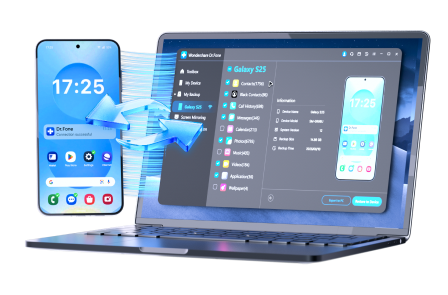
Before attempting advanced resets or arranging hardware service, you can connect your iPhone to Dr.Fone Basic to back up and organize important content. With your data safely stored, you can continue applying the methods in this guide or proceed to Apple support with much less risk.




Conclusion
Seeing iphone multiple features not working at once is alarming, but it usually fits into three categories: short-lived glitches, deeper iOS or settings conflicts, or genuine hardware faults. By starting with quick checks and a force restart, then updating iOS and resetting key settings, you can safely rule out most software causes without erasing your data. If issues persist, removing profiles, backing up thoroughly, and getting professional diagnostics are the next smart steps for How to Fix Multiple iPhone Features Not Working at the Same Time. With a recent backup and clear information about what you have tried, Apple or an authorized provider can help you return your iPhone to a stable, reliable state as quickly as possible.
FAQ
-
1. Why are multiple features on my iPhone not working all of a sudden?
Multiple iPhone features can stop working at once due to a buggy iOS update, corrupted system or network settings, or a conflicting profile or app. In other cases, physical damage from drops or liquid can affect several components such as radios, audio chips, and the display at the same time. Start with a force restart, update iOS, and reset settings; if that fails, suspect hardware and seek Apple diagnostics. -
2. How do I fix my iPhone when Wi-Fi, Bluetooth, and cellular all stop working at the same time?
Begin by toggling Airplane Mode off and on, then restart your iPhone. Next, go to Settings > General > Transfer or Reset iPhone > Reset > Reset Network Settings to clear corrupted network data. Update iOS to the latest version and remove any VPN or device management profiles. If radios are still not working across different locations and SIM cards, arrange hardware diagnostics. -
3. What should I do if several iPhone functions stop working after an iOS update?
If problems started right after an update, force restart the iPhone and check for a newer patch under Settings > General > Software Update. Then try Reset Network Settings and, if needed, Reset All Settings to clear leftover configuration conflicts. If the device remains unstable, back up your data and contact Apple Support about potential restore or repair options for your specific iOS version. -
4. Can a single setting cause multiple iPhone features to stop working at once?
Yes. Airplane Mode, Focus, Screen Time restrictions, VPNs, and device management profiles can each impact several iPhone functions simultaneously by blocking connectivity, notifications, or location services. That is why early troubleshooting includes checking Control Center toggles, reviewing Screen Time and Content & Privacy Restrictions, and resetting network and system settings before assuming a serious hardware problem. -
5. How do I know if multiple iPhone features not working is a software or hardware problem?
Software issues often improve after a force restart, iOS update, and resets of network and system settings. If problems are intermittent, tied to specific apps, or change after removing profiles or VPNs, software is likely to blame. If, instead, core features like touch, display, cameras, speakers, or radios fail consistently across all apps and remain broken after clean software troubleshooting, hardware damage or component failure is more likely and requires professional diagnostics. -
6. Will resetting all settings fix multiple features not working on my iPhone without erasing data?
Reset All Settings returns Wi-Fi, Bluetooth, notifications, privacy, and display preferences to their factory defaults without deleting photos, apps, or messages. It often resolves iphone system features not working caused by misconfigurations or remnants from previous updates. However, it cannot repair physical damage or severe system corruption that might require a full restore or hardware repair.
 Add Wondershare Dr.Fone as a preferred source on Google