 Effortlessly manage data through preview, delete, export, etc.

 100% Security Verified | No Subscription Required | No Malware

 :
: 
 ChatGPT
 Perplexity
 Gemini
 Claude
 Grok
Grok
If your iPhone starts registering random taps, swipes, or scrolling the moment you plug it in, you are probably dealing with iphone ghost touch while charging. This guide explains how to safely test chargers, cables, outlets, and software so you can narrow down the cause, protect your data, and apply practical fixes before paying for repairs.
In this article
Before you start
Before changing chargers or reinstalling iOS, it helps to understand when the issue appears, gather a few basic tools, and make sure your data is safe. This reduces guesswork and avoids unnecessary risk while troubleshooting How to Fix iPhone Ghost Touch While Charging.
Confirm when ghost touch happens
First, pay attention to the pattern of the ghost touch behavior:
- Does it happen only when the iPhone is plugged in, and vanish on battery?
- Does it appear only with a specific cable, adapter, or outlet?
- Does it occur even when you are not touching the screen?
- Is it worse in certain locations (office, car, train, or a particular room)?
These details will help you quickly decide if the problem is more likely related to accessories and power, dirt or damage, or deeper software/hardware issues.
What you should have ready
Having a few items ready will make troubleshooting smoother:
- Your iPhone model and current iOS version (Settings > General > About).
- Access to at least one alternative wall outlet in a different room or building.
- An Apple or MFi certified Lightning or USB-C cable and quality power adapter, if possible.
- A soft lint-free cloth and a dry soft brush or wooden toothpick for cleaning.
- Optional: a computer with iTunes or Finder for backup and software checks.
Safety, power, and regional considerations
Power quality, grounding, and adapter types vary a lot between countries and even between rooms in the same home. To avoid additional problems:
- Prefer direct wall outlets over old power strips, USB hubs, or cheap travel adapters.
- Avoid testing in vehicles, trains, or buses where car chargers can introduce electrical noise.
- If ghost touch appears only on one outlet or old power strip, stop using that socket and consider having it checked by an electrician.
- Never continue using chargers, cables, or outlets that feel hot, spark, or show burn marks.
Protect your data before deep fixes
Some advanced fixes, like full restores, can erase your device, so it is wise to protect your information in advance:
- Create a fresh iCloud backup (Settings > [your name] > iCloud > iCloud Backup).
- Or back up to a computer via Finder or iTunes.
- Optionally, organize and export important photos, videos, and documents to a computer using tools such as Dr.Fone Basic.

Method 1: Test accessories and power source
This method focuses on finding out whether the charger, cable, or outlet is causing ghost touch on iPhone when charging. Many cases are solved simply by changing the charging setup.
-
Step 1 Unplug your iPhone and test on battery
Disconnect the charger and wait 10–20 seconds. Unlock your iPhone and use it normally: open several apps, scroll, and type. If ghost touch completely disappears on battery but returns as soon as you plug back in, the charging setup is very likely the cause.
-
Step 2 Switch to an Apple certified cable and adapter
Connect an original Apple or MFi certified Lightning/USB-C cable and a genuine Apple or other reputable certified power adapter. Plug them directly into a wall outlet, not a power strip or hub. Observe the screen for a few minutes while charging to see if the iPhone touch screen glitch while charging returns.
-
Step 3 Try different outlets and locations
Test the same certified charger on at least one other wall outlet in a different room or building. Avoid car chargers and old multi-plug adapters. If ghost touch appears only on certain outlets or in certain locations, unstable or noisy power there is likely triggering interference with the touchscreen digitizer.
-
Step 4 Retire faulty accessories
If your iPhone works normally with certified accessories and good outlets but glitches with a particular cable, adapter, or socket, stop using the problematic items. Replacing a bad accessory is far cheaper and safer than replacing a damaged display or logic board.
Method 2: Clean and inspect hardware
If the iPhone phantom touch while plugged in is not solved by swapping chargers and outlets, check for dirt, moisture, or physical damage on the screen, case, and charging port.
-
Step 1 Remove case and screen protector, then clean the screen
Power off your iPhone. Remove any case and screen protector, especially if they are cracked, lifting, or cheap thin glass. Wipe the display gently with a soft, slightly damp lint-free cloth, then dry it completely. Residue or a warped protector can contribute to an iPhone screen moving by itself while charging.
-
Step 2 Inspect and clean the charging port and cable ends
With the phone still off, use a flashlight to look inside the charging port. If you see lint, dust, or dirt, carefully loosen it with a dry soft brush or wooden toothpick and let debris fall out. Do not use metal tools or liquids. Check your cable tips for bent pins, discoloration, or burn marks, which can cause unstable contact and ghost touch.
-
Step 3 Test charging with minimal accessories
Turn your iPhone back on with no case or screen protector. Connect using a clean, good-quality cable and adapter on a known-stable wall outlet. Use the phone for several minutes while charging and watch for phantom taps, scrolling, or random app switching. If the problem is gone, the issue was likely caused by an accessory or contamination.
-
Step 4 Decide whether professional inspection is needed
If you notice cracks spreading across the screen, visible gaps between the display and frame, or corrosion inside the port, stop further self-cleaning and book a visit with Apple Support or a trusted repair shop. Continuing to plug into a damaged port or using a badly cracked screen can make the iPhone screen pressing itself on charge even worse.
Method 3: Check iOS software and restore options
When ghost touch persists with every cable, adapter, and outlet, and your hardware looks fine, you should rule out software glitches and be prepared for a potential display repair.
-
Step 1 Force restart your iPhone
Perform a force restart appropriate for your model (for Face ID models: quickly press Volume Up, quickly press Volume Down, then press and hold the Side button until the Apple logo appears). This clears temporary software glitches that can exaggerate ghost touch behavior while charging.
-
Step 2 Update to the latest iOS version
Connect to Wi-Fi and go to Settings > General > Software Update. If an update is available, install it while your phone is connected to a stable power source that is not causing issues. Apple sometimes fixes touchscreen issues in new iOS releases, so updating may reduce a persistent iPhone ghost touch issue with charger setups.
-
Step 3 Back up and consider a full restore
If ghost touch continues on battery and while charging even after updates, create a complete backup via iCloud or to a computer. Then consider restoring the iPhone to factory settings via Finder, iTunes, or Settings > General > Transfer or Reset iPhone. After restoring, test the phone before restoring your backup. If ghost touch is still present on a clean system, the digitizer or display assembly likely needs professional repair.
-
Step 4 Plan hardware repair or replacement
If you have confirmed that software and accessories are not to blame, contact Apple Support, an Apple Store, an authorized service provider, or a reputable local repair shop. Describe that the iPhone screen pressing itself on charge persists across outlets, chargers, and after a restore so they can focus on display and logic board diagnostics.
Method comparison: Which fix to try when
These common approaches differ in difficulty, risk, and best timing. Use this overview to decide what to try first when dealing with an iPhone screen moving by itself while charging.
| Fix | Best When | Difficulty | Risk of Data Loss | When to Try It |
|---|---|---|---|---|
| Change cable/adapter and outlet | Ghost touch appears only while charging or only with certain chargers | Easy | None | First 10 minutes of troubleshooting |
| Clean screen, remove case, clean port | Screen protector, case, or port looks dirty, wet, or damaged | Easy | None | After testing different chargers |
| Update iOS and force restart | Ghost touch happens on battery and while charging, but hardware looks fine | Medium | Low (with backup) | After accessory and physical checks |
| Full backup and restore, or hardware repair | Ghost touch persists with all chargers, outlets, and after updates | Advanced / Professional | Medium to High without backup | Last resort before or with Apple/repair visit |
Common problems and quick fixes
Here are some frequent real-world scenarios and what you can do about them.
- Works fine on battery, but ghost touch on one outlet or strip: Avoid that outlet or strip, and test with an Apple certified charger on a different wall socket in another room or building. Unstable or ungrounded power can trigger ghost touch while charging.
- Ghost touch with every charger, everywhere: Back up your iPhone, update to the latest iOS, and, if needed, perform a full restore. If ghost touch continues on a clean system on both battery and charge, schedule diagnostics for the display or digitizer.
- Intermittent ghost touch that is hard to reproduce: After each change (different cable, outlet, or case), test for at least 10–15 minutes in your normal usage pattern. Note which combination of cable, adapter, and outlet causes or stops the behavior to identify patterns.
- Worried about losing data while testing fixes: Always create a backup before system updates or restores. You can also use computer-based tools to export important photos, messages, and documents so you have multiple copies while troubleshooting.
Why Dr.Fone users may find this helpful
When you are battling How to Fix iPhone Ghost Touch While Charging, it is easy to focus only on the screen and forget about your data. If you end up needing a full restore or hardware repair, having a safe, organized backup makes the whole process less stressful.
Dr.Fone Basic can help you manage your iPhone from a computer, preview and export important files, and create robust backups outside of iCloud. You can move photos, videos, and other content off the device, mirror the screen to your PC for easier control when touch is unreliable, and keep copies of key data safe while you work through hardware and software steps to stabilize the touchscreen.
 Easily manage data through preview, delete, export, etc.
- Transfer all data between devices.
- Robust backup solutions for reliable data protection.
- Mirror screens to PC for meetings, teaching, and control.
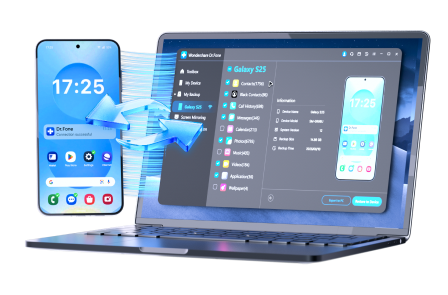
If you plan deeper repairs or a full restore to solve an iPhone ghost touch issue with charger or display components, using Dr.Fone Basic first to organize, transfer, and back up your iPhone data lets you troubleshoot with much more confidence.




Conclusion
Most cases of iphone ghost touch while charging come down to accessories and power: low-quality chargers, noisy or ungrounded outlets, dirty ports, or worn screen protectors. By first testing with an Apple-certified cable and clean wall outlet, then inspecting and cleaning your screen and port, you can often restore normal touch behavior quickly.
When these steps do not work, updating iOS, backing up, and, if necessary, performing a full restore will help you decide whether a hardware repair is needed. If ghost touch persists across all outlets, chargers, and software states, contacting Apple Support or a trusted local technician is the safest way forward. By following this guide on How to Fix iPhone Ghost Touch While Charging and keeping good backups along the way, you can protect both your device and your data while you work toward a stable, responsive touchscreen.
FAQ
-
1. Why does my iPhone have ghost touch only when it is charging?
When ghost touch appears only while the phone is plugged in, it is often due to electrical interference from the charger, cable, or outlet. Faulty or non-certified accessories, unstable voltage from old power strips, or noisy car chargers can disturb the touchscreen digitizer so the phone registers phantom taps and swipes. Testing with an Apple certified cable and adapter on a different wall outlet is the fastest way to confirm whether the charging setup is responsible. -
2. How do I stop my iPhone screen from moving by itself while charging?
First, unplug the iPhone and check if the issue disappears on battery. Then clean and fully dry the screen and remove any cracked screen protector or tight case. Test again with an Apple or MFi certified cable and adapter on a different wall outlet, avoiding power strips and car chargers. If ghost touch still happens, force restart the device and update iOS. Persistent issues after these steps usually point to a failing display or digitizer, which should be checked by Apple Support or a repair shop. -
3. Can a cheap or non Apple charger cause ghost touch on an iPhone?
Yes. Many cheap or non-certified chargers and cables do not provide clean, stable power and can introduce electrical noise, especially during fast charging. This instability can cause the iPhone screen moving by itself while charging even though the phone works perfectly on battery. Switching to original or MFi certified accessories plugged directly into a reliable wall outlet often stops charger-related ghost touch. -
4. Is iPhone ghost touch while charging a software issue or a hardware problem?
It can be either, but it frequently starts with hardware-related factors like bad accessories, poor power quality, or a damaged display or digitizer. However, outdated or bug-prone iOS versions can worsen touchscreen sensitivity problems. That is why the best approach is to test different chargers and outlets first, then clean the device and update iOS. If ghost touch persists after a clean restore, it is almost certainly a hardware issue that needs professional repair. -
5. How do I fix iPhone ghost touch at home before going to Apple Support?
At home, you can safely: confirm whether ghost touch appears only on charge or also on battery; change to certified chargers and different outlets; clean the screen, remove the case and screen protector, and clear debris from the charging port; force restart your iPhone; and install the latest iOS update. If these steps do not help, back up your data and optionally perform a full restore. If ghost touch survives all of this, it is time to visit Apple Support or a reputable repair center. -
6. Why does my iPhone work fine on battery but have ghost touch when plugged into certain outlets or car chargers?
If your iPhone only misbehaves on specific outlets, power strips, or car chargers, the problem is most likely the power source, not the phone. Poor grounding, voltage spikes, or electrical noise from those sources can interfere with the touchscreen, leading to an iPhone touch screen glitch while charging. Avoid those outlets or adapters and charge only with high-quality, certified accessories on stable, properly wired wall sockets.
 Add Wondershare Dr.Fone as a preferred source on Google



