Effortlessly manage data through preview, delete, export, etc.

 100% Security Verified | No Subscription Required | No Malware

 :
: 
 ChatGPT
 Perplexity
 Gemini
 Claude
 Grok
Grok
If your brand new iPhone feels surprisingly laggy, stuttery, or buggy right after setup, you are not alone. A new iPhone buggy after setup is often caused by background indexing, photo processing, and app downloads, but it can also point to restore issues or rare hardware faults. This guide walks you through How to Fix a New iPhone That Feels Buggy After Setup with simple, safe steps you can try before deciding to contact Apple or return the device.
In this article
Before you start
Before changing deeper system settings or erasing anything, it helps to understand what is normal behavior for a fresh iPhone and to prepare a few essentials. This reduces stress and lowers the risk of data loss while you smooth out early glitches.
Check what is normal right after setup
During the first few hours after setup or a big restore, iOS performs several heavy tasks in the background, including:
- Indexing data for Spotlight search and Siri suggestions
- Downloading apps, photos, and messages from iCloud
- Analyzing photos for faces, objects, and memories
- Syncing mail, notes, and other cloud content
While these run, it is common to notice short-term lag, warmth, or quicker battery drain. This should gradually improve as tasks complete.
Gather what you need for troubleshooting
To work through the methods below smoothly, make sure you have:
- Your Apple ID and device passcode
- Access to a stable Wi-Fi network and a charger or power outlet
- Some free time (around 15–60 minutes) when you do not need the iPhone heavily
Having these ready makes it easier to install updates, create backups, and restart the device without interruptions.
Check backups and storage availability
Some fixes involve resetting settings or, in more serious cases, erasing and reinstalling iOS. Before going that far, confirm that your data is protected and there is enough room for backups:
- Check iCloud storage in Settings > [your name] > iCloud
- Verify you can back up to iCloud or to a computer (Finder on macOS or iTunes on Windows)
- Ensure there is sufficient storage on the iPhone itself to install any pending iOS updates
When to wait vs. when to act
If the iPhone only feels slightly laggy in the first few hours and you see signs of ongoing downloads or photo processing, it is usually safe to wait and let it work. However, if you see frequent freezes, crashes, or severe stuttering that continues after an hour or two of light use, move on to the methods below.

Method 1: Let the iPhone finish background tasks
This method is best if the phone feels buggy mainly in the first few hours after setup or data transfer, especially if it is warm and still downloading content.
-
Step 1 Plug in your iPhone and connect to fast Wi-Fi
Connect your iPhone to a charger and join a reliable Wi-Fi network in Settings > Wi-Fi. This allows iOS to complete app downloads, iCloud sync, and system tasks more quickly, which can reduce temporary lag and glitches.
-
Step 2 Check for ongoing downloads and indexing
Open the App Store and tap your profile picture to see active or pending downloads. In Photos, scroll through your library and look for messages such as "Updating" or "Analyzing." These are signs that the phone is still working in the background. During this time, avoid heavy games, long 4K video recording, or lots of multitasking.
-
Step 3 Give the iPhone 30–60 minutes of mostly idle time
Leave the phone locked and charging while connected to Wi-Fi for at least half an hour. This idle time lets indexing, sync, and photo analysis progress without you constantly interrupting the system with new tasks.
-
Step 4 Restart the iPhone to clear temporary glitches
After some idle time, restart the device. On modern iPhones, quickly press Volume Up, then Volume Down, then press and hold the Side button until the Apple logo appears. A fresh boot often smooths out early stutters and minor bugs.
For most people, performance improves significantly within a few hours of initial setup or restore. If your iPhone stays consistently slow or unresponsive beyond that, continue with the next method.
Method 2: Update iOS and tweak performance settings
If lag and stuttering continue even after background tasks settle down, updating iOS and adjusting a few system options can remove bugs and reduce load on the processor.
-
Step 1 Update to the latest available iOS version
Go to Settings > General > Software Update and install any available update. New iPhones sometimes ship with older iOS builds that may have known issues. Updates often include performance optimizations and bug fixes that directly address early glitches.
-
Step 2 Turn off heavy background activity
Go to Settings > General > Background App Refresh. You can turn it off entirely or disable it for apps that do not need to run in the background (for example, games or rarely used social apps). Then open Settings > Mail > Accounts, and adjust Fetch New Data so that some accounts refresh less often or manually. This lightens the constant workload on your new iPhone.
-
Step 3 Reduce motion and visual effects
Open Settings > Accessibility > Motion and turn on Reduce Motion. Then go to Settings > Accessibility > Display & Text Size and turn off extra effects you do not need. Reducing animation and visual complexity can make the interface feel snappier, especially on a busy, freshly restored device.
-
Step 4 Reset all settings if problems remain
If you still notice regular glitches or inconsistent performance, reset your system settings without erasing data. Go to Settings > General > Transfer or Reset iPhone > Reset > Reset All Settings. This will not delete your photos, messages, or apps, but it will reset Wi-Fi networks, privacy permissions, and some preferences that might have been corrupted during setup or restore.
After the reset completes, test performance again before restoring any additional profiles or installing many new apps at once.
Method 3: Fix restore problems with a clean reinstall
If your iPhone remains slow, buggy, or crash-prone after a restore from an older device, the backup itself may carry over corrupted settings or problematic app data. A clean reinstall helps separate software issues from potential hardware faults.
-
Step 1 Look for patterns in the bugs
Pay attention to what you are doing when the iPhone misbehaves. Does it freeze while opening Camera, crash when a specific app launches, or lag when notifications arrive? Delete any third-party apps that consistently trigger problems, restart the device, and reinstall those apps from the App Store to rule out a bad copy from the restore.
-
Step 2 Back up your current state safely
Before erasing anything, create a fresh backup. For iCloud, go to Settings > [your name] > iCloud > iCloud Backup > Back Up Now. On a computer, connect your iPhone and use Finder (macOS) or iTunes (Windows) to make an encrypted backup. This ensures that important data like messages and health information can be restored later if needed.
-
Step 3 Erase all content and settings
Once you are sure the backup is complete, open Settings > General > Transfer or Reset iPhone > Erase All Content and Settings. Follow the onscreen prompts to wipe the device and reinstall iOS. This gives you a clean foundation, free from older clutter that may have come from previous devices.
-
Step 4 Restore or set up as a new iPhone
After the erase, you can first try restoring from the fresh backup you just made. If the same bugs reappear almost immediately, repeat the erase and set up the iPhone as a new device without restoring a backup. Install only a few essential apps and test performance. If the phone is smooth as new in this clean state, gradually bring apps and data back in small batches to avoid reintroducing the problem.
If the device remains slow or glitchy even when set up as a completely new iPhone with minimal apps installed, there may be a deeper software or hardware issue that warrants Apple Support.
Method comparison and common problems
The approaches above differ in how intensive they are and how much risk they carry. Use this comparison to decide which one to try first based on your symptoms and available time.
| Approach | What It Does | Time Required | Risk of Data Loss | Best When |
|---|---|---|---|---|
| Let background tasks finish and restart | Allows indexing, downloads, and photo processing to complete; a restart clears temporary glitches | Low (30–60 minutes of mostly idle time) | None | The new iPhone feels laggy only in the first hours after setup or data transfer |
| Update iOS and adjust performance settings | Installs bug fixes and reduces background activity and visual load on the system | Medium (20–40 minutes including update download) | Very low | You are on an older iOS build or notice animations, background refresh, and effects causing lag |
| Erase and perform a clean reinstall/restore | Removes potentially corrupted settings and data, giving iOS a clean start | High (1–3 hours depending on backup size and internet speed) | Moderate if you do not verify backups first | Bugs persist after other fixes, especially following a restore from an older device |
Along the way, you may encounter specific issues that need targeted fixes. Here are some of the most common ones and what you can try.
Common problems and practical fixes
- New iPhone feels hot, battery drains quickly, and everything stutters right after setup: Keep the phone on a charger, connected to Wi-Fi, and avoid intensive use for a few hours so indexing and photo analysis can finish. Then restart it. If the heat and lag continue for more than a day of light use, move on to system updates and Reset All Settings.
- Random freezes or crashes when opening certain apps after restore: Delete the affected apps, restart the iPhone, and reinstall them from the App Store. If multiple unrelated apps crash, update iOS and consider Reset All Settings from Method 2.
- Touch feels delayed and animations are choppy even on the Home screen: Turn on Reduce Motion and adjust display options in Accessibility, disable Background App Refresh for non-essential apps, and make sure Low Power Mode is not stuck on all the time. If the interface still feels sluggish, test again after a clean setup as a new iPhone.
- Lag and bugs continue even after a clean setup without restoring a backup: Collect screenshots or screen recordings, note the iOS version and steps that reproduce the issue, and contact Apple Support or visit a local Apple Store or authorized service provider to check for hardware faults or arrange a replacement.
Why Dr.Fone users may find this helpful
If you decide to erase and set up your new iPhone again to fix a buggy experience after setup, it is vital to keep your data safe. A desktop helper like Dr.Fone Basic makes it easier to back up, manage, and selectively transfer your iPhone data so you can troubleshoot a How to Fix a New iPhone That Feels Buggy After Setup scenario without worrying as much about losing important files.
With Dr.Fone Basic, you can preview and export important items from your iPhone before a reset, create flexible backups to a computer, and move data between devices without relying only on iCloud or iTunes. This is especially useful if you want to test your iPhone as a fresh device while still having a secure copy of your photos, messages, and other content that you might restore later once system bugs are resolved. You can learn more or install Dr.Fone Basic from the official page at Dr.Fone Basic.
 Easily manage data through preview, delete, export, etc.
- Transfer all data between devices.
- Robust backup solutions for reliable data protection.
- Mirror screens to PC for meetings, teaching, and control.
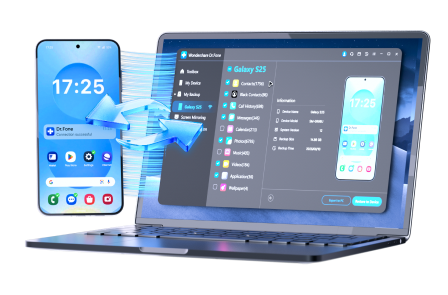
Before attempting deeper fixes like erasing and reinstalling iOS, using Dr.Fone Basic to safeguard and organize your iPhone data on a computer lets you focus on solving performance issues with confidence.




Conclusion
A new iPhone buggy after setup is often the result of temporary indexing, app downloads, and photo processing rather than a serious defect. By letting background tasks finish, updating iOS, dialing back heavy background activity, and, if necessary, performing a carefully backed-up clean reinstall, you can usually restore smooth performance without sacrificing your data.
If your iPhone still feels unstable even when set up as a new device with minimal apps, it is time to involve Apple Support or a local authorized service provider. In rare cases, resolving How to Fix a New iPhone That Feels Buggy After Setup means identifying a hardware problem early so you can arrange a repair or replacement while your device is still new.
FAQ
-
1. Why does my new iPhone feel buggy right after setup and data transfer?
After initial setup or a large data transfer, your new iPhone runs several background tasks like indexing Spotlight search, downloading apps, syncing iCloud content, and analyzing photos. These can temporarily make it feel warm, slow, or buggy, especially if you use it heavily at the same time. Plugging it in, leaving it on Wi-Fi, and giving it some idle time usually lets performance normalize. -
2. Is it normal for a new iPhone to lag and stutter after restoring from an old phone?
A small amount of lag or stutter for a few hours can be normal after restoring from an old backup, particularly if you have many apps and a large photo library. However, persistent stuttering, frequent app crashes, or system freezes are not normal. In that case, update iOS, adjust settings, and consider a clean reinstall or setting up as a new iPhone to rule out corrupted settings coming from the old device. -
3. How do I fix a new iPhone that is slow and glitchy out of the box?
Start by connecting the phone to power and Wi-Fi, letting it sit for 30–60 minutes to finish background work, and then restarting it. Next, check for iOS updates and install any that are available. If it is still slow, disable Background App Refresh for non-essential apps, reduce motion in Accessibility settings, and if necessary, use Reset All Settings. As a last resort, erase the device and set it up as new to see if performance improves without your old backup. -
4. What settings should I check if my new iPhone is acting buggy after setup?
Check Settings > General > Software Update for pending updates, Settings > General > Background App Refresh to reduce background activity, and Settings > Accessibility > Motion to enable Reduce Motion. You can also review mail fetch settings under Settings > Mail > Accounts, and if issues persist, use Settings > General > Transfer or Reset iPhone > Reset > Reset All Settings. -
5. How long does a new iPhone stay laggy while indexing after setup?
For most users, noticeable indexing and background activity calm down within a few hours of setup. If you have a very large photo library or a huge amount of app data, it can take longer, especially if the phone is not left on Wi-Fi and power. If your iPhone is still consistently sluggish after a full day of light use and one or two restarts, move on to software updates and further troubleshooting. -
6. When should I contact Apple if my brand new iPhone is still buggy after troubleshooting?
If you have given the phone several hours of idle time, installed the latest iOS update, tried Reset All Settings, and even tested it as a new device without restoring a backup, yet it still feels slow, freezes, or shows display or touch problems, you should contact Apple Support. Provide details about the glitches and the steps you have already tried so they can run diagnostics or recommend an in-person hardware check or replacement.
 Add Wondershare Dr.Fone as a preferred source on Google