Recover photos, messages, WhatsApp, and more — no backup
needed.
Recover photos, messages, WhatsApp, and more — no backup
needed.

 100% Security Verified | No Subscription Required | No Malware

 :
: 
 ChatGPT
 Perplexity
 Gemini
 Claude
 Grok
Grok
Samsung smartphones are celebrated for their exceptional camera capabilities, but experiencing sudden data loss remains a persistent issue for many users. The dilemma of how to recover deleted videos on Samsung frequently arises when crucial media files disappear and no preemptive cloud or hard drive backup is available. This scenario is incredibly common, whether due to accidental deletion, system crashes, or corrupted memory.
The core reality is that all forms of digital data—including photos, contacts, and text messages—are vulnerable. Ultimately, to successfully retrieve wiped media, you must rely on advanced third-party data extraction tools.

 Scan Android phones and tablets directly.
- Preview and recover only what you want.
- Supports WhatsApp, photos, videos, contacts, and more.
- Works with 6000+ Android devices.
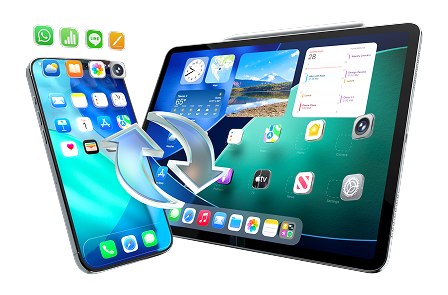
Therefore, choosing the most efficient tool is critical. In this comprehensive guide, we will uncover the leading Android data recovery utility and outline the exact steps necessary to salvage your old and lost clips. Let's dig into the details and restore your memories!
In this article
Part 1. Dr.Fone - Data Recovery (Android) for Samsung Galaxy Smartphones
If you are actively questioning how to restore deleted videos on Samsung while seeking the most effective software available, Wondershare Dr.Fone is unmatched in its success rate. Recognized globally, it provides a safe and highly intuitive environment to retrieve your digital footprint.
The platform is completely free to download across multiple operating systems (Android, iOS, Windows, or macOS). Once integrated with your computer, the probability of permanent data loss is significantly minimized. Astoundingly, this software can even bypass typical barriers, extracting files from a broken, black-screen, or utterly unresponsive Samsung handset.
Beyond video retrieval, Dr.Fone expertly salvages text messages, contact lists, audio tracks, and high-resolution images. Thanks to a heavily streamlined interface, you do not need advanced technical expertise. The entire restoration sequence is finalized within mere minutes utilizing just a few clicks.
Core Capabilities of Dr.Fone - Data Recovery
This software integrates an expansive toolkit explicitly designed for seamless mobile data retrieval. The defining functionalities include:
- Broad Data Type Compatibility: The application smoothly handles photo, video, and audio recovery alongside retrieving lost text messages, contacts, call history, and internet browser data. It also uncovers deleted WhatsApp conversation threads and media attachments directly from compromised Samsung devices.
- Retrieval Regardless of Physical Damage: Whether you face a frozen interface, non-responsive touch screen, corrupted internal firmware, or the notorious black screen of death, Dr.Fone performs an aggressive deep scan. It extracts vital videos even when the hardware seems completely inaccessible.
- Vast Samsung Device Support: It is difficult to find a Samsung model that Dr.Fone cannot process. Compatibility spans across older units to flagship models, such as the Galaxy S3, S4, S5, Note 4, Note 5, Note 8, and modern iterations, irrespective of carrier locks (AT&T, T-Mobile, Verizon, etc.). Tablets like the Galaxy Tab 2 and Tab S are also fully supported.
- Dedicated SD Card Rescue: Beyond scanning the internal ROM, Dr.Fone boasts an exclusive SD card module. You can securely pull lost media from Mini or Micro SD cards manufactured by SanDisk, Kingston, Patriot, and Samsung with zero restrictions.
- Real-Time Preview Functionality: After scanning, the engine populates a transparent preview of all discoverable data. This ensures you can verify and selectively recover specific video files, drastically minimizing the time spent exporting unwanted items.
Part 2. Step-by-Step Guide to Restore Deleted Videos on Samsung
Now that you are familiar with the unparalleled capabilities of this recovery suite, let's practically address how to recover deleted videos in Samsung. Execute the following sequential steps to safely extract your files:




-
Step 1 Launch Dr.Fone - Data Recovery Tool
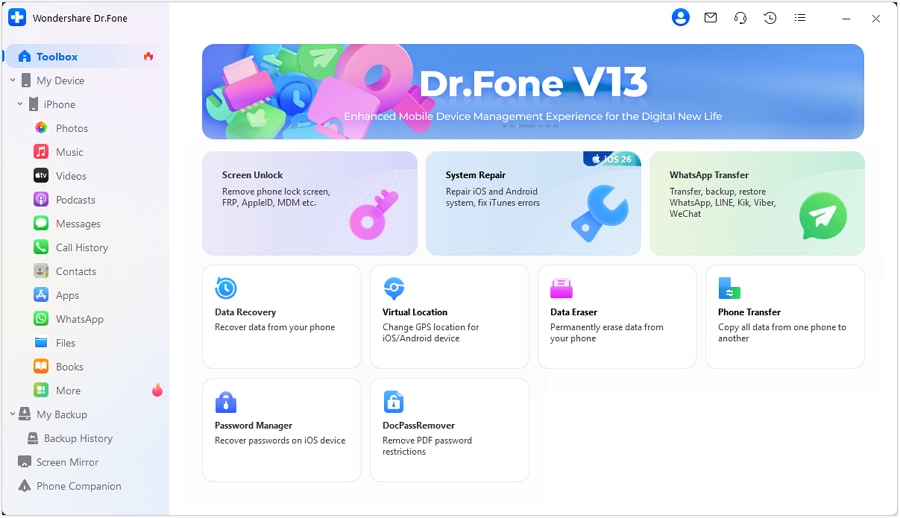
Navigate to the official Wondershare Dr.Fone portal to download the desktop client. Once installed on your computer, launch the application. From the main dashboard, select the Toolbox tab and click on the Data Recovery module to initiate the workflow.
-
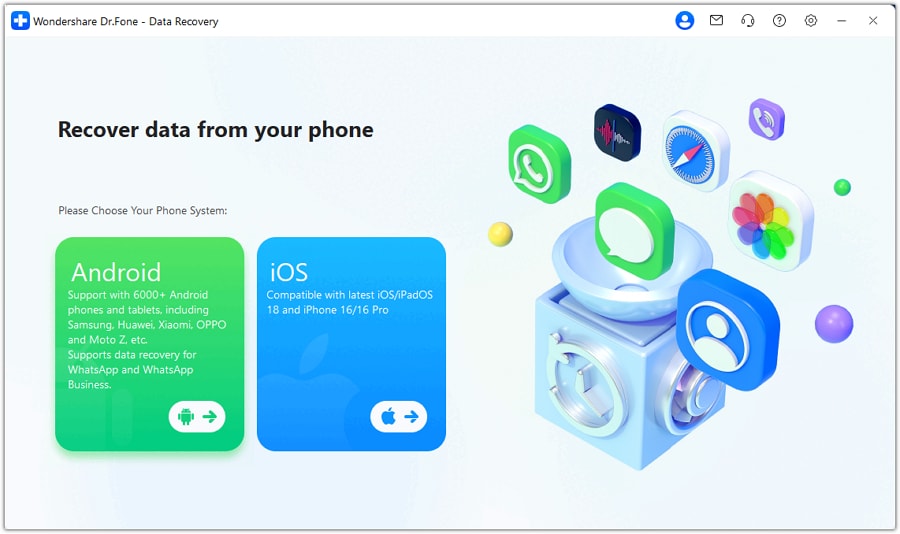
Step 2 Identify Your Operating System
A secondary window will appear prompting you to identify the source device. Select Android as your dedicated phone system to continue with the smartphone extraction.
-
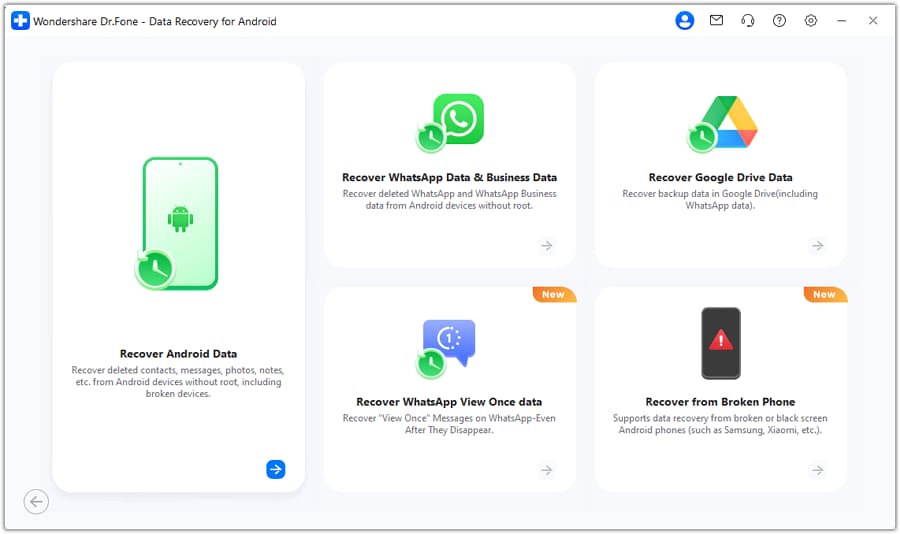
Step 3 Designate the Recovery Mode
In the subsequent menu screen, you must specify where the data resides. Click on Recover Android Data from the provided list to scan the phone's primary storage.
-
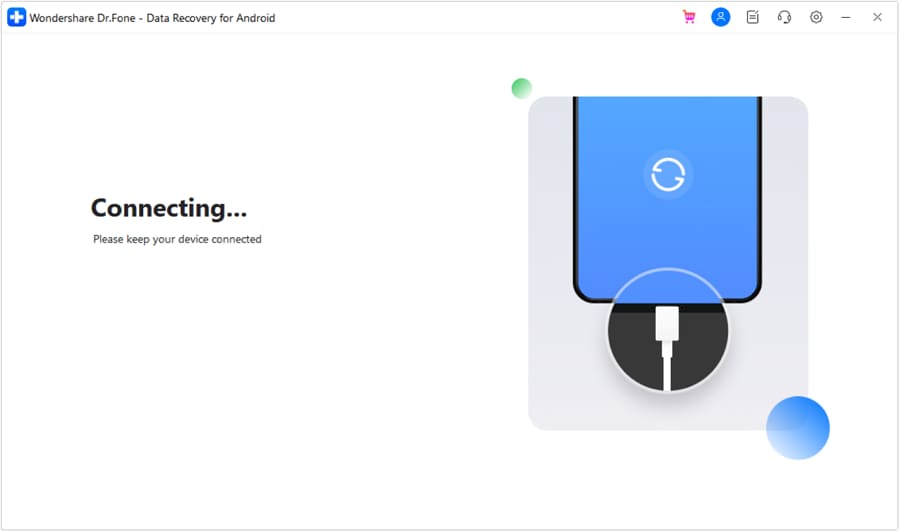
Step 4 Connect Your Samsung Galaxy
The interface will request device synchronization. Grab a high-quality USB cable and plug your Samsung smartphone into the PC. Ensure USB debugging is enabled, and wait a few moments for Dr.Fone to successfully detect the connected hardware.
-
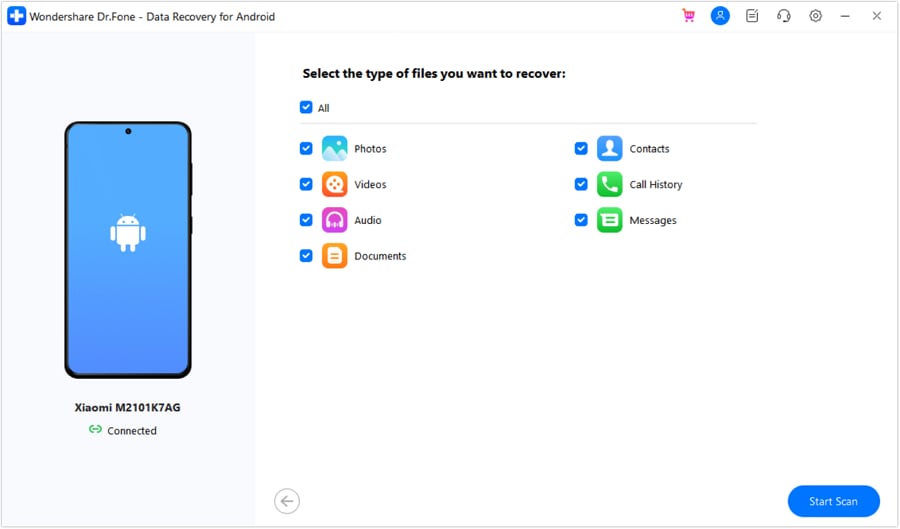
Step 5 Specify File Types for Retrieval
Once the secure connection is validated, a list of file categories will appear. To target deleted visual media, verify that the 'Videos' checkbox is selected. You may also select photos, messages, or documents simultaneously to perform a comprehensive sweep.
-
Step 6 Execute the Deep System Scan
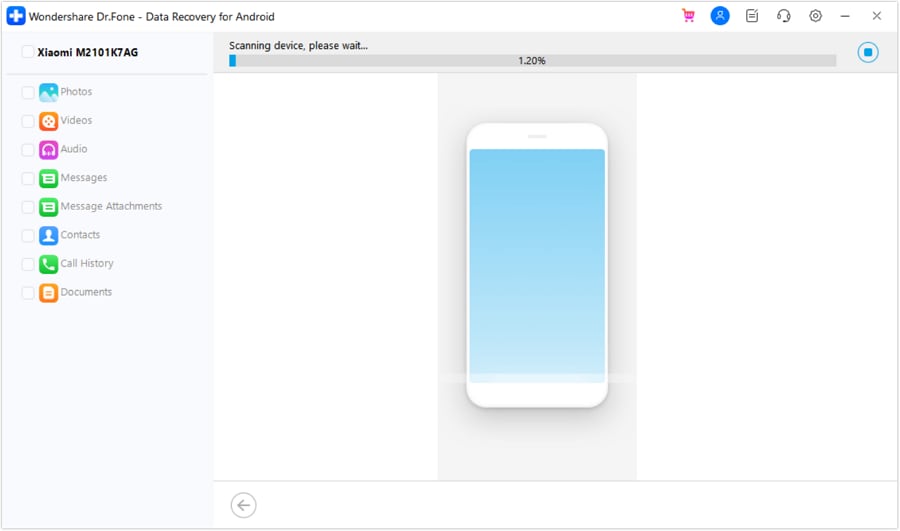
Hit the Start Scan button located at the bottom of the window. The software will methodically comb through your Samsung's memory architecture. This phase ranges from a few seconds to several minutes, contingent on the storage volume. Monitor the real-time progress bar displayed on the screen.
-
Step 7 Preview the Extracted Video Assets
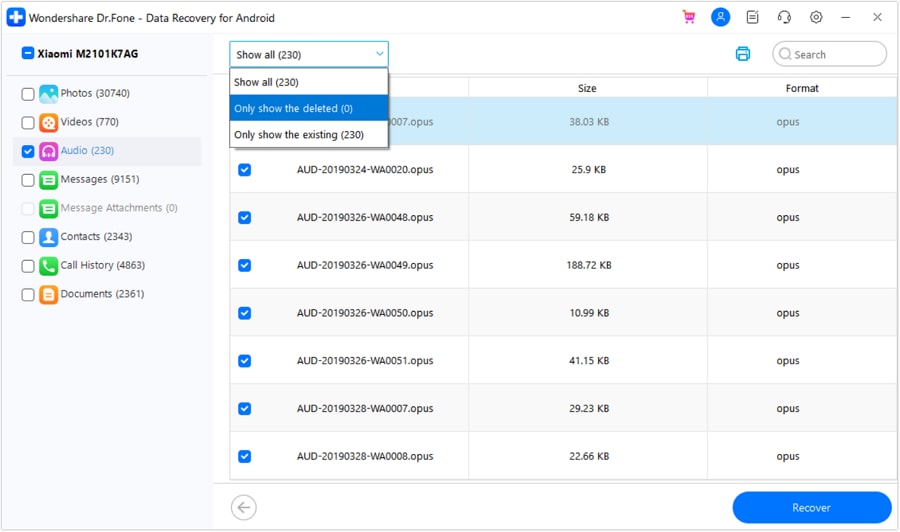
Upon completion, the scanning engine organizes all curable data into categorized folders. Click on the Video tab on the left sidebar to preview thumbnails of your deleted clips. Utilize the built-in top filter options to pinpoint specific files, distinguishing between currently existing and strictly deleted items.
-
Step 8 Restore and Export Data to PC
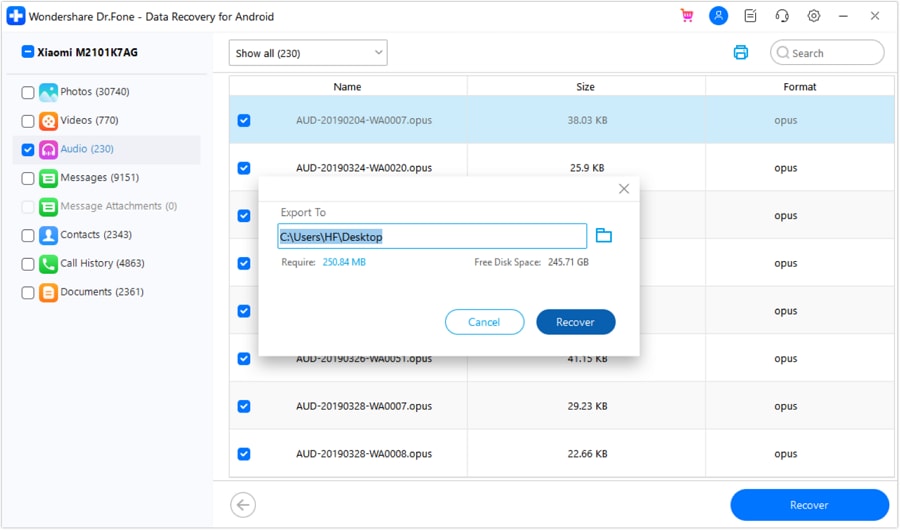
Once you select the intended files by ticking their respective boxes, click the prominent Recover button in the lower right corner. A prompt will ask you to determine a safe destination folder on your computer's hard drive. Confirm the path and finalize the process.
Conclusion
Now that you possess the definitive answer to how to recover deleted videos on Samsung, you can approach unexpected digital emergencies with total confidence. Dr.Fone - Data Recovery (Android) stands out as the ultimate safeguard, providing an incredibly fast, secure, and user-friendly pathway to rescue media directly from device storage. Remarkably, it succeeds even under severe hardware failure conditions where traditional methods fail. Do not wait for data to be permanently overwritten; deploy this advanced tool immediately to salvage your critical files.
FAQ
-
1. Where do deleted videos go on a Samsung device?
When a video is deleted on a Samsung smartphone, it is usually relocated to the 'Trash' or 'Recently Deleted' folder within the Gallery app, where it remains for up to 30 days. If emptied from the Trash, the video still exists on the phone's internal storage memory blocks until overwritten by new incoming data. Using specialized software can extract this invisible data before it gets fully replaced. -
2. Is it possible to find out how to recover deleted videos from Samsung free?
Yes, basic recovery can be free if you preemptively synced your device with Samsung Cloud or Google Photos. You can easily retrieve files from their respective online Trash folders at no cost. However, for permanently wiped files bypassing the trash bin without backups, a premium desktop software engine is generally required to execute deep sector scans. -
3. Can I restore videos after a factory reset?
Recovering data post-factory reset is notoriously difficult because the OS encrypts and wipes the storage index completely. However, if you had an active Google Drive or Samsung account backup configured before the reset, restoring those archives during the initial device setup will retrieve your videos seamlessly. -
4. Why should I stop using my phone immediately after realizing videos are deleted?
Continuing to use the smartphone generates new background data, cache, and downloads, which can overwrite the physical memory space occupied by the 'deleted' video files. Halting usage preserves the hidden data fragments, dramatically increasing the success rate of any third-party Android data recovery tool.
 Add Wondershare Dr.Fone as a preferred source on Google