Recover photos, messages, WhatsApp, and more — no backup
needed.


 100% Security Verified | No Subscription Required | No Malware

 :

 ChatGPT
 Perplexity
 Gemini
 Claude
 Grok
The portfolio assignment still opens in Google Classroom, but the LINE message explaining a personal exception has disappeared from your Vivo X200 Ultra. Did you need a PDF, a separate sample clip or a different combination agreed with the tutor? A document carrying your name may be the working copy assigned to you, not the finished portfolio or the missing private reply.
Dr.Fone - Data Recovery (Android) helps you look for that clarification without a previous LINE backup. Its Windows-only Advanced Recovery mode scans supported local app data, previews the conversations and attachments it finds, and saves selected useful records to PC. You can look for the actual exception, inspect available portfolio images, videos and files, and preserve the useful communication separately from the live assignment.
In this article
Before you start
Retain both listed Ultra Kernel alternatives
Vivo X200 Ultra is listed with Kernel 6.6.89 / 6.6.127 and no Android-version restriction for this named model. Keep the complete alternative list without turning it into invented Android/firmware pairings. Do not substitute X200 Pro's Kernel 6.6.57 or change firmware to pursue a recovery result.
Keep the original phone data available
Prepare a Windows computer, a reliable USB data cable and a private writable PC folder. Leave LINE installed and logged in with its local storage intact. Do not clear storage, reinstall, log out, factory-reset or unlock the bootloader. Follow the product's displayed access instructions rather than a generic Root tutorial.
Use an existing assignment only if it applies
The optional Classroom check requires your own existing student account, access to the actual class and an assignment already posted there. Do not join a new class, request wider sharing or create a replacement assignment to retrieve LINE text. The local scan needs neither Classroom access nor an earlier chat backup, and saves selected discoverable LINE results to PC rather than into a class or submission portal.
Optionally read the Classroom brief and identify the assigned working copy
Use this when the portfolio belongs to a Google Classroom assignment you can already access as a student. It reads the teacher's current posted requirements and actual assignment materials, not a personal task reminder or a recovered LINE exchange.
Step 1 Open the actual assignment instructions on a computer
Go to classroom.google.com and sign in with your existing student account. Click the class, then Classwork. Click the relevant assignment and View instructions. Read the posted brief for the actual file requirements; a similarly named assignment in another class may be a different task.
Step 2 Distinguish teacher material from your assigned copy
Inspect the accessible instructions and attachments, then the existing items under Your work. Google explains that a teacher can give each student an individual document copy with the student's name added to its title. That name does not make it a finished PDF or proof of submission. The teacher may also review work in progress before Turn in. Open only files you can already access normally, without editing them.
Step 3 Keep the posted brief and private exception separate
Note what the current assignment actually requires and which reference files are available. If the tutor changed your PDF or clip requirement privately in LINE, the posted brief alone does not reproduce that exception. Leave the assignment untouched: do not use Add or create, Remove, Turn in, Mark as done, Unsubmit or a new comment as a recovery step. Skip inaccessible material rather than changing file permissions.
- This is retained Classroom assignment reading, not deleted-assignment recovery, document history or an automatic LINE-to-Classroom copy. The current brief is not a guaranteed record of its earlier wording.
- An assigned working document, a usable portfolio file and the tutor's private clarification are separate sources. Dr.Fone's local LINE scan does not fetch cloud assignments, alter file access or submit work.
Find the requirement behind the portfolio files
| Record available | Useful information | What still needs checking |
|---|---|---|
| The accessible Classroom assignment brief | The teacher's requirements currently posted for that assignment | A personal exception or later clarification sent only in LINE |
| A named working copy under Your work | The actual assigned document or accessible material present | A student name and teacher visibility do not prove a finished portfolio or submission |
| A found LINE clarification and reply | The PDF, clip or exception condition actually written | A request, a tutor's instruction and any response have different roles |
| Found photos, videos, PDFs or other files | The actual usable portfolio material available to save | Which version was required cannot be inferred from a filename or result order |
Common problems and fixes
The assignment opens but a file is unavailable
Read the instructions and material already accessible to your student account, then skip the unavailable file. Assignment file access can depend on its sharing and workflow state. Do not unsubmit work, change permissions or create a new copy to inspect it. The LINE scan remains a separate route for discoverable local communication and attachments.
A document has your name but there is no finished portfolio PDF
Check whether it is the individual working copy supplied with the assignment. Google documents this named-copy option and notes that teachers can review progress before Turn in. Use the actual contents as a reference, not evidence that the final portfolio was sent. Look for the missing LINE clarification before assuming a PDF or clip condition.
Both the portfolio PDF and a sample clip appear in the scan
Inspect the files and LINE conversation independently. Read whether the clip was required, optional or allowed instead under a stated condition. Dr.Fone does not choose the final submission version, pair files automatically or infer the tutor's instruction from attachment order. Save useful actual results even when some context is absent.
How to use Dr.Fone - Data Recovery (Android)
Dr.Fone - Data Recovery (Android) helps supported Vivo X200 Ultra users look for the private clarification that a general assignment brief may not contain. Its Windows-only Advanced Recovery mode scans local LINE data without a previous chat backup, lets you inspect conversations and LINE Attachments separately, and saves selected results to PC. Preserve useful requirement wording, available portfolio media and any found reply without changing the live class assignment.
- Read actual found LINE instructions for the PDF, clip or personal exception rather than extending a general class brief.
- Preview available images, videos and files separately so useful portfolio references are not overlooked.
- Select relevant communication and usable attachments for private PC saving without editing or submitting coursework.
 Scan Android phones and tablets directly.
- Preview and recover only what you want.
- Supports WhatsApp, photos, videos, contacts, and more.
- Works with 6000+ Android devices.
Follow the official Advanced Recovery workflow
Step 1 Start Advanced Recovery for the X200 Ultra
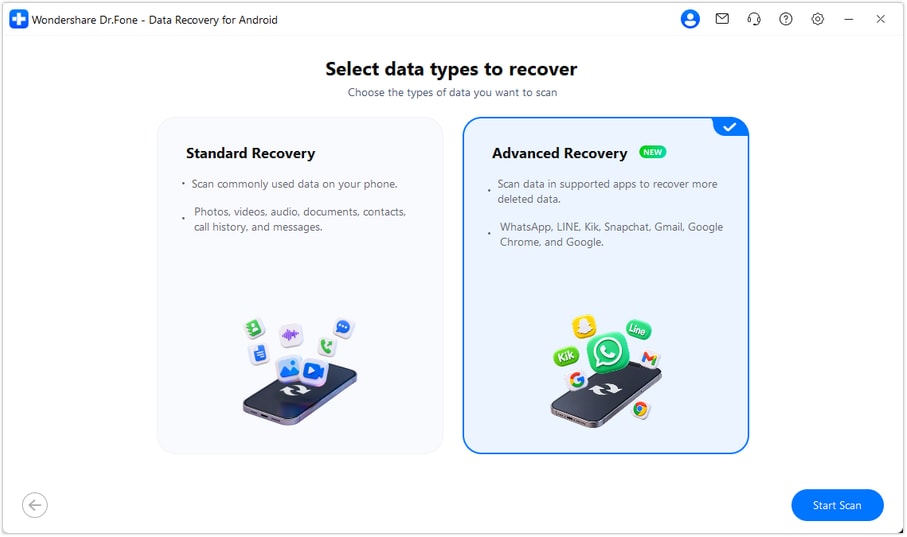
On Windows, launch Dr.Fone and go to Toolbox > Data Recovery. Choose Android > Recover Android Data, select Advanced Recovery and click Start Scan. Connect the supported Vivo X200 Ultra by USB when prompted and follow the detection instructions shown.
Step 2 Select LINE app data
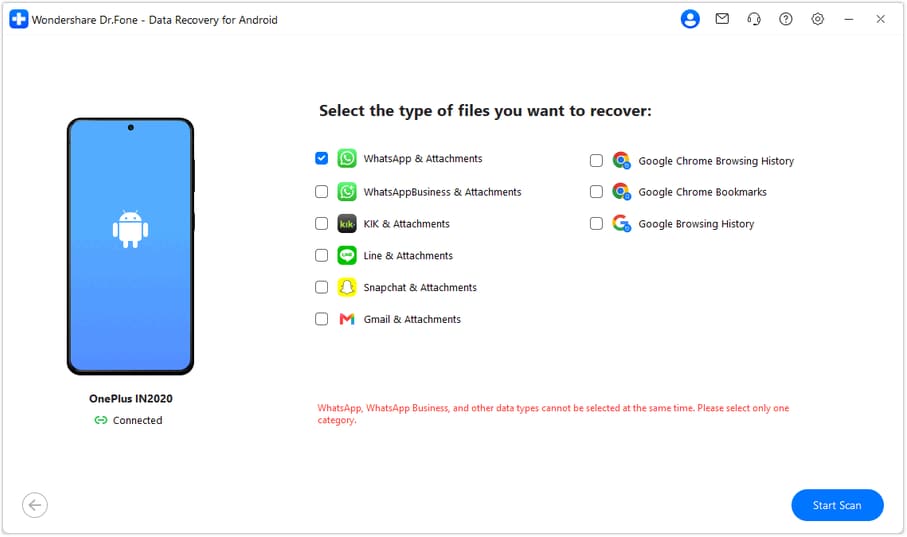
Choose LINE from the available data categories and click Start Scan. This scans the supported connected phone for local app records, without requiring Classroom access or a previous chat backup.
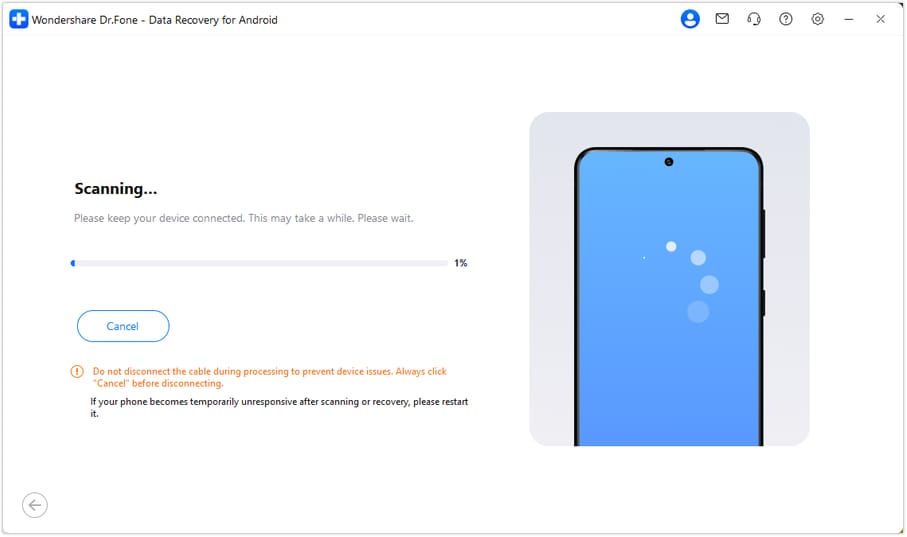
Step 3 Keep the device connected while scanning
Wait with the USB cable connected throughout the scan. To interrupt, click Cancel before unplugging. If the phone is temporarily unresponsive after scanning or recovery, follow the product's on-screen restart instruction.
Step 4 Preview the private clarification and actual portfolio attachments
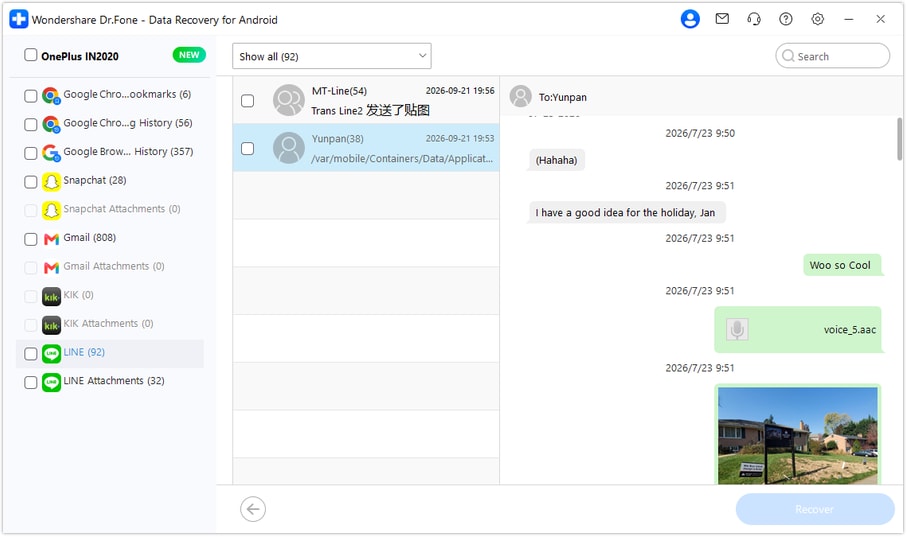
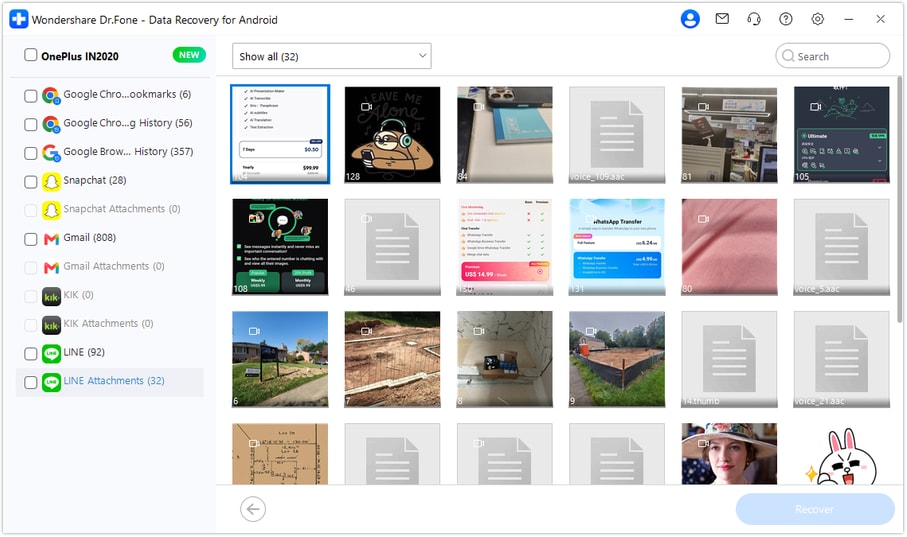
Choose LINE in the sidebar and read the available conversation with the tutor. Use search or filters where available and distinguish a general requirement from a personal exception or an actual reply. Select LINE Attachments separately to inspect found photos, videos and files, then select useful messages and usable media.
Step 5 Save selected portfolio records to PC
Click Recover and follow the prompts to select a computer folder. Finish saving and open the output to inspect the selected text and files. The results are saved to PC, not imported into LINE or Classroom and not submitted to a portal.




Conclusion
For a missing portfolio clarification on a supported Vivo X200 Ultra, Dr.Fone - Data Recovery (Android) helps you inspect actual LINE instructions and replies, preview available portfolio attachments and preserve selected useful records on PC. Download Dr.Fone for Windows and start the guided scan to look for the private context behind the files you want to keep.
FAQ
1. Can I recover deleted LINE messages on Vivo X200 Ultra without a backup?
Dr.Fone - Data Recovery (Android) offers a supported local device-scan route without an earlier LINE backup. Keep the exact Ultra model and full Kernel 6.6.89 / 6.6.127 alternatives, use Advanced Recovery on Windows, preview found LINE and LINE Attachments data separately, and save selected results to PC. No Android-version restriction is listed for this named model.2. Does a Classroom document with my name mean I submitted the portfolio?
No. A teacher can assign an individual working copy with your name added to its title, and can review your progress before you turn in the work. Read the actual assignment and accessible files rather than treating the name as proof of a finished PDF or delivery. This retained source does not recover the tutor's deleted LINE clarification.3. Can LINE Standard Backup or Premium Backup undo the manual deletion now?
A suitable Standard Backup must have existed before the manual deletion. It saves text only and supports same-OS transfer; LINE says a Standard copy made afterward or Premium Backup does not restore that manually deleted history. Creating a backup now is not this no-backup recovery route.4. Will Dr.Fone restore every portfolio video and file into LINE?
Only data actually found by scanning can be selected, and the workflow saves it to PC rather than into LINE. Review conversation text and LINE Attachments independently. A recovered file does not establish submission or acceptance, and expired originals without discoverable local data are not guaranteed.
 Add Wondershare Dr.Fone as a preferred source on Google