Effortlessly manage data through preview, delete, export, etc.

 100% Security Verified | No Subscription Required | No Malware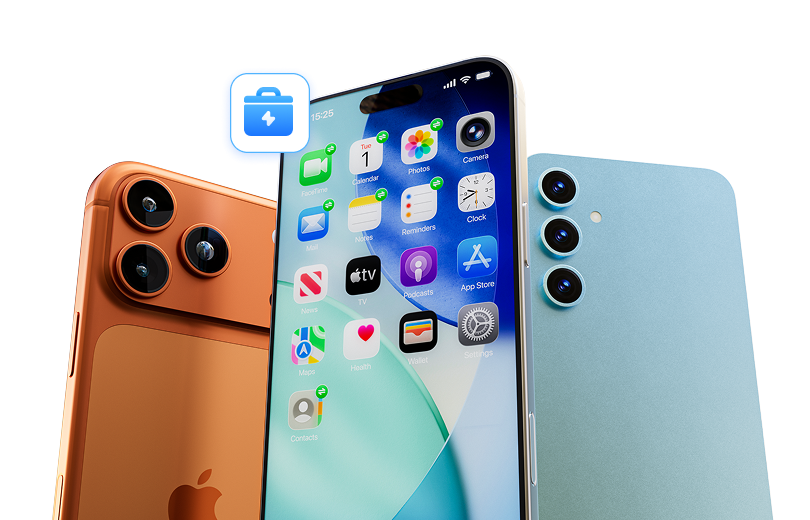

 :
: 
 ChatGPT
 Perplexity
 Gemini
 Claude
 Grok
Grok
Google Assistant Settlement Emails Are Going Out: A Timely Reminder to Clean Up Old Android Devices Before They Leave Your Control matters because it turns a fresh mobile-industry signal into a concrete support question users are likely to search right away. Instead of repeating the headline, this article focuses on the practical job behind it: how to protect data, avoid setup mistakes, and make the next phone or software step more predictable.
For users affected by Older Android phones, privacy-focused upgraders, resale and trade-in users, the real issue is usually not the announcement itself. It is whether cleaning an old Android phone thoroughly before selling it, trading it in, or handing it to someone else will lead to missing files, confusing settings, incomplete transfers, or extra cleanup work later. That is why the right article angle is operational, not promotional.
In this article
Why this hotspot can turn into a search spike
Google Assistant settlement email rollout and renewed privacy attention matters because it pushes users from reading the news into asking whether their current setup is still safe and complete.
The core search task here is simple: cleaning an old Android phone thoroughly before selling it, trading it in, or handing it to someone else. That is the part people act on.
What users are most likely to run into
The main risk is leaving behind account traces, personal files, cached app content, or residual access after a casual reset. In practice, that often shows up as partial transfers, hidden settings, duplicate content, or uncertainty about what really synced.
Built-in tools can help, but they do not always cover the full workflow or make verification easy.
What a safer workflow looks like
A safer approach starts with three checks: whether the device is fully backed up first, which accounts and app sessions still need sign-out review, and whether personal files were truly removed before the phone leaves the user. This helps users separate convenience features from actual backup or migration coverage.
After that, they can make the change and verify the result before resetting, trading in, or ignoring the old device.
Where Dr.Fone can fit naturally
Dr.Fone fits best when the default route feels incomplete and users want more control over privacy-first cleanup and erasure on old Android devices.
That keeps the recommendation practical: understand the risk first, then choose a tool only if it reduces friction or uncertainty.

Dr.Fone
Clean up private data more carefully before resale, handoff, or trade-in.
Data Eraser support for privacy-first cleanup
Most useful after backup is complete and the old device is ready to leave the user’s control.
Conclusion
The value of this topic is practical, not just timely. If users can handle cleaning an old Android phone thoroughly before selling it, trading it in, or handing it to someone else with clearer checks and less guesswork, the article has done its job.
FAQ
-
Why would users search this now?
Because the headline quickly turns into a practical question about cleaning an old Android phone thoroughly before selling it, trading it in, or handing it to someone else. -
Are built-in tools always enough?
Not always. Users can still run into leaving behind account traces, personal files, cached app content, or residual access after a casual reset if they mistake convenience features for a full workflow. -
What should be checked first?
Start with whether the device is fully backed up first and which accounts and app sessions still need sign-out review, then verify the result before moving on from the old device.
 Add Wondershare Dr.Fone as a preferred source on Google